Causes of Bleeding From Anus: What You Should Know
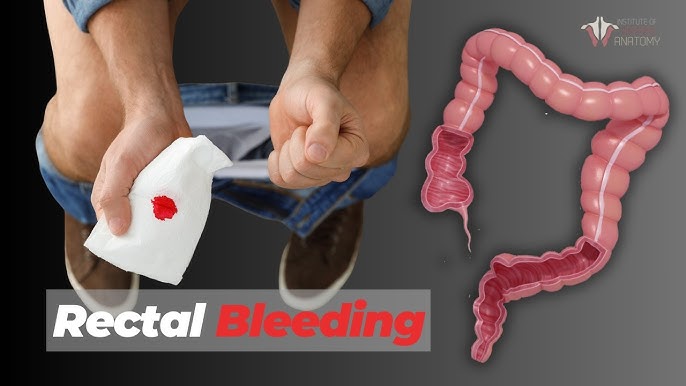
Regarding causes of bleeding from the anus; bleeding from the anus can be a frightening experience, but in many cases, it is caused by common and treatable conditions. The causes of bleeding from anus can range from something as simple as constipation to more serious health issues like infections or even cancer.
It’s important to understand the possible reasons for anal bleeding, what symptoms to look out for, and when you should see a doctor.
Why Am I Bleeding From My Anus?
One of the most common causes of bleeding from anus is straining during a bowel movement, especially when the stool is hard and dry. This often leads to tiny tears or irritation around the anus, which causes bright red blood to appear in the toilet or on toilet paper.
However, bleeding from the anus could also be a sign of something more serious. If it happens often or comes with other symptoms—such as weight loss, stomach pain, or mucus in the stool—it’s important to see a doctor for proper evaluation.
Common Causes of Bleeding From Anus
Let’s break down the main causes of bleeding from anus:
Hemorrhoids
Hemorrhoids are swollen blood vessels inside the rectum or around the anus. They are one of the leading causes of bleeding from anus and are especially common in people who sit for long periods, are pregnant, or frequently strain during bowel movements.
Symptoms of hemorrhoids include:
Bright red blood on the stool or toilet paper
Itching or burning around the anus
Pain while sitting, walking, or during bowel movements
A lump or swelling near the anus
Mucus discharge in some cases
What to do:
Drink plenty of water and eat foods rich in fiber to keep stools soft.
Avoid using dry toilet paper—clean with water or wet wipes.
Use over-the-counter hemorrhoid creams or suppositories to ease pain and swelling.
Take warm sitz baths to soothe the affected area.
If symptoms persist or become severe, consult a doctor. In some cases, surgery may be needed.
Anal Fissures
Anal fissures are small tears in the skin around the anus. They are another common cause of bleeding, especially in people with chronic constipation or hard bowel movements.
Rectal Bleeding Diagnosis, Management, and Treatment – Gastroenterologists In Florida
Symptoms:
Sharp pain during or after bowel movements
Bright red blood in the stool
A visible crack or sore around the anus
What to do:
Keep the area clean and dry.
Use creams or ointments to promote healing.
Soften your stools with fiber-rich foods and lots of water.
Avoid straining in the toilet.
In serious cases, a doctor may recommend special medication or minor surgery.
Intestinal Infections or Inflammation
Infections in the intestines or conditions like proctitis (inflammation of the rectum) can also cause bleeding from the anus. These may result from bacteria, viruses, or even sexually transmitted infections.
Symptoms may include:
Bloody or mucus-filled stool
Fever or chills
Abdominal cramps
Feeling tired or weak
What to do:
A stool test may be needed to find the cause.
Antibiotics or antiviral medications may be prescribed.
Avoid eating spicy or irritating foods.
Rest and stay hydrated.
More Serious Conditions (Like Cancer)
In rare cases, bleeding from the anus can be a symptom of rectal or colon cancer. It’s especially concerning if the bleeding is ongoing and is accompanied by:
Sudden weight loss
Persistent fatigue
Abdominal bloating or pain
Changes in bowel habits (diarrhea or constipation)
What to do:
See a doctor immediately if you notice these symptoms.
A colonoscopy or other tests may be done to detect any growths or tumors.
Early detection is key for successful treatment.
Crohn’s Disease
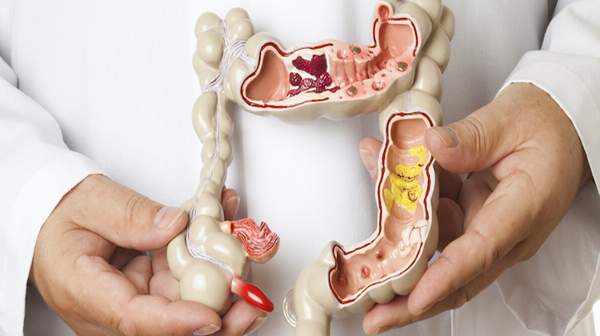
Crohn’s disease is a long-term condition that causes inflammation in parts of the digestive tract, especially the intestines. It is one of the less common but more serious causes of bleeding from anus. The inflammation can lead to ulcers and damage in the intestinal lining, which may cause bleeding during bowel movements.
The exact cause of Crohn’s disease is still unknown, but researchers believe it may be linked to a combination of factors such as:
A malfunctioning immune system
Genetic mutations
Smoking
Environmental triggers
What to do:
If you experience these symptoms regularly—especially if they interfere with your daily life—you should see a gastroenterologist. The doctor will carry out tests like colonoscopy, endoscopy, or stool analysis to confirm the diagnosis.
Once diagnosed, treatment for Crohn’s disease focuses on:
Reducing inflammation and relieving symptoms
Preventing flare-ups
Helping the intestines heal
Treatment options may include:
Dietary changes (low-residue or anti-inflammatory diets)
Medications like corticosteroids, immunosuppressants, antibiotics, or biologic therapies
Surgery in severe cases to remove or repair damaged parts of the intestines
Managing Crohn’s disease is a long-term commitment, but with the right treatment plan, many people can lead a full and active life.
Salmonella Infection
Salmonella infection is another possible but often overlooked cause of bleeding from anus. It’s a bacterial infection that affects the intestines and is usually spread through eating or drinking food or water that is contaminated with Salmonella bacteria.
People typically get infected by:
Eating raw or undercooked eggs, poultry, or meat
Drinking untreated or contaminated water
Consuming food that has been left out too long or not properly handled
Symptoms of a Salmonella infection include:
Blood in the stool
Watery or severe diarrhea
Abdominal cramps and pain
Fever and chills
Nausea and sometimes vomiting
What to do:
If you think you may have a Salmonella infection—especially if you notice rectal bleeding or signs of dehydration—it’s important to see a doctor. Most cases are mild and can be treated at home with:
Plenty of fluids to prevent dehydration
Rest and light meals
Oral rehydration solutions or electrolyte drinks
In more serious cases, particularly in young children, older adults, or people with weak immune systems, the doctor may prescribe antibiotics or recommend hospital care.
Anal Cancer
Although anal cancer is rare, it is one of the more serious causes of bleeding from anus, especially in older adults. It develops when abnormal cells in the anus grow out of control and form a tumor.
Symptoms of anal cancer may include:
Rectal bleeding or blood mixed with stool
Mucus discharge from the anus
A lump or sore near the anal opening
Anal pain or pressure
Unexplained weight loss or fatigue
Risk factors for anal cancer include:
Age (more common in people over 50)
Human papillomavirus (HPV) infection
A weakened immune system
Smoking
Angiodysplasia
Angiodysplasia is a condition that primarily affects older adults, especially those over the age of 60. It occurs when small blood vessels in the walls of the intestines become weak, enlarged, and more prone to bleeding. Though it’s less common, it’s still one of the possible causes of bleeding from anus, particularly in seniors.
In many cases, the bleeding from angiodysplasia may be microscopic—only detectable through a stool test. However, in some cases, it may cause visible bright red bleeding from the rectum.
Symptoms can include:
Occasional or ongoing blood in the stool
Signs of anemia (fatigue, weakness)
Dizziness (in cases of significant blood loss)
What to do:
If you suspect angiodysplasia, especially if you’re over 60 and experiencing unexplained bleeding, you should see a doctor. The diagnosis is usually made through imaging or scope procedures like:
Endoscopy
Colonoscopy
Angiography (a test that looks at blood vessels)
Depending on the severity of the bleeding, treatment options include:
IV fluids or blood transfusions (for heavy bleeding)
Cauterization of the bleeding vessels during a colonoscopy
Medications to reduce blood vessel fragility
Surgery in severe or unresponsive cases
Diverticulitis
Diverticulitis is a condition where small pouches called diverticula, which form along the walls of the intestine, become inflamed or infected. While common in older adults, it can occur at any age and is one of the recognized causes of bleeding from anus.
When diverticula become irritated, they can rupture or bleed, leading to bright red or dark blood in the stool. Other typical symptoms include:
If you experience these symptoms, it’s important to visit a gastroenterologist for a proper diagnosis. The doctor may perform imaging tests like a CT scan or recommend a colonoscopy once the infection has cleared.
Treatment for diverticulitis may involve:
Antibiotics to clear infection
A temporary low-fiber or liquid diet to allow the gut to heal
Pain relief medication
In more serious cases, surgery to remove the affected section of the intestine
With proper care and lifestyle changes, flare-ups can often be prevented in the future.
Conclusion
Bleeding from the anus is a symptom that should never be ignored, as it can range from a minor issue like hemorrhoids to more serious conditions such as colorectal cancer or inflammatory bowel disease. Identifying the underlying cause through proper medical evaluation is essential for effective treatment.
While not all cases are urgent, any persistent, heavy, or unexplained bleeding warrants prompt medical attention. Early diagnosis and intervention can make a significant difference in outcomes, so it’s important to listen to your body and consult a healthcare provider when symptoms arise.
A graduate of Computer Science and Information Management Technology. Diploma – Caregiving, Certificates – Dementia and Diabetes Awareness and Management. A researcher, blogger, songwriter, singer and acoustic guitarist. Born in an environment where natural talents such as healing are imparted at our natural birth. This natural talents of healing is the result of our genetic inheritance and the training from family environment.
We use cookies on our website to give you the most relevant experience by remembering your preferences and repeat visits. By clicking “Accept All”, you consent to the use of ALL the cookies. However, you may visit "Cookie Settings" to provide a controlled consent.
This website uses cookies to improve your experience while you navigate through the website. Out of these, the cookies that are categorized as necessary are stored on your browser as they are essential for the working of basic functionalities of the website. We also use third-party cookies that help us analyze and understand how you use this website. These cookies will be stored in your browser only with your consent. You also have the option to opt-out of these cookies. But opting out of some of these cookies may affect your browsing experience.
Necessary cookies are absolutely essential for the website to function properly. These cookies ensure basic functionalities and security features of the website, anonymously.
Cookie
Duration
Description
cookielawinfo-checkbox-analytics
11 months
This cookie is set by GDPR Cookie Consent plugin. The cookie is used to store the user consent for the cookies in the category "Analytics".
cookielawinfo-checkbox-functional
11 months
The cookie is set by GDPR cookie consent to record the user consent for the cookies in the category "Functional".
cookielawinfo-checkbox-necessary
11 months
This cookie is set by GDPR Cookie Consent plugin. The cookies is used to store the user consent for the cookies in the category "Necessary".
cookielawinfo-checkbox-others
11 months
This cookie is set by GDPR Cookie Consent plugin. The cookie is used to store the user consent for the cookies in the category "Other.
cookielawinfo-checkbox-performance
11 months
This cookie is set by GDPR Cookie Consent plugin. The cookie is used to store the user consent for the cookies in the category "Performance".
viewed_cookie_policy
11 months
The cookie is set by the GDPR Cookie Consent plugin and is used to store whether or not user has consented to the use of cookies. It does not store any personal data.
Functional cookies help to perform certain functionalities like sharing the content of the website on social media platforms, collect feedbacks, and other third-party features.
Performance cookies are used to understand and analyze the key performance indexes of the website which helps in delivering a better user experience for the visitors.
Analytical cookies are used to understand how visitors interact with the website. These cookies help provide information on metrics the number of visitors, bounce rate, traffic source, etc.
Advertisement cookies are used to provide visitors with relevant ads and marketing campaigns. These cookies track visitors across websites and collect information to provide customized ads.