Depression in Children: Understanding the Signs, Causes, and Treatment
Learn about depression in children — its causes, symptoms, and treatment. Discover how to recognize warning signs early and support your child’s mental health.
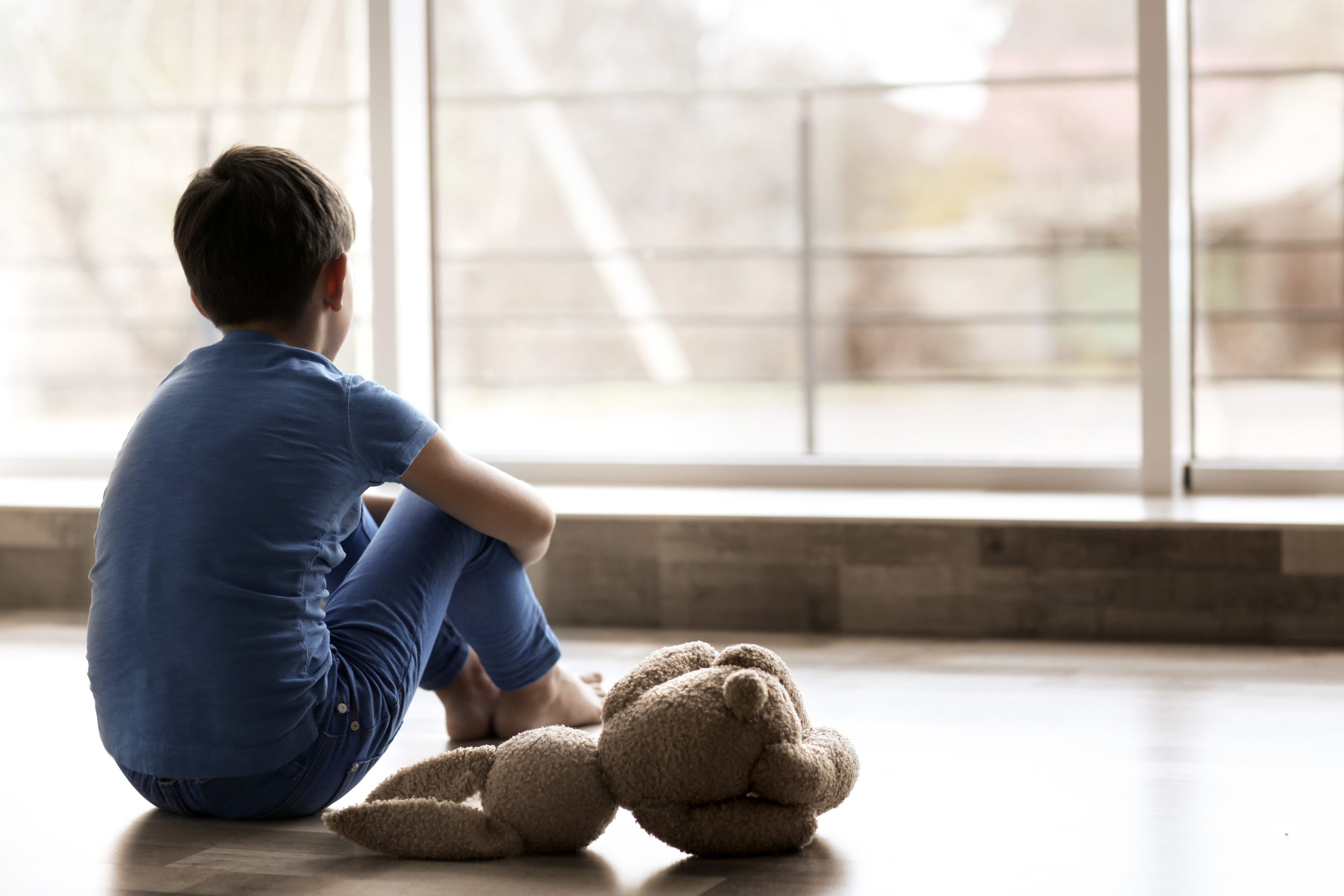
Depression in children is more common than many people realize. While childhood is often thought of as a time of joy and innocence, the truth is that many children today experience deep sadness, hopelessness, and emotional distress that go far beyond temporary mood swings. Childhood depression can affect every part of a young person’s life — their relationships, learning, behavior, and overall development.
Recognizing the signs early and providing the right support can make a significant difference in helping children recover and live emotionally healthy lives. In this article, we’ll explore what depression in children looks like, what causes it, the warning signs to look for, and the best ways to help.
What Is Depression in Children?
Depression in children is a serious mental health condition that affects how a child thinks, feels, and behaves. It’s more than just feeling sad or upset for a few days. A depressed child may experience persistent sadness, loss of interest in activities, changes in appetite or sleep, and difficulty concentrating.
Unlike adults, children may not always be able to express what they’re feeling in words. Instead, their depression may show up as irritability, anger, withdrawal, or even physical complaints like headaches and stomachaches.
Depression can interfere with school performance, friendships, and family relationships — and if left untreated, it can continue into adolescence and adulthood.
Types of Depression in Children
There are several types of depression that can affect children, including:
Major Depressive Disorder (MDD)
This is the most common and severe form of depression. Children with major depressive disorder experience long periods (at least two weeks) of persistent sadness, loss of interest, and other symptoms that interfere with daily functioning.
Persistent Depressive Disorder (Dysthymia)
This form is milder but more long-lasting. A child with dysthymia may have chronic low mood and sadness that lasts for at least a year. While the symptoms may not be as severe as major depression, they can still affect learning, confidence, and happiness.
Disruptive Mood Dysregulation Disorder (DMDD)
This condition is characterized by chronic irritability and frequent temper outbursts that are out of proportion to the situation. It’s more common in children under 12 and can easily be mistaken for behavioral problems.
Bipolar Disorder
Although rare in younger children, bipolar disorder involves alternating episodes of depression and mania (periods of extreme energy or irritability). It requires careful diagnosis and management.
What Causes Depression in Children?
Depression doesn’t have one single cause. It is usually the result of a combination of biological, psychological, and environmental factors.
Here are the most common causes and risk factors:
Family History and Genetics
Children with a family history of depression or other mental illnesses are more likely to develop depression themselves. Genetics play a strong role in determining a child’s vulnerability to mood disorders.
Chemical Imbalance in the Brain
Depression is linked to changes in brain chemistry — particularly neurotransmitters such as serotonin, dopamine, and norepinephrine, which regulate mood, sleep, and emotions.
Traumatic or Stressful Events
Events such as the death of a loved one, parental divorce, bullying, or abuse can trigger depression in children. Ongoing stress at home or school can also contribute.
Family Conflict or Neglect
Children who grow up in homes with high levels of conflict, neglect, or emotional unavailability often struggle with feelings of insecurity and sadness.
Physical Illness
Chronic medical conditions like asthma, diabetes, or epilepsy can lead to emotional distress and increase the risk of depression.
Social Isolation
Children who feel lonely or excluded by their peers may experience lower self-esteem and prolonged sadness that develops into depression.
Academic Pressure
Constant pressure to perform well in school, fear of failure, or learning difficulties can also play a role.
Signs and Symptoms of Depression in Children
Recognizing depression in children can be challenging because the symptoms often differ from those seen in adults.
Here are key warning signs to watch out for:
Emotional Symptoms
Persistent sadness, hopelessness, or tearfulness
Feeling worthless or guilty
Loss of interest in play, hobbies, or school activities
Low self-esteem or self-criticism
Feeling unloved or unimportant
Behavioral Symptoms
Withdrawal from family and friends
Frequent outbursts of anger or irritability
Loss of motivation or decline in academic performance
Refusal to go to school
Talking about death or expressing thoughts of suicide
Physical Symptoms
Changes in appetite (eating too much or too little)
If a child displays several of these symptoms for more than two weeks, it’s important to seek help from a mental health professional.
How Depression Affects a Child’s Life
Depression can influence every area of a child’s development. It affects their academic performance, social relationships, and even physical health.
Children may lose interest in learning, have trouble making or keeping friends, and show less enthusiasm for play or family activities. Over time, this isolation can make the depression worse.
Untreated depression in childhood also increases the risk of:
Substance abuse during adolescence
Self-harm or suicidal thoughts
Long-term anxiety or mood disorders in adulthood
This is why early diagnosis and intervention are crucial.
Diagnosing Depression in Children
Diagnosing depression in children requires a careful and compassionate approach.
A pediatrician, psychologist, or child psychiatrist typically begins with a detailed interview to understand the child’s symptoms, behavior, and emotional state. Parents, teachers, and caregivers are also asked about changes in mood, performance, and relationships.
In some cases, psychological tests or screening questionnaires are used to assess the severity of depression. Doctors may also run blood tests to rule out underlying medical issues such as thyroid disorders that can mimic depressive symptoms.
It’s important to note that not all mood changes in children mean depression. Professionals look for persistent symptoms that interfere with daily functioning before making a diagnosis.
Treatment Options for Depression in Children
The good news is that childhood depression is treatable. Early intervention can lead to full recovery and help children develop resilience for the future.
Here are the most effective treatment approaches:
Psychotherapy (Talk Therapy)
Psychotherapy helps children understand and manage their emotions in healthy ways. The two most common types are:
Cognitive Behavioral Therapy (CBT): Focuses on identifying and changing negative thought patterns.
Play Therapy: Uses creative activities to help younger children express feelings they can’t verbalize.
Family Therapy
Since a child’s environment plays a huge role in their mental health, family therapy helps improve communication, reduce conflict, and strengthen emotional bonds at home.
Medication
In more severe cases, doctors may prescribe antidepressants such as SSRIs (selective serotonin reuptake inhibitors). However, these are used carefully and under close supervision to monitor side effects.
School-Based Support
Schools can play a major role in identifying early warning signs and offering counseling support. Teachers and school psychologists can help create a more supportive academic environment.
Lifestyle Adjustments
Encouraging regular physical activity, healthy eating, proper sleep, and limited screen time can all support emotional well-being.
How Parents and Caregivers Can Help
Parents and caregivers are the first line of defense against childhood depression. Here are practical ways to help a child who may be struggling:
Listen without judgment: Let them express their feelings freely. Avoid dismissing their emotions or telling them to “cheer up.”
Keep communication open: Encourage regular conversations about how they’re feeling.
Provide structure and routine: A consistent daily schedule provides a sense of safety and predictability.
Monitor social media use: Excessive exposure to negative online content can worsen depressive symptoms.
Celebrate small wins: Recognize their efforts and progress, no matter how small.
Seek professional help early: The earlier the intervention, the better the outcome.
Preventing Depression in Children
While not all cases can be prevented, building a nurturing environment can reduce the risk.
Key preventive strategies include:
Promoting healthy self-esteem from an early age
Teaching coping skills to handle stress and disappointment
Encouraging physical activity and outdoor play
Spending quality family time
Modeling positive emotional regulation as parents
A child who feels supported and heard is more likely to speak up when something is wrong.
When to Seek Urgent Help
If a child expresses thoughts of self-harm or suicide, take it seriously. Warning signs may include:
Talking about wanting to die or disappear
Giving away personal belongings
Sudden withdrawal from friends or activities
Writing or drawing about death
In such cases, seek immediate help by contacting a local emergency line or mental health crisis service.
The Long-Term Outlook
With early treatment and strong family support, most children with depression can recover fully. Ongoing therapy and positive lifestyle habits can help prevent future episodes.
Untreated depression, however, can lead to ongoing mental health struggles in adulthood. That’s why awareness, education, and compassion are vital in addressing this issue.
Conclusion
Depression in children is real, serious, and deeply impactful — but it’s also treatable. Recognizing the signs early and providing consistent emotional and professional support can help children heal and thrive.
Parents, teachers, and society as a whole have a shared responsibility to create a world where children’s mental health is prioritized, and where no child feels too small or too scared to speak about their pain.
A graduate of Computer Science and Information Management Technology. Diploma – Caregiving, Certificates – Dementia and Diabetes Awareness and Management. A researcher, blogger, songwriter, singer and acoustic guitarist. Born in an environment where natural talents such as healing are imparted at our natural birth. This natural talents of healing is the result of our genetic inheritance and the training from family environment.
We use cookies on our website to give you the most relevant experience by remembering your preferences and repeat visits. By clicking “Accept All”, you consent to the use of ALL the cookies. However, you may visit "Cookie Settings" to provide a controlled consent.
This website uses cookies to improve your experience while you navigate through the website. Out of these, the cookies that are categorized as necessary are stored on your browser as they are essential for the working of basic functionalities of the website. We also use third-party cookies that help us analyze and understand how you use this website. These cookies will be stored in your browser only with your consent. You also have the option to opt-out of these cookies. But opting out of some of these cookies may affect your browsing experience.
Necessary cookies are absolutely essential for the website to function properly. These cookies ensure basic functionalities and security features of the website, anonymously.
Cookie
Duration
Description
cookielawinfo-checkbox-analytics
11 months
This cookie is set by GDPR Cookie Consent plugin. The cookie is used to store the user consent for the cookies in the category "Analytics".
cookielawinfo-checkbox-functional
11 months
The cookie is set by GDPR cookie consent to record the user consent for the cookies in the category "Functional".
cookielawinfo-checkbox-necessary
11 months
This cookie is set by GDPR Cookie Consent plugin. The cookies is used to store the user consent for the cookies in the category "Necessary".
cookielawinfo-checkbox-others
11 months
This cookie is set by GDPR Cookie Consent plugin. The cookie is used to store the user consent for the cookies in the category "Other.
cookielawinfo-checkbox-performance
11 months
This cookie is set by GDPR Cookie Consent plugin. The cookie is used to store the user consent for the cookies in the category "Performance".
viewed_cookie_policy
11 months
The cookie is set by the GDPR Cookie Consent plugin and is used to store whether or not user has consented to the use of cookies. It does not store any personal data.
Functional cookies help to perform certain functionalities like sharing the content of the website on social media platforms, collect feedbacks, and other third-party features.
Performance cookies are used to understand and analyze the key performance indexes of the website which helps in delivering a better user experience for the visitors.
Analytical cookies are used to understand how visitors interact with the website. These cookies help provide information on metrics the number of visitors, bounce rate, traffic source, etc.
Advertisement cookies are used to provide visitors with relevant ads and marketing campaigns. These cookies track visitors across websites and collect information to provide customized ads.