Do ulcers heal on their own? Learn the truth about stomach ulcers, natural healing, causes, symptoms, risks, and when medical treatment is necessary.
Ulcers are a widespread digestive health problem that affects millions of people worldwide. Despite how common they are, ulcersare often misunderstood, underestimated, or ignored—especially when symptoms seem mild or come and go. One of the most frequently asked questions by patients, caregivers, and health readers is: Do ulcers heal on their own?
This is a very important question. The answer can determine whether someone seeks early treatment or delays care until serious complications develop. Some people hope that stomach pain, burning sensations, or indigestion will simply disappear with time, rest, or dietary changes. While this may happen temporarily in some cases, the reality is far more complex.
In this in-depth article, we will explore ulcers from every angle. You will learn what ulcers are, the different types, what causes them, how they develop, whether ulcers heal on their own, how long healing takes, the risks of leaving ulcers untreated, available medical treatments, lifestyle changes that support recovery, and when it is essential to see a doctor. This guide is written in simple, clear language to help you make informed decisions about your digestive health.
What Is an Ulcer?
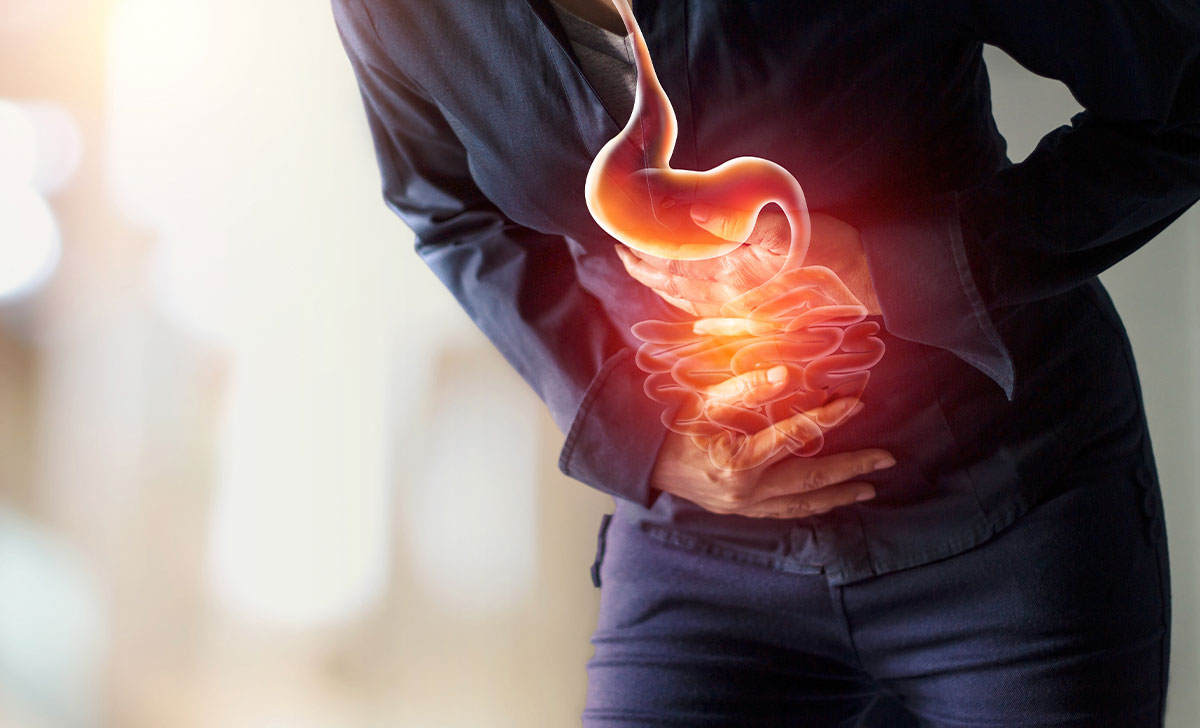
An ulcer is an open sore that develops when tissue lining is damaged and fails to heal properly. In the context of digestive health, ulcers usually refer to peptic ulcers, which form in areas exposed to stomach acid and digestive enzymes.
Peptic ulcers occur when there is an imbalance between aggressive factors (such as stomach acid) and protective factors (such as mucus and bicarbonate that protect the stomach lining). When protection weakens or acid becomes too strong, the lining begins to erode, leading to an ulcer.
Main Types of Peptic Ulcers
Gastric ulcers – These develop on the lining of the stomach.
Duodenal ulcers – These occur in the first section of the small intestine, called the duodenum.
Although less common, ulcers can also occur in the esophagus (esophageal ulcers) due to acid reflux or infections.
It is important to note that ulcers are not the same as simple indigestion or acid reflux, even though the symptoms may overlap.
Other Types of Ulcers in the Body
While this article mainly focuses on stomach and intestinal ulcers, ulcers can also occur elsewhere in the body, including:
Mouth ulcers – Painful sores inside the mouth, often caused by irritation, stress, or minor injuries
Venous ulcers – Usually found on the legs due to poor blood circulation
Diabetic foot ulcers – Occur in people with diabetes due to nerve damage and poor circulation
Pressure ulcers (bedsores) – Develop in people who remain in one position for long periods
These ulcers differ in causes and treatment, but the general principle remains the same: ulcers heal best when the underlying cause is treated.
Common Symptoms of Ulcers
Ulcer symptoms can vary widely. Some people experience intense discomfort, while others may have no noticeable symptoms at all until complications arise.
Common Symptoms Include:
Burning, aching, or gnawing pain in the upper abdomen
Pain that occurs between meals or during the night
Pain that temporarily improves after eating or taking antacids
Bloating or a feeling of fullness
Frequent burping
Nausea or vomiting
Reduced appetite
Unintentional weight loss
Warning Signs of Serious Complications
Some symptoms indicate a medical emergency and should never be ignored:
Vomiting blood or material that looks like coffee grounds
These symptoms may suggest internal bleeding, perforation, or obstruction.
What Causes Ulcers?
To properly answer the question Do ulcers heal on their own?, it is crucial to understand what causes them in the first place. Ulcers almost always develop due to an underlying factor that continues to damage the stomach or intestinal lining.
Helicobacter pylori (H. pylori) Infection
The most common cause of peptic ulcers worldwide is infection with Helicobacter pylori. This spiral-shaped bacterium lives in the stomach and can survive harsh acidic conditions.
pylori damages the protective mucus layer of the stomach and duodenum, allowing acid to irritate and inflame the tissue underneath. Over time, this leads to ulcer formation.
Many people carry H. pylori without symptoms, but the infection can quietly increase the risk of ulcers, chronic gastritis, and even stomach cancer.
Long-Term Use of NSAIDs
Nonsteroidal anti-inflammatory drugs (NSAIDs) are another major cause of ulcers. Common NSAIDs include:
Aspirin
Ibuprofen
Naproxen
Diclofenac
These medications interfere with the stomach’s ability to produce protective prostaglandins. As a result, the stomach lining becomes more vulnerable to acid damage.
Regular use, high doses, or combining NSAIDs with alcohol significantly increases ulcer risk.
Excessive Stomach Acid Production
Certain medical conditions can cause the stomach to produce excessive amounts of acid. One rare but serious condition is Zollinger–Ellison syndrome, which involves tumors that stimulate acid production.
Even without rare disorders, high acid levels can worsen existing ulcers and delay healing.
Smoking
Smoking is a major risk factor for ulcers. It:
Weakens the stomach’s protective lining
Increases acid production
Reduces blood flow to stomach tissues
Slows ulcer healing
Increases the risk of recurrence
Smokers are more likely to develop ulcers and complications compared to non-smokers.
Alcohol Consumption
Alcohol irritates and erodes the stomach lining. Heavy or frequent drinking increases the risk of ulcers and makes existing ulcers harder to heal.
Severe Physical Stress and Illness
Serious illnesses, major surgery, burns, or trauma can lead to stress-related ulcers, especially in hospitalized patients.
Do Ulcers Heal on Their Own?
Now we return to the central question: Do ulcers heal on their own?
The Short Answer
Some ulcers may appear to improve temporarily, but most ulcers do not fully heal on their own, especially without addressing the underlying cause.
Why Symptoms May Come and Go
Ulcer pain often fluctuates. There may be days or weeks when symptoms seem mild or disappear completely. This can give the false impression that the ulcer has healed.
In reality:
Acid levels may temporarily decrease
Dietary changes may reduce irritation
Stress reduction may ease symptoms
However, the ulcer itself may still be present.
The Underlying Cause Remains
If H. pylori infection or NSAID use continues, the stomach lining remains under constant attack. Without treatment, the ulcer is likely to persist, worsen, or recur.
Risk of Serious Complications
Relying on ulcers to heal on their own is risky. Untreated ulcers can lead to:
Chronic bleeding
Severe anemia
Perforation of the stomach or intestine
Life-threatening infections
Digestive tract obstruction
These complications can occur suddenly, even if symptoms seemed mild before.
How Long Does It Take for an Ulcer to Heal?
Healing time depends on several factors, including ulcer type, size, cause, and whether proper treatment is used.
With Proper Treatment:
Duodenal ulcers usually heal within 4–6 weeks
Gastric ulcers may take 6–8 weeks or longer
Without Treatment:
Ulcers may persist for months or years
Symptoms may recur frequently
Risk of complications increases significantly
This is why early diagnosis and treatment are strongly recommended.
Can Lifestyle Changes Help Ulcers Heal?
Lifestyle changes are an important part of ulcer management, but they are rarely enough on their own.
Helpful Lifestyle Changes Include:
Quitting smoking
Limiting or avoiding alcohol
Eating smaller, balanced meals
Avoiding foods that trigger symptoms
Managing stress through relaxation techniques
Avoiding NSAIDs unless prescribed
These changes help reduce irritation and support healing but usually need to be combined with medication.
Medical Treatment for Ulcers
Medical treatment is the most effective way to ensure ulcers heal properly.
Antibiotics
If H. pylori infection is present, doctors prescribe a combination of antibiotics to eliminate the bacteria.
Proton Pump Inhibitors (PPIs)
PPIs reduce stomach acid production, allowing the ulcer to heal. They are commonly used for several weeks.
H2 Receptor Blockers
These medications reduce acid levels and help relieve pain.
Protective Medications
Some drugs form a protective coating over the ulcer, shielding it from acid.
Completing the full course of treatment is essential to prevent recurrence.
What Happens If an Ulcer Is Left Untreated?
Untreated ulcers can lead to serious, sometimes life-threatening complications:
Chronic internal bleeding
Sudden massive bleeding
Perforation of the stomach or intestine
Infections in the abdominal cavity
Obstruction due to swelling or scarring
Increased risk of stomach cancer
These risks highlight why ulcers should never be ignored.
Can Diet Heal Ulcers on Its Own?
Diet plays a supportive role but cannot cure ulcers on its own.
Foods That May Support Healing:
Fruits and vegetables rich in fiber
Whole grains
Lean proteins
Probiotic-rich foods
Foods to Limit or Avoid:
Spicy foods
Fried or fatty foods
Caffeine
Carbonated drinks
Alcohol
Dietary changes help reduce irritation but should complement medical treatment.
Are Natural Remedies Enough to Heal Ulcers?
Natural remedies may help soothe symptoms, but evidence is limited.
Early diagnosis improves outcomes and reduces complications.
Frequently Asked Questions
Do ulcers heal on their own without medication?
Some may improve temporarily, but most ulcers require treatment to heal fully.
Can stress alone cause ulcers?
Stress can worsen symptoms but is rarely the only cause.
Are ulcers contagious?
Ulcers are not contagious, but H. pylori infection can spread.
Final Thoughts: Do Ulcers Heal on Their Own?
So, do ulcers heal on their own? While mild ulcers may appear to improve temporarily, most ulcers do not heal completely without proper treatment. Ignoring symptoms or relying on natural healing can lead to serious complications.
The best approach is early diagnosis, appropriate medical treatment, and healthy lifestyle choices. If you suspect an ulcer, consult a healthcare professional for proper evaluation and care.
This article is for informational purposes only and does not replace professional medical advice.
A graduate of Computer Science and Information Management Technology. Diploma – Caregiving, Certificates – Dementia and Diabetes Awareness and Management. A researcher, blogger, songwriter, singer and acoustic guitarist. Born in an environment where natural talents such as healing are imparted at our natural birth. This natural talents of healing is the result of our genetic inheritance and the training from family environment.
We use cookies on our website to give you the most relevant experience by remembering your preferences and repeat visits. By clicking “Accept All”, you consent to the use of ALL the cookies. However, you may visit "Cookie Settings" to provide a controlled consent.
This website uses cookies to improve your experience while you navigate through the website. Out of these, the cookies that are categorized as necessary are stored on your browser as they are essential for the working of basic functionalities of the website. We also use third-party cookies that help us analyze and understand how you use this website. These cookies will be stored in your browser only with your consent. You also have the option to opt-out of these cookies. But opting out of some of these cookies may affect your browsing experience.
Necessary cookies are absolutely essential for the website to function properly. These cookies ensure basic functionalities and security features of the website, anonymously.
Cookie
Duration
Description
cookielawinfo-checkbox-analytics
11 months
This cookie is set by GDPR Cookie Consent plugin. The cookie is used to store the user consent for the cookies in the category "Analytics".
cookielawinfo-checkbox-functional
11 months
The cookie is set by GDPR cookie consent to record the user consent for the cookies in the category "Functional".
cookielawinfo-checkbox-necessary
11 months
This cookie is set by GDPR Cookie Consent plugin. The cookies is used to store the user consent for the cookies in the category "Necessary".
cookielawinfo-checkbox-others
11 months
This cookie is set by GDPR Cookie Consent plugin. The cookie is used to store the user consent for the cookies in the category "Other.
cookielawinfo-checkbox-performance
11 months
This cookie is set by GDPR Cookie Consent plugin. The cookie is used to store the user consent for the cookies in the category "Performance".
viewed_cookie_policy
11 months
The cookie is set by the GDPR Cookie Consent plugin and is used to store whether or not user has consented to the use of cookies. It does not store any personal data.
Functional cookies help to perform certain functionalities like sharing the content of the website on social media platforms, collect feedbacks, and other third-party features.
Performance cookies are used to understand and analyze the key performance indexes of the website which helps in delivering a better user experience for the visitors.
Analytical cookies are used to understand how visitors interact with the website. These cookies help provide information on metrics the number of visitors, bounce rate, traffic source, etc.
Advertisement cookies are used to provide visitors with relevant ads and marketing campaigns. These cookies track visitors across websites and collect information to provide customized ads.