GLP-1 Drugs May Cut Heart and Stroke Risk in Diabetics
GLP-1 Drugs May Cut Heart and Stroke Risk in Diabetics
Researchers have found that GLP-1 drugs, such as Ozempic and Mounjaro, which are often prescribed for weight loss, appear to be more effective in lowering heart disease risks among people with type 2 diabetes than many other glucose-lowering medications.
Experts explain that these medications work on multiple levels — they not only help regulate blood sugar but also support weight loss, lower blood pressure, and improve overall cardiovascular health. This combination of benefits makes them particularly valuable for people with diabetes, who are at a higher risk of heart disease and stroke.
However, specialists emphasize that medication alone isn’t enough. To get the best results, individuals using GLP-1 drugs should continue to follow a balanced diet, stay physically active, and maintain healthy lifestyle habits that further protect the heart and improve long-term well-being.
A new study has revealed that GLP-1 medications commonly used for weight loss, such as Ozempic and Mounjaro, may play a crucial role in reducing cardiovascular risks among individuals with type 2 diabetes.
Published on October 15 in JAMA Network Open, the study found that GLP-1 receptor agonist (GLP-1RA) drugs were significantly more effective at lowering the risk of serious heart-related conditions compared to three other classes of glucose-lowering medications.
Dr. Rita Kalyani, Chief Scientific and Medical Officer at the American Diabetes Association (ADA) — who was not part of the research team — emphasized the importance of the findings.
“People with diabetes are nearly twice as likely to die from heart disease or stroke compared to those without diabetes,” Kalyani explained in an interview with Healthline. “Type 2 diabetes is often accompanied by obesity, high blood pressure, and elevated cholesterol levels, which heighten the risk of cardiovascular complications. Preventing these issues is therefore essential for people living with diabetes.”
The researchers examined three key cardiovascular outcomes — nonfatal heart attack (myocardial infarction), nonfatal stroke, and cardiovascular death — and found that those taking GLP-1 drugs experienced a marked reduction in all three risks compared to those using other diabetes treatments.
Comparing Diabetes Medications and GLP-1 Drugs
In this large-scale study, researchers analyzed data from over 240,000 adults with type 2 diabetes who received care across six major U.S. healthcare systems. The average age of participants was 57 years, and about 54% were men.
Between 2014 and 2021, these individuals were prescribed one of four main classes of glucose-lowering medications. Here’s a breakdown of each group studied:
Sulfonylureas — Among the oldest diabetes medications, first introduced in the 1950s, these oral drugs help stimulate the pancreas to release more insulin. Common brand names include Glucotrol and Diabeta.
Dipeptidyl Peptidase-4 Inhibitors (DPP-4s) — These oral medications work by increasing the body’s levels of incretin hormones, which boost insulin production and lower blood sugar. Examples include Januvia and Nesina.
Sodium-Glucose Cotransporter-2 Inhibitors (SGLT2s) — Another group of oral drugs, SGLT2 inhibitors prevent the kidneys from reabsorbing glucose, allowing excess sugar to be excreted in the urine. Popular options include Invokana and Jardiance.
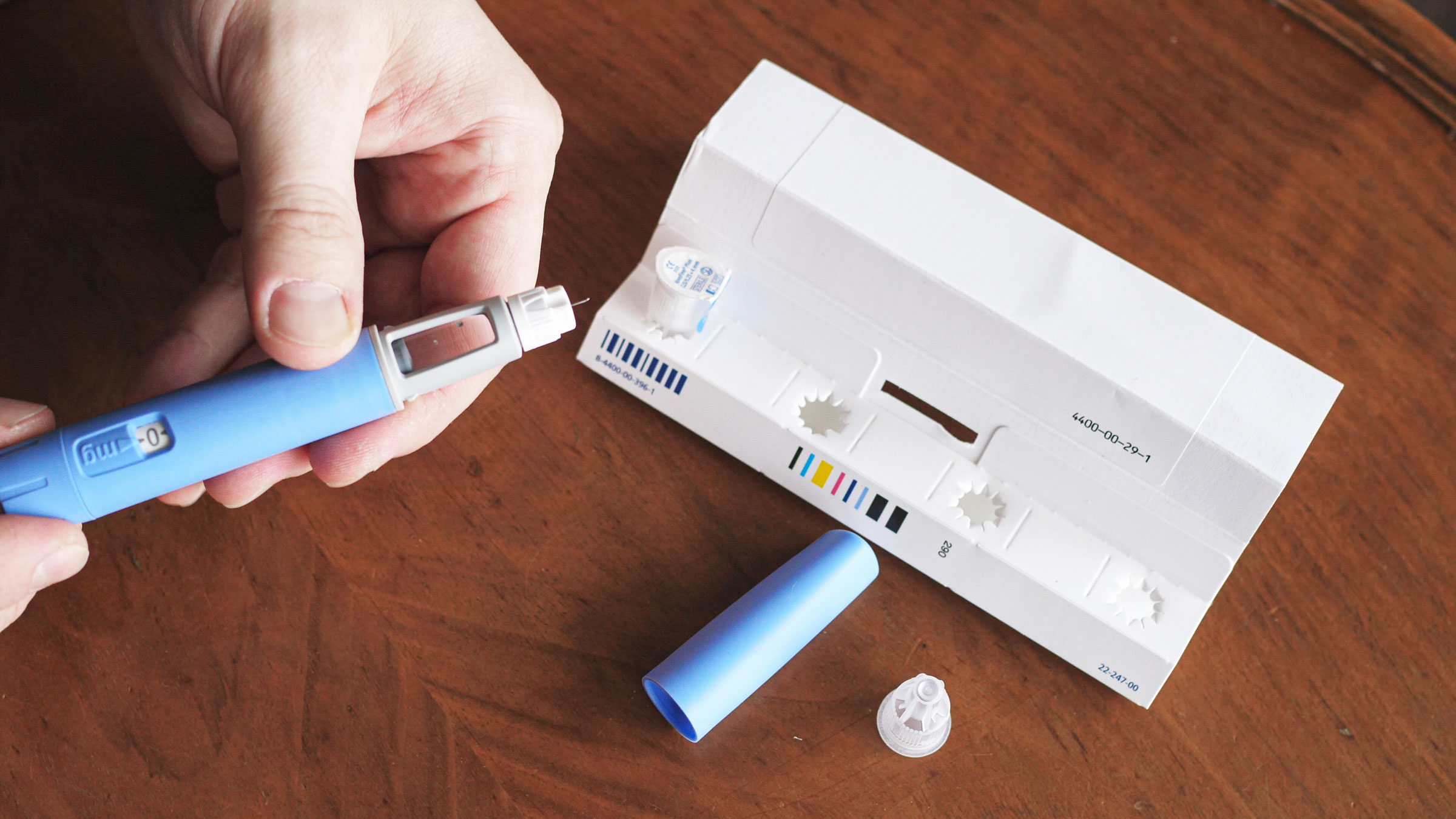
Glucagon-Like Peptide-1 Receptor Agonists (GLP-1RAs) — These are injectable medications designed to manage type 2 diabetes and promote weight loss. They mimic the GLP-1 hormone, which helps regulate appetite, slow digestion, and improve insulin response. Examples include Ozempic and Wegovy (which contain semaglutide) as well as Mounjaro and Zepbound (which contain tirzepatide).
Notably, Metformin, the most commonly prescribed oral diabetes drug known for its effectiveness in lowering blood sugar, was not included in this study’s analysis.
By comparing these four medication types, researchers were able to identify which class offered the strongest protection against heart attacks, strokes, and cardiovascular deaths — with GLP-1 drugs emerging as the most beneficial for heart health among people with type 2 diabetes.
Weight Loss Drugs Strengthen Heart Health
The study’s authors pointed out that major cardiovascular events—such as heart attacks and strokes—remain the leading cause of death among adults with type 2 diabetes. Their primary goal was to identify which glucose-lowering medications most effectively reduce these life-threatening risks.
According to the findings, the risk of cardiovascular complications varied significantly across different drug classes. The greatest protection was seen with long-term use of GLP-1 receptor agonists (GLP-1RAs), followed by SGLT2 inhibitors, sulfonylureas, and DPP-4 inhibitors.
Dr. Cheng-Han Chen, an interventional cardiologist and medical director of the Structural Heart Program at Saddleback Medical Center in California, said the research further validates the powerful effects of GLP-1 drugs on heart health.
“These results add to our growing understanding of how this class of medications benefits the treatment of cardiometabolic conditions and cardiovascular disease,” Chen told Healthline.
Dr. Marilyn Tan, a clinical professor of medicine at Stanford University, shared similar views. She explained that a growing number of studies continue to demonstrate the broad cardiovascular and metabolic benefits of GLP-1RA drugs.
“While each study differs slightly in design and participant demographics, the evidence consistently shows that these newer medications improve glucose control, reduce cardiovascular risk, and even protect kidney function,” Tan noted.
Dr. Mir Ali, a bariatric surgeon and medical director of the MemorialCare Surgical Weight Loss Center at Orange Coast Medical Center, added that some patients benefit more than others.
“The key takeaway is that, for the right patient, GLP-1RAs can offer the most effective treatment for reducing cardiovascular risk,” Ali said. “The benefits appear strongest among adults over 65 and those with multiple health conditions.”
Overall, the research highlights how weight loss medications like Ozempic and Mounjaro may not only help control diabetes but also protect the heart, offering a major advantage in managing the long-term health of people living with type 2 diabetes.
How GLP-1RAs Improve Heart Health
Experts believe that the heart-protective benefits of GLP-1 receptor agonists (GLP-1RAs) come from their ability to act on multiple systems in the body simultaneously. These medications don’t just help manage blood sugar — they also promote weight loss, support healthy blood pressure, and improve cholesterol levels, all of which are key to maintaining cardiovascular health.
Dr. Katherine DiPalo, PharmD, an associate professor of medicine at the Albert Einstein College of Medicine in New York, explained that GLP-1RAs mimic a natural hormone in the body that regulates both blood sugar and appetite.
“GLP-1RAs work by mimicking a natural hormone that regulates blood sugar and appetite, leading to weight loss, improved glucose control, and better blood pressure and cholesterol levels,” DiPalo told Healthline.
She added that the benefits may extend beyond metabolic control.
“These medications may also have direct protective effects on blood vessels and the heart. Newer drugs, such as tirzepatide, combine GLP-1 and GIP receptor activity, leading to even greater weight loss and metabolic improvements,” said DiPalo, who co-authored an American Heart Association (AHA) statement on cardiovascular risk in adults with type 2 diabetes.
Dr. Marilyn Tan, a clinical professor of medicine at Stanford University, further noted that GLP-1 receptors exist throughout the body, including in the heart.
“The benefit of GLP-1 agonists seems to be multifactorial — they directly affect the GLP-1 receptors, improve glucose control, and, importantly, promote weight loss,” Tan explained.
She added that growing evidence shows GLP-1RA drugs can also reduce cardiovascular risks in people with obesity who don’t have diabetes, suggesting their benefits extend beyond blood sugar regulation.
However, experts caution that GLP-1RA medications are not without risks.
“Tolerability issues such as gastrointestinal side effects, excessive weight loss, potential muscle loss, and the high cost of these drugs remain major concerns,” Tan said.
Dr. Mir Ali, a bariatric surgeon at the MemorialCare Surgical Weight Loss Center, echoed this sentiment.
“Like all medications, GLP-1RAs can cause side effects,” he explained. “Most commonly, patients experience nausea, diarrhea, or constipation, but in some cases, more serious effects such as inflammation of the pancreas or gallbladder can occur. People with certain hereditary forms of thyroid cancer should also avoid these medications.”
In summary, GLP-1RAs improve heart health through a combination of metabolic regulation, weight management, and direct cardiovascular protection. Yet, while the benefits are significant, careful medical supervision is essential to minimize potential side effects and ensure these powerful medications are used safely and effectively.
Health Risks of Type 2 Diabetes
According to the Centers for Disease Control and Prevention (CDC), about 38 million Americans are currently living with diabetes — and over 90% of them have type 2 diabetes, the more common form of the disease. The rest live with type 1 diabetes, an autoimmune condition.
While type 2 diabetes is most often diagnosed in adults aged 45 and older, the CDC notes that cases are increasing among children, teenagers, and young adults. The condition also disproportionately affects Black, Hispanic, American Indian, Pacific Islander, and Asian American communities.
Type 2 diabetes develops when the body becomes resistant to insulin or cannot use it effectively, leading to elevated blood sugar levels. Over time, this imbalance can cause widespread damage throughout the body.
Common Risk Factors
Obesity or excess body weight
Physical inactivity
High blood pressure
High cholesterol levels
Elevated triglycerides
If left untreated or poorly managed, type 2 diabetes can lead to serious, long-term health complications, including:
Heart disease and stroke
Kidney disease (diabetic nephropathy)
Nerve damage (neuropathy)
Eye problems such as retinopathy and vision loss
Hearing impairment
Increased risk of infections and slow wound healing
Dr. Mir Ali, a bariatric surgeon and medical director at the MemorialCare Surgical Weight Loss Center, emphasized the importance of early and consistent treatment.
“The goal of diabetes treatment is to keep blood glucose within a healthy range,” Ali explained. “While medications play a crucial role, a healthy diet and lifestyle are just as important. If patients rely on medication alone but continue unhealthy habits, their diabetes will likely worsen, along with its complications.”
In short, effective diabetes management requires a balance of medication, nutrition, exercise, and regular medical monitoring — all of which help prevent the severe cardiovascular and organ-related risks associated with this chronic condition.
Tips to Maintain Good Heart Health
The American Heart Association (AHA) recommends following a set of eight key lifestyle habits, known as “Life’s Essential 8,” to promote stronger heart health and overall well-being. These principles are especially important for people living with type 2 diabetes, who face a higher risk of heart disease and stroke.
Life’s Essential 8
Eat Better – Focus on a balanced diet rich in fruits, vegetables, whole grains, lean proteins, and healthy fats while limiting foods high in sugar, salt, and saturated fat.
Be More Active – Aim for at least 150 minutes of moderate exercise or 75 minutes of vigorous activity each week to keep your heart strong.
Quit Tobacco – Avoid smoking or using tobacco products, as they can damage blood vessels and increase cardiovascular risk.
Get Healthy Sleep – Strive for 7 to 9 hours of quality sleep each night to support both heart and metabolic health.
Manage Weight – Maintain a healthy body weight through consistent diet and physical activity.
Control Cholesterol – Keep cholesterol levels in check to prevent plaque buildup in arteries.
Manage Blood Sugar – Monitor and control blood glucose levels to prevent diabetes-related heart complications.
Manage Blood Pressure – Regularly check your blood pressure and work with your healthcare provider to keep it within a healthy range.
Experts emphasize that combining these habits can significantly reduce the risk of heart disease and improve overall health outcomes for people with diabetes.
Dr. Cheng-Han Chen, an interventional cardiologist, explained the importance of a holistic approach:
“People with type 2 diabetes should maintain good health by eating a balanced diet low in saturated fat and refined carbohydrates, engaging in regular physical activity, avoiding tobacco and alcohol, attending regular medical check-ups, getting adequate sleep, and managing blood pressure, cholesterol, and stress levels,” Chen said.
Dr. Marilyn Tan, a clinical professor of medicine at Stanford University, echoed this advice, highlighting the importance of combining medication with lifestyle changes.
“Treatment must go hand-in-hand with other lifestyle modifications, including regular exercise, breaking up long periods of sitting, improving sleep, managing stress, and avoiding excess sugar and carbohydrates,” Tan explained.
Ultimately, heart health and diabetes management go together. By maintaining these habits, individuals can not only lower their cardiovascular risk but also enhance their energy, mood, and overall quality of life.
A graduate of Computer Science and Information Management Technology. Diploma – Caregiving, Certificates – Dementia and Diabetes Awareness and Management. A researcher, blogger, songwriter, singer and acoustic guitarist. Born in an environment where natural talents such as healing are imparted at our natural birth. This natural talents of healing is the result of our genetic inheritance and the training from family environment.
We use cookies on our website to give you the most relevant experience by remembering your preferences and repeat visits. By clicking “Accept All”, you consent to the use of ALL the cookies. However, you may visit "Cookie Settings" to provide a controlled consent.
This website uses cookies to improve your experience while you navigate through the website. Out of these, the cookies that are categorized as necessary are stored on your browser as they are essential for the working of basic functionalities of the website. We also use third-party cookies that help us analyze and understand how you use this website. These cookies will be stored in your browser only with your consent. You also have the option to opt-out of these cookies. But opting out of some of these cookies may affect your browsing experience.
Necessary cookies are absolutely essential for the website to function properly. These cookies ensure basic functionalities and security features of the website, anonymously.
Cookie
Duration
Description
cookielawinfo-checkbox-analytics
11 months
This cookie is set by GDPR Cookie Consent plugin. The cookie is used to store the user consent for the cookies in the category "Analytics".
cookielawinfo-checkbox-functional
11 months
The cookie is set by GDPR cookie consent to record the user consent for the cookies in the category "Functional".
cookielawinfo-checkbox-necessary
11 months
This cookie is set by GDPR Cookie Consent plugin. The cookies is used to store the user consent for the cookies in the category "Necessary".
cookielawinfo-checkbox-others
11 months
This cookie is set by GDPR Cookie Consent plugin. The cookie is used to store the user consent for the cookies in the category "Other.
cookielawinfo-checkbox-performance
11 months
This cookie is set by GDPR Cookie Consent plugin. The cookie is used to store the user consent for the cookies in the category "Performance".
viewed_cookie_policy
11 months
The cookie is set by the GDPR Cookie Consent plugin and is used to store whether or not user has consented to the use of cookies. It does not store any personal data.
Functional cookies help to perform certain functionalities like sharing the content of the website on social media platforms, collect feedbacks, and other third-party features.
Performance cookies are used to understand and analyze the key performance indexes of the website which helps in delivering a better user experience for the visitors.
Analytical cookies are used to understand how visitors interact with the website. These cookies help provide information on metrics the number of visitors, bounce rate, traffic source, etc.
Advertisement cookies are used to provide visitors with relevant ads and marketing campaigns. These cookies track visitors across websites and collect information to provide customized ads.