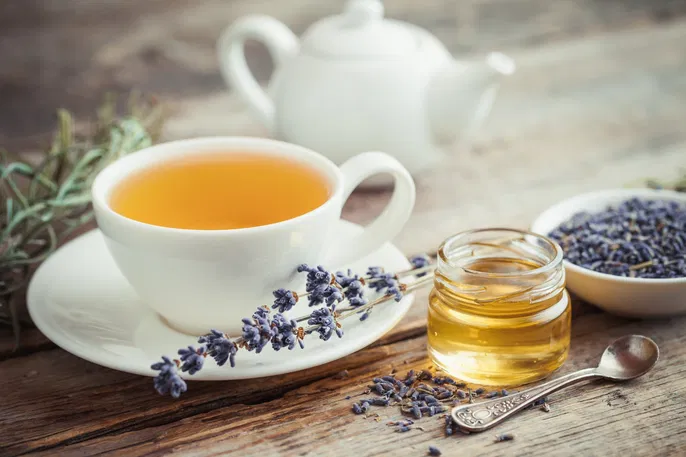
Health benefits of lavender tea are quite enormous in that lavender tea is a soothing herbal drink that offers a variety of health benefits for both the body and mind. Known for its calming scent and healing properties, lavender tea can be especially helpful for people dealing with stress, anxiety, headaches, or trouble sleeping. Drinking lavender tea regularly may help you feel more relaxed and well-rested.
One of the main health benefits of lavender tea is its ability to reduce anxiety. Lavender has natural calming effects that work on the nervous system to help lower stress levels and promote a sense of peace.
Many people drink lavender tea in the evening to unwind after a busy day or before bed to help them fall asleep more easily. This makes it an excellent natural option for those struggling with insomnia or restlessness at night.
Lavender tea is also known to help relieve headaches and migraines. Thanks to its pain-relieving and anti-inflammatory properties, it can ease the pressure and discomfort that often come with tension headaches. Women may also find that lavender tea helps to soothe menstrual cramps. Its relaxing qualities work on the muscles, helping to reduce cramping and discomfort during menstruation.
Another important health benefit of lavender tea is its positive effect on digestion. This herbal tea contains a compound called linalool, a natural essential oil that supports healthy digestion. Linalool has carminative and digestive properties, which means it can reduce bloating, gas, and stomach discomfort.
If you often feel heavy or uncomfortable after eating, sipping a warm cup of lavender tea may help your digestive system feel more at ease.
Lavender tea is also known to strengthen the immune system. The tea’s natural antioxidants and anti-inflammatory compounds help your body fight off harmful bacteria and viruses. Drinking it regularly can support your body’s natural defenses and keep you feeling healthy year-round.
You can prepare lavender tea using either fresh or dried lavender flowers, or you can buy it in tea bag form. Both are widely available in grocery stores, farmer’s markets, or natural health stores. To make a basic cup of lavender tea, simply add one to two teaspoons of dried lavender flowers to a cup of hot water.
Let it steep for about 5 to 10 minutes, strain, and enjoy. You can also sweeten it with honey or mix it with other herbs like chamomile or lemon balm for added benefits.
Health Benefits of Lavender Tea: Details
Lavender tea is more than just a calming bedtime drink—it also offers several health benefits that can improve both your mental and physical well-being.
Thanks to its natural healing compounds, drinking lavender tea regularly may help reduce anxiety, treat headaches, improve digestion, and more. Below are some of the most well-known health benefits of lavender tea:
One of the most popular health benefits of lavender tea is its calming effect on the mind and body. Lavender contains powerful natural compounds like coumarin, linalool, β-ocimene, and eucalyptol. These bioactive ingredients have been shown to help calm the nervous system, relieve stress, and reduce feelings of anxiety.
When you drink lavender tea, these compounds interact with the brain to promote relaxation and emotional balance. If you’re feeling overwhelmed or anxious, a warm cup of lavender tea can help ease tension, lift your mood, and promote a sense of calm. It’s a natural, gentle way to unwind—especially helpful before bedtime or during high-stress periods.
💡 Tip: Lavender tea can be combined with other calming herbs like chamomile or lemon balm for an even stronger anti-anxiety effect. You can also explore other teas known to help with anxiety and mood.
Relieves Headaches and Migraines
Another key health benefit of lavender tea is its ability to naturally relieve headaches. This herbal tea contains compounds such as linalool and β-ocimene, which have soothing, anti-inflammatory, and pain-relieving (analgesic) properties.
Drinking lavender tea can help ease tension in the head and neck, making it especially helpful for people who suffer from migraines, stress headaches, or sinus pressure. It may also help with other symptoms that often come with headaches, such as nausea, vomiting, and sensitivity to light or sound.
Because lavender tea is gentle and free from the harsh side effects of synthetic medications, it’s a great option for people looking for a more natural way to manage recurring headaches.
🕒 Best time to drink: At the first sign of a headache or as a daily wellness ritual to prevent tension buildup.
While lavender tea can help ease migraine symptoms like pain or nausea, it shouldn’t be used to prevent migraines, as in some cases, it may actually trigger a migraine attack instead.
Improve Sleep Quality
One of the most well-known health benefits of lavender tea is its ability to improve sleep quality. Lavender tea has mild sedative, calming, and anti-anxiety properties, which can help relax the mind and body before bedtime. This makes it particularly helpful for people who struggle with insomnia, restlessness, or difficulty falling asleep.
The active compounds found in lavender—such as linalool and linalyl acetate—help reduce nervous system activity, promoting a sense of peace and drowsiness. By calming your thoughts and slowing down your body’s stress response, this tea may help you drift off more easily and enjoy a deeper, more restorative sleep.
To benefit from these effects, it’s best to drink one cup of lavender tea about 30 minutes before bed. You can pair this habit with other sleep-friendly routines such as dimming the lights, avoiding screens, or doing light stretches. Altogether, these steps can create an ideal nighttime ritual that supports better sleep naturally.
If you deal with frequent sleep disruptions or long-term insomnia, consider exploring other natural sleep aids that complement the health benefits of lavender tea.
Relieve Period Cramps
Lavender tea can also be helpful during menstruation. One of the lesser-known health benefits of lavender tea is its ability to ease menstrual cramps and reduce abdominal pain. This is thanks to essential oils like linalool and β-ocimene, which have analgesic (pain-relieving) and muscle-relaxing properties.
These natural compounds help relax the uterine muscles, reducing the intensity of cramping. In addition, lavender’s calming effect can lower irritability and stress levels, which often worsen during menstruation.
To relieve period discomfort, drinking lavender tea two to three times daily during your cycle may provide soothing relief. The warm tea can also help improve blood flow and reduce bloating, making your period days a little more manageable.
Improve Digestion
Among the many health benefits of lavender tea, supporting digestive health is another great reason to add this herbal tea to your routine. Lavender contains linalool, a key compound with carminative, tonic, and digestive actions that help ease common digestive issues.
This tea may help reduce bloating, gas, and stomach discomfort by relaxing the intestinal muscles and promoting smoother digestion. It can also be useful after a heavy meal, especially if you’re feeling full, sluggish, or dealing with indigestion.
Regularly drinking lavender tea, especially after meals, can promote a more balanced digestive process. For people who experience stress-related stomach problems, this tea offers a double benefit: calming the gut and the mind at the same time.
Boost Immunity
Another valuable health benefit of lavender tea is its ability to support a stronger immune system. This herbal tea contains natural compounds like eucalyptol, linalool, and β-ocimene, which have powerful anti-inflammatory and antimicrobial effects. These help your body fight off harmful bacteria and viruses more effectively.
By enhancing the activity of your immune cells, lavender tea may help your body defend itself better against common illnesses such as the flu, cold, and seasonal allergies. Drinking it regularly—especially during flu season or when you’re feeling run-down—may give your body the extra support it needs to recover faster and stay healthy.
Can Lavender Tea Help You Lose Weight?
While lavender tea isn’t a magic weight loss solution, it can still support weight management in some helpful ways. One of the indirect health benefits of lavender tea is its calming effect on the nervous system. Because it helps to reduce stress and anxiety, it may also prevent emotional or binge eating, which is often triggered by stress or mood swings.
By calming your mind and promoting emotional balance, lavender tea can help you stay more in control of your eating habits. This can be especially useful if you’re someone who tends to snack excessively when feeling overwhelmed or anxious.
However, it’s important to remember that weight loss requires more than just tea. To truly lose weight in a healthy way, you’ll still need to maintain a balanced diet, drink plenty of water, get regular exercise, and sleep well. Lavender tea is best used as a supportive tool within a well-rounded healthy lifestyle—not as a replacement for good habits.
How to Make Lavender Tea
Lavender tea is easy to prepare at home using either fresh or dried lavender flowers. This calming tea can be enjoyed during the day or as part of your bedtime routine to help you relax and unwind.
Ingredients:
1 teaspoon of dried lavender flowers (or a few fresh flowers)
1 teacup of water (approximately 250 mL)
Preparation:
Bring the water to a boil in a pot or kettle.
Once boiled, remove from heat and add the lavender flowers.
Cover the pot and allow the tea to steep for about 5 minutes.
Strain the tea into a cup and drink it warm.
You can enjoy up to 3 cups of lavender tea per day, preferably after meals or before bedtime to support relaxation and sleep.
Possible Side Effects
Although lavender tea is generally safe when consumed in moderation, excessive intake or sensitivity to lavender may lead to some side effects, such as:
Blood in the urine (rare and in cases of excessive consumption)
If you experience any of these symptoms, it’s best to stop drinking the tea and consult a healthcare professional—especially if symptoms are severe or persistent.
Contraindications and Caution
Lavender tea is not suitable for everyone. You should avoid drinking lavender tea if you:
Are under 12 years of age
Have gastritis or gastric ulcers
Are pregnant or breastfeeding
Also, because of its sedative properties, lavender tea should not be taken alongside:
Anxiety or sleep medications (e.g., benzodiazepines)
Avoid driving or operating heavy machinery after drinking lavender tea, especially if it makes you feel drowsy. Always start with a small amount to see how your body reacts, and if you are taking medication or managing a health condition, talk to your doctor before making lavender tea a regular part of your wellness routine.
A graduate of Computer Science and Information Management Technology. Diploma – Caregiving, Certificates – Dementia and Diabetes Awareness and Management. A researcher, blogger, songwriter, singer and acoustic guitarist. Born in an environment where natural talents such as healing are imparted at our natural birth. This natural talents of healing is the result of our genetic inheritance and the training from family environment.
We use cookies on our website to give you the most relevant experience by remembering your preferences and repeat visits. By clicking “Accept All”, you consent to the use of ALL the cookies. However, you may visit "Cookie Settings" to provide a controlled consent.
This website uses cookies to improve your experience while you navigate through the website. Out of these, the cookies that are categorized as necessary are stored on your browser as they are essential for the working of basic functionalities of the website. We also use third-party cookies that help us analyze and understand how you use this website. These cookies will be stored in your browser only with your consent. You also have the option to opt-out of these cookies. But opting out of some of these cookies may affect your browsing experience.
Necessary cookies are absolutely essential for the website to function properly. These cookies ensure basic functionalities and security features of the website, anonymously.
Cookie
Duration
Description
cookielawinfo-checkbox-analytics
11 months
This cookie is set by GDPR Cookie Consent plugin. The cookie is used to store the user consent for the cookies in the category "Analytics".
cookielawinfo-checkbox-functional
11 months
The cookie is set by GDPR cookie consent to record the user consent for the cookies in the category "Functional".
cookielawinfo-checkbox-necessary
11 months
This cookie is set by GDPR Cookie Consent plugin. The cookies is used to store the user consent for the cookies in the category "Necessary".
cookielawinfo-checkbox-others
11 months
This cookie is set by GDPR Cookie Consent plugin. The cookie is used to store the user consent for the cookies in the category "Other.
cookielawinfo-checkbox-performance
11 months
This cookie is set by GDPR Cookie Consent plugin. The cookie is used to store the user consent for the cookies in the category "Performance".
viewed_cookie_policy
11 months
The cookie is set by the GDPR Cookie Consent plugin and is used to store whether or not user has consented to the use of cookies. It does not store any personal data.
Functional cookies help to perform certain functionalities like sharing the content of the website on social media platforms, collect feedbacks, and other third-party features.
Performance cookies are used to understand and analyze the key performance indexes of the website which helps in delivering a better user experience for the visitors.
Analytical cookies are used to understand how visitors interact with the website. These cookies help provide information on metrics the number of visitors, bounce rate, traffic source, etc.
Advertisement cookies are used to provide visitors with relevant ads and marketing campaigns. These cookies track visitors across websites and collect information to provide customized ads.