Health Benefits of St. John’s Wort: Uses, Risks, and Science
Learn the health benefits of St. John’s wort, a powerful herbal remedy that may help with depression, anxiety, PMS symptoms, sleep, and emotional balance.
The health benefits of St. John’s wort have been recognized for centuries in traditional herbal medicine. This bright yellow flowering herb has been used in Europe and other parts of the world as a natural remedy for mood disorders, anxiety, and various physical ailments.
Today, modern research continues to explore how this herbal supplement may support mental health, emotional balance, and overall well-being.
Known scientifically as Hypericum perforatum, St. John’s wort is widely available in teas, capsules, tinctures, and oils. Many people turn to this herbal remedy as a natural alternative for managing mild depression and improving emotional stability.
In this article, we will explore the health benefits of St. John’s wort, how it works, its potential uses, and important precautions you should know before using it.
What Is St. John’s Wort?
St. John’s wort is a medicinal plant that has been used for over 2,000 years. Ancient Greek physicians recommended it for various health problems, including nerve pain, wounds, and mood disturbances.
The plant contains several active compounds such as:
Hypericin
Hyperforin
Flavonoids
Tannins
These compounds contribute to the health benefits of St. John’s wort, especially its ability to support brain chemistry and emotional health.
The herb is commonly used in herbal medicine to promote relaxation, improve mood, and support the nervous system.
Nutritional and Medicinal Compounds in St. John’s Wort
Understanding the chemical makeup of this herb helps explain the health benefits of St. John’s wort.
Some key bioactive compounds include:
Hypericin
Hypericin is one of the most studied components of the herb. It is believed to influence neurotransmitters in the brain that regulate mood.
Hyperforin
Hyperforin plays a major role in the herb’s antidepressant effects. It may help regulate serotonin, dopamine, and norepinephrine.
Flavonoids
These powerful antioxidants help protect the body from oxidative stress and inflammation.
Tannins
Tannins contribute to the herb’s anti-inflammatory and antimicrobial properties.
Because of these compounds, many herbal practitioners highlight the health benefits of St. John’s wort as a natural support for mental health and emotional balance.
Herb of the month: St John’s Wort for Happiness – Eclectic Herb
Top Health Benefits of St. John’s Wort
May Help Reduce Symptoms of Depression
One of the most well-known health benefits of St. John’s wort is its potential to help manage mild to moderate depression.
Several studies suggest that the herb may work similarly to certain antidepressant medications by increasing the availability of serotonin in the brain.
Serotonin is a neurotransmitter responsible for regulating:
Mood
Sleep
Appetite
Emotional stability
By supporting serotonin levels, St. John’s wort may help improve mood and reduce feelings of sadness.
However, it is typically recommended only for mild or moderate depression, not severe cases.
Helps Reduce Anxiety and Stress
Another important aspect of the health benefits of St. John’s wort is its ability to promote calmness and reduce anxiety.
People experiencing chronic stress often have imbalances in brain chemicals. The compounds in St. John’s wort may help stabilize these chemicals and support relaxation.
Regular use may help:
Reduce nervous tension
Promote emotional balance
Improve resilience to stress
This makes the herb a popular natural remedy for individuals dealing with anxiety-related symptoms.
Supports Better Sleep
Poor sleep often goes hand in hand with anxiety and depression.
One of the lesser-known health benefits of St. John’s wort is its ability to support better sleep patterns.
By helping regulate mood and reducing stress levels, the herb may indirectly improve sleep quality.
People who use St. John’s wort sometimes report:
Falling asleep more easily
Experiencing deeper sleep
Waking up feeling more refreshed
May Help Relieve Symptoms of PMS
Hormonal changes during the menstrual cycle can cause mood swings, irritability, and emotional discomfort.
Some studies suggest that the health benefits of St. John’s wort may include relief from symptoms associated with Premenstrual Syndrome (PMS).
The herb may help reduce:
Irritability
Mood swings
Anxiety
Emotional sensitivity
Because it supports serotonin balance, it may help stabilize mood during hormonal fluctuations.
May Support Skin Healing
Another traditional use linked to the health benefits of St. John’s wort involves skin health.
St. John’s wort oil has been used historically to treat:
Minor wounds
Burns
Bruises
Inflammation
Its anti-inflammatory and antibacterial properties may help speed up the healing process and reduce irritation.
May Help Reduce Menopause Symptoms
Many women experience emotional and physical symptoms during menopause.
Some herbal practitioners believe the health benefits of St. John’s wort may include relief from:
Mood swings
Irritability
Emotional instability
Sleep disturbances
In some cases, the herb is combined with other natural remedies to support hormonal balance.
May Help Improve Nerve Pain
Historically, herbalists used St. John’s wort to help manage nerve-related pain.
The anti-inflammatory properties of the herb may help reduce discomfort associated with nerve irritation.
For this reason, the health benefits of St. John’s wort may extend to people experiencing certain types of nerve pain.
How to Use St. John’s Wort
St. John’s wort can be consumed in several forms.
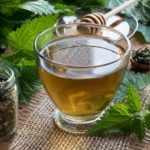
Tea
Herbal tea made from the dried plant is a gentle way to experience the health benefits of St. John’s wort.
Capsules or Tablets
These are among the most common forms used for mood support.
Tinctures
Liquid extracts allow for quick absorption into the bloodstream.
Herbal Oil
St. John’s wort oil is commonly used for skin conditions and topical applications.
Possible Side Effects and Precautions
Although the health benefits of St. John’s wort are impressive, the herb is not suitable for everyone.
Some possible side effects include:
Dry mouth
Dizziness
Fatigue
Increased sensitivity to sunlight
More importantly, St. John’s wort can interact with several medications.
Important Drug Interactions
St. John’s wort can interfere with the effectiveness of certain medications, including:
Antidepressants
Birth control pills
Blood thinners
Some heart medications
Because of this, it is important to consult a healthcare professional before using the herb.
Who Should Avoid St. John’s Wort?
Certain individuals should avoid using this herb unless advised by a medical professional.
This includes people who:
Are pregnant or breastfeeding
Take antidepressant medication
Use birth control pills
Take medications for serious medical conditions
FAQs
What is St. John’s wort used for?
St. John’s wort is commonly used as a natural remedy for mild to moderate depression, anxiety, sleep problems, and mood disorders. Many people also use it to support emotional balance and overall mental well-being.
Does St. John’s wort really help with depression?
Research suggests that St. John’s wort may help reduce symptoms of mild to moderate depression by influencing neurotransmitters such as serotonin. However, it should not replace prescribed treatments for severe depression without medical guidance.
How long does St. John’s wort take to work?
Most people may begin to notice improvements in mood after 2 to 4 weeks of consistent use. Like many herbal remedies, the effects may take time to build in the body.
Is St. John’s wort safe to take every day?
St. John’s wort can be taken daily for certain conditions, but it is important to consult a healthcare professional because the herb may interact with medications such as antidepressants, birth control pills, and blood thinners.
What are the side effects of St. John’s wort?
Some possible side effects include:
Dry mouth
Dizziness
Stomach upset
Fatigue
Increased sensitivity to sunlight
Most side effects are mild, but medical advice is recommended before regular use.
Who should not take St. John’s wort?
People who take antidepressants, birth control pills, blood thinners, or medications for serious health conditions should avoid St. John’s wort unless approved by a healthcare provider.
Can St. John’s wort help with anxiety?
Yes, some people use St. John’s wort to reduce anxiety and stress. The herb may help balance certain brain chemicals that regulate mood and emotional stability.
Final Thoughts
The health benefits of St. John’s wort make it one of the most popular herbal remedies for mental and emotional health. From helping relieve mild depression and anxiety to supporting sleep and hormonal balance, this traditional herb continues to attract attention from both herbal practitioners and modern researchers.
However, while St. John’s wort offers promising benefits, it is essential to use it responsibly. Consulting a healthcare professional before starting any herbalsupplement can help ensure safety and effectiveness.
When used properly, St. John’s wort may serve as a valuable natural tool for supporting mental well-being and overall health.
A graduate of Computer Science and Information Management Technology. Diploma – Caregiving, Certificates – Dementia and Diabetes Awareness and Management. A researcher, blogger, songwriter, singer and acoustic guitarist. Born in an environment where natural talents such as healing are imparted at our natural birth. This natural talents of healing is the result of our genetic inheritance and the training from family environment.
We use cookies on our website to give you the most relevant experience by remembering your preferences and repeat visits. By clicking “Accept All”, you consent to the use of ALL the cookies. However, you may visit "Cookie Settings" to provide a controlled consent.
This website uses cookies to improve your experience while you navigate through the website. Out of these, the cookies that are categorized as necessary are stored on your browser as they are essential for the working of basic functionalities of the website. We also use third-party cookies that help us analyze and understand how you use this website. These cookies will be stored in your browser only with your consent. You also have the option to opt-out of these cookies. But opting out of some of these cookies may affect your browsing experience.
Necessary cookies are absolutely essential for the website to function properly. These cookies ensure basic functionalities and security features of the website, anonymously.
Cookie
Duration
Description
cookielawinfo-checkbox-analytics
11 months
This cookie is set by GDPR Cookie Consent plugin. The cookie is used to store the user consent for the cookies in the category "Analytics".
cookielawinfo-checkbox-functional
11 months
The cookie is set by GDPR cookie consent to record the user consent for the cookies in the category "Functional".
cookielawinfo-checkbox-necessary
11 months
This cookie is set by GDPR Cookie Consent plugin. The cookies is used to store the user consent for the cookies in the category "Necessary".
cookielawinfo-checkbox-others
11 months
This cookie is set by GDPR Cookie Consent plugin. The cookie is used to store the user consent for the cookies in the category "Other.
cookielawinfo-checkbox-performance
11 months
This cookie is set by GDPR Cookie Consent plugin. The cookie is used to store the user consent for the cookies in the category "Performance".
viewed_cookie_policy
11 months
The cookie is set by the GDPR Cookie Consent plugin and is used to store whether or not user has consented to the use of cookies. It does not store any personal data.
Functional cookies help to perform certain functionalities like sharing the content of the website on social media platforms, collect feedbacks, and other third-party features.
Performance cookies are used to understand and analyze the key performance indexes of the website which helps in delivering a better user experience for the visitors.
Analytical cookies are used to understand how visitors interact with the website. These cookies help provide information on metrics the number of visitors, bounce rate, traffic source, etc.
Advertisement cookies are used to provide visitors with relevant ads and marketing campaigns. These cookies track visitors across websites and collect information to provide customized ads.