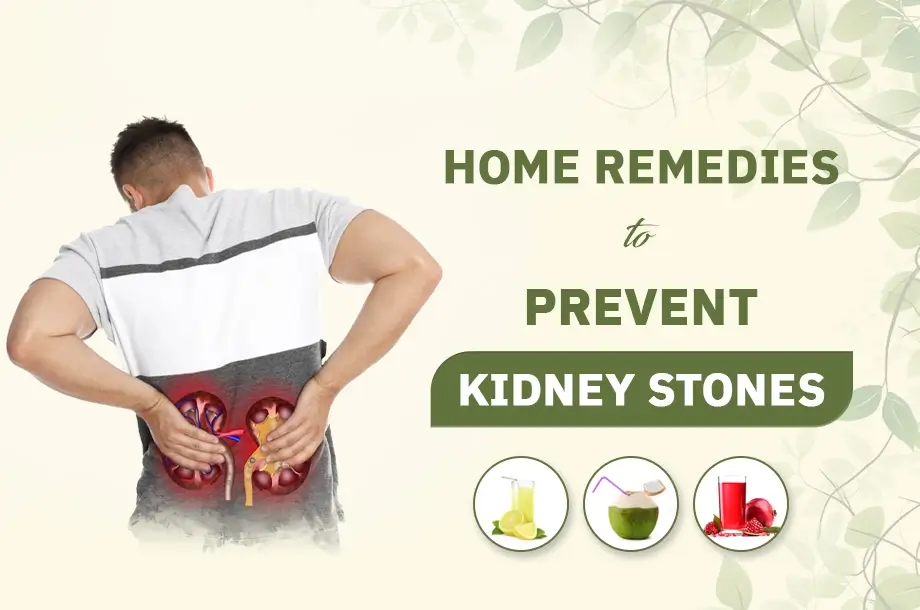
Home care for kidney stones explained in detail. Learn natural remedies, diet tips, hydration strategies, pain relief methods, and prevention techniques for kidney stones.
Introduction
Kidney stones are a painful and frustrating condition that affects people of all ages across the world. They form when minerals and salts crystallize in the kidneys due to concentrated urine, poor hydration, dietary habits, or underlying health issues.
While severe cases may require medical procedures, many stones—especially smaller ones—can be managed safely and effectively through proper home care for kidney stones.
This in‑depth guide explores everything you need to know about managing kidneystones at home. From hydration strategies and natural remedies to diet changes, pain management, and prevention, this article is designed to help you understand how home care can support recovery and reduce future risk.
What Are Kidney Stones?
Kidney stones are solid masses made of crystals. They develop when urine becomes too concentrated, allowing minerals to stick together and form stones. These stones may remain in the kidneys or travel through the urinary tract.
Types of Kidney Stones
Understanding the type of kidney stone you have is important when planning home care.
Calcium stones – The most common type, often formed from calcium oxalate
Uric acid stones – Linked to dehydration and high‑protein diets
Struvite stones – Often caused by urinary tract infections
Cystine stones – Rare and usually genetic
Each type responds differently to home care methods, particularly dietary changes.
Common Causes of Kidney Stones
Several factors contribute to kidney stone formation:
Recognizing these causes helps guide effective home care for kidney stones and prevention strategies.
Symptoms of Kidney Stones
Symptoms vary depending on the size and location of the stone. Common signs include:
Sharp pain in the back, side, or lower abdomen
Pain that radiates to the groin
Burning sensation during urination
Frequent urge to urinate
Cloudy or foul‑smelling urine
Blood in the urine
Nausea and vomiting
Mild stones may cause little discomfort, while larger stones can be extremely painful.
When Is Home Care for Kidney Stones Appropriate?
Home care for kidney stones is generally suitable when:
The stone is small (usually under 5–6 mm)
Pain is manageable
There is no fever or infection
Urine flow is not blocked
Always confirm with a healthcare provider before relying solely on home care.
Kidney Stones: Causes, Symptoms and Remedies
Hydration: The Most Important Step in Home Care for Kidney Stones
Why Water Matters
Hydration is the foundation of all home care strategies. Drinking enough fluids helps dilute urine, prevent crystal formation, and flush stones out of the urinary tract.
How Much Water Should You Drink?
Aim for 2.5 to 3 liters per day
Increase intake during hot weather or physical activity
Monitor urine color—pale yellow indicates good hydration
Avoid sugary drinks, colas, and excessive caffeine, which may worsen stone formation.
Lemon Juice and Citrate Therapy
Lemon juiceplays a major role in home care for kidney stones due to its high citrate content. Citrate prevents calcium from binding with oxalate and forming stones.
How to Use Lemon Juice at Home
Squeeze fresh lemons into warm water
Drink once or twice daily
Avoid sweetened lemon drinks
Regular intake may reduce stone recurrence over time.
Managing Kidney Stone Pain at Home
Pain management is a key component of effective home care for kidney stones.
Heat Therapy
Apply a heating pad to the lower back or abdomen
Heat relaxes muscles and reduces spasms
Over‑the‑Counter Pain Relievers
Ibuprofen or acetaminophen may help
Use only as directed
Relaxation Techniques
Deep breathing
Warm baths
Gentle stretching
These methods can significantly reduce discomfort during stone passage.
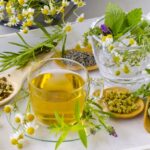
Herbal Remedies Used in Home Care for Kidney Stones
Natural remedies have been used traditionally to support kidney health.
Home care for kidney stones is an effective and natural approach for managing small stones and preventing recurrence. With proper hydration, smart dietary choices, pain control methods, and lifestyle adjustments, many people can successfully pass kidney stones at home and protect their kidney health long‑term.
Consistency is key. Listening to your body, staying informed, and knowing when to seek help will ensure the best outcomes.
A graduate of Computer Science and Information Management Technology. Diploma – Caregiving, Certificates – Dementia and Diabetes Awareness and Management. A researcher, blogger, songwriter, singer and acoustic guitarist. Born in an environment where natural talents such as healing are imparted at our natural birth. This natural talents of healing is the result of our genetic inheritance and the training from family environment.
We use cookies on our website to give you the most relevant experience by remembering your preferences and repeat visits. By clicking “Accept All”, you consent to the use of ALL the cookies. However, you may visit "Cookie Settings" to provide a controlled consent.
This website uses cookies to improve your experience while you navigate through the website. Out of these, the cookies that are categorized as necessary are stored on your browser as they are essential for the working of basic functionalities of the website. We also use third-party cookies that help us analyze and understand how you use this website. These cookies will be stored in your browser only with your consent. You also have the option to opt-out of these cookies. But opting out of some of these cookies may affect your browsing experience.
Necessary cookies are absolutely essential for the website to function properly. These cookies ensure basic functionalities and security features of the website, anonymously.
Cookie
Duration
Description
cookielawinfo-checkbox-analytics
11 months
This cookie is set by GDPR Cookie Consent plugin. The cookie is used to store the user consent for the cookies in the category "Analytics".
cookielawinfo-checkbox-functional
11 months
The cookie is set by GDPR cookie consent to record the user consent for the cookies in the category "Functional".
cookielawinfo-checkbox-necessary
11 months
This cookie is set by GDPR Cookie Consent plugin. The cookies is used to store the user consent for the cookies in the category "Necessary".
cookielawinfo-checkbox-others
11 months
This cookie is set by GDPR Cookie Consent plugin. The cookie is used to store the user consent for the cookies in the category "Other.
cookielawinfo-checkbox-performance
11 months
This cookie is set by GDPR Cookie Consent plugin. The cookie is used to store the user consent for the cookies in the category "Performance".
viewed_cookie_policy
11 months
The cookie is set by the GDPR Cookie Consent plugin and is used to store whether or not user has consented to the use of cookies. It does not store any personal data.
Functional cookies help to perform certain functionalities like sharing the content of the website on social media platforms, collect feedbacks, and other third-party features.
Performance cookies are used to understand and analyze the key performance indexes of the website which helps in delivering a better user experience for the visitors.
Analytical cookies are used to understand how visitors interact with the website. These cookies help provide information on metrics the number of visitors, bounce rate, traffic source, etc.
Advertisement cookies are used to provide visitors with relevant ads and marketing campaigns. These cookies track visitors across websites and collect information to provide customized ads.