A Complete, In‑Depth Guide to Natural Relief, Herbs, Treatments, and Lifestyle Changes: Discover the ultimate guide to home remedies for sinus infection. Learn about natural treatments, powerful herbs, diet tips, lifestyle changes, and practical strategies to relieve sinus congestion, reduce inflammation, and prevent recurring infections naturally.
Introduction
Sinus infections, also known as sinusitis, are among the most common respiratory conditions affecting people of all ages worldwide. They can cause persistent discomfort, facial pressure, headaches, blocked or runny nose, postnasal drip, fatigue, and even disturbed sleep.
While conventional medical treatments such as antibiotics, nasal sprays, and decongestants can be effective, many people increasingly turn to home remedies for sinus infection as a safer, gentler, and more holistic approach to relief.
Home remedies focus on supporting the body’s natural healing process, reducing inflammation, loosening mucus, improving drainage, and strengthening the immune system. When used consistently and correctly, these remedies can help relieve symptoms, shorten recovery time, and reduce the risk of recurring sinus infections.
In this comprehensive guide, we will explore everything you need to know about home remedies for sinus infection. You’ll learn about the causes and symptoms of sinus infections, natural remedies you can try at home, powerful herbs that support sinus health, supportive treatments, and essential lifestyle changes that promote long‑term relief. This article is designed to be detailed, practical, and easy to understand, whether you’re dealing with an acute sinus infection or recurring sinus problems.
Understanding Sinus Infections
What Is a Sinus Infection?
A sinus infection occurs when the tissue lining the sinuses becomes inflamed or swollen. The sinuses are air‑filled cavities located behind the forehead, cheeks, nose, and eyes. Under normal conditions, they are filled with air and produce mucus that drains into the nasal passages. When this drainage is blocked, mucus builds up, creating an environment where bacteria, viruses, or fungi can grow.
Types of Sinus Infections
Understanding the type of sinus infection you have can help determine the most suitable home remedies.
Acute Sinusitis – Lasts less than four weeks and often follows a cold or flu.
Subacute Sinusitis – Symptoms last between four and twelve weeks.
Chronic Sinusitis – Symptoms persist for more than twelve weeks and may recur frequently.
Recurrent Sinusitis – Multiple episodes of sinus infections within a year.
Common Causes of Sinus Infections
Sinus infections do not occur randomly. In most cases, they develop when normal sinus drainage is disrupted and microorganisms are allowed to grow. Understanding these causes helps you prevent future infections and choose the most effective home remedies for sinus infection.
Viral infections such as the common cold
Viral infections are the leading cause of sinus infections. When you catch a cold or flu, the lining of the nasal passages becomes inflamed and swollen. This swelling blocks the sinus openings, trapping mucus inside. As mucus accumulates, it creates a warm, moist environment where germs can thrive, leading to sinus infection symptoms.
Bacterial infections
Bacterial sinus infections often develop as a secondary complication after a viral illness. When mucus remains trapped in the sinuses for too long, bacteria can multiply. These infections tend to cause thicker nasal discharge, facial pain, and symptoms that last longer than a typical cold.
Allergies
Allergic reactions trigger inflammation and excess mucus production in the nasal passages. Seasonal allergies, dust mites, pet dander, and mold are common triggers. Repeated allergic reactions can block sinus drainage, making people with allergies more prone to frequent or chronic sinus infections.
Nasal polyps
Nasal polyps are soft, noncancerous growths that form inside the nasal passages or sinuses due to chronic inflammation. They can physically block airflow and mucus drainage, increasing the risk of persistent sinus infections.
Deviated septum
A deviated septum occurs when the wall between the nostrils is off-center. This structural issue can narrow sinus passages on one side of the nose, making proper drainage difficult and increasing susceptibility to sinus infections.
Air pollution and smoking
Exposure to air pollution, cigarette smoke, and chemical fumes irritates the lining of the nasal passages. Smoking damages tiny hair-like structures called cilia, which normally help move mucus out of the sinuses. When cilia function is impaired, mucus builds up and infection becomes more likely.
Weakened immune system
A weakened immune systemreduces the body’s ability to fight infections. Stress, poor diet, lack of sleep, chronic illness, and certain medications can weaken immunity, making sinus infections more frequent and harder to clear.
Common Symptoms
Sinus infection symptoms can range from mild discomfort to severe pressure and pain. The severity often depends on the cause, duration, and overall immune health of the individual.
Nasal congestion or blockage
Inflammation and swelling of the nasal passages make breathing through the nose difficult. This is one of the earliest and most noticeable signs of a sinus infection.
Thick yellow or green nasal discharge
Discolored mucus often indicates infection. Thick discharge suggests that mucus is trapped and not draining properly from the sinuses.
Facial pain or pressure
Pain or pressure may be felt around the forehead, cheeks, eyes, or nose. It often worsens when bending forward or lying down.
Headache
Sinus headaches occur due to pressure buildup in the sinus cavities. They are often accompanied by facial tenderness and congestion.
Postnasal drip
Mucus dripping down the back of the throat can cause throat irritation, coughing, and a persistent need to clear the throat.
Reduced sense of smell
Blocked nasal passages prevent odors from reaching sensory receptors, leading to a temporary loss or reduction in smell and taste.
Fever
A mild to moderate fever may develop as the body responds to infection, especially in acute or bacterial sinus infections.
Fatigue
The body expends significant energy fighting infection, often resulting in tiredness, weakness, and reduced concentration.
Bad breath
Stagnant mucus and bacterial growth in the sinuses can lead to persistent bad breath, even with good oral hygiene.
Why Choose Home Remedies for Sinus Infection?
Many people choose home remedies for sinus infection because they address both symptoms and underlying causes in a gentle, holistic way. Unlike medications that may only provide temporary relief, home remedies work with the body’s natural healing systems.
Home remedies are often natural and affordable, making them accessible to most people. They typically involve ingredients that are easy to find at home, such as herbs, warm water, and nutrient-rich foods. For individuals sensitive to medications, natural remedies are especially appealing because they usually have fewer side effects when used appropriately.
Home remedies aim to:
Reduce inflammation naturally, helping swollen sinus tissues return to normal
Promote mucus drainage, preventing buildup and pressure
Soothe irritated sinus linings, easing pain and discomfort
Strengthen immune function, allowing the body to fight infection more effectively
Prevent recurrence, especially when combined with lifestyle changes
When combined with healthy habits such as proper hydration, balanced nutrition, adequate sleep, stress management, and clean air, home remedies for sinus infection can provide long-lasting relief and significantly improve overall respiratory health.
Effective Home Remedies for Sinus Infection
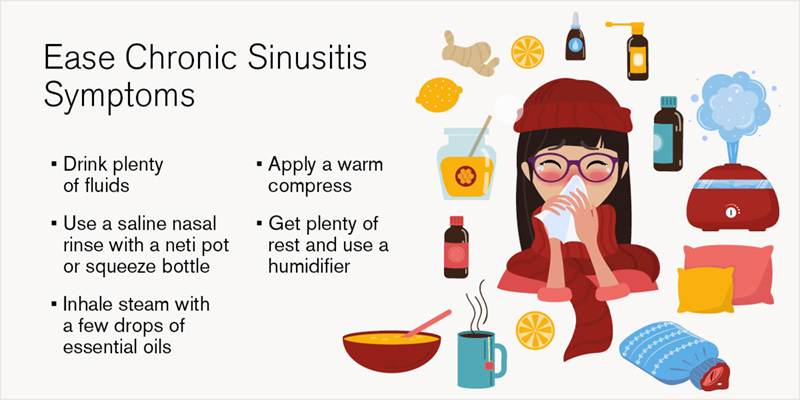
Steam Inhalation
Steam inhalation is one of the most effective and widely used home remedies for sinus infection. Warm, moist air helps loosen thick mucus, reduces nasal congestion, and soothes inflamed sinus tissues.
How to use:
Boil water and pour it into a bowl
Lean over the bowl and cover your head with a towel
Inhale the steam for 5–10 minutes
Repeat 1–2 times daily
Adding herbs or essential oils like eucalyptus or peppermint can enhance the effects.
Saline Nasal Rinse
Rinsing the nasal passages with saline solution helps flush out mucus, allergens, and irritants. This method improves sinus drainage and reduces inflammation.
Options include:
Neti pot
Saline spray
Nasal irrigation bottle
Benefits:
Clears blocked sinuses
Reduces nasal dryness
Improves breathing
Warm Compress
Applying a warm compress to the face can relieve sinus pressure and pain by improving blood circulation and promoting drainage.
How to apply:
Soak a clean towel in warm water
Place it over the nose, cheeks, and forehead
Leave on for 10–15 minutes
Repeat several times a day
Hydration and Fluids
Drinking plenty of fluids is a simple but powerful home remedy for sinus infection. Adequate hydration helps thin mucus, making it easier to drain.
Recommended fluids:
Warm water
Herbal teas
Broths and soups
Avoid caffeinated and sugary drinks, which can worsen dehydration.
Rest and Sleep
Your body heals best when well‑rested. Quality sleep supports immune function and speeds recovery from sinus infections.
Tips for better rest:
Sleep with your head elevated
Maintain a regular sleep schedule
Avoid screens before bedtime
Powerful Herbs for Sinus Infection Relief
Sinus infections can be uncomfortable, exhausting, and sometimes downright painful. Blocked nasal passages, facial pressure, headaches, thick mucus, postnasal drip, and difficulty breathing can disrupt daily life and sleep. While medications are sometimes necessary, many people turn to herbal remedies to support healing, reduce inflammation, and relieve congestion naturally.
Herbs have been used for centuries in traditional medicine systems to ease sinus problems. Many of them contain anti-inflammatory, antimicrobial, antihistamine, and decongestant properties that help the body clear infection and restore healthy sinus function.
Below is an expanded guide to some of the most powerful herbs for sinus infection relief, including how they work and the best ways to use them.
🌿 1. Eucalyptus
Eucalyptusis one of the most effective herbs for clearing blocked sinuses. Its active compound, eucalyptol, helps loosen mucus, reduce inflammation, and open nasal airways.
Benefits for sinuses:
Clears nasal congestion
Reduces sinus pressure
Helps fight bacteria and viruses
How to use:
Steam inhalation with eucalyptus oil
Diffuse diluted eucalyptus oil
Add a few drops to hot bathwater for inhalation
Note: Always dilute eucalyptus oil properly before use.
🌿 2. Peppermint
Peppermintcontains menthol, which creates a cooling sensation that can instantly ease breathing. It also helps thin mucus and soothe irritated sinus tissues.
Benefits for sinuses:
Relieves congestion
Reduces headache pressure
Soothes sore throat caused by postnasal drip
How to use:
Peppermint tea
Steam inhalation
Diluted peppermint oil applied externally (never inside the nose)
🌿 3. Ginger
Ginger is a powerful natural anti-inflammatory that improves circulation and helps the immune system fight infection. It also reduces swelling inside the sinuses.
Benefits for sinuses:
Reduces sinus inflammation
Helps break down mucus
Supports immune response
How to use:
Fresh ginger tea with honey
Add ginger to soups and meals
Ginger-infused warm water
🌿 4. Turmeric
Turmeric contains curcumin, a compound known for its strong anti-inflammatory and antimicrobial effects. It can help reduce sinus swelling and speed recovery.
Benefits for sinuses:
Reduces inflammation
Supports immune health
Helps fight infection
How to use:
Golden milk (turmeric + warm milk + honey)
Add turmeric to food
Turmeric tea with black pepper (improves absorption)
🌿 5. Garlic
Garlicis a natural antibiotic with antiviral and antifungal properties. It helps the body fight infections and may shorten sinus infection duration.
Benefits for sinuses:
Fights bacteria and viruses
Strengthens immune system
Helps thin mucus
How to use:
Eat raw or lightly cooked garlic
Garlic tea with honey
Add generously to meals
🌿 6. Chamomile
Chamomile is gentle yet effective. It helps soothe irritated sinus tissues and promotes relaxation, which is important during illness.
Benefits for sinuses:
Reduces inflammation
Calms irritated nasal passages
Improves sleep during sinus discomfort
How to use:
Chamomile tea
Steam inhalation
Warm compress soaked in chamomile tea
🌿 7. Nettle Leaf
Nettle leafworks as a natural antihistamine, making it especially helpful for sinus infections triggered or worsened by allergies.
Benefits for sinuses:
Reduces allergic inflammation
Decreases mucus production
Supports respiratory health
How to use:
Nettle tea
Nettle supplements (with guidance)
🌿 8. Echinacea
Echinacea is widely used to boost immune function and may help the body fight infections faster.
Benefits for sinuses:
Enhances immune defense
May reduce infection duration
Helps prevent recurring sinus issues
How to use:
Echinacea tea
Liquid extract or capsules
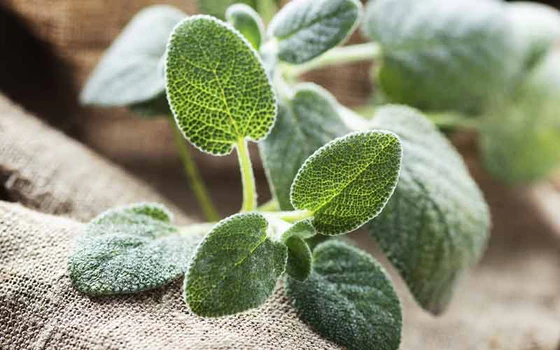
🌿 9. Thyme
Thyme contains natural antiseptic compounds that help clear infection and loosen mucus in the respiratory system.
Steam inhalation allows herbs to work directly on the sinuses.
Best herbs for steam:
Eucalyptus
Peppermint
Chamomile
Thyme
How to do it:
Pour hot water into a bowl
Add herbs or 1–2 drops essential oil
Cover head with a towel
Inhale for 5–10 minutes
💧 Extra Tips for Faster Sinus Relief
Drink plenty of fluids to thin mucus
Use saline nasal rinses
Rest and sleep with your head elevated
Avoid smoke, dust, and allergens
Eat warm, nourishing foods
⚠️ Important Safety Notes
Always dilute essential oils
Avoid using herbs you are allergic to
Consult a healthcare provider if symptoms persist longer than 10 days
Seek medical help if you develop fever, severe facial pain, or swelling
More Insights
A sinus infection (sinusitis) occurs when the sinus cavities become inflamed and filled with mucus, creating the perfect environment for bacteria, viruses, or fungi to grow. This inflammation leads to symptoms such as nasal congestion, facial pressure, headache, thick nasal discharge, postnasal drip, reduced sense of smell, fatigue, and sometimes fever.
Home remedies focus on three main goals:
Reducing inflammation
Thinning and draining mucus
Supporting the immune system
When used consistently, many home remedies can significantly ease symptoms and, in mild cases, help the body recover naturally.
🌫️ 1. Steam Inhalation (The Cornerstone Remedy)
Steam inhalation remains one of the most effective home remedies for sinus infection because it works directly on blocked sinus passages.
Why it works
Moist heat loosens thick mucus
Improves sinus drainage
Reduces nasal dryness and irritation
How to do it properly
Boil water and pour into a bowl
Lean over the bowl and cover your head with a towel
Inhale gently for 5–10 minutes
Repeat 1–2 times daily
Boost it with:
Eucalyptus leaves or oil
Peppermint
Chamomile
Thyme
Common mistake: Breathing too close to hot water, which can irritate nasal tissues.
💧 2. Saline Nasal Rinse (Deep Sinus Cleaning)
Saline rinses physically flush out mucus, allergens, bacteria, and debris from the nasal passages.
Why it works
Clears blocked sinuses
Reduces swelling
Improves breathing quickly
Best options
Neti pot
Squeeze bottle
Saline spray
Pro tip
Always use sterile, distilled, or boiled and cooled water to avoid irritation or infection.
🫖 3. Warm Fluids and Herbal Teas
Warm liquids help thin mucus and keep sinus membranes moist.
Best drinks for sinus relief
Ginger tea
Turmeric tea
Peppermint tea
Chamomile tea
Warm lemon water with honey
Why it works
Heat promotes mucus drainage
Herbs reduce inflammation
Honey soothes the throat and cough
🍯 4. Honey (Natural Antimicrobial Support)
Raw honey contains natural antibacterial properties and helps calm irritated throat tissues.
How it helps
Reduces throat irritation
Supports immune response
May slow bacterial growth
How to use
Add to warm tea
Take a teaspoon before bed
Combine with ginger or lemon
Avoid giving honey to children under one year.
🧄 5. Garlic Therapy
Garlic is a powerful natural antimicrobial that supports the body’s ability to fight infection.
OTC medicines don’t usually cure a sinus infection, but they can reduce congestion, pain, pressure, and mucus, making recovery much easier.
🤧 1. Decongestants (Unblock the Sinuses)
These drugs shrink swollen blood vessels in the nasal passages, allowing mucus to drain.
Common options
Pseudoephedrine (tablets)
Phenylephrine (tablets, less effective for some people)
Oxymetazoline nasal spray (short-term use only)
How they help
Relieve blocked nose
Reduce sinus pressure
Improve breathing
⚠️ Important warnings
Do not use nasal sprays for more than 3 days (can cause rebound congestion)
Avoid if you have high blood pressure,heart disease, or glaucoma unless a doctor says it’s okay
💧 2. Saline Nasal Sprays (Safest Option)
These are drug-free but sold OTC and extremely effective.
Why they’re important
Flush out mucus, bacteria, and allergens
Moisturize dry nasal passages
Safe for daily and long-term use
💡 Best for: Kids, teens, pregnant people, and anyone who can’t take decongestants.
🤕 3. Pain Relievers (Headache & Facial Pain)
Sinus infections often come with pressure headaches and facial pain.
Common choices
Acetaminophen (Paracetamol)
Ibuprofen
Naproxen
Benefits
Reduce headache
Ease facial pain
Lower fever
⚠️ Tips
Take with food (especially ibuprofen or naproxen)
Don’t exceed recommended doses
🤧 4. Antihistamines (If Allergies Are Involved)
Useful if sinus infection is triggered or worsened by allergies.
First-generation (can cause drowsiness)
Diphenhydramine
Second-generation (less drowsy)
Loratadine
Cetirizine
Fexofenadine
How they help
Reduce sneezing and runny nose
Control allergic inflammation
⚠️ Note: Some antihistamines can thicken mucus, which may worsen congestion in non-allergic sinus infections.
🌫️ 5. Expectorants (Thin the Mucus)
These help loosen thick mucus so it can drain more easily.
Common option
Guaifenesin
Benefits
Thins mucus
Improves sinus drainage
Reduces chest congestion
💡 Best used with: Plenty of water.
💊 6. Combination Cold & Sinus Medicines
These products combine multiple drugs into one tablet or syrup.
Usually contain
Decongestant
Pain reliever
Antihistamine
Expectorant
⚠️ Be careful
Easy to accidentally double-dose
Always read labels carefully
Avoid taking two products with the same active ingredient
🌿 7. Steroid Nasal Sprays (OTC in Many Countries)
These sprays reduce inflammation inside the nasal passages.
Common options
Fluticasone
Triamcinolone
Budesonide
Why they help
Reduce swelling
Improve sinus drainage
Helpful for chronic or allergic sinus issues
💡 They work best when used daily, not just once.
❌ What OTC Drugs Cannot Do
They do not kill bacteria
They do not replace antibiotics if a bacterial infection is severe
They won’t fix structural sinus problems (like nasal polyps)
⚠️ When to Avoid OTC Medications
If symptoms last more than 10 days
If pain or swelling worsens
If fever is high or persistent
If there’s swelling around the eyes or forehead
In these cases, a healthcare provider should evaluate you.
✅ Best OTC Combination Strategy
For many people, this combo works well:
Saline nasal spray (daily)
Pain reliever as needed
Short-term decongestant
Plenty of fluids and steam inhalation
Bottom Line
Over-the-counter drugs are excellent for managing sinus infection symptoms, improving comfort, and supporting natural healing. Used correctly — and for the right duration — they can make a big difference. But if symptoms linger or worsen, medical care is essential.
✅ Key Takeaway
Home remedies for sinus infection work best when combined, not used in isolation. Regular steam inhalation, proper hydration, saline rinses, immune-boosting foods, and adequate rest can significantly improve sinus drainage and comfort. While these remedies may not replace antibiotics in severe cases, they can shorten recovery time, reduce discomfort, and prevent frequent recurrence.
A graduate of Computer Science and Information Management Technology. Diploma – Caregiving, Certificates – Dementia and Diabetes Awareness and Management. A researcher, blogger, songwriter, singer and acoustic guitarist. Born in an environment where natural talents such as healing are imparted at our natural birth. This natural talents of healing is the result of our genetic inheritance and the training from family environment.
We use cookies on our website to give you the most relevant experience by remembering your preferences and repeat visits. By clicking “Accept All”, you consent to the use of ALL the cookies. However, you may visit "Cookie Settings" to provide a controlled consent.
This website uses cookies to improve your experience while you navigate through the website. Out of these, the cookies that are categorized as necessary are stored on your browser as they are essential for the working of basic functionalities of the website. We also use third-party cookies that help us analyze and understand how you use this website. These cookies will be stored in your browser only with your consent. You also have the option to opt-out of these cookies. But opting out of some of these cookies may affect your browsing experience.
Necessary cookies are absolutely essential for the website to function properly. These cookies ensure basic functionalities and security features of the website, anonymously.
Cookie
Duration
Description
cookielawinfo-checkbox-analytics
11 months
This cookie is set by GDPR Cookie Consent plugin. The cookie is used to store the user consent for the cookies in the category "Analytics".
cookielawinfo-checkbox-functional
11 months
The cookie is set by GDPR cookie consent to record the user consent for the cookies in the category "Functional".
cookielawinfo-checkbox-necessary
11 months
This cookie is set by GDPR Cookie Consent plugin. The cookies is used to store the user consent for the cookies in the category "Necessary".
cookielawinfo-checkbox-others
11 months
This cookie is set by GDPR Cookie Consent plugin. The cookie is used to store the user consent for the cookies in the category "Other.
cookielawinfo-checkbox-performance
11 months
This cookie is set by GDPR Cookie Consent plugin. The cookie is used to store the user consent for the cookies in the category "Performance".
viewed_cookie_policy
11 months
The cookie is set by the GDPR Cookie Consent plugin and is used to store whether or not user has consented to the use of cookies. It does not store any personal data.
Functional cookies help to perform certain functionalities like sharing the content of the website on social media platforms, collect feedbacks, and other third-party features.
Performance cookies are used to understand and analyze the key performance indexes of the website which helps in delivering a better user experience for the visitors.
Analytical cookies are used to understand how visitors interact with the website. These cookies help provide information on metrics the number of visitors, bounce rate, traffic source, etc.
Advertisement cookies are used to provide visitors with relevant ads and marketing campaigns. These cookies track visitors across websites and collect information to provide customized ads.