How to Prepare Chinese Salad: Ingredients, Recipe, Calories, and Health Benefits
Learn how to prepare Chinese salad with this easy step-by-step recipe. Discover its ingredients, dressing, calories, nutritional value, and amazing health benefits in one delicious, low-calorie dish.
Chinese salad is a refreshing and nutrient-packed dish that combines crunchy vegetables, light seasoning, and a touch of Asian-inspired dressing. It’s perfect for anyone who wants a healthy, flavorful meal that’s quick to make.
Whether you’re trying to eat lighter, include more vegetables in your diet, or simply enjoy a unique salad with a burst of taste, learning how to prepare Chinese salad will give you a healthy and delicious addition to your meal plan.
In this article, we’ll guide you through everything — from the ingredients to use, the proper preparation steps, the caloric proportion, and the nutritional value per serving. We’ll also look at the various health benefits that come with enjoying this colorful dish.
What Is Chinese Salad?
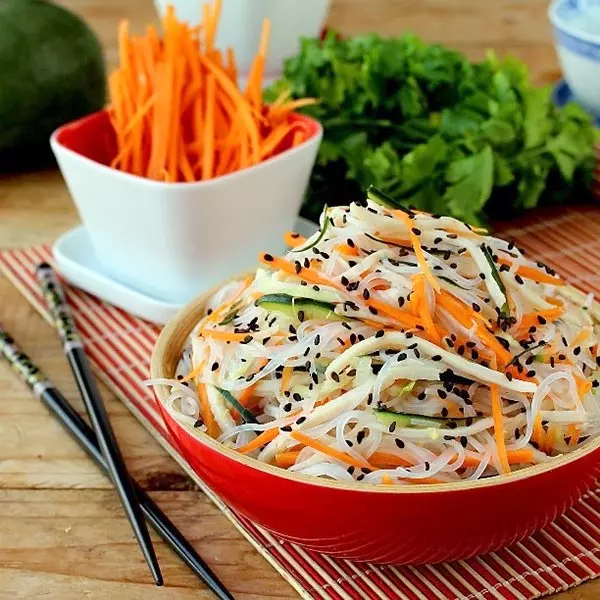
Chinese salad is a versatile, Asian-inspired salad that combines vegetables like cabbage, carrots, spring onions, and sometimes chicken, noodles, or nuts. It’s typically seasoned with a tangy-sweet dressing that features soy sauce, sesame oil, vinegar, and sometimes honey or ginger.
Unlike traditional Western salads that may rely on creamy dressings, Chinese salads are usually light, crisp, and refreshing. The key is balance — the crunchiness of the vegetables, the softness of the noodles or chicken, and the tangy-sweet dressing all come together to create harmony in flavor and texture.
Learning how to prepare Chinese salad is quite easy once you understand the ingredients and their proportions.
Ingredients Needed to Prepare Chinese Salad
Here’s a list of the common ingredients used to prepare a classic Chinese salad. Feel free to adjust depending on your preference.
A squeeze of lime juice (optional for extra freshness)
How to Prepare Chinese Salad (Step-by-Step Method)
Let’s go through the step-by-step process of how to prepare Chinese salad properly:
Step 1: Prepare the Vegetables
Start by washing all your vegetables thoroughly under running water. Use a clean towel or salad spinner to remove excess moisture. Shred the Chinese cabbage and carrots finely, then slice the cucumber and bell peppers thinly. Place all the cut vegetables in a large salad bowl.
Step 2: Add Protein (Optional)
If you’re including chicken, cook your chicken breast until it’s tender (either grilled, boiled, or baked). Once cooked, shred or dice the chicken into bite-sized pieces and add it to the salad bowl. For a vegetarian version, you can skip this or add tofu instead.
Step 3: Toast the Nuts and Seeds
To bring out their natural flavor, lightly toast the peanuts or almonds and sesame seeds in a dry pan over medium heat for about 2 minutes. Stir continuously to prevent burning, then allow them to cool before adding to your salad.
Step 4: Prepare the Dressing
In a small bowl, mix soy sauce, sesame oil, olive oil, rice vinegar, honey, ginger, and garlic. Whisk the ingredients until the dressing becomes smooth and well-blended. Taste it — if it’s too salty, add a little more honey; if too sweet, add a splash of vinegar to balance the flavor.
Step 5: Combine Everything
Pour the dressing over your bowl of vegetables and chicken. Toss gently using salad tongs or a spoon to make sure every part of the salad is coated evenly with the dressing.
Step 6: Add Final Touches
Sprinkle roasted peanuts or almonds, sesame seeds, and crispy noodles on top. Give it one final toss, and your Chinese salad is ready to serve.
Step 7: Serve and Enjoy
Serve immediately for the best crunch and flavor. You can also chill the salad for about 15–30 minutes if you prefer it cold.
Caloric Proportion and Nutritional Value (Per Serving)
Here’s the approximate nutritional breakdown per serving (based on a portion size of about 1½ cups of salad):
Nutrient
Amount per serving
Calories
190–250 kcal
Protein
10–14 g
Carbohydrates
18–22 g
Fat
9–12 g
Fiber
3–5 g
Sodium
350–450 mg
Sugar
6–8 g
Vitamin A
80–100% of daily value
Vitamin C
40–60% of daily value
Calcium
6–8% of daily value
Iron
10–12% of daily value
Note: These values can vary slightly depending on whether you include chicken, noodles, or additional nuts.
This balance makes the Chinese salad a low-calorie, high-nutrient dish — ideal for weight management, detox, and clean eating.
Health Benefits of Chinese Salad
Eating Chinese salad regularly can provide multiple health benefits due to its variety of fresh vegetables, lean protein, and healthy fats. Here are some of the top benefits:
Aids in Weight Management
Chinese salad is low in calories but high in fiber and water content, helping you feel full without overeating. The inclusion of vegetables like cabbage, cucumber, and carrots gives it bulk and reduces calorie density — an excellent choice for anyone trying to lose or maintain weight.
Boosts Immunity
The vitamin C from bell peppers and cabbage strengthens the immune system, helping the body fight infections. The presence of ginger and garlic in the dressing also adds an antimicrobial and anti-inflammatory boost.
Supports Healthy Digestion
The fiber from the vegetables helps maintain smooth digestion and prevents constipation. Fiber also supports gut health, which contributes to overall wellness.
Good for Heart Health
The salad dressing’s sesame and olive oils contain heart-healthy unsaturated fats. These fats help reduce bad cholesterol (LDL) levelsand promote good cholesterol (HDL), improving cardiovascular health.
Promotes Healthy Skin
Chinese salad is rich in antioxidants like vitamin A and vitamin C, which protect the skin from damage caused by free radicals. These nutrients also encourage collagen formation, keeping the skin youthful and glowing.
Balances Blood Sugar
The combination of lean protein, fiber, and healthy fats helps regulate blood sugar levels. This makes Chinese salad a great choice for people with diabetes or those who want to prevent sudden sugar spikes after meals.
Excellent Source of Energy
Even though it’s a light meal, Chinese salad contains a balanced mix of carbohydrates, fats, and proteins, which provide the body with steady energy without causing sluggishness.
Reduces Inflammation
Ginger and garlic, both used in the dressing, are known for their anti-inflammatory properties. They can help reduce body inflammation, soothe sore muscles, and support joint health.
Tips for Making the Best Chinese Salad
Use fresh ingredients: The crispness of the vegetables defines the texture and taste of the salad. Avoid wilted greens or old produce.
Balance flavors: Chinese salad should have a perfect balance of sweet, sour, and salty flavors. Adjust the dressing to your taste.
Don’t overdress: Use just enough dressing to coat the ingredients lightly; too much can make the salad soggy.
Add color: Include a mix of red, green, yellow, and orange vegetables — not only for beauty but also for varied nutrients.
Experiment with proteins: Try shredded chicken, tofu, shrimp, or even boiled eggs for different versions of the salad.
Serve immediately: The crunch of Chinese salad is best enjoyed fresh, right after mixing.
Variations of Chinese Salad
You can prepare Chinese salad in many ways depending on your dietary preferences:
Chinese Chicken Salad
This version includes grilled or shredded chicken breast, making it a protein-rich meal perfect for lunch or dinner.
Vegetarian Chinese Salad
Skip the meat and add tofu or extra vegetables like snow peas, bean sprouts, and mushrooms for a hearty vegetarian option.
Spicy Chinese Salad
Add a pinch of chili flakes or a few drops of chili oil to the dressing for a fiery kick.
Fruit-Infused Chinese Salad
Add fruits like mandarin oranges or pineapple slices for a sweet twist that complements the tangy dressing beautifully.
Storage Tips
If you have leftovers:
Store the salad in an airtight container in the refrigerator.
Keep the dressing separate and add it only when you’re ready to eat.
Properly stored, the vegetables can last up to 2 days, but the salad tastes best fresh.
Frequently Asked Questions (FAQs)
Can I make Chinese salad ahead of time?
Yes, but it’s best to keep the dressing separate and mix it just before serving to maintain the salad’s crunch.
What can I substitute for soy sauce?
If you’re avoiding soy, use coconut aminos or tamari sauce as a gluten-free alternative.
Is Chinese salad suitable for vegetarians?
Absolutely. Simply skip the chicken and add tofu, beans, or extra veggies instead.
How many calories are in one serving of Chinese salad?
On average, one serving contains 190–250 calories, depending on the ingredients used.
Can I use olive oil instead of sesame oil?
Yes, though sesame oil gives it a more authentic Asian flavor. You can use olive oil for a milder taste.
Is Chinese salad good for diabetics?
Yes, because it’s high in fiber, low in sugar, and has a moderate glycemic load. Just go easy on honey or sugar in the dressing.
Can I store Chinese salad overnight?
Yes, but it’s best consumed within 24 hours. Keep the dressing separate to avoid sogginess.
Conclusion
Learning how to prepare Chinese salad is one of the easiest ways to bring flavor and nutrition into your diet. This salad is colorful, crunchy, and bursting with nutrients that support good health — from improving digestion to strengthening immunity and promoting heart wellness.
Whether you prepare it with chicken, tofu, or just vegetables, the end result is always refreshing, light, and deeply satisfying. So next time you crave something healthy yet delicious, grab your fresh vegetables, whip up the quick dressing, and enjoy your homemade Chinese salad — packed with taste, texture, and goodness.
A graduate of Computer Science and Information Management Technology. Diploma – Caregiving, Certificates – Dementia and Diabetes Awareness and Management. A researcher, blogger, songwriter, singer and acoustic guitarist. Born in an environment where natural talents such as healing are imparted at our natural birth. This natural talents of healing is the result of our genetic inheritance and the training from family environment.
Related Posts:
Spring Salad How To Prepare Spring Salad Recipe Spring salad recipe is…
We use cookies on our website to give you the most relevant experience by remembering your preferences and repeat visits. By clicking “Accept All”, you consent to the use of ALL the cookies. However, you may visit "Cookie Settings" to provide a controlled consent.
This website uses cookies to improve your experience while you navigate through the website. Out of these, the cookies that are categorized as necessary are stored on your browser as they are essential for the working of basic functionalities of the website. We also use third-party cookies that help us analyze and understand how you use this website. These cookies will be stored in your browser only with your consent. You also have the option to opt-out of these cookies. But opting out of some of these cookies may affect your browsing experience.
Necessary cookies are absolutely essential for the website to function properly. These cookies ensure basic functionalities and security features of the website, anonymously.
Cookie
Duration
Description
cookielawinfo-checkbox-analytics
11 months
This cookie is set by GDPR Cookie Consent plugin. The cookie is used to store the user consent for the cookies in the category "Analytics".
cookielawinfo-checkbox-functional
11 months
The cookie is set by GDPR cookie consent to record the user consent for the cookies in the category "Functional".
cookielawinfo-checkbox-necessary
11 months
This cookie is set by GDPR Cookie Consent plugin. The cookies is used to store the user consent for the cookies in the category "Necessary".
cookielawinfo-checkbox-others
11 months
This cookie is set by GDPR Cookie Consent plugin. The cookie is used to store the user consent for the cookies in the category "Other.
cookielawinfo-checkbox-performance
11 months
This cookie is set by GDPR Cookie Consent plugin. The cookie is used to store the user consent for the cookies in the category "Performance".
viewed_cookie_policy
11 months
The cookie is set by the GDPR Cookie Consent plugin and is used to store whether or not user has consented to the use of cookies. It does not store any personal data.
Functional cookies help to perform certain functionalities like sharing the content of the website on social media platforms, collect feedbacks, and other third-party features.
Performance cookies are used to understand and analyze the key performance indexes of the website which helps in delivering a better user experience for the visitors.
Analytical cookies are used to understand how visitors interact with the website. These cookies help provide information on metrics the number of visitors, bounce rate, traffic source, etc.
Advertisement cookies are used to provide visitors with relevant ads and marketing campaigns. These cookies track visitors across websites and collect information to provide customized ads.









:max_bytes(150000):strip_icc()/80526-ddmfs-chinese-cabbage-salad-step4-2081-2ec7a7b47c4c4e2696d782aaa117d40a.jpg)