Learn how to prevent kidney failure with proven lifestyle changes, healthy diet tips, hydration, blood pressure control, and natural kidney care strategies.
Kidney failure is a serious health condition that affects millions of people worldwide, yet many cases could have been prevented with the right knowledge and lifestyle choices. Sadly, most people only start paying attention to their kidneys when damage has already occurred.
Understanding the prevention is one of the most important steps you can take to protect your long-term health and quality of life.
Your kidneys work silently every day, filtering waste, balancing fluids, regulating blood pressure, and supporting overall body function. When they fail, the consequences affect the entire body. This article explains in detail how to prevent kidney failure, what damages the kidneys, and the daily habits that keep them healthy.
What Is Kidney Failure?
Kidney failure occurs when the kidneys lose their ability to filter waste products and excess fluids from the blood. When this happens, toxins build up in the body, leading to serious complications.
There are two main types:
Acute kidney failure, which develops suddenly due to dehydration, infections, or medication misuse
Chronic kidney failure, which develops slowly over months or years
Learning how to prevent kidney failure focuses mainly on preventing chronic kidney disease, which accounts for most kidney failure cases.
Why You Must Learn How to Prevent Kidney Failure Early
One of the most dangerous things about kidney disease is that it often shows no symptoms in its early stages. Many people feel fine while damage is already progressing. By the time symptoms appear, kidney function may already be severely reduced.
Understanding how to prevent kidney failure helps you:
Avoid dialysis or kidney transplant
Maintain normal energy levels
Protect your heart and blood vessels
Live a longer, healthier life
Prevention is always easier and safer than treatment.
How the Kidneys Work
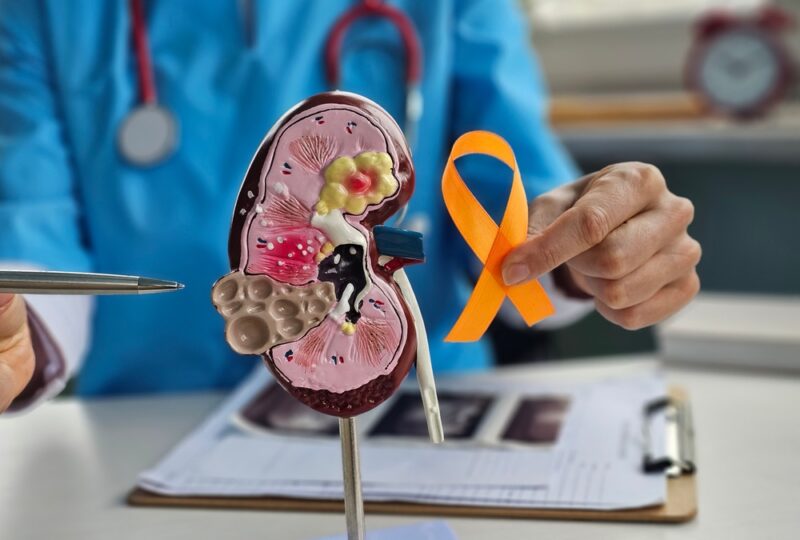
To understand how to prevent kidney failure, it helps to know what the kidneys do. These bean-shaped organs:
Filter waste and toxins from the blood
Regulate fluid balance
Control blood pressure
Maintain healthy electrolyte levels
Support red blood cell production
When kidneys are damaged, these essential functions are disrupted.
Stay Properly Hydrated
One of the simplest and most effective answers to how to prevent kidney failure is proper hydration. Water helps the kidneys flush toxins and prevents waste from building up.
Benefits of staying hydrated include:
Reduced risk of kidney stones
Improved blood circulation to the kidneys
Better waste elimination
However, balance is important. Drinking too little or too much water can strain the kidneys. Listen to your body and drink regularly throughout the day.
Control Blood Pressure to Protect Your Kidneys
High blood pressure is one of the leading causes of kidney failure. Over time, elevated pressure damages the delicate blood vessels in the kidneys.
If you want to know how to prevent kidney failure, blood pressure control is non-negotiable.
Steps to maintain healthy blood pressure include:
Reducing salt intake
Exercising regularly
Managing stress
Maintaining a healthy weight
Keeping blood pressure within normal range protects both kidney and heart health.
Manage Blood Sugar Levels Effectively
Diabetes is another major cause of kidney damage. High blood sugar slowly destroys kidney filters, leading to diabetic kidney disease.
An essential part of how to prevent kidney failure is blood sugar management:
Eat balanced meals
Avoid excessive sugary foods
Monitor blood sugar regularly
Stay physically active
Proper blood sugar control dramatically reduces kidney damage risk.
Eat a Kidney-Friendly Diet
Diet plays a powerful role in kidney health. Many people unknowingly damage their kidneys through poor food choices.
A kidney-friendly diet helps answer how to prevent kidney failure naturally.
Key dietary habits include:
Eating fresh fruits and vegetables
Reducing processed foods
Limiting excessive salt
Choosing lean protein sources
Highly processed foods contain excess sodium and additives that strain kidney function.
Reduce Salt Intake
Too much salt causes fluid retention and increases blood pressure, which harms the kidneys.
If you are serious about learning how to prevent kidney failure, salt reduction is essential:
Avoid fast foods and packaged snacks
Cook more meals at home
Read food labels carefully
Lower salt intake supports kidney health and overall wellness.
Avoid Excessive Use of Painkillers
Frequent use of certain pain medications can damage kidney tissue over time. Many people misuse painkillers without medical guidance.
To understand how to prevent kidney failure:
Avoid self-medication
Use painkillers only when necessary
Follow recommended doses
Protecting your kidneys means being cautious with medications.
Maintain a Healthy Weight
Obesity increases the risk of diabetes and high blood pressure—two major kidney disease causes.
Weight management supports kidney health by:
Improving blood circulation
Reducing inflammation
Supporting healthy metabolism
Maintaining a healthy weight is a major factor in how to prevent kidney failure long-term.
Exercise Regularly
Physical activity improves kidney health by controlling blood pressure, blood sugar, and body weight.
Simple activities such as:
Walking
Cycling
Stretching
Light workouts
can significantly reduce kidney disease risk. Exercise is a practical and natural way to understand how to prevent kidney failure.
Quit Smoking and Limit Alcohol
Smoking reduces blood flow to the kidneys and damages blood vessels. Excessive alcohol increases blood pressure and causes dehydration.
If you want to know how to prevent kidney failure effectively:
Quit smoking completely
Limit alcohol consumption
Choose healthier lifestyle habits
These changes protect kidney function and overall health.
Get Regular Medical Checkups
Routine health screenings help detect kidney problems early. Many kidney conditions can be managed if discovered early.
Regular checkups monitor:
Blood pressure
Blood sugar
Kidney function
Early detection is one of the most reliable strategies in how to prevent kidney failure.
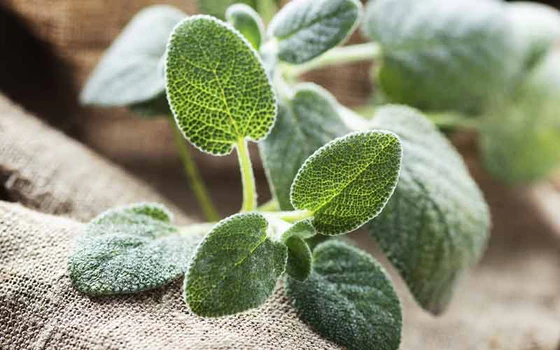
Be Careful with Herbal Supplements
While some herbs are beneficial, others can damage the kidneys when misused. Not all natural remedies are safe.
Understanding how to prevent kidney failure includes:
Avoiding unregulated herbal mixtures
Consulting healthcare professionals
Using supplements responsibly
Your kidneys are sensitive and should be protected from harmful substances.
Managing stress is an often-overlooked aspect of how to prevent kidney failure.
Recognize Early Warning Signs
Although prevention is the goal, recognizing early symptoms is important. Signs include:
Persistent fatigue
Swelling in legs or face
Changes in urination
Poor appetite
How to Prevent Kidney Failure Through Daily Habits
Kidney health depends on consistent daily habits, not sudden changes.
Healthy habits include:
Drinking enough water
Eating balanced meals
Staying active
Avoiding harmful substances
Common Myths
Myth 1: Kidney disease only affects older people
Kidney disease can affect anyone at any age.
Myth 2: Symptoms appear early
Most kidney damage occurs silently.
Myth 3: Once damaged, nothing can help
Early prevention can slow or stop progression.
Understanding the truth helps reinforce how to prevent kidney failure.
Long-Term Benefits of Preventing Kidney Failure
When you protect your kidneys, you also protect:
Your heart
Your energy levels
Your immune system
Your quality of life
Conclusion
Learning how to prevent kidney failure is not about fear—it is about empowerment. Kidney failure does not happen overnight. It develops slowly due to unhealthy habits, unmanaged conditions, and lack of awareness.
By staying hydrated, eating well, managing blood pressure and blood sugar, exercising regularly, and attending routine checkups, you can protect your kidneys and live a healthier life.
Your kidneys work tirelessly every day. Taking care of them is one of the most important health decisions you will ever make.
A graduate of Computer Science and Information Management Technology. Diploma – Caregiving, Certificates – Dementia and Diabetes Awareness and Management. A researcher, blogger, songwriter, singer and acoustic guitarist. Born in an environment where natural talents such as healing are imparted at our natural birth. This natural talents of healing is the result of our genetic inheritance and the training from family environment.
We use cookies on our website to give you the most relevant experience by remembering your preferences and repeat visits. By clicking “Accept All”, you consent to the use of ALL the cookies. However, you may visit "Cookie Settings" to provide a controlled consent.
This website uses cookies to improve your experience while you navigate through the website. Out of these, the cookies that are categorized as necessary are stored on your browser as they are essential for the working of basic functionalities of the website. We also use third-party cookies that help us analyze and understand how you use this website. These cookies will be stored in your browser only with your consent. You also have the option to opt-out of these cookies. But opting out of some of these cookies may affect your browsing experience.
Necessary cookies are absolutely essential for the website to function properly. These cookies ensure basic functionalities and security features of the website, anonymously.
Cookie
Duration
Description
cookielawinfo-checkbox-analytics
11 months
This cookie is set by GDPR Cookie Consent plugin. The cookie is used to store the user consent for the cookies in the category "Analytics".
cookielawinfo-checkbox-functional
11 months
The cookie is set by GDPR cookie consent to record the user consent for the cookies in the category "Functional".
cookielawinfo-checkbox-necessary
11 months
This cookie is set by GDPR Cookie Consent plugin. The cookies is used to store the user consent for the cookies in the category "Necessary".
cookielawinfo-checkbox-others
11 months
This cookie is set by GDPR Cookie Consent plugin. The cookie is used to store the user consent for the cookies in the category "Other.
cookielawinfo-checkbox-performance
11 months
This cookie is set by GDPR Cookie Consent plugin. The cookie is used to store the user consent for the cookies in the category "Performance".
viewed_cookie_policy
11 months
The cookie is set by the GDPR Cookie Consent plugin and is used to store whether or not user has consented to the use of cookies. It does not store any personal data.
Functional cookies help to perform certain functionalities like sharing the content of the website on social media platforms, collect feedbacks, and other third-party features.
Performance cookies are used to understand and analyze the key performance indexes of the website which helps in delivering a better user experience for the visitors.
Analytical cookies are used to understand how visitors interact with the website. These cookies help provide information on metrics the number of visitors, bounce rate, traffic source, etc.
Advertisement cookies are used to provide visitors with relevant ads and marketing campaigns. These cookies track visitors across websites and collect information to provide customized ads.