Understanding HPV in Men: Symptoms, Risks, and What to Do
HPV, or human papillomavirus, is a common virus that spreads mainly through sexual contact. While it’s often discussed in relation to women, HPV in men is also a serious concern that many people overlook. The virus can live in the body without causing symptoms, making it easy to pass on to sexual partners without knowing.
In men, HPV can cause visible symptoms like genital warts and may increase the risk of more serious health problems, such as penile cancer. Even though most cases don’t cause long-term harm, it’s still important to understand HPV in men, how it spreads, the symptoms to watch for, and when to seek medical help.
What Is HPV and How Does It Affect Men?
Human papillomavirus (HPV) is a group of more than 100 related viruses. Some types are harmless, while others are considered high-risk because they can lead to cancers. HPV in men is most commonly spread through direct skin-to-skin contact during vaginal, anal, or oral sex.
In many cases, men who carry the virus show no symptoms at all. This makes it easy for the virus to spread unknowingly. However, certain types of HPV can lead to health problems like warts in the genital area, throat issues, or even cancer of the penis or anus in more severe cases.
Common Symptoms of HPV in Men
Not all HPV infections show symptoms, but when they do, they tend to affect the genital area. Here are some of the most common signs of HPV in men:
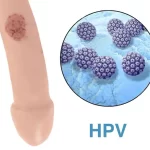
Warts on the penis: These may appear on the head (tip), shaft, or base of the penis.
Itching or discomfort: Many men with HPV report a mild to intense itching sensation around the genitals.
Bleeding or pain: Warts can sometimes cause discomfort or even bleed, especially during sex.
Warts on other parts: Depending on the type of sexual activity, warts may also develop around the anus, on the scrotum, or in the mouth and throat.
Even though some cases of HPV in men only cause mild irritation, the warts can grow larger if left untreated. They may also spread to surrounding areas or lead to emotional distress due to embarrassment or anxiety about infecting a partner.
Can HPV in Men Cause Cancer?
Yes, although it’s rare, HPV in men has been linked to certain types of cancer. This mostly occurs when the infection is caused by high-risk HPV strains that don’t go away on their own.
The most serious risks include:
Penile cancer: HPV is one of the leading causes of this rare cancer.
Anal cancer: Men who have sex with men are especially at higher risk.
Throat cancer (oropharyngeal cancer): Caused by HPV entering through oral sex.
While not every man with HPV will develop cancer, long-term infection with high-risk strains increases the chances. This is why regular checkups and early treatment of symptoms are important.
How Is HPV in Men Diagnosed?
Because HPV in men often doesn’t cause noticeable symptoms, it’s not always easy to diagnose. There’s no routine test for HPV in men like there is for women (such as the Pap smear). Most men only find out they have HPV when warts appear or if their partner tests positive and informs them.
If you notice any unusual growths, itching, or discomfort in your genital area, it’s a good idea to visit a urologist or sexual health clinic. The doctor may:
Visually examine any warts or lesions.
Use a magnifying tool to spot small warts.
Perform a biopsy (in rare cases) to check for signs of cancer.
Early detection is one of the best ways to manage HPV in men and prevent complications.
How Is HPV Transmitted in Men?
Understanding how HPV spreads is key to preventing it. HPV in men is mostly transmitted through direct skin-to-skin contact, especially during sexual activity. Unlike some infections that spread only through fluids like semen or blood, HPV doesn’t need penetration to be passed from one person to another. Here’s how it can spread:
Vaginal sex
Anal sex
Oral sex
Genital-to-genital contact without penetration
Contact with infected skin, even without visible warts
It’s important to note that condoms may reduce the risk but don’t offer complete protection. This is because HPV can infect areas that are not covered by a condom, such as the scrotum, inner thighs, or anus. For this reason, HPV in men can still be passed on even if condoms are used correctly.
The virus is most contagious when warts are present, but it can still be transmitted when no symptoms are showing. This is why so many people carry the virus without realizing it.
Treatment Options for HPV in Men
There is no cure for the virus itself, but the symptoms and health issues caused by HPV in men can be managed. Most healthy immunesystems fight off the virus naturally within one to two years. However, for men with visible symptoms like genital warts or other complications, treatment is often necessary.
Here are the most common treatment options:
Topical Creams and Gels
Doctors may prescribe topical medications to apply directly to the warts. These creams help break down the wart tissue over time. Common options include:
Imiquimod (stimulates the immune system)
Podophyllin (destroys wart cells)
Cryotherapy (Freezing the Warts)
A healthcare provider may freeze the warts with liquid nitrogen. This causes the wart tissue to die and fall off. It may require several sessions depending on the number and size of the warts.
Electrocautery or Laser Removal
If the warts are stubborn, they may be removed using electrical current or laser treatment. This is usually done in a clinic and may require local anesthesia.
Surgical Excision
In more severe cases, especially if there is a concern about cancer, the warts may be surgically removed. This is also considered if other treatments have not worked.
While these treatments help remove warts and reduce discomfort, they don’t eliminate the virus itself. That means HPV can still be in the body and potentially spread to others. For this reason, early diagnosis and regular monitoring are important when managing HPV in men.
Can HPV Be Prevented in Men?
Yes, there are several effective ways to prevent HPV in men or at least lower the risk of infection and its complications.
HPV Vaccination
One of the best ways to prevent HPV is by getting vaccinated. The HPV vaccine (Gardasil 9 is the most common) protects against the most dangerous types of HPV that cause cancers and genital warts.
The vaccine is most effective when given before any sexual activity—usually between ages 9 and 12—but it can also benefit teens and adults up to age 45.
Boys and men can receive the vaccine, and it’s highly recommended to protect against HPV in men, especially for those who have multiple sexual partners or are at higher risk of exposure.
Use of Condoms and Dental Dams
While not foolproof, consistent use of condoms during vaginal, anal, and oral sex can lower the chances of HPV transmission. Dental dams can also be used during oral sex for added protection.
Limiting Sexual Partners
The more partners you have, the higher your risk of HPV exposure. Limiting sexual partners or being in a mutually monogamous relationship can reduce the risk of spreading or catching HPV in men.
Regular Health Check-Ups
Routine health screenings and check-ups can help catch symptoms early. If you’re sexually active, especially with new or multiple partners, it’s a good idea to get checked—even if you feel fine.
Living with HPV as a Man
If you’ve been diagnosed with HPV in men, it’s natural to feel confused or worried at first. But you’re not alone—millions of men carry the virus, and in most cases, it causes no serious long-term health problems.
Here’s what it means to live with HPV as a man:
Most infections go away on their own within 1–2 years.
Having HPV doesn’t mean you’re dirty or promiscuous. It’s extremely common.
It’s important to monitor your health. Keep an eye out for any new symptoms like warts or unusual lumps.
You can still have healthy relationships, but open and honest communication with your partner is key (more on that below).
Take care of your immune system. A strong immune response is your best ally in fighting off HPV in men naturally.
Remember, HPV doesn’t define you—and you can take control of your health by staying informed and proactive.
Talking to Your Partner About HPV
One of the hardest parts of being diagnosed with HPV in men is figuring out how to talk to your partner about it. Here are a few tips for having this important conversation:
Be Honest and Calm
Let your partner know that you’ve tested positive for HPV, or that you’ve noticed symptoms like warts. Remind them that it’s a common virus, and most people get it at some point in their lives.
Share What You Know
Explain what you’ve learned. You can tell them that HPV in men often has no symptoms, but it can still be passed on. Reassure them that there are ways to manage it and reduce the risk of spreading it further.
Talk About Protection
Discuss using condoms, dental dams, or possibly delaying sexual activity until treatment is complete. If your partner is a woman, they should also get regular Pap smears and consider the HPV vaccine if they haven’t already.
Be Supportive
Your partner may feel anxious or confused, just like you did. Try to stay patient and open to questions.
Being upfront builds trust and helps both of you stay safe.
Final Thoughts
HPV in men is more common than many people realize. While most cases cause no symptoms or long-term issues, it’s still important to stay informed. Knowing the signs, understanding how it’s transmitted, getting vaccinated, and taking steps to protect your partner are all part of responsible sexual health.
If you suspect you have HPV in men or you’ve already been diagnosed, don’t panic. With the right support and care, you can manage the infection, stay healthy, and live a normal life.
A graduate of Computer Science and Information Management Technology. Diploma – Caregiving, Certificates – Dementia and Diabetes Awareness and Management. A researcher, blogger, songwriter, singer and acoustic guitarist. Born in an environment where natural talents such as healing are imparted at our natural birth. This natural talents of healing is the result of our genetic inheritance and the training from family environment.
We use cookies on our website to give you the most relevant experience by remembering your preferences and repeat visits. By clicking “Accept All”, you consent to the use of ALL the cookies. However, you may visit "Cookie Settings" to provide a controlled consent.
This website uses cookies to improve your experience while you navigate through the website. Out of these, the cookies that are categorized as necessary are stored on your browser as they are essential for the working of basic functionalities of the website. We also use third-party cookies that help us analyze and understand how you use this website. These cookies will be stored in your browser only with your consent. You also have the option to opt-out of these cookies. But opting out of some of these cookies may affect your browsing experience.
Necessary cookies are absolutely essential for the website to function properly. These cookies ensure basic functionalities and security features of the website, anonymously.
Cookie
Duration
Description
cookielawinfo-checkbox-analytics
11 months
This cookie is set by GDPR Cookie Consent plugin. The cookie is used to store the user consent for the cookies in the category "Analytics".
cookielawinfo-checkbox-functional
11 months
The cookie is set by GDPR cookie consent to record the user consent for the cookies in the category "Functional".
cookielawinfo-checkbox-necessary
11 months
This cookie is set by GDPR Cookie Consent plugin. The cookies is used to store the user consent for the cookies in the category "Necessary".
cookielawinfo-checkbox-others
11 months
This cookie is set by GDPR Cookie Consent plugin. The cookie is used to store the user consent for the cookies in the category "Other.
cookielawinfo-checkbox-performance
11 months
This cookie is set by GDPR Cookie Consent plugin. The cookie is used to store the user consent for the cookies in the category "Performance".
viewed_cookie_policy
11 months
The cookie is set by the GDPR Cookie Consent plugin and is used to store whether or not user has consented to the use of cookies. It does not store any personal data.
Functional cookies help to perform certain functionalities like sharing the content of the website on social media platforms, collect feedbacks, and other third-party features.
Performance cookies are used to understand and analyze the key performance indexes of the website which helps in delivering a better user experience for the visitors.
Analytical cookies are used to understand how visitors interact with the website. These cookies help provide information on metrics the number of visitors, bounce rate, traffic source, etc.
Advertisement cookies are used to provide visitors with relevant ads and marketing campaigns. These cookies track visitors across websites and collect information to provide customized ads.