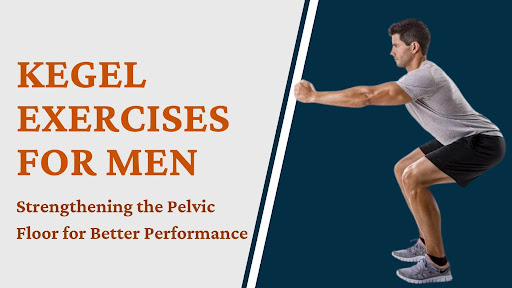
Kegel exercises for men are designed to strengthen the pelvic floor muscles, which include the pubococcygeus muscle, the cremaster muscle, and the anal sphincter. These muscles play an important role in supporting the bladder, prostate, and rectum.
When they are weak, men may experience problems such as urine leakage, bowel control issues, or even sexual difficulties.
Practicing Kegel exercises regularly can help prevent and manage urinary or fecal incontinence, reduce the risk of hemorrhoids, and support recovery after prostate surgery or other pelvic procedures.
In addition, Kegel exercises for men are often recommended to help manage an overactive bladder and improve sexual performance, especially in cases of premature ejaculation, low endurance, or erectile dysfunction.
These exercises are simple, do not require any equipment, and can be performed daily. For men who are just beginning, it is often helpful to consult a physiotherapist. A specialist can evaluate the strength of your pelvic floor muscles and create a personalized exercise plan to ensure you are doing them correctly and safely.
When Kegel Are Recommended
Kegel exercises are generally prescribed when the pelvic floor muscles are weak. Weakness in this area can develop naturally with aging, but it can also be caused by certain health conditions or lifestyle factors. Some of the most common reasons include:
When the pelvic floor muscles are weak, the bladder may not empty completely, which increases the risk of leakage and infection. This can lead to problems such as urinary or fecal incontinence, which can affect both health and quality of life. Strengthening these muscles through Kegel exercises helps restore control and improve confidence.
Step-by-Step Guide: How to Do Kegel Exercises for Men
Learning how to do Kegel exercises for men correctly is very important, because doing them the wrong way may not give the desired results. Here is a simple step-by-step guide to help you get started:
Identify the Right Muscles
The first step is to locate your pelvic floor muscles. A simple way to do this is to try stopping your urine flow midstream while urinating. The muscles you use to hold back the flow are the same muscles you need to contract during Kegel exercises.
Tip: Do not make a habit of stopping urine frequently, as this can cause bladder problems. Use this method only to identify the muscles.
Get into a Comfortable Position
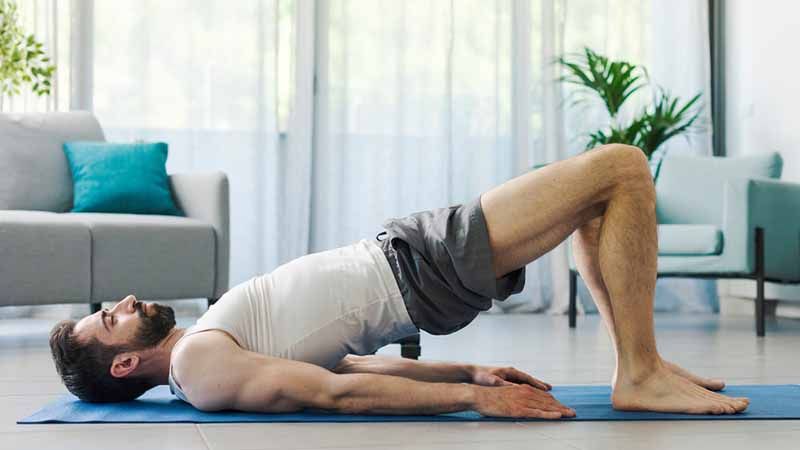
Kegel exercises can be done while sitting, standing, or lying down. If you are just starting out, lying on your back with your knees bent may be the easiest position.
Contract the Muscles
Once you are in position, tighten your pelvic floor muscles. You should feel a lifting or pulling sensation inside, as if you are trying to stop urine or prevent passing gas. Make sure not to tighten your thighs, buttocks, or abdomen—only focus on the pelvic floor.
Hold the Contraction
Hold the contraction for 3 to 5 seconds when you are starting out. As your muscles become stronger, you can gradually increase the hold time to 10 seconds.
Relax and Release
After each contraction, relax your muscles completely for the same amount of time you held them. For example, if you contract for 5 seconds, relax for 5 seconds. This rest period allows the muscles to recover.
Repeat the Exercise
Aim for 10 to 15 repetitions in one set. You can perform up to three sets per day, spread out at different times (morning, afternoon, evening).
Tips for Best Results
Consistency is key: Practice every day for lasting benefits.
Breathe normally: Do not hold your breath while doing the exercises. Inhale as you relax, and exhale as you contract.
Stay patient: It may take a few weeks to notice improvements in bladder control or sexual performance.
Avoid overdoing it: Too many repetitions may tire out the muscles and cause discomfort.
Discreet practice: Once you master the technique, you can do Kegels anywhere—while at work, driving, or watching TV.
Benefits of Kegel Exercises for Men
Best Kegel Exercises For Men
The advantages of practicing Kegel exercises for men go far beyond just strengthening the pelvic floor. These simple movements can have a powerful impact on overall health, confidence, and quality of life. Here are the key benefits:
Improved Bladder Control
One of the most common reasons men are advised to do Kegel exercises is to manage urinary incontinence. Weak pelvic floor muscles can make it difficult to control urine flow, leading to leaks when coughing, sneezing, laughing, or lifting heavy objects. By strengthening these muscles, Kegel exercises help improve bladder control, reduce leakage, and support more complete emptying of the bladder.
Better Bowel Control
In addition to bladder health, Kegel exercises for men also strengthen the anal sphincter and surrounding muscles, which improves bowel control. This can reduce episodes of fecal incontinence or urgency, especially in men who have had pelvic surgery or suffer from chronic constipation.
Support After Prostate Surgery
Men who undergo prostate surgery (such as prostatectomy) are often left with weak pelvic floor muscles, which increases the risk of incontinence. Doctors commonly recommend Kegel exercises during recovery to help regain bladder and bowel control more quickly. Regular practice can speed up the healing process and improve long-term outcomes.
Enhanced Sexual Performance
Kegel exercises for men can also play a significant role in sexual health. By strengthening the pelvic floor, men can experience:
Longer endurance during sex
Better control over premature ejaculation
Stronger and longer-lasting erections
More intense and satisfying orgasms
This happens because stronger pelvic muscles improve blood circulation to the penis and provide greater control over ejaculation.
Relief from an Overactive Bladder
An overactive bladder causes frequent and urgent needs to urinate, sometimes even at night. Kegel exercises help calm this condition by improving the bladder’s support system and training the muscles to contract and relax more effectively.
Prevention of Hemorrhoids
Since Kegel exercises improve circulation and support around the rectal area, they may reduce the risk of hemorrhoids caused by straining during bowel movements.
Better Core Stability and Posture
The pelvic floor is part of the body’s core muscle system, which includes the lower back and abdominal muscles. Strengthening this area through Kegels improves core stability, supports better posture, and can even help prevent back pain.
Common Mistakes Men Make When Doing Kegel Exercises
While Kegel exercises for men are simple, many people do them incorrectly at first. Making mistakes can slow down progress or even cause unnecessary strain. Here are the most common errors to watch out for:
Using the Wrong Muscles
The biggest mistake is tightening the buttocks, thighs, or abdominal muscles instead of the pelvic floor. When done correctly, only the pelvic floor muscles should contract. If other muscles are tightening, you’re not doing true Kegel exercises.
Holding the Breath
Some men tend to hold their breath while contracting. This creates pressure in the abdomen and makes the exercise less effective. Instead, breathe naturally—inhale when relaxing and exhale when squeezing.
Overdoing the Exercises
More is not always better. Doing too many repetitions can tire out the muscles, causing soreness or even worsening bladder leakage. The ideal routine is 10–15 repetitions, three times a day.
Inconsistent Practice
Kegel exercises only work if done regularly. Skipping days or stopping after a week will not produce lasting results. Just like any other workout, consistency is key.
Performing Kegels Only While Urinating
Although stopping urine flow is useful for identifying the muscles, it should not be the main way to practice. Doing it too often can cause urinary tract problems and interfere with proper bladder emptying.
Expecting Instant Results
Some men stop doing Kegel exercises because they don’t see immediate changes. But benefits usually appear after a few weeks of consistent practice. Patience and persistence are essential.
Poor Posture or Body Tension
Slouching or tensing up the body while doing Kegels reduces effectiveness. Aim for a relaxed posture—whether lying down, sitting, or standing—and focus only on the pelvic floor muscles.
How Often Should Men Do Kegel Exercises?
The effectiveness of Kegel exercises for men depends on how consistently and correctly they are performed. Just like training any other muscle in the body, the pelvic floor needs a balance of regular practice and rest to grow stronger.
Best Kegel Exercises For Men
Recommended Frequency
Beginner level: Start with 10–15 contractions per session, three times daily (morning, afternoon, and evening).
Intermediate level: After 3–4 weeks, gradually increase the hold time from 3–5 seconds to 8–10 seconds per contraction.
Advanced level: Once your muscles are stronger, you can perform up to 20 repetitions per session, still three times a day.
Duration of Practice
Most men notice improvements in bladder control and endurance after about 4 to 6 weeks of daily practice. However, maximum results, especially for sexual performance and recovery after surgery, may take 3 to 6 months of consistent effort.
Integrating Kegels into Daily Life
One of the best things about Kegel exercises is that they are discreet. You can do them almost anywhere:
While sitting at your desk
During a commute or driving
While watching TV or reading
Before going to sleep
This makes it easy to fit them into your daily routine without needing special equipment or extra time.
Long-Term Maintenance
Even after reaching your goals, it’s important to keep practicing. Doing a few sets every day or at least several times a week helps maintain strength in the pelvic floor and prevents problems from returning.
Final Tips for Success with Kegel Exercises for Men
To get the most out of Kegel exercises for men, keep these tips in mind:
Start slow and progress gradually: Don’t push too hard in the beginning. Build strength over time.
Focus on form, not speed: Quality contractions are more effective than rushing through repetitions.
Be consistent: Daily practice is the key to noticeable results.
Pair with a healthy lifestyle: Eating well, staying hydrated, avoiding smoking, and exercising regularly will all support pelvic floor strength.
Seek professional guidance if needed: A physiotherapist or doctor can help ensure you’re doing the exercises correctly, especially if you’re recovering from surgery or dealing with severe incontinence.
Stay patient: Improvements may take weeks or months, but the benefits are long-lasting.
Conclusion
Kegel exercises for men are a simple yet powerful way to improve pelvic floor strength, enhance bladder and bowel control, and boost sexual performance. They can also support recovery after prostate or pelvic surgery and prevent common issues such as incontinence and hemorrhoids.
By practicing regularly, focusing on the correct technique, and avoiding common mistakes, men of all ages can enjoy better control, improved confidence, and greater quality of life.
Whether your goal is to prevent future problems, recover after surgery, or improve endurance and performance, Kegel exercises for men are a safe, effective, and natural solution that can be done anytime, anywhere.
A graduate of Computer Science and Information Management Technology. Diploma – Caregiving, Certificates – Dementia and Diabetes Awareness and Management. A researcher, blogger, songwriter, singer and acoustic guitarist. Born in an environment where natural talents such as healing are imparted at our natural birth. This natural talents of healing is the result of our genetic inheritance and the training from family environment.
We use cookies on our website to give you the most relevant experience by remembering your preferences and repeat visits. By clicking “Accept All”, you consent to the use of ALL the cookies. However, you may visit "Cookie Settings" to provide a controlled consent.
This website uses cookies to improve your experience while you navigate through the website. Out of these, the cookies that are categorized as necessary are stored on your browser as they are essential for the working of basic functionalities of the website. We also use third-party cookies that help us analyze and understand how you use this website. These cookies will be stored in your browser only with your consent. You also have the option to opt-out of these cookies. But opting out of some of these cookies may affect your browsing experience.
Necessary cookies are absolutely essential for the website to function properly. These cookies ensure basic functionalities and security features of the website, anonymously.
Cookie
Duration
Description
cookielawinfo-checkbox-analytics
11 months
This cookie is set by GDPR Cookie Consent plugin. The cookie is used to store the user consent for the cookies in the category "Analytics".
cookielawinfo-checkbox-functional
11 months
The cookie is set by GDPR cookie consent to record the user consent for the cookies in the category "Functional".
cookielawinfo-checkbox-necessary
11 months
This cookie is set by GDPR Cookie Consent plugin. The cookies is used to store the user consent for the cookies in the category "Necessary".
cookielawinfo-checkbox-others
11 months
This cookie is set by GDPR Cookie Consent plugin. The cookie is used to store the user consent for the cookies in the category "Other.
cookielawinfo-checkbox-performance
11 months
This cookie is set by GDPR Cookie Consent plugin. The cookie is used to store the user consent for the cookies in the category "Performance".
viewed_cookie_policy
11 months
The cookie is set by the GDPR Cookie Consent plugin and is used to store whether or not user has consented to the use of cookies. It does not store any personal data.
Functional cookies help to perform certain functionalities like sharing the content of the website on social media platforms, collect feedbacks, and other third-party features.
Performance cookies are used to understand and analyze the key performance indexes of the website which helps in delivering a better user experience for the visitors.
Analytical cookies are used to understand how visitors interact with the website. These cookies help provide information on metrics the number of visitors, bounce rate, traffic source, etc.
Advertisement cookies are used to provide visitors with relevant ads and marketing campaigns. These cookies track visitors across websites and collect information to provide customized ads.