









Miscarriage at 6 Months: Causes, Symptoms, Treatment, Recovery, and Hope for the Future
Experiencing a miscarriage at 6 months is one of the most painful and emotionally devastating events a woman, her partner, and her family can face. At six months of pregnancy, the journey is already far advanced.
Many parents have felt their baby kick regularly, attended prenatal appointments, shared the news widely, bought baby clothes, chosen names, and imagined life after birth. Losing a pregnancy at this stage brings not only physical pain but also deep emotional, psychological, and spiritual distress.
A miscarriage at 6 months is often unexpected. Unlike early pregnancy loss, which sometimes happens before a woman even knows she is pregnant, late miscarriage occurs after a strong emotional bond has formed.
Many women struggle with confusion, guilt, fear, anger, and sadness, often asking themselves painful questions about what went wrong and whether it could have been prevented.
This comprehensive article is written to provide clarity, comfort, and medically accurate information about miscarriage at 6 months. It explains what it means, why it happens, how it is treated, what recovery looks like, and how hope can slowly return after loss. The goal is not only to inform but also to reassure anyone walking through this difficult experience that they are not alone.
What Is a Miscarriage at 6 Months?
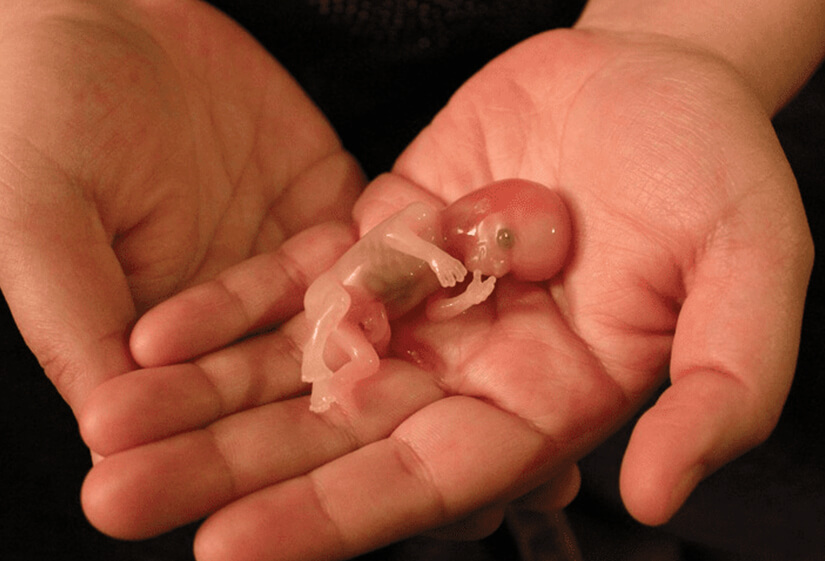
A miscarriage at 6 months refers to the loss of a pregnancy between approximately 20 and 24 weeks of gestation. By this time, the fetus is well developed, organs have formed, and movement is often strong and regular. Many women can visibly see their pregnancy, and others around them are aware of it.
From a medical perspective, pregnancy loss is classified based on gestational age. Loss before the first trimester is considered early miscarriage, while loss in the second trimester is referred to as late miscarriage. At six months, pregnancy loss sits at the border between late miscarriage and stillbirth, depending on regional medical definitions.
Regardless of terminology, the experience is deeply traumatic. The physical process often resembles labor and delivery, which makes the loss even more emotionally overwhelming.
Is Miscarriage at 6 Months the Same as Stillbirth?
Miscarriage at 6 months and stillbirth are closely related terms, but they are not always medically identical. The difference mainly depends on gestational age and local medical guidelines.
In many healthcare systems:
- Miscarriage is defined as pregnancy loss before 20 to 24 weeks
- Stillbirth is defined as pregnancy loss after 24 to 28 weeks
Because six months falls within this transition period, some doctors may use the term late miscarriage, while others may refer to it as an early stillbirth. For parents, however, the distinction often feels meaningless because the emotional impact is equally profound.
How Common Is Miscarriage at 6 Months?
A miscarriage at 6 months is far less common than early pregnancy loss. Studies show that most miscarriages occur within the first 12 weeks of pregnancy. Second-trimester losses account for a small percentage of total miscarriages.
Although rare, late miscarriages do occur and often come as a shock because many women believe they are “safe” once they pass the first trimester. This misconception can make the emotional impact even more severe.
Common Causes of Miscarriage at 6 Months
There is usually no single cause of miscarriage at 6 months. In many cases, several factors may interact. Sometimes, the exact cause is never identified, which can be emotionally difficult for parents seeking answers.
Cervical Insufficiency
Cervical insufficiency occurs when the cervix weakens and opens too early without pain or contractions. This can lead to premature labor and pregnancy loss, often without warning.
Placental Problems
The placenta plays a critical role in delivering oxygen and nutrients to the fetus. Conditions such as placental abruption or poor placental attachment can interrupt this supply, leading to fetal distress and loss.
Infections
Serious bacterial or viral infections can trigger miscarriage at 6 months. Infections may originate in the reproductive tract or elsewhere in the body and spread to the uterus.
Chronic Medical Conditions
Uncontrolled conditions such as diabetes, high blood pressure, autoimmune disorders, kidney disease, or blood clotting disorders significantly increase the risk of late pregnancy loss.
Fetal or Genetic Abnormalities
Some babies develop severe genetic or structural abnormalities that are not compatible with life. These abnormalities may only become apparent later in pregnancy.
Trauma and Physical Injury
Severe accidents, falls, or physical violence can result in miscarriage at 6 months by causing uterine injury or placental separation.
Risk Factors for Miscarriage at 6 Months
Certain factors increase the likelihood of experiencing a miscarriage at 6 months, though having a risk factor does not guarantee loss.
Common risk factors include:
- Advanced maternal age
- Previous late miscarriages
- Smoking, alcohol use, or drug abuse
- Poor nutrition
- Untreated infections
- Multiple pregnancies (twins or triplets)
- Lack of consistent prenatal care
Understanding these risks allows doctors to monitor high-risk pregnancies more closely.
Symptoms of Miscarriage at 6 Months
Symptoms of miscarriage at 6 months can vary in intensity and timing. Some women notice warning signs gradually, while others experience sudden onset.
Common symptoms include:
- Heavy vaginal bleeding
- Severe lower abdominal or pelvic pain
- Persistent lower back pain
- Leakage of fluid from the vagina
- Sudden decrease or absence of fetal movement
Any of these symptoms should be treated as a medical emergency.
How Miscarriage at 6 Months Is Diagnosed
Diagnosis involves both physical examination and imaging.
Doctors may use:
- Ultrasound to confirm absence of fetal heartbeat
- Cervical examination to assess dilation
- Blood tests to evaluate pregnancy hormones
- Monitoring of contractions and fluid loss
The diagnostic process is often emotionally distressing, and compassionate communication from healthcare providers is essential.
Medical Treatment After a Miscarriage at 6 Months
Treatment focuses on protecting the mother’s health and preventing complications.
Hospital Admission
Most women require hospital care for monitoring, emotional support, and stabilization.
Labor and Delivery
The body may go into labor naturally, or labor may be medically induced. Pain management options are provided to ensure comfort.
Infection Prevention
Antibiotics are commonly given to reduce the risk of infection after delivery.
Physical Recovery
Bleeding and cramping may continue for several weeks as the uterus contracts and heals.
Emotional and Psychological Impact
The emotional impact of miscarriage at 6 months is profound and long-lasting.
Many women experience:
- Intense grief and sadness
- Depression and anxiety
- Guilt or self-blame
- Anger or emotional numbness
Partners also grieve deeply, though their emotions may be expressed differently. Counseling, therapy, faith-based support, and support groups can be life-changing during recovery.
Recovery After Miscarriage at 6 Months
Physical Recovery
Physical healing usually takes several weeks. Hormonal changes can cause fatigue, mood swings, and physical discomfort.
Emotional Healing
Grief has no timeline. Healing happens gradually, and emotional support should never be rushed or dismissed.
Menstrual Cycle and Hormones
Menstruation typically returns within 4 to 6 weeks, though this varies.
Can You Get Pregnant Again After a Miscarriage at 6 Months?
Yes. Many women go on to have healthy pregnancies after experiencing a miscarriage at 6 months.
Doctors often recommend waiting a few months before trying again to allow physical and emotional recovery. Future pregnancies may involve closer monitoring, medication, or lifestyle adjustments.
Preventing Miscarriage at 6 Months
Not all miscarriages can be prevented, but risk can be reduced through:
- Early and consistent prenatal care
- Managing chronic health conditions
- Treating infections promptly
- Avoiding alcohol, smoking, and drugs
- Following medical advice carefully
When to See a Doctor
Seek immediate medical help if:
- Heavy bleeding occurs
- Severe pain develops
- Fetal movement stops
- Fever or infection symptoms appear
- Emotional distress becomes overwhelming
Frequently Asked Questions (FAQs)
Can stress alone cause miscarriage at 6 months?
Stress alone is unlikely to cause miscarriage, but extreme stress may contribute alongside medical factors.
Is miscarriage at 6 months physically painful?
It can involve pain similar to labor, but pain relief is available.
Will miscarriage at 6 months happen again?
Many women have successful pregnancies afterward, especially with medical support.
Final Thoughts
A miscarriage at 6 months is a devastating loss that leaves deep emotional wounds. However, with time, compassionate medical care, emotional support, and patience, healing is possible. No woman is at fault for this loss, and hope for the future remains.
If you or someone you love has experienced miscarriage at 6 months, seeking medical guidance and emotional support is an important step toward recovery and renewed strength.

A graduate of Computer Science and Information Management Technology. Diploma – Caregiving, Certificates – Dementia and Diabetes Awareness and Management. A researcher, blogger, songwriter, singer and acoustic guitarist. Born in an environment where natural talents such as healing are imparted at our natural birth. This natural talents of healing is the result of our genetic inheritance and the training from family environment.