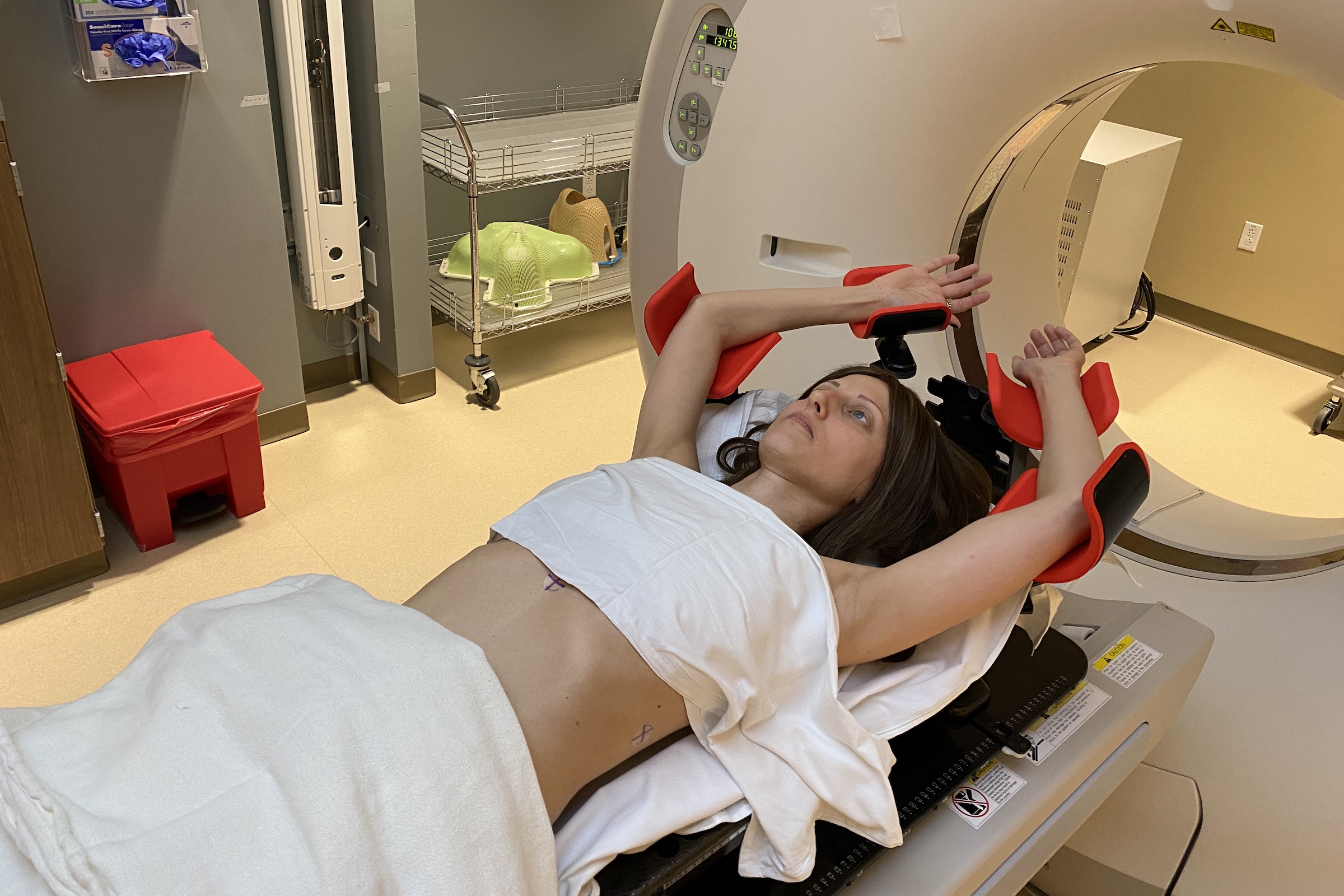
A new study has shed light on an unexpected potential benefit of breast cancer treatment—particularly radiotherapy—suggesting it may be linked to a reduced short-term risk of Alzheimer’s disease. This finding adds a new dimension to the ongoing research exploring how cancer therapies affect long-term cognitive health.
Breast Cancer and Alzheimer’s: Two Public Health Challenges
Breast cancer remains one of the most prevalent cancers affecting women globally. According to the American Cancer Society, one in eight women in the United States will be diagnosed with breast cancer during their lifetime.
Meanwhile, Alzheimer’s disease—a progressive neurodegenerative disorder—is another growing public health concern. The Alzheimer’s Association estimates that approximately seven million people in the U.S. are currently living with the condition.
Cancer treatments, especially chemotherapy and radiation therapy, are often associated with long-term side effects, including cognitive decline. As a result, researchers sought to investigate whether breast cancer treatments might influence the likelihood of developing Alzheimer’s disease later in life.
Study Overview: Examining the Link Between Cancer Treatment and Cognitive Risk
The study, published in JAMA Network Open, analyzed data from the Korean National Health Insurance Service. Researchers examined medical records from nearly 70,000 women who had survived breast cancer, comparing them with a control group of 180,000 women without cancer.
All participants had undergone treatment, including surgery, between 2010 and 2016. The researchers followed up with these women for an average of seven years to track the onset of Alzheimer’s disease.
Radiation therapy was the most commonly used treatment among breast cancer survivors, with over 71% of the group receiving it. Additionally, more than half of the women underwent chemotherapy, and nearly half were treated with hormone therapy.
Key Findings: Radiation Therapy May Offer Short-Term Cognitive Protection
During the follow-up period, 1,229 breast cancer survivors were diagnosed with Alzheimer’s disease. Interestingly, when compared to the control group, the breast cancer group had an 8% lower overall risk of developing Alzheimer’s.
The most significant reduction in risk was observed among women who had received radiation therapy, leading researchers to suspect that radiotherapy could play a protective role in the short term.
However, this protective effect appeared to diminish over time. The study authors wrote, “Based on these findings, we hypothesize that the risk of Alzheimer’s dementia could be lowered shortly after cancer treatment but may equalize as the survival period increases.”
They emphasized that while radiation therapy showed potential cognitive benefits, other treatments such as chemotherapy and hormone therapy did not show a statistically significant impact on Alzheimer’s risk.
The maximum follow-up period in the study was 11 years, which the authors acknowledged may not be long enough to fully understand the long-term effects of cancer treatments on dementia risk. They called for more extensive, longitudinal research to draw clearer conclusions.
Expert Opinions: Why Might Radiotherapy Lower Alzheimer’s Risk?
Dr. Jon Stewart Hao Dy, a neurologist affiliated with the Philippines Neurological Association, found the findings compelling but not entirely surprising.
According to him, cancer patients typically receive timely and comprehensive care, which may help mitigate other health risks, including those related to cognition.
He added that radiation therapy may help lower inflammation in the brain and reduce certain processes like astrogliosis and microgliosis, which are associated with neurodegeneration. These anti-inflammatory and neuroprotective effects might contribute to the observed short-term cognitive benefit.
Dr. Rizwan Bashir, a U.S.-based neurologist at AICA Orthopedics who was also not involved in the study, described the findings as “fascinating.” He theorized that radiation therapy might modulate the immune system or interfere with the formation of amyloid plaques, a hallmark of Alzheimer’s disease.
He also noted the complex role of estrogen in both breast cancer and neurodegeneration. According to him, hormone therapies that reduce estrogen levels could, in some cases, lower Alzheimer’s risk as well.
Conclusion: A New Frontier in Cancer and Cognitive Health Research
This emerging research is reshaping the narrative around cancer treatment side effects, particularly when it comes to long-term cognitive outcomes.
While more studies are needed to confirm these preliminary findings and explore underlying biological mechanisms, the possibility that radiation therapy might offer short-term cognitive protection opens the door to new insights and interventions.
As Dr. Bashir concluded, “This study is encouraging in that it challenges assumptions and suggests that certain cancer-related treatments may influence dementia risk in unexpected ways. More longitudinal research will be critical in clarifying these associations.”
For now, the findings offer a glimmer of hope and a potential avenue for further exploration in the quest to understand and reduce Alzheimer’s disease risk among breast cancer survivors.
SEE MORE