Types of Headaches: Causes, Symptoms, Treatments, and Prevention Tips
Discover the different types of headaches, their causes, symptoms, and treatments. Learn how to prevent headaches naturally and when to seek medical care.
Headaches are among the most common health complaints in the world. Almost everyone experiences one at some point in their lives. While many headaches are mild and short-lived, others can be severe, long-lasting, or even a sign of a more serious condition. Understanding the types of headaches, what causes them, and how to treat or prevent them can make a big difference in managing your health and quality of life.
In this comprehensive guide, we’ll explore the different types of headaches, their causes, symptoms, and treatment options, along with practical lifestyle tips to help reduce their frequency and intensity.
What Is a Headache?
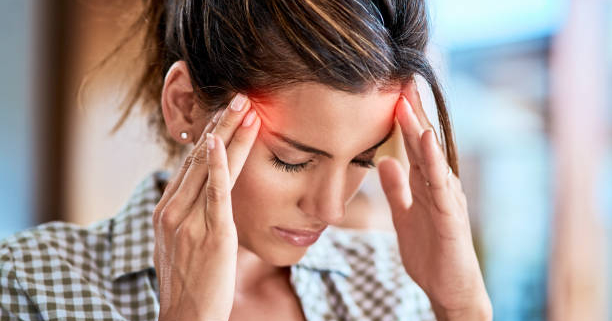
A headache is a pain or discomfort felt in the head, scalp, or neck region. The pain may feel dull, throbbing, sharp, or pressure-like, depending on its cause. Although headaches can affect people of all ages and backgrounds, some individuals experience them more frequently than others.
In most cases, headaches are not life-threatening. However, certain types of headaches may signal an underlying medical condition that requires prompt attention. Recognizing the difference is essential to getting the right care.
Main Types of Headaches
Headaches are broadly classified into two categories: primary headaches and secondary headaches.
Primary Headaches
Primary headaches occur independently — they are not caused by another medical condition. The pain itself is the main problem. These include tension-type headaches, migraines, and cluster headaches.
Secondary Headaches
Secondary headaches are caused by another underlying issue, such as sinus infections, dehydration, high blood pressure, or even head injuries. Treating the root cause usually helps relieve the pain.
Now, let’s take a deeper look at the most common types of headaches under each category.
Primary Headache Types
Tension-Type Headache
Tension-type headaches are the most common form of headache, affecting millions of people worldwide. They often feel like a tight band or pressure around the head and can affect both sides of the skull.
Symptoms include:
Dull, aching pain on both sides of the head
Tightness or pressure around the forehead or the back of the head
Tenderness in the scalp, neck, or shoulder muscles
Mild to moderate pain (not worsened by physical activity)
Treatment & Relief:
Most tension headaches respond well to rest, over-the-counter pain relievers like ibuprofen or acetaminophen, and relaxation techniques such as stretching, deep breathing, or gentle neck massages. Regular exercise and good posture can also reduce recurrence.
Migraine Headache
Migraines are intense and often disabling headaches that come with a variety of symptoms beyond just head pain. They can significantly impact daily activities and may last for hours or even days.
Symptoms include:
Throbbing or pulsating pain (usually on one side of the head)
Sensitivity to light, sound, or smell
Nausea and vomiting
Blurred vision or visual disturbances (known as “aura”)
Dizziness or fatigue
Aura symptoms may include:
Flashes of light or zigzag patterns
Temporary loss of vision
Tingling sensations in the face or limbs
Difficulty speaking
Triggers:
Hormonal changes (especially in women)
Skipping meals
Certain foods like cheese, chocolate, or processed meats
Pain relief medications (ibuprofen, aspirin, or triptans)
Resting in a quiet, dark room
Applying a cold compress to the forehead
Prescription medications for chronic migraines
Prevention:
Identifying and avoiding triggers, maintaining regular sleep and meal schedules, and managing stress are key. Some people benefit from preventive medications prescribed by doctors.
Cluster Headache
Cluster headaches are one of the most severe types of headaches, characterized by sharp, burning, or stabbing pain, typically around one eye. They tend to occur in “clusters,” meaning several attacks can happen daily for weeks or months, followed by remission periods.
Symptoms include:
Intense pain around or behind one eye
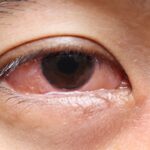
Red or watery eyes
Nasal congestion or runny nose
Drooping or swollen eyelid
Restlessness or agitation during attacks
Duration: 15 minutes to 3 hours per attack, several times a day.
Prescription medications (such as sumatriptan injections or nasal sprays)
Oxygen therapy
Preventive drugs to shorten cluster periods
Cluster headaches can be excruciating but are relatively rare. Anyone experiencing them should seek medical advice from a neurologist.
Secondary Headache Types
Sinus Headache
Sinus headaches occur when the sinuses (air-filled spaces in the skull) become inflamed or blocked due to infection, allergies, or colds.
Symptoms include:
Pressure or pain around the eyes, forehead, and cheeks
Pain that worsens when bending forward
Nasal congestion or runny nose
Fever or sore throat in some cases
Treatment:
Decongestants or antihistamines
Nasal sprays
Steam inhalation
Treating the underlying sinus infection with antibiotics if necessary
Dehydration Headache
Lack of enough fluids in the body can lead to dehydration headaches. The brain temporarily contracts from fluid loss, pulling away from the skull and causing pain.
Symptoms include:
Dull or throbbing pain all over the head
Fatigue and dizziness
Dry mouth and dark urine
Prevention and Treatment:
Drink plenty of water throughout the day, especially during exercise or hot weather. Avoid excessive caffeine and alcohol, which can worsen dehydration.
Alcohol (Hangover) Headache
This headache occurs after drinking alcohol, particularly in excess.
Symptoms include:
Throbbing pain that worsens with movement
Sensitivity to light or sound
Nausea and dehydration
Prevention & Relief:
Stay hydrated, eat before drinking, and moderate alcohol intake. Rehydration, rest, and over-the-counter pain relief can help manage symptoms.
Sleep Apnea Headache
Sleep apnea, a condition that causes breathing interruptions during sleep, can trigger morning headaches.
Symptoms include:
Pain on both sides of the head upon waking
Fatigue and daytime sleepiness
Loud snoring or choking sounds at night
Treatment:
Managing sleep apnea with CPAP (continuous positive airway pressure) therapy, weight management, or lifestyle changes can significantly reduce headache frequency.
Altitude Headache
These headaches occur due to reduced oxygen levels at high altitudes.
Symptoms include:
Throbbing pain, usually in the forehead or all over the head
Dizziness and nausea
Fatigue and shortness of breath
Prevention & Relief:
Ascend gradually to higher altitudes, stay hydrated, and rest if symptoms appear. In severe cases, medication or descent may be necessary.
Less Common but Serious Types of Headaches
While most headaches are harmless, some can signal serious medical issues.
Thunderclap Headache
A sudden, extremely severe headache that peaks within seconds. It can indicate a brain hemorrhage or aneurysm — seek immediate medical attention.
Headache from High Blood Pressure
Severe hypertension can cause pain, usually at the back of the head. It may come with dizziness, blurred vision, or chest discomfort.
Headache After Head Injury
Any headache following trauma should be evaluated to rule out concussion or internal bleeding.
Headache from Brain Tumor or Meningitis
Persistent or worsening headaches with symptoms like vomiting, vision problems, or neck stiffness require urgent medical attention.
Diagnosing the Cause of Headaches
Doctors can often determine the type of headache based on your symptoms and medical history. Keeping a headache diary can help you and your healthcare provider identify triggers and patterns.
What to record in your diary:
Time and duration of headache
Pain location and severity
Any accompanying symptoms
Possible triggers (food, stress, lack of sleep, etc.)
Medications taken and their effects
If your doctor suspects a secondary cause, they may order:
Blood tests
Eye examination
CT or MRI scans
Lumbar puncture (spinal tap) for infections
When to See a Doctor
Seek medical attention immediately if you experience:
A sudden, severe headache (“worst in your life”)
Headache with confusion, fever, or neck stiffness
Headache following a head injury
Persistent headaches that worsen over time
Headache accompanied by vision changes, seizures, or weakness
You should also see a doctor if:
You experience headaches more than twice a week
Over-the-counter medications stop working
The headache interferes with work or daily life
Treatment Options
Over-the-Counter Pain Relievers
Paracetamol, ibuprofen, or aspirin often help relieve mild to moderate headaches. Avoid taking them too often to prevent “medication overuse headaches.”
Prescription Medications
For chronic or severe headaches, doctors may prescribe:
Aromatherapy (especially peppermint or lavender oil)
Preventing Headaches Naturally
Prevention is better than cure, and lifestyle changes play a major role in reducing the frequency of all types of headaches.
Prevention tips include:
Eat balanced meals: Avoid skipping breakfast and identify food triggers.
Stay hydrated: Drink enough water daily.
Get adequate sleep: Maintain a regular sleep schedule.
Manage stress: Try mindfulness or relaxation exercises.
Maintain good posture: Especially if you sit at a desk for long hours.
Limit screen time: Take breaks from phones and computers.
Avoid excessive alcohol or caffeine.
Complications: When Headache Becomes Chronic
Using pain relievers too frequently can lead to medication overuse headaches. This condition causes daily or near-daily pain and can make other headaches worse. To avoid this, only use medications as directed and consult your doctor about long-term solutions.
Final Thoughts
Headaches can range from mild and temporary to severe and disabling. Understanding the types of headaches you experience is the first step toward effective management. While most headaches are harmless and can be managed at home, some require medical evaluation, especially if they come with additional symptoms like confusion, fever, or sudden onset.
By identifying triggers, practicing healthy habits, and working closely with your healthcare provider, you can significantly reduce how often headaches occur and improve your overall well-being.
A graduate of Computer Science and Information Management Technology. Diploma – Caregiving, Certificates – Dementia and Diabetes Awareness and Management. A researcher, blogger, songwriter, singer and acoustic guitarist. Born in an environment where natural talents such as healing are imparted at our natural birth. This natural talents of healing is the result of our genetic inheritance and the training from family environment.
We use cookies on our website to give you the most relevant experience by remembering your preferences and repeat visits. By clicking “Accept All”, you consent to the use of ALL the cookies. However, you may visit "Cookie Settings" to provide a controlled consent.
This website uses cookies to improve your experience while you navigate through the website. Out of these, the cookies that are categorized as necessary are stored on your browser as they are essential for the working of basic functionalities of the website. We also use third-party cookies that help us analyze and understand how you use this website. These cookies will be stored in your browser only with your consent. You also have the option to opt-out of these cookies. But opting out of some of these cookies may affect your browsing experience.
Necessary cookies are absolutely essential for the website to function properly. These cookies ensure basic functionalities and security features of the website, anonymously.
Cookie
Duration
Description
cookielawinfo-checkbox-analytics
11 months
This cookie is set by GDPR Cookie Consent plugin. The cookie is used to store the user consent for the cookies in the category "Analytics".
cookielawinfo-checkbox-functional
11 months
The cookie is set by GDPR cookie consent to record the user consent for the cookies in the category "Functional".
cookielawinfo-checkbox-necessary
11 months
This cookie is set by GDPR Cookie Consent plugin. The cookies is used to store the user consent for the cookies in the category "Necessary".
cookielawinfo-checkbox-others
11 months
This cookie is set by GDPR Cookie Consent plugin. The cookie is used to store the user consent for the cookies in the category "Other.
cookielawinfo-checkbox-performance
11 months
This cookie is set by GDPR Cookie Consent plugin. The cookie is used to store the user consent for the cookies in the category "Performance".
viewed_cookie_policy
11 months
The cookie is set by the GDPR Cookie Consent plugin and is used to store whether or not user has consented to the use of cookies. It does not store any personal data.
Functional cookies help to perform certain functionalities like sharing the content of the website on social media platforms, collect feedbacks, and other third-party features.
Performance cookies are used to understand and analyze the key performance indexes of the website which helps in delivering a better user experience for the visitors.
Analytical cookies are used to understand how visitors interact with the website. These cookies help provide information on metrics the number of visitors, bounce rate, traffic source, etc.
Advertisement cookies are used to provide visitors with relevant ads and marketing campaigns. These cookies track visitors across websites and collect information to provide customized ads.