Weight Loss Fruits and Vegetables: A Powerful Natural Approach to Healthy Fat Loss
Discover the best weight loss fruits and vegetables to support natural fat burning, appetite control, and healthy digestion. Learn how fruits and vegetables help you lose weight safely and sustainably.
Weight loss is one of the most common health goals worldwide, yet it remains one of the most misunderstood. Many people believe losing weight requires extreme dieting, skipping meals, or eliminating entire food groups. In reality, sustainable and healthy weight loss comes from nourishing your body with the right foods. Among the most effective options are weight loss fruits and vegetables.
Fruits and vegetables offer a wide range of health benefits that support the body in natural and powerful ways. They are rich in essential vitamins, minerals, fiber, and antioxidants that help strengthen the immune system, protect cells from damage, and support proper organ function.
Regular consumption of fruits and vegetables improves digestion, supports heart health, and helps regulate blood sugar levels. Their high fiber and water content promote fullness, making it easier to control appetite and maintain a healthy weight.
In addition, the antioxidants found in fruits and vegetables help reduce inflammation, slow aging processes, and lower the risk of chronic diseases such as heart disease, diabetes, and certain cancers.
Beyond physical health, fruits and vegetables also play an important role in overall well-being and long-term vitality. They provide steady energy, improve gut health by feeding beneficial bacteria, and support healthy skin, hair, and eyesight. Including a variety of colorful fruits and vegetables in daily meals ensures a broad intake of nutrients that the body needs to function efficiently.
Over time, consistent consumption helps improve metabolism, enhance mental clarity, and promote longevity. Simply put, fruits and vegetables form the foundation of a balanced diet and are essential for maintaining good health and preventing disease naturally.
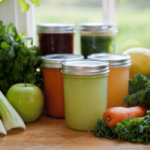
Fruits and vegetables are nature’s most efficient tools for fat loss. They are low in calories, high in fiber, rich in water, and packed with essential nutrients that support metabolism, digestion, and appetite control. When consumed correctly, weight loss fruits and vegetables help you eat more food while consuming fewer calories, making weight loss easier and more sustainable.
This in-depth guide explains how weight loss fruits and vegetables work, which ones are most effective, how to eat them properly, and how to avoid common mistakes that slow progress.
Why Weight Loss Fruits and Vegetables Are So Effective
Understanding why weight loss fruits and vegetables work will help you use them more strategically.
Low Energy Density
Most fruits and vegetables contain a high percentage of water and fiber. This means they provide volume without excessive calories. You can eat larger portions, feel satisfied, and still remain in a calorie deficit.
Natural Appetite Control
Fiber slows digestion and promotes fullness. This reduces hunger hormones and helps control cravings, especially for sugary and processed foods.
Blood Sugar Stability
Many weight loss fruits and vegetables help regulate blood sugar levels. Stable blood sugar reduces insulin spikes, which are closely linked to fat storage.
Improved Metabolism
Certain vegetables and fruits support thermogenesis and metabolic efficiency, helping the body burn calories more effectively.
Gut Health Support
A healthy gut plays a major role in weight regulation. Fiber from fruits and vegetables feeds beneficial gut bacteria that influence appetite, inflammation, and fat storage.
These combined benefits explain why people who consume more weight loss fruits and vegetables tend to maintain healthier body weights long-term.
Best Weight Loss Fruits for Natural Fat Burning
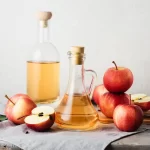
Apples – Fiber-Rich and Filling
Apples are among the most effective weight loss fruits and vegetables because of their high fiber and water content.
Why Apples Help With Weight Loss:
Rich in soluble fiber (pectin)
Promote long-lasting fullness
Naturally low in calories
Eating an apple before meals may reduce overall calorie intake by helping you feel satisfied faster.
Best ways to eat apples:
As a snack
Sliced into oatmeal
With peanut butter (in moderation)
Added to salads
Berries – Low Sugar, High Impact
Berries such as strawberries, blueberries, raspberries, and blackberries are ideal weight loss fruits and vegetables due to their nutrient density.
Benefits of Berries:
High fiber content
Low glycemic index
Rich in antioxidants
Berries help reduce sugar cravings while supporting fat metabolism and overall health.
Grapefruit – Appetite Control Support
Grapefruit has long been associated with weight loss.
Why Grapefruit Is Effective:
Low calorie density
High water content
May improve insulin sensitivity
Eating grapefruit before meals can help reduce appetite and portion sizes.
Watermelon – Hydration and Satiety
Watermelon is mostly water, making it excellent for volume eating.
Weight Loss Benefits:
Very low in calories
Helps control sweet cravings
Supports hydration
Watermelon works best as a snack or dessert replacement.
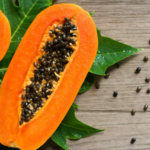
Papaya – Digestive Support for Fat Loss
Papaya supports digestion, which is often overlooked in weight loss.
Why Papaya Helps:
Contains digestive enzymes
Reduces bloating
Improves nutrient absorption
Good digestion helps the body process food efficiently and prevents fat accumulation.
Avocado – Healthy Fats That Reduce Overeating
Although higher in calories, avocado plays a valuable role among weight loss fruits and vegetables when eaten in moderation.
Benefits of Avocado:
Increases satiety
Reduces hunger between meals
Supports hormonal balance
Healthy fats help prevent overeating later in the day.
Best Weight Loss Vegetables for Fat Reduction
Vegetables are the foundation of most effective weight loss plans because they are extremely low in calories and rich in nutrients.
Leafy Greens – Maximum Volume, Minimal Calories
Spinach, kale, lettuce, and other leafy greens are staples in weight loss fruits and vegetables diets.
Why Leafy Greens Work:
Extremely low calorie
High fiber
Rich in vitamins and minerals
They allow you to eat large portions without calorie overload.
Broccoli – Fiber and Metabolic Support
Broccoli is one of the most nutrient-dense vegetables.
Benefits:
High fiber content
Supports detox pathways
Keeps you full longer
Broccoli helps reduce overeating and supports digestion.
These combinations make weight loss fruits and vegetables even more effective.
Common Myths About Weight Loss Fruits and Vegetables
Myth 1: Fruits make you fat
Truth: Whole fruits rarely cause weight gain when eaten in moderation.
Myth 2: You must avoid carbs to lose weight
Truth: Natural carbs from fruits and vegetables support energy and metabolism.
Myth 3: Supplements work better than food
Truth: Whole foods outperform supplements for fat loss.
Key Takeaway
Weight lossdoes not require extreme restriction. It requires smarter choices made consistently. Weight loss fruits and vegetables support fat loss by improving hormones, digestion, metabolism, appetite control, and emotional eating.
They work quietly, naturally, and sustainably — making them one of the most reliable tools for long-term weight management.
How Weight Loss Fruits and Vegetables Support Long-Term Results
Unlike extreme diets, fruits and vegetables support lasting weight management because they:
This approach ensures steady intake of weight loss fruits and vegetables throughout the day.
Final Conclusion
Healthy weight loss does not come from deprivation. It comes from smarter food choices that nourish your body while reducing excess calories. Weight loss fruits and vegetables offer one of the safest, most effective, and most sustainable ways to lose fat naturally.
By consistently including apples, berries, grapefruit, watermelon, leafy greens, broccoli, cucumber, carrots, bell peppers, zucchini, and avocado in your diet, you create an eating pattern that supports fullness, energy, and long-term success.
Rather than focusing on what to remove from your diet, focus on what to add. Filling your plate with weight loss fruits and vegetables is one of the most powerful steps you can take toward lasting weight control and better overall health.
A graduate of Computer Science and Information Management Technology. Diploma – Caregiving, Certificates – Dementia and Diabetes Awareness and Management. A researcher, blogger, songwriter, singer and acoustic guitarist. Born in an environment where natural talents such as healing are imparted at our natural birth. This natural talents of healing is the result of our genetic inheritance and the training from family environment.
We use cookies on our website to give you the most relevant experience by remembering your preferences and repeat visits. By clicking “Accept All”, you consent to the use of ALL the cookies. However, you may visit "Cookie Settings" to provide a controlled consent.
This website uses cookies to improve your experience while you navigate through the website. Out of these, the cookies that are categorized as necessary are stored on your browser as they are essential for the working of basic functionalities of the website. We also use third-party cookies that help us analyze and understand how you use this website. These cookies will be stored in your browser only with your consent. You also have the option to opt-out of these cookies. But opting out of some of these cookies may affect your browsing experience.
Necessary cookies are absolutely essential for the website to function properly. These cookies ensure basic functionalities and security features of the website, anonymously.
Cookie
Duration
Description
cookielawinfo-checkbox-analytics
11 months
This cookie is set by GDPR Cookie Consent plugin. The cookie is used to store the user consent for the cookies in the category "Analytics".
cookielawinfo-checkbox-functional
11 months
The cookie is set by GDPR cookie consent to record the user consent for the cookies in the category "Functional".
cookielawinfo-checkbox-necessary
11 months
This cookie is set by GDPR Cookie Consent plugin. The cookies is used to store the user consent for the cookies in the category "Necessary".
cookielawinfo-checkbox-others
11 months
This cookie is set by GDPR Cookie Consent plugin. The cookie is used to store the user consent for the cookies in the category "Other.
cookielawinfo-checkbox-performance
11 months
This cookie is set by GDPR Cookie Consent plugin. The cookie is used to store the user consent for the cookies in the category "Performance".
viewed_cookie_policy
11 months
The cookie is set by the GDPR Cookie Consent plugin and is used to store whether or not user has consented to the use of cookies. It does not store any personal data.
Functional cookies help to perform certain functionalities like sharing the content of the website on social media platforms, collect feedbacks, and other third-party features.
Performance cookies are used to understand and analyze the key performance indexes of the website which helps in delivering a better user experience for the visitors.
Analytical cookies are used to understand how visitors interact with the website. These cookies help provide information on metrics the number of visitors, bounce rate, traffic source, etc.
Advertisement cookies are used to provide visitors with relevant ads and marketing campaigns. These cookies track visitors across websites and collect information to provide customized ads.