Asthma Attack: First Aid and How to Respond Without an Inhaler
Managing an asthma attack effectively is crucial for preventing severe complications. One of the most important steps when experiencing an asthma episode is to remain composed, adopt a position that facilitates breathing, and use a prescribed inhaler.
However, in situations where someone is experiencing an asthma attack without inhaler access, knowing how to respond can be life-saving.
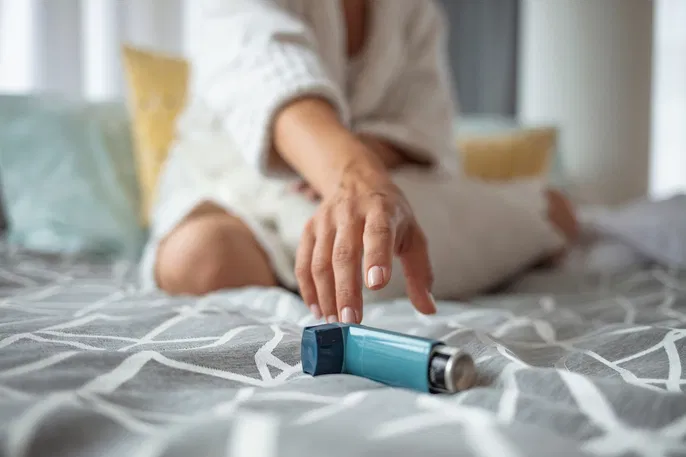
In the absence of an inhaler, it is vital to seek immediate medical help. While waiting for emergency services, staying calm and keeping still in a comfortable position can help ease breathing. Reducing movement conserves energy and prevents further respiratory distress during an asthma attack without inhaler support.
Asthmaattacks often present with clear symptoms, such as labored breathing and lips that may appear bluish or purple—a sign of low oxygen levels. These signs should never be ignored, especially when managing an asthma attack without inhaler availability.
Alongside emergency care, some individuals may benefit from long-term lifestyle changes, including adjustments in diet, which can help reduce the frequency and severity of attacks over time.
First Aid Steps During an Asthma Episode
When someone is undergoing an asthma attack, timely first aid is essential. Whether or not the person has their medication, immediate support from others can make a critical difference. If the episode involves an asthma attack without inhaler, these steps become even more essential:
Provide reassurance and keep the individual calm. Help the person remain composed, as anxiety can worsen symptoms and make breathing more difficult.
Assist the person into a position that supports easier breathing. Encourage them to lean slightly forward and rest their elbows on a sturdy surface such as the back of a chair. This posture can promote better airflow during an asthma attack without inhaler use.
Check for the presence of asthma medication. If the person has their inhaler or another type of quick-relief medication on hand, offer assistance in locating and preparing it. The timely use of a bronchodilator can often bring quick relief.
Contact emergency services immediately if the individual shows signs of respiratory distress and does not have an inhaler nearby. In a case of asthma attack without inhaler, professional intervention may be necessary to restore normal breathing.
If the person collapses or stops breathing, call for emergency medical support right away. Initiate CPR or other emergency procedures if trained to do so. During an asthma attack without inhaler, this kind of swift action can be crucial to the person’s survival.
In summary, quick thinking, calm behavior, and knowledge of basic first aid can significantly improve the outcome of an asthma attack without inhaler intervention.
What to Do During an Attack Attack Without Inhaler Access
In certain situations, a rescue inhaler may not be within reach when an asthma episode strikes. If you’re facing an asthma attack without inhaler nearby, it’s essential to act quickly but calmly. First and foremost, avoid moving around unnecessarily. Remaining still in one spot helps to preserve energy and ensures that the limited oxygen in your system is used more efficiently by vital organs. Movement during an asthma attack without inhaler availability can worsen symptoms by increasing the body’s oxygen demand.
In addition to staying in place, make sure to loosen any restrictive clothing, such as collars, belts, or tight garments, especially around the neck and chest. This can help reduce any external pressure on your respiratory system and improve airflow. During an asthma attack without inhaler, these small adjustments can make breathing a bit more manageable.
How to Handle an Asthma Attack | Springfield Urgent Care
Focus on your breathing. Try inhaling slowly through your nose and exhaling gently through your mouth. Controlled breathing techniques may help prevent panic, which can make symptoms worse. Remaining calm is crucial when managing an asthma attack without inhaler assistance, as stress and anxiety can lead to shallow, rapid breathing that further restricts airflow.
Continue these measures while you wait for emergency responders or medical professionals to arrive and administer appropriate treatment.
How to Prevent Future Asthma Attacks
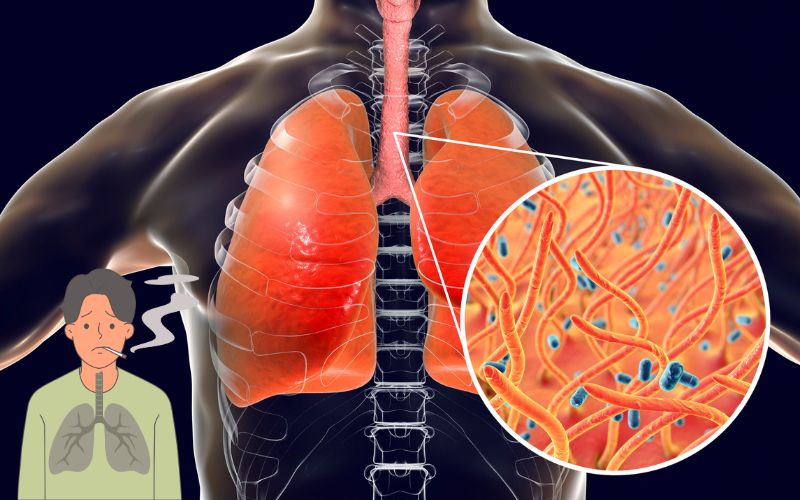
Preventing asthma attacks starts with understanding and avoiding the specific triggers that provoke symptoms in your daily environment. For many individuals, an asthma attack without inhaler can be the result of exposure to common irritants like air pollution, strong scents, cigarette smoke, or sudden changes in temperature such as exposure to cold air.
In addition to environmental factors, certain medical conditions can also increase the risk of asthma flare-ups. Illnesses such as the common cold, flu, or sinus infections can inflame the airways and heighten sensitivity, making it more likely to experience an asthma attack without inhaler support.
By tracking symptoms and identifying patterns over time, you can work with your doctor to develop a comprehensive asthma management plan. This plan should include strategies for avoiding known triggers and guidance on what to do in case of an asthma attack without inhaler, including when to seek emergency care.
Being proactive with your health, maintaining good hygiene to prevent infections, and staying informed about your asthma condition are all vital steps toward minimizing risk and maintaining better respiratory health.
Importance of Following Medical Advice and Being Prepared
Strictly following your doctor’s prescribed treatment plan is fundamental to keeping asthma under control. This includes taking daily maintenance medications if recommended and monitoring your symptoms regularly. Consistent adherence to your treatment regimen can significantly reduce the risk of experiencing a sudden asthma attack without inhaler access.
It’s also a smart and practical habit to carry your rescue inhaler with you at all times. While it might not be needed every day, having it close by ensures you’re ready to act at the first sign of trouble.
Being caught in an asthma attack without inhaler nearby can quickly escalate into a critical situation, making preparedness a key aspect of asthma management.
Dietary Choices That May Help Prevent Asthma Attacks
Your diet can play a meaningful role in managing asthma symptoms and reducing inflammation in the airways. Certain foods naturally possess anti-inflammatory and antioxidant properties, which can contribute to overall lung health and may reduce the likelihood of facing an asthma attack without inhaler support.
An anti-inflammatory diet typically includes foods rich in omega-3 fatty acids, such as salmon, flaxseeds, and walnuts. These healthy fats can help lower airway inflammation. Leafy greens like spinach and kale, along with brightly colored fruits and vegetables like berries, oranges, and carrots, are loaded with vitamins, minerals, and antioxidants that may also benefit respiratory function.
Including these foods regularly in your meals can support your immune system and may lower the risk of asthma flare-ups, especially when you’re vulnerable to an asthma attack without inhaler on hand. On the other hand, reducing the intake of processed foods, sugary drinks, and trans fats may further help minimize triggers that exacerbate asthma symptoms.
While diet alone won’t replace prescribed medication, it can be a valuable addition to a broader asthma care strategy. Talk to your healthcare provider or a nutritionist about creating a meal plan that supports your respiratory health and helps prepare your body to cope better during an asthma attack without inhaler access.
Immediate First Aid for an Asthma Attack
In any case of an asthma attack, your primary goal is to help the person restore normal breathing and remain calm. If the person has their inhaler, assist them in using it properly. However, in the case of an asthma attack without inhaler, the approach needs to be adapted. Here are the general first aid steps:
Help the Person Stay Calm
Panic increases the rate of breathing and worsens symptoms. Reassure the person that help is on the way. Speak calmly and gently. Encourage them to stay as relaxed as possible.
Positioning for Better Breathing
Guide the individual into a position that allows the lungs to expand. A good position is sitting upright with shoulders relaxed. Encourage them to lean slightly forward—resting their elbows on their knees or on the back of a chair. This position reduces the pressure on the lungs and may make breathing easier.
Check for Medication
If the person has any medication with them, such as a rescue inhaler, spacer, or nebulizer, assist them in accessing and using it. In the absence of these tools, continue to follow the steps applicable to managing an asthma attack without inhaler intervention.
What to Do During an Asthma Attack Without an Inhaler
If the person does not have access to their medication or inhaler, follow these expanded and practical strategies:
Seek Emergency Medical Help
Call emergency services immediately. An asthma attack without inhaler can escalate quickly, and medical professionals are trained to administer life-saving treatments such as oxygen therapy, bronchodilators, or injectable medications.
Encourage Steady, Controlled Breathing
Help the person focus on taking slow, deep breaths. Controlled breathing helps to reduce panic and allows better oxygen intake.
You might instruct them to breathe in through the nose for four seconds, hold for a count of two, and exhale slowly through pursed lips for six seconds. This method, known as pursed-lip breathing, can help calm the respiratory muscles.
Use Steam or Warmth if Available
Though not a replacement for medication, steam from a warm shower or bowl of hot water may help loosen mucus and ease breathing. If the attack is not severe and medical help is on the way, this may provide temporary relief during an asthma attack without inhaler use.
Avoid Triggers
Identify and remove any potential asthma triggers in the area. Common triggers include smoke, dust, pollen, pet dander, or cold air. Open windows for ventilation or move the person to a cleaner, calmer environment if possible.
When the Situation Becomes Critical
An asthma attack without inhaler can become life-threatening if the person loses consciousness or stops breathing. Here’s what to do in such a case:
If the person faints and is not breathing, call emergency services immediately and begin CPR (cardiopulmonary resuscitation) if you’re trained to do so.
Check for a pulse and breathing. If both are absent, continue with chest compressions until professional help arrives.
Do not give food or drink, as this may increase the risk of choking if breathing is already compromised.
Long-Term Strategies for Managing Asthma Without Immediate Medication
While immediate management is critical, understanding how to reduce the likelihood of future attacks is just as important. Preventive strategies can play a key role in managing asthma and reducing the risks associated with an asthma attack without inhaler access.
Know Your Triggers
Everyone’s asthma triggers are different. Common ones include dust mites, pet hair, pollen, cigarette smoke, mold, pollution, and cold weather. Keeping a journal to track flare-ups can help pinpoint and avoid these triggers.
Stay Physically Active—but with Caution
Exercise-induced asthma is common, but it doesn’t mean physical activity should be avoided. Warm up before activities, avoid intense workouts in cold weather, and always inform workout partners of your condition in case of an asthma attack without inhaler nearby.
Boost Indoor Air Quality
Use HEPA filters, vacuum regularly, and maintain low humidity in your home to reduce allergens. Avoid using strong chemical cleaning agents or scented products that may irritate the lungs.
Practice Breathing Techniques
Techniques such as the Buteyko method or diaphragmatic breathing help train the lungs and reduce dependency on quick-relief medications. These techniques can be especially helpful in navigating an asthma attack without inhaler assistance.
Nutrition and Natural Remedies: Do They Help?
Though no diet or remedy can replace medical treatment, certain dietary changes and natural remedies may reduce the frequency and intensity of asthma symptoms, especially useful for those concerned about an asthma attack without inhaler in urgent moments.
Omega-3 fatty acids: Found in fish and flaxseed, they may reduce inflammation in the airways.
Vitamin D: Low levels have been associated with poor asthma control. Sunlight exposure and foods like eggs and fortified milk may help.
Magnesium-rich foods: Such as leafy greens and nuts, which may help the airways stay relaxed.
Honey and ginger: Used in warm teas, these may soothe the throat and calm inflammation, though they are not substitutes for prescribed medication.
Before trying any remedy or supplement, consult a healthcare provider, especially if asthma is severe or poorly controlled.
When to See a Doctor
If you’ve experienced an asthma attack without inhaler access, it’s essential to seek medical advice as soon as possible. Even if symptoms appear to subside, follow-up care can help prevent future complications. A doctor may adjust your asthma action plan, prescribe different medications, or recommend that you always carry a backup inhaler.
Also, discuss the potential use of long-acting bronchodilators or daily maintenance inhalers to better control the condition over time.
How to Prepare for the Unexpected
Being prepared for emergencies is critical in asthma management. Here’s how you can reduce the risk and severity of an asthma attack without inhaler in the future:
Always carry a spare inhaler, especially in your bag, car, or workplace.
Inform friends, family, and coworkers about your condition and what to do in an emergency.
Wear a medical alert bracelet to inform first responders of your asthma diagnosis.
Develop a written asthma action plan with your doctor detailing steps to take in various scenarios.
Conclusion
Experiencing or witnessing an asthma attack without inhaler can be frightening and dangerous, but with quick thinking, calmness, and practical steps, it is possible to manage the situation effectively until professional help arrives.
Learning to recognize symptoms early, respond with appropriate first aid, and adopt long-term preventive strategies can greatly reduce the risk of severe outcomes.
While inhalers remain the most reliable tool for managing asthma symptoms, preparation, awareness, and lifestyle choices can empower individuals to handle asthma more confidently—even in the absence of immediate medication.
A graduate of Computer Science and Information Management Technology. Diploma – Caregiving, Certificates – Dementia and Diabetes Awareness and Management. A researcher, blogger, songwriter, singer and acoustic guitarist. Born in an environment where natural talents such as healing are imparted at our natural birth. This natural talents of healing is the result of our genetic inheritance and the training from family environment.
Related Posts:
Treatments of Asthma Treatments of Asthma and Management Discover effective alternative treatments and…
We use cookies on our website to give you the most relevant experience by remembering your preferences and repeat visits. By clicking “Accept All”, you consent to the use of ALL the cookies. However, you may visit "Cookie Settings" to provide a controlled consent.
This website uses cookies to improve your experience while you navigate through the website. Out of these, the cookies that are categorized as necessary are stored on your browser as they are essential for the working of basic functionalities of the website. We also use third-party cookies that help us analyze and understand how you use this website. These cookies will be stored in your browser only with your consent. You also have the option to opt-out of these cookies. But opting out of some of these cookies may affect your browsing experience.
Necessary cookies are absolutely essential for the website to function properly. These cookies ensure basic functionalities and security features of the website, anonymously.
Cookie
Duration
Description
cookielawinfo-checkbox-analytics
11 months
This cookie is set by GDPR Cookie Consent plugin. The cookie is used to store the user consent for the cookies in the category "Analytics".
cookielawinfo-checkbox-functional
11 months
The cookie is set by GDPR cookie consent to record the user consent for the cookies in the category "Functional".
cookielawinfo-checkbox-necessary
11 months
This cookie is set by GDPR Cookie Consent plugin. The cookies is used to store the user consent for the cookies in the category "Necessary".
cookielawinfo-checkbox-others
11 months
This cookie is set by GDPR Cookie Consent plugin. The cookie is used to store the user consent for the cookies in the category "Other.
cookielawinfo-checkbox-performance
11 months
This cookie is set by GDPR Cookie Consent plugin. The cookie is used to store the user consent for the cookies in the category "Performance".
viewed_cookie_policy
11 months
The cookie is set by the GDPR Cookie Consent plugin and is used to store whether or not user has consented to the use of cookies. It does not store any personal data.
Functional cookies help to perform certain functionalities like sharing the content of the website on social media platforms, collect feedbacks, and other third-party features.
Performance cookies are used to understand and analyze the key performance indexes of the website which helps in delivering a better user experience for the visitors.
Analytical cookies are used to understand how visitors interact with the website. These cookies help provide information on metrics the number of visitors, bounce rate, traffic source, etc.
Advertisement cookies are used to provide visitors with relevant ads and marketing campaigns. These cookies track visitors across websites and collect information to provide customized ads.