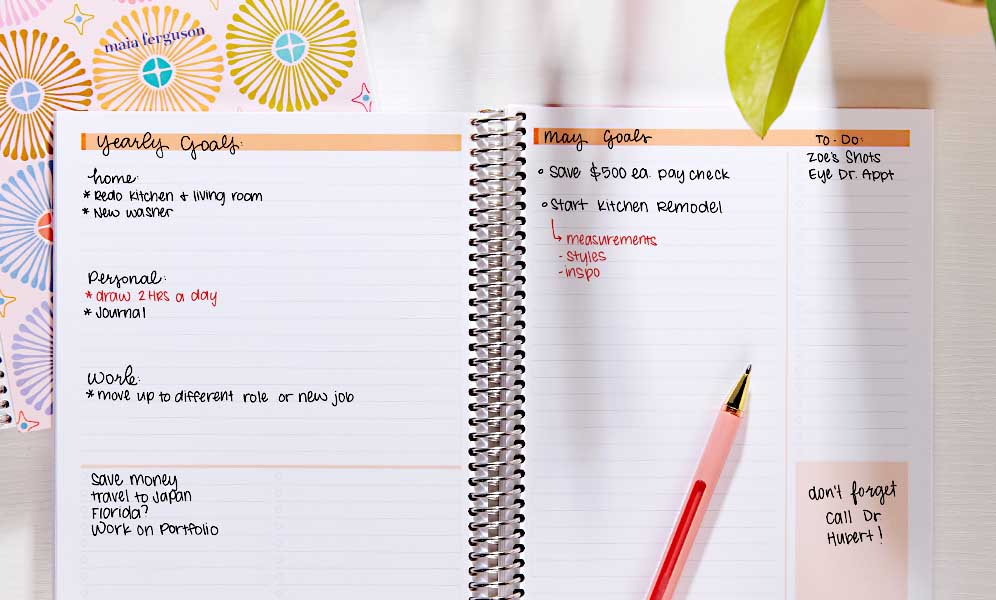
Beginner’s 14-Day Mindfulness Journal: A Complete Step-by-Step Guide to Build Calm and Reduce Stress
Start your mindfulness journey with this Beginner’s 14-Day Mindfulness Journal. Learn daily exercises, reflection prompts, and mood trackers to reduce stress and build emotional calm.
In today’s fast-paced world, stress and anxiety are common challenges for professionals, students, and parents alike. Mindfulness is a powerful tool to manage these challenges, improve focus, and enhance emotional wellness. For beginners, the journey can feel overwhelming — where to start, what exercises to follow, and how to stay consistent.
This Beginner’s 14-Day Mindfulness Journal is designed to guide you through a structured, step-by-step journey. Over two weeks, you will gradually build mindfulness skills, develop self-awareness, and learn practical ways to reduce stress while staying productive and focused. By the end, you’ll have a repeatable routine, insights into your thought patterns, and a sustainable habit that can last a lifetime.
What is Mindfulness and Why It Matters
Mindfulness is the practice of paying attention to the present moment with intention and without judgment. It is about observing your thoughts, feelings, and bodily sensations, accepting them without trying to change them immediately.
Improved concentration, memory, and decision-making
Better emotional regulation and resilience
Enhanced self-awareness and empathy
Improved sleep quality and overall physical wellness
A 14-day structured mindfulness journal is ideal for beginners because it breaks the practice into manageable daily exercises, reinforcing consistency and reflection.
Preparing for Your 14-Day Mindfulness Journal
Before starting, prepare your materials and mindset:
Commit to 5–15 minutes per day; consistency matters more than duration.
Choose a quiet, comfortable space for reflection.
Be patient and kind to yourself; mindfulness is a skill that improves with practice.
How to Structure Each Day of the 14-Day Journal
Each day will include:
Set an intention – Choose a focus for your mindfulness practice (e.g., patience, gratitude, calm, focus).
Guided mindfulness exercise – Follow a 3–10 minute breathing, awareness, or body scan practice.
Reflection prompt – Write about your thoughts, emotions, and observations.
Mood check-in – Rate your stress or emotional state before and after the exercise (scale 1–10).
Optional journaling – Record any insights, experiences, or challenges from the day.
This structure creates a repeatable routine while allowing flexibility for personal adjustments.
Expanded 14-Day Mindfulness Journey
Here’s a detailed day-by-day plan with exercises, prompts, and examples:
Day 1: Breath Awareness
Exercise: Focus on noticing each inhale and exhale for 5–10 minutes. Prompt: “What sensations do I feel in my body as I breathe? Do I notice any tension?” Example Reflection: “I realized my shoulders were tense at first. After focusing on my breath, I felt more relaxed.”
Day 2: Body Scan
Exercise: Mentally scan your body from head to toe, noticing tension, discomfort, or relaxation. Prompt: “Which areas of my body feel tense? Which feel relaxed?” Tip: Don’t try to change sensations, just notice them.
Day 3: Mindful Eating
Exercise: Eat one meal or snack slowly, focusing on taste, texture, and smell. Prompt: “How does my food taste and feel? Am I noticing sensations I usually overlook?” Tip: Avoid multitasking during this exercise.
Day 4: Gratitude Practice
Exercise: Write three things you are grateful for today. Prompt: “How does focusing on gratitude affect my mood?” Tip: Include both big and small things, e.g., “The sun shining today” or “A colleague’s kind words.”
Day 5: Mindful Walking
Exercise: Take a 10–15 minute walk, focusing on your steps, breath, and surroundings. Prompt: “What do I notice in the environment and in my body while walking?” Tip: Pay attention to your senses, including smells, sounds, and temperature.
Day 6: Emotional Awareness
Exercise: Name three emotions you felt today and notice how your body reacted. Prompt: “How did these emotions influence my decisions and actions?” Tip: Avoid judging your emotions as good or bad.
Day 7: Mindful Listening
Exercise: Listen attentively to a person or audio without interrupting or preparing a response. Prompt: “What did I notice about the speaker and about myself during listening?” Tip: Focus fully on the sound and meaning, not your internal commentary.
Day 8: Loving-Kindness Meditation
Exercise: Silently send kind wishes to yourself and others for 5–10 minutes. Prompt: “How does offering compassion to myself and others feel?” Tip: Include someone you feel neutral about or someone challenging.
Day 9: Observing Thoughts
Exercise: Watch your thoughts come and go without attachment for 5–10 minutes. Prompt: “Which thoughts appeared repeatedly today? How did they affect my mood?” Tip: Imagine thoughts like clouds drifting across the sky.
Day 10: Sensory Awareness
Exercise: Focus on one sense for 5–10 minutes (sound, sight, smell, taste, touch). Prompt: “What sensations did I notice that I usually ignore?” Tip: Rotate through different senses each day.
Day 11: Stress Release Visualization
Exercise: Identify one stressor and visualize it leaving your body or mind. Prompt: “What emotions arise as I release this stress?” Tip: Pair with slow, deep breathing.
Day 12: Journaling Reflection
Exercise: Reflect on your mindfulness journey so far. Prompt: “What patterns, insights, or positive changes have I noticed?” Tip: Include both emotional and physical observations.
Day 13: Micro Mindfulness Breaks
Exercise: Take three 1–2 minute mindfulness breaks throughout the day, focusing on breath or sensations. Prompt: “How does pausing briefly affect my focus and mood?” Tip: Use reminders on your phone or calendar.
Day 14: Integration and Future Intention
Exercise: Combine your favorite mindfulness practices from previous days. Prompt: “Which mindfulness habits will I continue beyond the 14 days?” Tip: Create a plan for maintaining consistency and adapting exercises to your schedule.
Daily Habits Checklist for Beginners
✅ Set aside 5–15 minutes daily for mindfulness
✅ Complete the daily journal prompt
✅ Record mood and stress before and after each exercise
✅ Reflect on insights and observations
✅ Celebrate consistency, not perfection
✅ Track weekly progress and patterns
Experiment with longer mindfulness sessions or additional exercises
Share the journal with friends, family, or colleagues for accountability
Combine with other wellness practices like light exercise, deep breathing, or yoga
Conclusion
Embarking on a mindfulness journey may seem challenging at first, but with a structured approach like the Beginner’s 14-Day Mindfulness Journal, it becomes both manageable and rewarding. Over these 14 days, you’ve learned to observe your thoughts without judgment, connect with your body, practice gratitude, and cultivate calm in your daily life. Each exercise, reflection prompt, and mood tracker is designed to help you build awareness, reduce stress, and enhance emotional wellness.
Remember, mindfulnessis not about perfection—it’s about consistent practice and self-compassion. Even a few minutes each day can create meaningful changes in how you respond to stress, interact with others, and understand yourself. By completing this 14-day program, you’ve laid the foundation for a lifelong habit of presence and calm.
Continue to use these practices, explore new mindfulness techniques, and integrate the lessons into your daily routine. With patience and commitment, you can maintain the peace, focus, and resilience that mindfulness brings. This journal is just the beginning—your journey toward emotional clarity and inner calm has only just started.
A graduate of Computer Science and Information Management Technology. Diploma – Caregiving, Certificates – Dementia and Diabetes Awareness and Management. A researcher, blogger, songwriter, singer and acoustic guitarist. Born in an environment where natural talents such as healing are imparted at our natural birth. This natural talents of healing is the result of our genetic inheritance and the training from family environment.
We use cookies on our website to give you the most relevant experience by remembering your preferences and repeat visits. By clicking “Accept All”, you consent to the use of ALL the cookies. However, you may visit "Cookie Settings" to provide a controlled consent.
This website uses cookies to improve your experience while you navigate through the website. Out of these, the cookies that are categorized as necessary are stored on your browser as they are essential for the working of basic functionalities of the website. We also use third-party cookies that help us analyze and understand how you use this website. These cookies will be stored in your browser only with your consent. You also have the option to opt-out of these cookies. But opting out of some of these cookies may affect your browsing experience.
Necessary cookies are absolutely essential for the website to function properly. These cookies ensure basic functionalities and security features of the website, anonymously.
Cookie
Duration
Description
cookielawinfo-checkbox-analytics
11 months
This cookie is set by GDPR Cookie Consent plugin. The cookie is used to store the user consent for the cookies in the category "Analytics".
cookielawinfo-checkbox-functional
11 months
The cookie is set by GDPR cookie consent to record the user consent for the cookies in the category "Functional".
cookielawinfo-checkbox-necessary
11 months
This cookie is set by GDPR Cookie Consent plugin. The cookies is used to store the user consent for the cookies in the category "Necessary".
cookielawinfo-checkbox-others
11 months
This cookie is set by GDPR Cookie Consent plugin. The cookie is used to store the user consent for the cookies in the category "Other.
cookielawinfo-checkbox-performance
11 months
This cookie is set by GDPR Cookie Consent plugin. The cookie is used to store the user consent for the cookies in the category "Performance".
viewed_cookie_policy
11 months
The cookie is set by the GDPR Cookie Consent plugin and is used to store whether or not user has consented to the use of cookies. It does not store any personal data.
Functional cookies help to perform certain functionalities like sharing the content of the website on social media platforms, collect feedbacks, and other third-party features.
Performance cookies are used to understand and analyze the key performance indexes of the website which helps in delivering a better user experience for the visitors.
Analytical cookies are used to understand how visitors interact with the website. These cookies help provide information on metrics the number of visitors, bounce rate, traffic source, etc.
Advertisement cookies are used to provide visitors with relevant ads and marketing campaigns. These cookies track visitors across websites and collect information to provide customized ads.