Discover the powerful health benefits of eating melon seeds, including improved digestion, heart health, skin glow, fertility support, weight management, and more. Learn how to eat and prepare melon seeds for maximum nutrition.
When you cut open a juicy watermelon, honeydew, or cantaloupe, what’s the first thing you toss out?
For most people, it’s the seeds.
But what if the part you’ve been throwing away all your life is actually one of the healthiest things in the fruit?
Many cultures around the world have enjoyed melon seeds for centuries — roasted, boiled, sun-dried, or ground into soups. Today, modern nutrition science is finally catching up, revealing that the benefits of eating melon seeds go far beyond what anyone imagined.
In this comprehensive article, we will explore every major health benefit of eating melon seeds, how they work in the body, who should eat them, how to prepare them, and possible side effects. By the time you get to the end, you’ll probably never throw away melon seeds again.
What Are Melon Seeds?
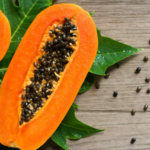
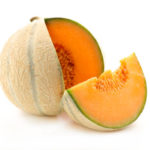
Melon seeds are the flat, oval-shaped seeds found inside different types of melons including:
Watermelons
Cantaloupes
Honeydew melons
Ogbono-like African melon varieties (e.g., egusi)
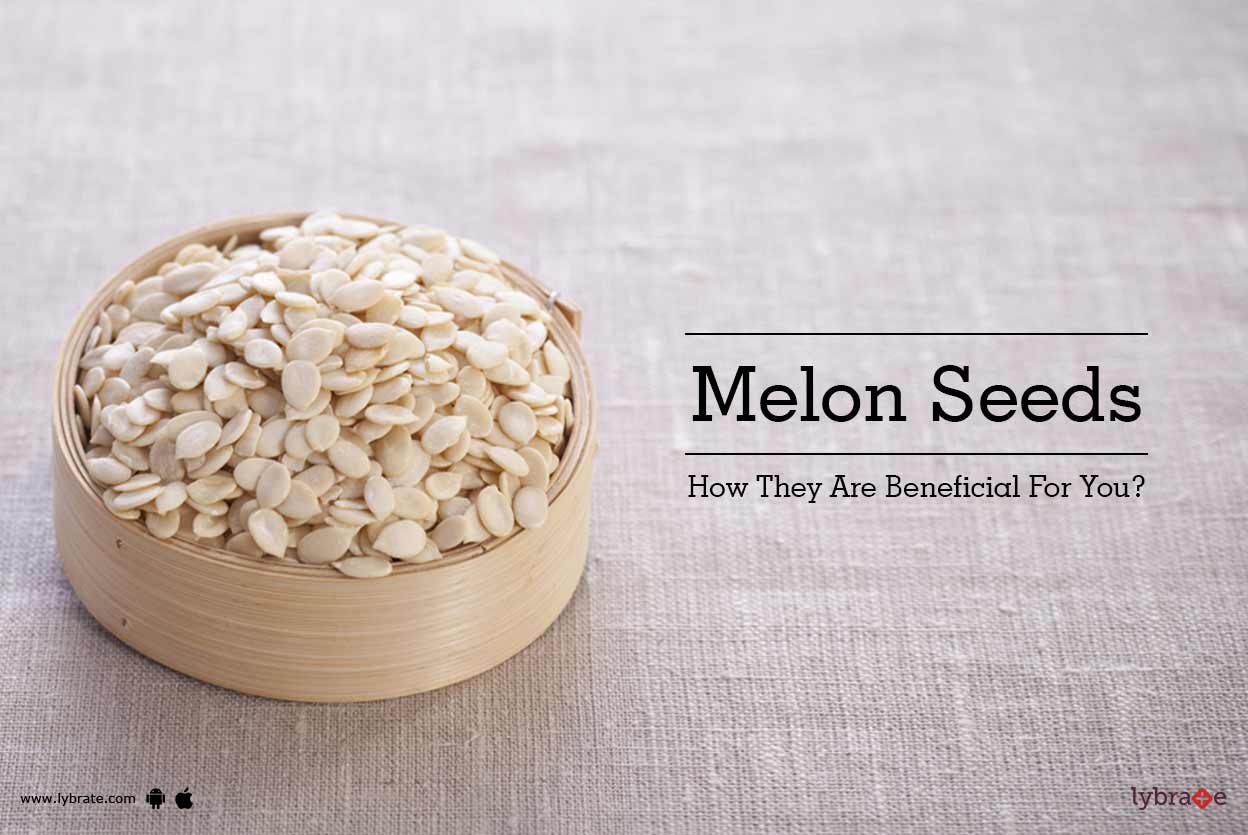
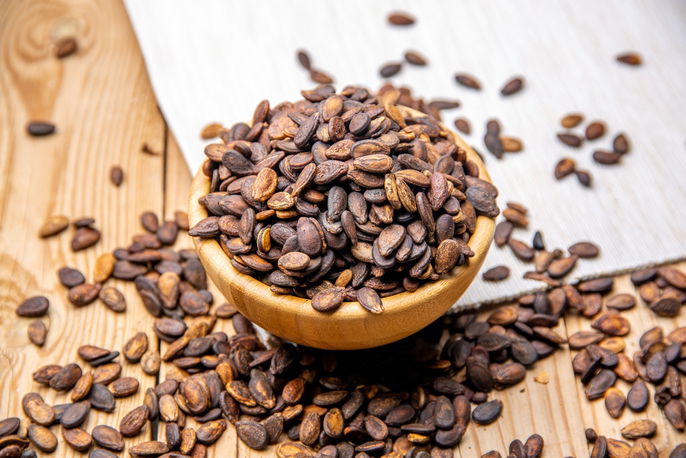
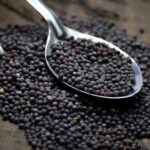
Depending on the species, melon seeds come in black, white, brown, cream, or a mix of colors. Regardless of their color, the benefits of eating melon seeds are very similar across varieties because they share the same nutritional foundation.
Nutritional Profile of Melon Seeds
Before diving into the benefits of eating melon seeds, it’s important to understand why they are so nutritious. Melon seeds are packed with:
Healthy fats (omega-6 and monounsaturated fats)
Plant protein
Dietary fiber
Vitamins: A, B-complex (esp. niacin & folate), C, and small amounts of E
The antioxidants help defend the body from viruses, bacteria, and environmental toxins.
Builds and Repairs Muscle (High-Protein Snack)
If you’re looking for a natural plant protein source, melon seeds are surprisingly powerful.
The benefits of eating melon seeds include:
Supporting muscle recovery
Enhancing strength
Providing amino acids for tissue repair
Athletes, bodybuilders, and active individuals will find melon seeds especially beneficial as a post-workout snack.
Helps Regulate Blood Sugar Levels
Melon seeds have a low glycemic index, meaning they do not spike blood sugar.
They also contain:
Fiber → slows sugar absorption
Magnesium → improves insulin sensitivity
Healthy fats → stabilizes glucose levels
These make melon seeds beneficial for people who want to manage blood sugar naturally. They are common in traditional diabetes remedies across Asia and Africa.
Supports Brain Function & Mental Health
Another surprising benefit of eating melon seeds is improved brain function.
These seeds contain omega-6 fats and magnesium which are essential for:
B-vitamins in melon seeds also support healthy cognitive function.
Strengthens Bones and Teeth
The minerals in melon seeds — especially magnesium, phosphorus, and potassium — provide strong bone support.
Eating melon seeds frequently may help:
Increase bone density
Strengthen teeth
Prevent bone-related diseases
Reduce risk of fractures
The high calcium-supporting mineral profile makes melon seeds excellent for both kids and adults.
Improves Male Reproductive Health
This is a lesser-known but powerful benefit of eating melon seeds.
Melon seeds contain:
Zinc, important for testosterone production
Magnesium, which improves blood flow
Healthy fats, which support hormone balance
These can help support:
Fertility
Sexual stamina
Sperm quality and quantity
Zinc deficiency is a major cause of low libido, and melon seeds can help address this naturally.
Supports Female Reproductive Health
Women also benefit greatly from melon seeds.
They help:
Ease menstrual cramps (because of magnesium)
Balance hormones
Improve egg health
Support fertility
They also reduce fatigue and blood loss complications due to iron content.
A Natural Source of Energy
If you ever feel tired or drained, melon seeds can give you an energy boost.
Why?
They contain:
Healthy fats (slow-burning fuel)
Iron (supports oxygen delivery)
Protein (supports stamina)
B-vitamins (convert food into energy)
This makes melon seeds a good replacement for sugary snacks.
Reduces Inflammation in the Body
Many chronic diseases begin with inflammation.
Melon seeds contain natural anti-inflammatory compounds that may help with:
Joint pain
Arthritis
Muscle soreness
Chronic inflammatory conditions
They soothe the body from the inside out.
Good for Detoxification
The benefits of eating melon seeds include cleansing the body.
Melon seeds:
Promote kidney health
Support liver detox
Flush out toxins with antioxidants
Improve hydration when eaten with melon fruit
Ground melon seeds mixed with warm water is a traditional detox drink in many cultures.
Helps With Healthy Weight Management
Yes, melon seeds are calorie-dense — but they help with weight losswhen eaten properly.
Here’s how:
High fiber → keeps you full
Protein → reduces cravings
Healthy fats → prevent overeating
Slow digestion → stable energy levels
They are excellent for people who want controlled snacking.
How to Eat Melon Seeds (Best Methods)
There are many ways to enjoy melon seeds depending on your culture, taste, and cooking style.
Roast Them
Wash and dry the seeds
Roast lightly in a pan
Add a little salt or pepper
Boil Them
Boiled melon seeds make a soft, nutritious snack.
Grind Them
Perfect for:
Soups
Stews
Smoothies
Pap (akamu)
West Africans commonly use egusi (melon seed) this way.
Eat Them Raw
You can swallow the soft seeds from ripe melons.
Make Melon Seed Tea
Boil seeds, strain, and drink.
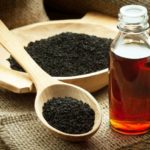
Use Melon Seed Oil
Great for cooking, skin, and hair.
Possible Side Effects (Important)
Melon seeds are safe for most people, but:
Overeating can cause stomach discomfort due to fiber
Roasted seeds with too much salt can raise sodium levels
People with seed allergies should avoid them
Moderation is key.
Final Thoughts
Why You Should Start Eating Melon Seeds Today
Most people throw melon seeds away without knowing they are throwing away a powerful natural medicine.
The benefits of eating melon seeds include improved heart health, digestion, hair, skin, fertility, bones, immunity, and even mental health.
They are affordable, accessible, and incredibly nutritious.
So next time you enjoy watermelon, honeydew, cantaloupe, or egusi melon, don’t discard the seeds — eat them, roast them, grind them, or turn them into tea.
Your body will thank you.
A graduate of Computer Science and Information Management Technology. Diploma – Caregiving, Certificates – Dementia and Diabetes Awareness and Management. A researcher, blogger, songwriter, singer and acoustic guitarist. Born in an environment where natural talents such as healing are imparted at our natural birth. This natural talents of healing is the result of our genetic inheritance and the training from family environment.
We use cookies on our website to give you the most relevant experience by remembering your preferences and repeat visits. By clicking “Accept All”, you consent to the use of ALL the cookies. However, you may visit "Cookie Settings" to provide a controlled consent.
This website uses cookies to improve your experience while you navigate through the website. Out of these, the cookies that are categorized as necessary are stored on your browser as they are essential for the working of basic functionalities of the website. We also use third-party cookies that help us analyze and understand how you use this website. These cookies will be stored in your browser only with your consent. You also have the option to opt-out of these cookies. But opting out of some of these cookies may affect your browsing experience.
Necessary cookies are absolutely essential for the website to function properly. These cookies ensure basic functionalities and security features of the website, anonymously.
Cookie
Duration
Description
cookielawinfo-checkbox-analytics
11 months
This cookie is set by GDPR Cookie Consent plugin. The cookie is used to store the user consent for the cookies in the category "Analytics".
cookielawinfo-checkbox-functional
11 months
The cookie is set by GDPR cookie consent to record the user consent for the cookies in the category "Functional".
cookielawinfo-checkbox-necessary
11 months
This cookie is set by GDPR Cookie Consent plugin. The cookies is used to store the user consent for the cookies in the category "Necessary".
cookielawinfo-checkbox-others
11 months
This cookie is set by GDPR Cookie Consent plugin. The cookie is used to store the user consent for the cookies in the category "Other.
cookielawinfo-checkbox-performance
11 months
This cookie is set by GDPR Cookie Consent plugin. The cookie is used to store the user consent for the cookies in the category "Performance".
viewed_cookie_policy
11 months
The cookie is set by the GDPR Cookie Consent plugin and is used to store whether or not user has consented to the use of cookies. It does not store any personal data.
Functional cookies help to perform certain functionalities like sharing the content of the website on social media platforms, collect feedbacks, and other third-party features.
Performance cookies are used to understand and analyze the key performance indexes of the website which helps in delivering a better user experience for the visitors.
Analytical cookies are used to understand how visitors interact with the website. These cookies help provide information on metrics the number of visitors, bounce rate, traffic source, etc.
Advertisement cookies are used to provide visitors with relevant ads and marketing campaigns. These cookies track visitors across websites and collect information to provide customized ads.