Benefits of Incorporating Shiitake Mushrooms into Your Diet
Benefits of Incorporating Shiitake Mushrooms into Your Diet
In today’s age of wellness, where food and medicine intertwine more than ever, shiitake mushrooms have carved out a niche in the conversation about superfoods. These flavorful fungi, native to East Asia, have been used in culinary traditions and healing practices for centuries.
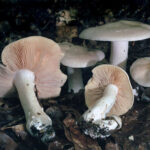
But beyond their delicious umami flavor, shiitake mushrooms (Lentinula edodes) pack a serious nutritional and medicinal punch.
From boosting the immune system to reducing cholesterol, and even supporting cancer prevention strategies, incorporating shiitake mushrooms into your diet can profoundly impact your health. As we uncover their benefits, we’ll also delve into the fascinating world of Mushroom Genetics, which helps explain why these humble fungi are so powerful.
A Brief History of Shiitake Mushrooms
Shiitake mushrooms have been cultivated for over 1,000 years, especially in China and Japan. Traditionally grown on logs of hardwood trees, their name derives from the Japanese words shii (a type of oak) and take (mushroom).
Historically considered both a delicacy and a medicine, these mushrooms were so prized in ancient China they were often reserved for emperors.
Today, shiitake cultivation has spread globally. Many home gardeners and small-scale farmers now grow shiitake using log or sawdust substrates. With the rise of home gardening and interest in sustainable eating, shiitake mushrooms have become a cornerstone in the “homegrown health” movement.
Nutritional Profile: Small Fungus, Big Benefits
Shiitake mushrooms are low in calories but high in essential nutrients, making them ideal for modern diets. A 100-gram serving of cooked shiitake contains approximately:
Calories: 35
Protein: 2.2 g
Fat: 0.5 g
Carbohydrates: 7 g
Fiber: 2.5 g
They are also a source of:
Vitamin D (especially D2, when exposed to sunlight)
B vitamins (B2, B3, B5, B6)
Copper
Selenium
Zinc
Manganese
These nutrients play key roles in energy production, immunity, and antioxidant activity.
1. Immune System Support
Perhaps the most well-known benefit of shiitake mushrooms lies in their ability to boost the immune system. This is primarily due to compounds like beta-glucans, a type of polysaccharide found in the cell walls of mushrooms.
Lentinan, a powerful beta-glucan found in shiitake, has been extensively studied for its immunomodulatory properties. Research suggests it enhances the activity of T-cells, macrophages, and natural killer (NK) cells, key players in the immune response.
A 2015 study from the University of Florida found that participants who ate cooked shiitake mushrooms daily showed improved immunity and reduced inflammation. This immune modulation isn’t just about boosting response, it’s about achieving balance, which is vital in chronic disease prevention.
2. Heart Health and Cholesterol Management
Shiitake mushrooms may play a significant role in cardiovascular health. Compounds such as eritadenine and sterols found in shiitake help lower blood cholesterol levels.
Eritadenine, in particular, has been shown to inhibit the absorption of cholesterol and promote its excretion. Additionally, the fiber and beta-glucans in shiitake help bind fats and cholesterol in the digestive system, aiding in their removal.
A study published in the Journal of Nutrition found that rats fed shiitake powder had significantly lower cholesterol levels than those on a standard diet. While human studies are still limited, preliminary evidence supports their potential as a natural cholesterol-lowering agent.
3. Antioxidant and Anti-Inflammatory Power
Shiitake mushrooms are loaded with antioxidants, including selenium, vitamin C, and ergothioneine, a unique amino acid not found in many foods. These antioxidants neutralize free radicals, which are unstable molecules that can damage cells and accelerate aging and disease.
Inflammation is at the root of many chronic conditions, from arthritis to heart disease and even Alzheimer’s. The anti-inflammatory compounds in shiitake, such as polysaccharides and terpenoids, help mitigate these effects by downregulating inflammatory pathways in the body.
Regular consumption of shiitake mushrooms can thus contribute to overall cellular protection and longevity.
4. Cancer-Fighting Potential
While shiitake mushrooms are not a cure for cancer, their bioactive compounds, particularly lentinan, have shown promise as adjunct treatments in cancer therapy.
In Japan and China, lentinan has been approved as a complementary treatment for certain cancers. It works not by directly attacking tumors, but by enhancing the body’s immune response to fight cancer cells more effectively.
Clinical trials have shown that lentinan may improve survival rates in patients with gastric cancer, colorectal cancer, and certain types of leukemia when used alongside chemotherapy. It also appears to reduce chemotherapy side effects, such as fatigue and nausea.
This powerful effect on immune modulation ties back to the unique Mushroom Genetics of shiitake. The genetic makeup of shiitake mushrooms determines their ability to synthesize lentinan and other bioactives. Recent genomic research is helping breeders select mushroom strains with higher concentrations of therapeutic compounds, ushering in a new era of functional food biotechnology.
5. Antimicrobial Properties
Shiitake mushrooms possess natural antimicrobial properties, making them useful not only for human health but also as natural food preservatives. Studies have shown that extracts from shiitake can inhibit the growth of various bacteria, fungi, and even viruses.
Some of these effects are attributed to oxalic acid, phenolic compounds, and other secondary metabolites that interfere with microbial metabolism. This aspect of shiitake is especially interesting in the context of growing antibiotic resistance, as scientists explore natural alternatives.
6. Weight Management and Satiety
Thanks to their high fiber content and umami-rich taste, shiitake mushrooms are excellent for those looking to manage weight. Fiber helps regulate blood sugar, supports gut health, and promotes a feeling of fullness, reducing the likelihood of overeating.
Moreover, their savory taste can enhance meals without relying on salt, fat, or sugar. Incorporating shiitake into plant-based meals also makes vegetarian dishes more satisfying, both nutritionally and flavor-wise.
7. Skin and Hair Health
The antioxidants and minerals in shiitake mushrooms also benefit skin and hair health. Zinc, selenium, and copper play roles in collagen production, tissue repair, and pigmentation.
Additionally, the anti-inflammatory and antimicrobial properties of shiitake can support clear skin by preventing acne and irritation. Some skincare products now even feature shiitake extracts for their brightening and soothing effects.
Incorporating Shiitake into Your Diet
Shiitake mushrooms are incredibly versatile in the kitchen. They can be eaten fresh, dried, or in supplement form. Here are some delicious ways to incorporate them into meals:
Stir-Fries: Their meaty texture makes them ideal for Asian-style dishes.
Soups and Stews: Add dried shiitake for a deep, umami-rich broth.
Grilled or Roasted: Marinate in soy sauce and garlic for a savory side.
Mushroom Burgers: Blend with legumes and grains for a nutrient-rich veggie patty.
Powdered Form: Dried and ground shiitake can be used as a seasoning or added to smoothies and teas.
For best results, cook shiitake mushrooms to break down tough fibers and release beneficial compounds. Sautéing, boiling, or roasting enhances both flavor and nutrition.
Growing Shiitake at Home
One of the most rewarding ways to enjoy shiitake mushrooms is by growing them yourself. Home cultivation is not only cost-effective but also ensures maximum freshness and nutritional value.
Log cultivation is the traditional method, involving inoculating hardwood logs with mushroom spawn. After a few months, mushrooms begin to fruit naturally. Indoor kits, using sawdust blocks, are also available for beginners and require minimal space or effort.
By cultivating your own mushrooms, you can take control of the food you eat, knowing exactly how it was grown and harvested. It’s a perfect expression of the “homegrown health” philosophy.
The Future of Shiitake: Biotechnology and Mushroom Genetics
As the health benefits of shiitake mushrooms continue to gain recognition, scientists are exploring the field of Mushroom Genetics to enhance their nutritional and medicinal properties. Genome sequencing of shiitake has revealed the pathways responsible for producing key compounds like lentinan and ergothioneine.
By understanding these genetic pathways, researchers can:
Breed more potent strains with higher concentrations of bioactive compounds.
Increase yield and resistance to disease.
Customize mushrooms for specific therapeutic uses (e.g., anti-inflammatory vs. cholesterol-lowering).
This genetic insight bridges traditional medicine and modern science, paving the way for mushrooms to play a central role in personalized nutrition and even pharmaceuticals.
Conclusion
Incorporating shiitake mushrooms into your diet isn’t just a culinary decision, it’s a lifestyle choice rooted in health, sustainability, and tradition. Whether you’re eating them for their immune-boosting beta-glucans, heart-healthy compounds, or savory taste, shiitake mushrooms deliver far more than meets the eye.
With ongoing advancements in Mushroom Genetics, we’re just beginning to understand the full potential of these fungi. As you explore the world of homegrown health, don’t overlook the humble shiitake, it might just be the most powerful plant-based food on your plate.
A graduate of Computer Science and Information Management Technology. Diploma – Caregiving, Certificates – Dementia and Diabetes Awareness and Management. A researcher, blogger, songwriter, singer and acoustic guitarist. Born in an environment where natural talents such as healing are imparted at our natural birth. This natural talents of healing is the result of our genetic inheritance and the training from family environment.
We use cookies on our website to give you the most relevant experience by remembering your preferences and repeat visits. By clicking “Accept All”, you consent to the use of ALL the cookies. However, you may visit "Cookie Settings" to provide a controlled consent.
This website uses cookies to improve your experience while you navigate through the website. Out of these, the cookies that are categorized as necessary are stored on your browser as they are essential for the working of basic functionalities of the website. We also use third-party cookies that help us analyze and understand how you use this website. These cookies will be stored in your browser only with your consent. You also have the option to opt-out of these cookies. But opting out of some of these cookies may affect your browsing experience.
Necessary cookies are absolutely essential for the website to function properly. These cookies ensure basic functionalities and security features of the website, anonymously.
Cookie
Duration
Description
cookielawinfo-checkbox-analytics
11 months
This cookie is set by GDPR Cookie Consent plugin. The cookie is used to store the user consent for the cookies in the category "Analytics".
cookielawinfo-checkbox-functional
11 months
The cookie is set by GDPR cookie consent to record the user consent for the cookies in the category "Functional".
cookielawinfo-checkbox-necessary
11 months
This cookie is set by GDPR Cookie Consent plugin. The cookies is used to store the user consent for the cookies in the category "Necessary".
cookielawinfo-checkbox-others
11 months
This cookie is set by GDPR Cookie Consent plugin. The cookie is used to store the user consent for the cookies in the category "Other.
cookielawinfo-checkbox-performance
11 months
This cookie is set by GDPR Cookie Consent plugin. The cookie is used to store the user consent for the cookies in the category "Performance".
viewed_cookie_policy
11 months
The cookie is set by the GDPR Cookie Consent plugin and is used to store whether or not user has consented to the use of cookies. It does not store any personal data.
Functional cookies help to perform certain functionalities like sharing the content of the website on social media platforms, collect feedbacks, and other third-party features.
Performance cookies are used to understand and analyze the key performance indexes of the website which helps in delivering a better user experience for the visitors.
Analytical cookies are used to understand how visitors interact with the website. These cookies help provide information on metrics the number of visitors, bounce rate, traffic source, etc.
Advertisement cookies are used to provide visitors with relevant ads and marketing campaigns. These cookies track visitors across websites and collect information to provide customized ads.