Causes of Red Spots on Skin: Common Reasons, Symptoms, and Effective Treatments
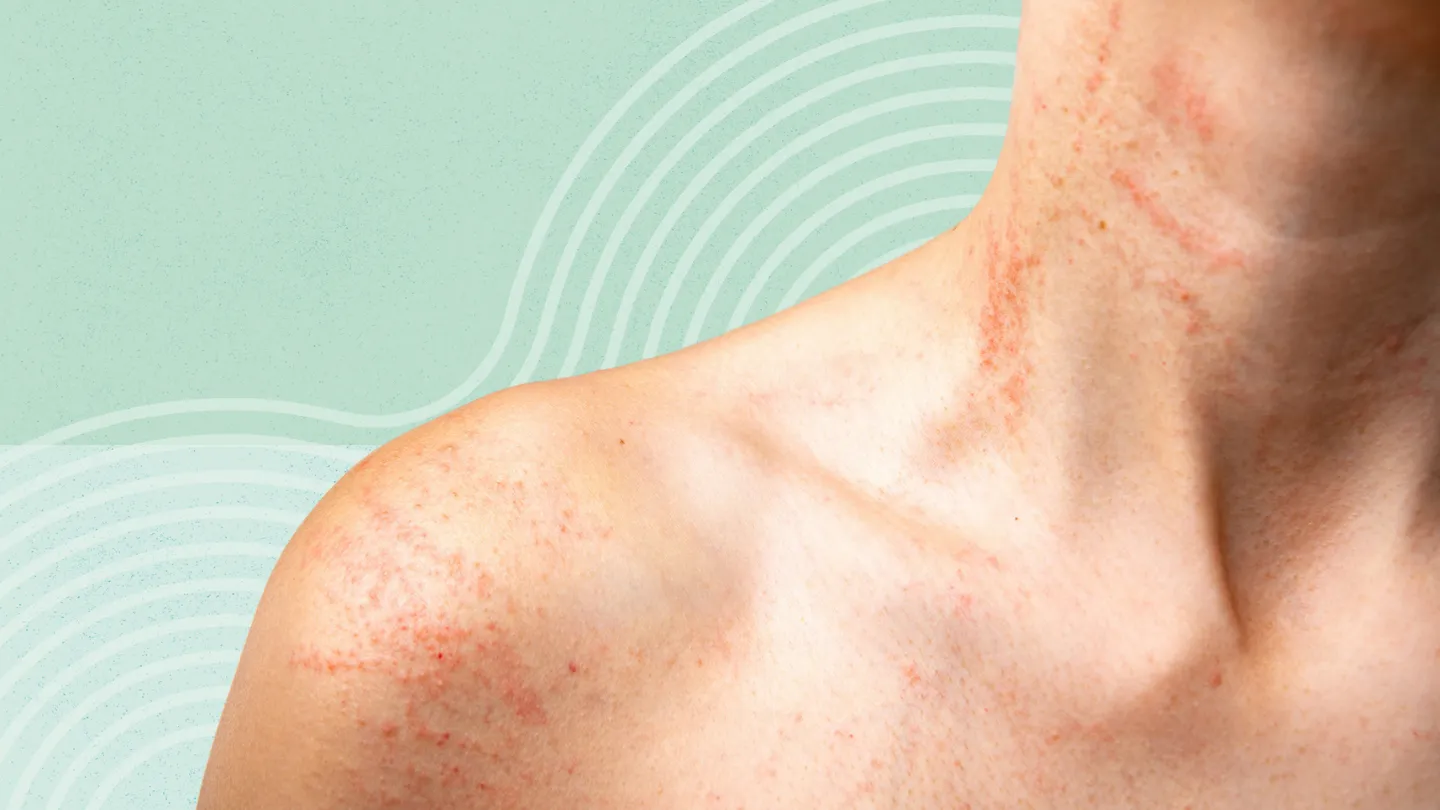
Our skin often reflects what’s happening inside our bodies. When red spots suddenly appear, it can be both uncomfortable and concerning. These spots can show up for many different reasons — from mild irritations to more serious medical conditions. Understanding the Causes of Red Spots on Skin can help you identify what’s going on and how to treat it properly.
In this comprehensive guide, we’ll explore the major Causes of Red Spots on Skin, how to recognize them, the best treatments, and when to seek medical attention. You’ll also learn simple home remedies, medical solutions, and preventive tips to keep your skin healthy and clear.
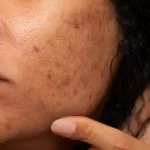
1. Allergic Reactions (Allergic Dermatitis)
One of the most common Causes of Red Spots on Skin is an allergic reaction. When your body encounters something it’s sensitive to — like certain foods, plants, fabrics, soaps, or cosmetics — your immune system reacts defensively. This reaction releases histamines into your bloodstream, leading to itching, redness, and small bumps or rashes.
Symptoms of Allergic Reactions
Itchy, red, or inflamed patches
Swelling or mild burning sensation
Dry or peeling skin
Spots may appear suddenly after contact with an allergen
Treatment for Allergic Red Spots
Avoid the Trigger: Try to identify and stay away from the substance that caused the reaction (new soap, lotion, food, etc.).
Apply a Cold Compress: This helps calm irritation and reduce swelling.
Use Antihistamines: Over-the-counter medications like loratadine or cetirizine can help control itching and redness.
Apply Hydrocortisone Cream: A mild steroid cream can reduce inflammation and relieve discomfort.
Moisturize: Use fragrance-free lotions to keep the skin hydrated.
Seek Medical Help: If you experience facial swelling, difficulty breathing, or widespread rash, see a doctor immediately — it could be a severe allergic reaction (anaphylaxis).
2. Heat Rash (Miliaria)
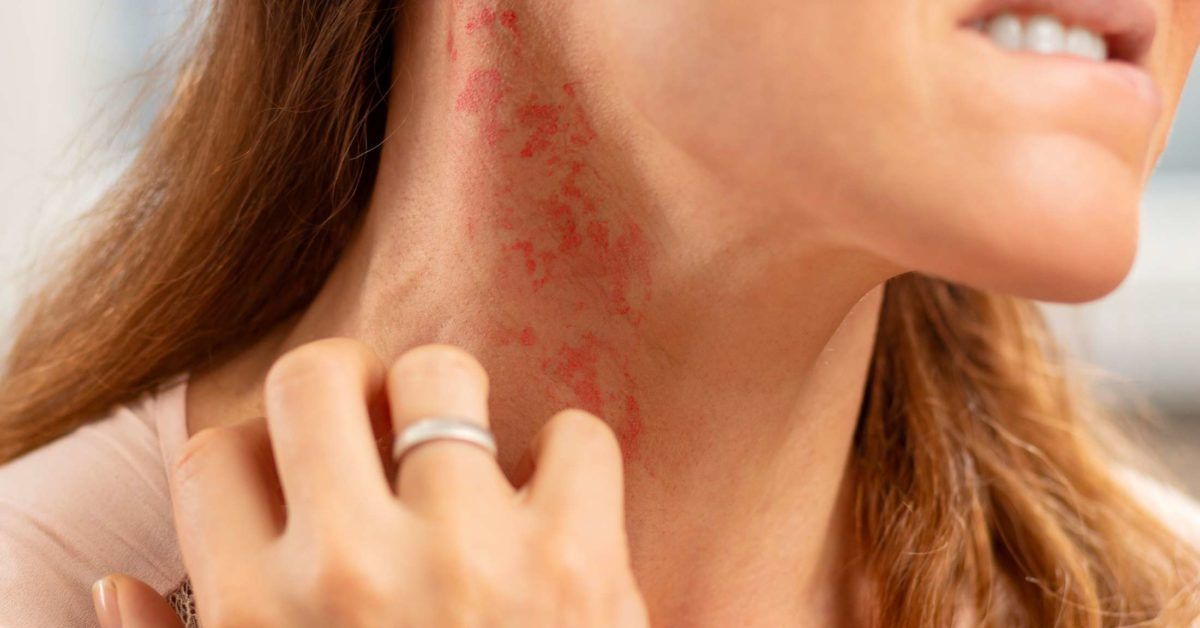
Another frequent cause among the Causes of Red Spots on Skin is heat rash. This occurs when sweat gets trapped under the skin because of blocked sweat glands, leading to small, itchy red bumps. It’s common in hot, humid environments or after intense physical activity.
Symptoms of Heat Rash
Clusters of small red or pink spots
Prickling or stinging sensation
Common on the neck, back, chest, or armpits
May worsen with excessive sweating
Treatment for Heat Rash
Cool the Skin: Move to a cool place or use a fan to reduce sweating.
Apply a Cool Compress: A damp, cool towel helps soothe irritation.
Use Calamine Lotion or Aloe Vera Gel: Both calm the skin and promote healing.
Avoid Heavy Creams or Ointments: These may clog pores and worsen the rash.
Stay Hydrated: Drinking water helps regulate body temperature.
Wear Breathable Clothing: Choose lightweight, cotton fabrics to prevent sweating.
3. Acne and Folliculitis
Among the leading Causes of Red Spots on Skin are acne and folliculitis. Acne occurs when oil and dead skin cells block pores, while folliculitis happens when hair follicles become inflamed or infected, usually due to bacteria, fungi, or friction from clothing.
Symptoms
Small red pimples or pustules
Whiteheads or blackheads
Pain, tenderness, or pus-filled bumps
Often appear on the face, back, chest, thighs, or buttocks
Treatment
Keep Skin Clean: Wash twice daily with a mild cleanser.
Topical Treatments: Use creams containing benzoyl peroxide, salicylic acid, or tea tree oil to kill bacteria.
Warm Compress: Helps draw out pus and relieve inflammation.
Avoid Squeezing Pimples: Picking can worsen infection and cause scarring.
See a Dermatologist: Persistent or severe acne may require antibiotics or prescription retinoids.
Hygiene Tips: Change sweaty clothes quickly and avoid sharing razors or towels.
4. Insect Bites
Insect bites are one of the simplest yet most irritating Causes of Red Spots on Skin. Bites from mosquitoes, fleas, bedbugs, or ants can lead to red, itchy bumps that sometimes blister or swell.
Cold Compress: Reduces swelling and soothes itching.
Apply Calamine Lotion: Provides instant relief from irritation.
Avoid Scratching: This prevents further inflammation and possible scarring.
Use Insect Repellent: Protects your skin from future bites.
Medical Help: If you develop severe swelling or allergic reactions, see a healthcare provider immediately.
5. Eczema (Atopic Dermatitis)
Eczema is a chronic skin condition and one of the long-term Causes of Red Spots on Skin. It’s often linked to genetics, allergies, or an overactive immune response. People with eczema experience recurring flare-ups of dry, itchy, and inflamed skin.
Symptoms
Dry, cracked, or scaly patches
Red, inflamed spots
Intense itching
Oozing or crusting during flare-ups
Treatment
Moisturize Regularly: Apply thick, fragrance-free creams to lock in moisture.
Avoid Harsh Soaps: Use gentle, unscented cleansers.
Topical Steroids: Hydrocortisone creams help reduce itching and inflammation.
Use Oatmeal Baths: They naturally soothe irritated skin.
Avoid Triggers: Identify stress, weather, or irritants that cause flare-ups.
Consult a Dermatologist: For persistent eczema, prescription creams or light therapy may be necessary.
6. Psoriasis
Psoriasis is an autoimmune condition where skin cells multiply faster than normal, resulting in thick, scaly patches that are red and inflamed. It’s one of the chronic Causes of Red Spots on Skin that needs long-term care.
Symptoms
Thick, raised red patches covered with silvery scales
Light Therapy: UV light exposure under medical supervision helps reduce symptoms.
Medications: Severe psoriasis may need oral or injectable immune-suppressing drugs.
Healthy Lifestyle: Manage stress, eat balanced meals, and avoid smoking or alcohol.
7. Petechiae
Petechiae are small red or purple spots caused by bleeding under the skin. Unlike other Causes of Red Spots on Skin, petechiae do not blanch (turn white) when pressed. They may indicate infections, blood disorders, or physical strain.
Symptoms
Tiny, pinpoint red dots
Painless, flat appearance
May occur on legs, arms, or inside the mouth
Treatment
Medical Evaluation: Always consult a doctor to identify the underlying cause.
Rest and Hydration: Helpful when petechiae result from minor strain.
Treat Underlying Conditions: For example, antibiotics for infections or specific therapy for blood disorders.
Avoid Strain: Rest to prevent further skin bleeding.
8. Fungal Infections
Fungal infections like ringworm, athlete’s foot, or yeast infections can also be among the Causes of Red Spots on Skin. These infections thrive in warm, moist environments.
Symptoms
Circular red patches with raised edges (ringworm)
Itching, burning, or peeling skin
May occur on scalp, groin, feet, or under breasts
Treatment
Topical Antifungal Creams: Such as clotrimazole or terbinafine.
Keep Area Dry: Fungi grow in damp places, so stay clean and dry.
Wear Breathable Clothing: Reduces sweating.
Avoid Sharing Personal Items: Prevents spread.
Medical Care: Severe infections may need oral antifungal medication.
9. Viral Infections
Some viral infections such as chickenpox, measles, and rubella can cause widespread red spots on skin. These are highly contagious conditions and often accompanied by fever or fatigue.
Symptoms
Red or pink spots that may form blisters
Fever, sore throat, or fatigue
Spots spreading rapidly across the body
Treatment
Rest and Hydration: Essential for recovery.
Antiviral Medication: May be prescribed for conditions like shingles or chickenpox.
Oatmeal Baths: Calm itching and soothe irritated skin.
Calamine Lotion: Provides relief from discomfort.
Vaccination: The most effective prevention against viral skin infections.
10. Rosacea
Rosacea is one of the facial Causes of Red Spots on Skin that affects adults, especially those with fair skin. It causes redness and visible blood vessels, usually on the face.
Symptoms
Redness on cheeks, forehead, and nose
Visible veins and small bumps
Burning or stinging sensation
Treatment
Avoid Triggers: Stay away from spicy food, alcohol, and heat.
Topical Creams: Such as metronidazole or azelaic acid.
Use Gentle Skincare: Avoid harsh soaps and scrubs.
11. Hives (Urticaria)
Hives are another allergic condition listed among the Causes of Red Spots on Skin. They appear suddenly as raised, itchy welts that come and go.
Symptoms
Red or skin-colored welts
Itching or burning
Spots that appear and fade within hours or days
Treatment
Antihistamines: Help reduce itching and swelling.
Cold Compress: Soothes irritation.
Avoid Known Triggers: Such as food, medications, or insect bites.
Medical Help: Chronic hives may require prescription medication.
itchy rash
12. Autoimmune Disorders (Lupus, Vasculitis)
Autoimmune diseases like lupus and vasculitis are less common Causes of Red Spots on Skin, but they can be serious. The immune system mistakenly attacks healthy cells, leading to rashes and inflammation.
Symptoms
Butterfly-shaped rash across nose and cheeks (lupus)
Painful red or purple patches (vasculitis)
Fatigue, joint pain, or fever
Treatment
Medical Diagnosis: Blood tests and doctor evaluation are essential.
Lifestyle Support: Adequate rest, stress reduction, and hydration.
13. Drug Reactions
Certain medications can cause allergic reactions or sensitivity that leads to red spots on skin.
Symptoms
Red, itchy rash appearing after starting a new medication
Possible swelling or blisters
Fever in severe cases
Treatment
Stop the Medication: Only under medical supervision.
Antihistamines and Corticosteroids: Reduce allergic response.
Seek Medical Care: For severe symptoms or blistering rashes.
14. Stress Rash
Emotional stress is another subtle but real factor among the Causes of Red Spots on Skin. Stress triggers hormones that can cause inflammation and irritation in sensitive individuals.
Symptoms
Small, red, itchy bumps
May appear on neck, arms, or chest
Often worsens during emotional tension
Treatment
Manage Stress: Try relaxation exercises or meditation.
Cold Compress: Helps calm inflammation.
Hydrocortisone Cream: Eases itching and redness.
Healthy Habits: Regular sleep, hydration, and exercise support skin recovery.
Prevention Tips for Red Spots on Skin
Maintain good hygiene and bathe daily.
Use mild, fragrance-free skincare products.
Stay hydrated to keep skin healthy.
Wear breathable fabrics and avoid tight clothing.
Protect your skin from insect bites and harsh sunlight.
Eat a balanced diet rich in vitamins A, C, and E for skin repair.
Manage stress levels and get enough rest.
When to See a Doctor
Seek medical advice if:
The red spots spread rapidly
You experience fever, pain, or swelling
The spots do not fade after a few days
You have bleeding or bruising under the skin
You notice breathing difficulty or severe allergic reaction
Frequently Asked Questions (FAQ)
1. Can stress cause red spots on skin?
Yes. Stress triggers hormonal changes that increase inflammation, leading to red, itchy rashes in sensitive individuals.
2. Are red spots on skin always serious?
Not always. Many Causes of Red Spots on Skin are harmless, such as mild allergies or heat rash. However, persistent or painful spots should be checked by a doctor.
3. Can poor hygiene cause red spots on skin?
Yes, poor hygiene can lead to clogged pores and bacterial growth, causing acne or folliculitis — both major Causes of Red Spots on Skin.
4. What vitamin deficiency causes red spots on skin?
Vitamin C and vitamin K deficiencies can cause small red spots or bruising due to weak blood vessels.
5. How can I prevent red spots on my skin naturally?
Drink enough water, maintain hygiene, moisturize regularly, eat vitamin-rich foods, and avoid known irritants.
6. Should I use antibiotics for red spots on skin?
Only if prescribed by a doctor. Some bacterial infections require antibiotics, but viral or fungal causes need different treatments.
7. Can sun exposure cause red spots on skin?
Yes. Excessive sun exposure can cause sunburn or heat rash, leading to red patches or blisters.
Final Thoughts
Understanding the Causes of Red Spots on Skin helps you take quick, appropriate action. Whether it’s an allergy, infection, or stress reaction, paying attention to symptoms and seeking timely care ensures proper healing.
While most red spots are harmless and fade with simple remedies, some can signal deeper health issues. Always listen to your body, treat your skin gently, and consult a dermatologist when in doubt. Healthy skin begins with awareness, prevention, and proper care.
A graduate of Computer Science and Information Management Technology. Diploma – Caregiving, Certificates – Dementia and Diabetes Awareness and Management. A researcher, blogger, songwriter, singer and acoustic guitarist. Born in an environment where natural talents such as healing are imparted at our natural birth. This natural talents of healing is the result of our genetic inheritance and the training from family environment.
We use cookies on our website to give you the most relevant experience by remembering your preferences and repeat visits. By clicking “Accept All”, you consent to the use of ALL the cookies. However, you may visit "Cookie Settings" to provide a controlled consent.
This website uses cookies to improve your experience while you navigate through the website. Out of these, the cookies that are categorized as necessary are stored on your browser as they are essential for the working of basic functionalities of the website. We also use third-party cookies that help us analyze and understand how you use this website. These cookies will be stored in your browser only with your consent. You also have the option to opt-out of these cookies. But opting out of some of these cookies may affect your browsing experience.
Necessary cookies are absolutely essential for the website to function properly. These cookies ensure basic functionalities and security features of the website, anonymously.
Cookie
Duration
Description
cookielawinfo-checkbox-analytics
11 months
This cookie is set by GDPR Cookie Consent plugin. The cookie is used to store the user consent for the cookies in the category "Analytics".
cookielawinfo-checkbox-functional
11 months
The cookie is set by GDPR cookie consent to record the user consent for the cookies in the category "Functional".
cookielawinfo-checkbox-necessary
11 months
This cookie is set by GDPR Cookie Consent plugin. The cookies is used to store the user consent for the cookies in the category "Necessary".
cookielawinfo-checkbox-others
11 months
This cookie is set by GDPR Cookie Consent plugin. The cookie is used to store the user consent for the cookies in the category "Other.
cookielawinfo-checkbox-performance
11 months
This cookie is set by GDPR Cookie Consent plugin. The cookie is used to store the user consent for the cookies in the category "Performance".
viewed_cookie_policy
11 months
The cookie is set by the GDPR Cookie Consent plugin and is used to store whether or not user has consented to the use of cookies. It does not store any personal data.
Functional cookies help to perform certain functionalities like sharing the content of the website on social media platforms, collect feedbacks, and other third-party features.
Performance cookies are used to understand and analyze the key performance indexes of the website which helps in delivering a better user experience for the visitors.
Analytical cookies are used to understand how visitors interact with the website. These cookies help provide information on metrics the number of visitors, bounce rate, traffic source, etc.
Advertisement cookies are used to provide visitors with relevant ads and marketing campaigns. These cookies track visitors across websites and collect information to provide customized ads.