









How Do I Know If My Rash Is Scabies?
A Complete Guide to Detection, Symptoms, and Treatment: How do I know if my rash is scabies? Learn the signs, symptoms, diagnosis methods, treatment options, and preventive measures to identify and manage scabies safely.
Rashes are one of the most common reasons people visit a doctor, and they can result from numerous causes, including allergies, infections, irritants, or skin conditions. Among these, scabies is a highly contagious skin infestation caused by tiny mites. It can be uncomfortable, persistent, and easily spread among family members or close contacts.
Many people who experience itching and red bumps ask, “How do I know if my rash is scabies?” Correctly identifying scabies is important to ensure proper treatment, prevent spreading to others, and reduce discomfort. Misidentifying the rash can delay treatment and worsen the condition.
In this comprehensive guide, we’ll explore how do I know if my rash is scabies, the typical signs and symptoms, causes, risk factors, treatment options, and preventive measures to keep your skin healthy.
Understanding Scabies
Scabies is caused by a microscopic mite called Sarcoptes scabiei. These mites burrow into the top layer of the skin to lay eggs, triggering intense itching and skin irritation. The mites are very small — often invisible to the naked eye — but their activity causes the characteristic rash associated with scabies.
Scabies is contagious and can spread through:
- Direct skin-to-skin contact with an infected person
- Sharing clothes, bedding, or towels of an infected person
- Close living conditions such as nursing homes or dormitories
Because scabies spreads easily, recognizing the early signs is crucial.
Who Can Get Scabies?
Anyone can get scabies, regardless of age or hygiene. Some groups are more vulnerable:
- Children, due to close contact in schools or daycare
- Elderly individuals in nursing homes
- People living in crowded conditions
- Individuals with weakened immune systems
Early detection is key, which is why asking how do I know if my rash is scabies? is so common.
How Do I Know If My Rash Is Scabies? Key Symptoms to Watch For
Scabies presents with several characteristic symptoms. Knowing these signs can help distinguish scabies from other skin conditions like eczema, allergic reactions, or fungal infections.
- Intense Itching
- The most common symptom of scabies is intense itching, especially at night.
- Itching occurs because the body reacts to the mites, their eggs, and waste products.
- If your rash itches worse after warming up in bed, it could be scabies.
- Red Bumps or Spots
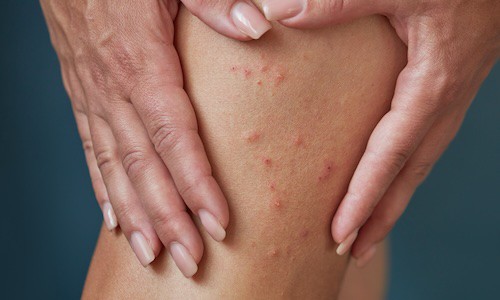
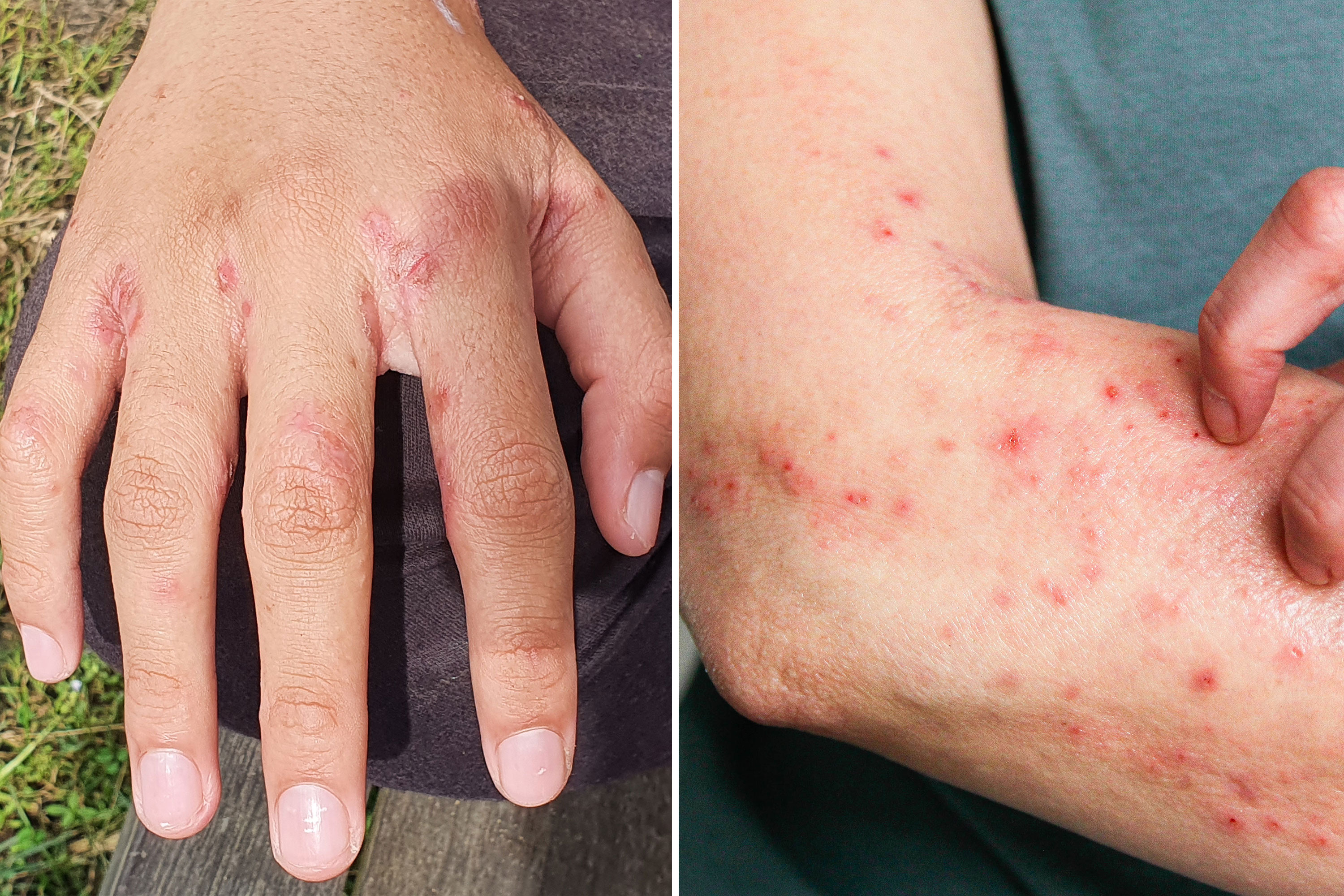
- Small red bumps or pimples appear, often in clusters.
- These bumps may be filled with pus or have tiny blisters.
- The bumps are caused by irritation from the mite burrows and the body’s immune response.
- Burrow Marks
- Tiny, thread-like lines may appear on the skin, often where mites burrow.
- Common areas include:
- Between fingers
- Wrists and elbows
- Armpits
- Waistline
- Inner thighs
- Around the nipples or genital area
- Burrows are usually greyish or skin-colored and can be difficult to see.
- Sores from Scratching
- Scratching itchy bumps can lead to secondary infections.
- Sores may become crusted or scabbed if infected.
- Rashes in Unusual Areas
- In infants and young children, scabies can appear on the scalp, face, palms, or soles of the feet.
Early vs. Delayed Symptoms
- First exposure: Symptoms may take 2–6 weeks to appear because the immune system is reacting for the first time.
- Subsequent exposure: Symptoms may appear within 1–4 days, and itching can be intense.
Knowing this timeline helps answer the question: how do I know if my rash is scabies? — timing of symptoms can indicate exposure history.
Common Misdiagnoses
Scabies is often confused with:
- Eczema
- Contact dermatitis
- Chickenpox
- Fungal infections
- Bedbug bites
The key difference is the burrow lines and night-time itching, which are more typical for scabies.
How Scabies Is Diagnosed
If you suspect scabies, a healthcare professional can confirm the diagnosis through:
- Visual Examination
- Doctors look for the characteristic rash and burrow patterns.
- Skin Scraping Test
- A small skin scraping is examined under a microscope to detect mites, eggs, or fecal matter.
- Dermoscopy
- A handheld device magnifies the skin to visualize mites or burrows.
Important: Self-diagnosis is risky because other skin conditions may mimic scabies.
How Scabies Spreads
Scabies spreads primarily through:
- Prolonged skin-to-skin contact with someone infected
- Sharing personal items like clothing, bedding, or towels
- Living in crowded conditions
Because of this, family members or close contacts may need treatment at the same time.
Treatment Options
If you have confirmed scabies, your doctor will recommend treatment. This answers the next step after asking how do I know if my rash is scabies? — treatment is essential.
- Prescription Creams
- Permethrin 5% cream is the most common treatment.
- Applied over the entire body, from neck to toes, and left for 8–14 hours before washing off.
- Usually repeated after one week.
- Oral Medication
- Ivermectin may be prescribed for severe cases or crusted scabies.
- Usually taken as a single dose, sometimes repeated after one week.
- Managing Itching
- Antihistamines or soothing creams can reduce itchiness.
- Avoid scratching to prevent secondary infections.
- Cleaning Environment
- Wash clothes, bedding, and towels in hot water.
- Items that cannot be washed should be sealed in plastic bags for at least 72 hours.
Home Care and Precautions
While prescription treatments are necessary, these steps can support recovery:
- Keep fingernails short to reduce skin damage from scratching
- Avoid close skin contact with others until treatment is complete
- Inform sexual partners or close household contacts
- Maintain hygiene and clean living spaces
Complications of Untreated Scabies
If scabies is left untreated, complications can include:
- Secondary bacterial infections due to scratching
- Crusted scabies – severe form common in immunocompromised individuals
- Spread to family or community
Prompt treatment prevents these issues.
Frequently Asked Questions (FAQ)
Q1: How do I know if my rash is scabies or just an allergy?
- Look for burrows, intense nighttime itching, and clusters of small red bumps. Allergic rashes usually lack burrows and are less localized.
Q2: Can scabies go away on its own?
- No, scabies will persist and may worsen without treatment.
Q3: Can I catch scabies from pets?
- Human scabies is different from animal mites. Pets may have their own mites but do not usually transmit human scabies.
Q4: How long does it take for scabies to clear after treatment?
- Symptoms may improve within 2–4 days, but itching can last for 2–3 weeks. Follow-up treatment may be required.
Q5: Can I prevent scabies?
- Avoid prolonged skin contact with infected individuals and do not share clothing, towels, or bedding during outbreaks.
When to See a Doctor Immediately
- Severe itching or rash spreading quickly
- Signs of secondary infection (pus, fever)
- Symptoms in infants, elderly, or immunocompromised individuals
- Recurring rashes despite home treatment
Early medical intervention is key to preventing complications.
Prevention Tips
To reduce the risk of scabies:
- Wash clothes, bedding, and towels in hot water
- Avoid close contact with infected individuals
- Keep fingernails short
- Clean living environments regularly
- Inform household contacts if infected
Good hygiene and early detection are crucial.
Final Thoughts: How Do I Know If My Rash Is Scabies?
So, how do I know if my rash is scabies? Key indicators include:
- Intense itching, especially at night
- Small red bumps in clusters
- Thread-like burrow lines on skin
- Rash in typical areas: hands, wrists, elbows, waistline, genital area
- Family members or close contacts with similar symptoms
If these signs appear, see a healthcare professional promptly. Proper diagnosis and treatment with prescription creams or oral medication are essential. Supporting measures like cleaning your environment and relieving itchiness can help, but scabies does not cure itself. Early action protects your health and prevents spreading the infestation to others.
Benefits of Cloves to The Vagina

A graduate of Computer Science and Information Management Technology. Diploma – Caregiving, Certificates – Dementia and Diabetes Awareness and Management. A researcher, blogger, songwriter, singer and acoustic guitarist. Born in an environment where natural talents such as healing are imparted at our natural birth. This natural talents of healing is the result of our genetic inheritance and the training from family environment.