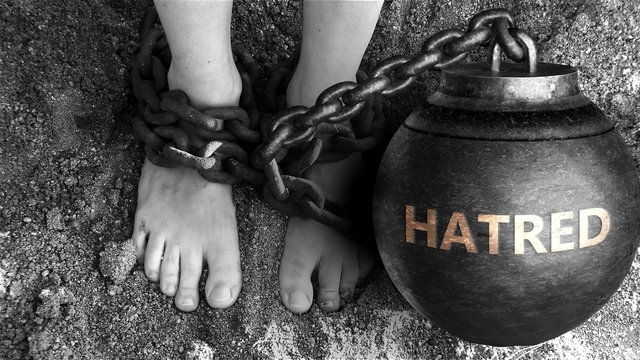
Learn how to deal with heartbreak as a man with practical steps to heal emotionally, rebuild confidence, and move forward stronger after a breakup.
Heartbreak is one of the most painful emotional experiences anyone can go through. But for many men, it comes with an extra layer of struggle—silence. Society often teaches men to be strong, to suppress emotions, and to “move on” quickly without fully processing what they feel.
The truth is, heartbreak affects men deeply. It can shake your confidence, disrupt your daily life, and even affect your mental and physical health. Learning how to deal with heartbreak as a man is not about ignoring the pain—it’s about facing it, understanding it, and growing through it.
This guide will walk you through the emotional reality of heartbreak, what actually happens in your mind and body, and practical steps you can take to heal, rebuild, and come back stronger.
Understanding Heartbreak: What You’re Really Feeling
Before learning how to deal with heartbreak as a man, it’s important to understand what heartbreak actually is.
Heartbreak is not just emotional—it is also psychological and physical. When a relationship ends, your brain reacts in a way similar to withdrawal from addiction. You are losing not just a person, but also:
All of these are normal. The key is not to run from them.
Why Men Struggle More in Silence
One major challenge in learning how to deal with heartbreak as a man is the pressure to stay silent.
Many men are taught:
“Don’t cry”
“Be strong”
“Move on quickly”
As a result, instead of processing emotions, they:
Suppress feelings
Distract themselves excessively
Avoid talking about the pain
This can make healing slower and more complicated.
Real strength is not in hiding pain—it’s in facing it honestly.
How to Deal With Heartbreak as a Man (Deep Dive Into Each Step)
Step 1: Accept the Pain Instead of Fighting It
Most men’s first instinct after heartbreak is to shut it down—ignore it, bury it, or distract themselves from it. But the reality is this: what you suppress doesn’t disappear—it stays and grows quietly.
Acceptance doesn’t mean you enjoy the pain. It means you stop running from it.
You might feel:
A heavy emptiness in your chest
Sudden waves of sadness
Anger that comes out of nowhere
A deep sense of loss
Instead of saying “I shouldn’t feel this way,” try saying:
“This hurts… and that’s okay.”
Allow yourself to sit with the feeling, even if it’s uncomfortable. Cry if you need to. Be still. Let your mind process what has happened.
The moment you stop resisting the pain is the moment healing truly begins.
Step 2: Cut Off Constant Reminders
One of the biggest obstacles to healing is constant emotional re-triggering.
Every time you:
Check their social media
Read old chats
Look at pictures
Replay memories
You are reopening the wound.
Your brain is trying to detach, but these actions keep pulling you back emotionally. It creates a cycle where you feel like you’re not making progress.
This step is not about hate or bitterness—it’s about protecting your mental space.
Practical actions:
Mute or unfollow them temporarily
Archive photos and messages
Avoid places strongly tied to memories (at least for a while)
Think of it like this:
“Distance is not weakness—it’s recovery.”
You’re giving your mind the space it needs to reset.
All Men Go Through While Recovering From A Tough Breakup
Step 3: Talk to Someone You Trust
Many men carry heartbreak alone, thinking it makes them strong. But silence often turns pain into pressure.
Talking is not about complaining—it’s about releasing what’s inside you.
When you speak:
You organize your thoughts
You reduce emotional weight
You gain clarity
Choose someone who:
Listens without judgment
Doesn’t rush you
Offers honest perspective
If talking feels difficult, start small:
“I’ve been going through something…”
“I just need someone to listen…”
Even one conversation can ease what feels overwhelming.
You don’t have to carry everything by yourself.
Step 4: Rebuild Your Routine
After a breakup, your life can feel disorganized. The structure you once had—calls, texts, plans—disappears.
This creates a dangerous space where overthinking grows.
That’s why rebuilding your routine is critical.
Start simple:
Wake up at the same time daily
Plan your day, even loosely
Stay engaged in tasks
Structure gives your mind direction.
Without it, your thoughts will keep drifting back to the past.
With it, you begin to shift your focus toward the present and future.
Step 5: Take Care of Your Physical Health
Heartbreak is emotional, but it affects your body too.
You may notice:
Low energy
Poor sleep
Loss of appetite or overeating
Taking care of your body helps stabilize your mind.
Focus on:
Movement (gym, walking, sports)
Balanced meals
Proper rest
Exercise, especially, is powerful. It releases chemicals in your brain that improve mood and reduce stress.
Even if you don’t feel like it, start small:
A 10-minute walk
Light stretching
Simple routines
Your body can help pull your mind out of emotional darkness.
Step 6: Avoid Destructive Coping Habits
When the pain feels too much, it’s easy to look for escape.
Common traps include:
Drinking excessively
Jumping into another relationship too quickly
Isolating yourself
Constant distractions (games, social media, etc.)
These don’t heal you—they delay the healing.
They create temporary relief but leave the real issue untouched.
Ask yourself:
“Is this helping me heal… or helping me avoid?”
Choose coping methods that build you, not break you further.
Step 7: Reflect and Learn From the Experience
At some point, you need to shift from pain to understanding.
Reflection is not about blaming yourself or your partner—it’s about gaining clarity.
Ask deeper questions:
What worked in the relationship?
What didn’t?
Where did I ignore red flags?
How did I show up emotionally?
This step transforms heartbreak into growth.
Instead of:
“Why did this happen to me?”
You begin to ask:
“What can I learn from this?”
That shift changes everything.
Step 8: Rediscover Yourself
Sometimes, in relationships, you lose parts of yourself without realizing it.
Your time, energy, and identity become shared.
Now, you have the opportunity to reconnect with yourself.
This is your reset moment.
Explore:
Hobbies you abandoned
Skills you want to learn
Personal goals you postponed
Rebuild your identity—not around someone else, but around who you are becoming.
This is where confidence returns.
Step 9: Give Yourself Time
Healing is not a straight line.
Some days:
You feel strong and clear
Other days:
You feel like you’re back at the beginning
This is normal.
Don’t measure healing by how fast you “move on.”
Measure it by:
How you respond to your emotions
How often you regain control
How much you grow through the process
Be patient.
Time doesn’t just pass—it works, if you allow it.
Step 10: Know That You Will Move Forward
Right now, it may feel like the pain will last forever.
But it won’t.
Every day you:
Feel a little less heavy
Think about it a little less
Focus more on yourself
You are moving forward.
One day, you will look back and realize:
You survived it
You learned from it
You became stronger because of it
Heartbreak doesn’t end your story—it reshapes it.
Final Reflection
Learning how to deal with heartbreak as a man is not about pretending to be strong—it’s about becoming truly strong through understanding, healing, and growth.
You don’t have to rush the process.
You just have to stay committed to it.
And with time, you won’t just recover—you’ll evolve.
Heartbreak can feel overwhelming, but one of the first steps to coping is learning how to manage your thoughts and emotions. Instead of dwelling on sadness, shifting your focus to things that bring joy—like comedy, happy memories, or laughter—can ease emotional pain. Laughter, even when it feels forced at first, helps release feel-good chemicals in the brain and reduces stress.
At the same time, avoiding isolation is crucial. Staying alone often intensifies negative thinking and self-blame, so it’s important to connect with others, engage in activities, and remind yourself that the breakup is not entirely your fault.
Maintaining a positive mindset plays a major role in healing. While it may seem difficult, seeing the breakup as a lesson or even a form of protection from future pain can help you regain perspective. Instead of holding onto what was lost, focus on moving forward by rebuilding your life.
This can include returning to hobbies you once enjoyed, setting new goals, and redirecting your energy into meaningful work. Keeping yourself active and engaged prevents your mind from constantly revisiting the past.
Taking care of your physical and emotional health is equally important during this period. Regular exercise, even something as simple as a short walk, helps improve mood and reduce negative emotions. Practices like meditation and yoga can calm the mind and restore focus.
At the same time, expressing your emotions—whether by talking to someone you trust or writing them down—helps release internal pressure and speeds up the healing process. Bottling up feelings only prolongs the pain, while healthy expression brings relief.
Finally, true healing comes from acceptance, reflection, and personal growth. Accepting that the relationship has ended allows you to stop living in denial and begin moving forward. Taking time to understand what went wrong, learning from the experience, and focusing on self-improvement helps you grow stronger.
Rather than rushing into another relationship, give yourself time to heal, rediscover your identity, and build a better future. By staying patient, open, and proactive, you can turn heartbreak into a powerful opportunity for transformation.
Final Thoughts
Learning how to deal with heartbreak as a man is not about suppressing emotions or pretending to be unaffected. It’s about facing the pain, processing it, and using it as a stepping stone for growth.
You are allowed to feel. You are allowed to heal. And most importantly, you are allowed to move forward.
Heartbreak may break you for a moment—but it can also build you for a lifetime.
A graduate of Computer Science and Information Management Technology. Diploma – Caregiving, Certificates – Dementia and Diabetes Awareness and Management. A researcher, blogger, songwriter, singer and acoustic guitarist. Born in an environment where natural talents such as healing are imparted at our natural birth. This natural talents of healing is the result of our genetic inheritance and the training from family environment.
We use cookies on our website to give you the most relevant experience by remembering your preferences and repeat visits. By clicking “Accept All”, you consent to the use of ALL the cookies. However, you may visit "Cookie Settings" to provide a controlled consent.
This website uses cookies to improve your experience while you navigate through the website. Out of these, the cookies that are categorized as necessary are stored on your browser as they are essential for the working of basic functionalities of the website. We also use third-party cookies that help us analyze and understand how you use this website. These cookies will be stored in your browser only with your consent. You also have the option to opt-out of these cookies. But opting out of some of these cookies may affect your browsing experience.
Necessary cookies are absolutely essential for the website to function properly. These cookies ensure basic functionalities and security features of the website, anonymously.
Cookie
Duration
Description
cookielawinfo-checkbox-analytics
11 months
This cookie is set by GDPR Cookie Consent plugin. The cookie is used to store the user consent for the cookies in the category "Analytics".
cookielawinfo-checkbox-functional
11 months
The cookie is set by GDPR cookie consent to record the user consent for the cookies in the category "Functional".
cookielawinfo-checkbox-necessary
11 months
This cookie is set by GDPR Cookie Consent plugin. The cookies is used to store the user consent for the cookies in the category "Necessary".
cookielawinfo-checkbox-others
11 months
This cookie is set by GDPR Cookie Consent plugin. The cookie is used to store the user consent for the cookies in the category "Other.
cookielawinfo-checkbox-performance
11 months
This cookie is set by GDPR Cookie Consent plugin. The cookie is used to store the user consent for the cookies in the category "Performance".
viewed_cookie_policy
11 months
The cookie is set by the GDPR Cookie Consent plugin and is used to store whether or not user has consented to the use of cookies. It does not store any personal data.
Functional cookies help to perform certain functionalities like sharing the content of the website on social media platforms, collect feedbacks, and other third-party features.
Performance cookies are used to understand and analyze the key performance indexes of the website which helps in delivering a better user experience for the visitors.
Analytical cookies are used to understand how visitors interact with the website. These cookies help provide information on metrics the number of visitors, bounce rate, traffic source, etc.
Advertisement cookies are used to provide visitors with relevant ads and marketing campaigns. These cookies track visitors across websites and collect information to provide customized ads.