Discover 20 simple and delicious ways to increase protein intake naturally. Learn how to get more protein from real foods for better energy and health.
You don’t have to be a fitness guru or professional athlete to care about how to increase protein intake in your diet. Protein is one of the body’s most important nutrients, and everyone — regardless of age or activity level — needs enough of it to stay healthy and strong.
From building and repairing tissues to producing hormones, enzymes, and immune cells, protein plays a vital role in almost every bodily function. It even helps you feel full for longer, which is why high-protein diets are often linked to better weight control and reduced cravings.
As we grow older, our bodies naturally lose muscle mass and strength, making it even more important to learn how to increase protein intake to support healthy aging. Whether you’re trying to build muscle, manage your weight, recover from an injury, or simply stay energized throughout the day, getting enough protein is key.
The good news? You don’t need fancy supplements or expensive shakes to do it. There are many simple, delicious, and natural ways to include more protein in your meals — and we’ll show you how.
How Much Protein Do You Really Need?
Before learning how to increase protein intake, it’s helpful to understand how much your body actually requires.
For the average sedentary adult, the Recommended Dietary Allowance (RDA) is 0.8 grams of protein per kilogram of body weight per day. For example, if you weigh 70 kilograms (about 154 pounds), you need roughly 56 grams of protein daily.
If you’re physically active, your needs increase. Athletes or people who exercise regularly should aim for 1.2 to 1.7 grams per kilogram of body weight per day to maintain and repair muscle tissue.
Older adults, however, require even more — between 1.2 and 2.0 grams per kilogram daily — because aging reduces muscle synthesis and efficiency. Maintaining adequate protein can help prevent muscle loss, weakness, and fatigue.
Why Protein Matters So Much
Protein is often called the “building block of life” for good reason. It supports numerous functions, including:
Muscle repair and growth: After exercise or physical activity, protein helps rebuild and strengthen muscle fibers.
Hormone and enzyme production: Many hormones and enzymes that regulate metabolism, energy, and cell repair are made from protein.
Immune system support: Antibodies that protect you from illnesses are proteins.
Healthy skin, hair, and nails: Collagen, keratin, and elastin — all proteins — are essential for strong, youthful skin and hair.
Appetite control: Protein increases satiety and reduces hunger, helping you eat fewer calories throughout the day.
When your diet lacks enough protein, your body can experience fatigue, slow recovery, weak immunity, and even muscle loss. That’s why learning how to increase protein intake is so important for long-term health.
20 Easy and Tasty Ways to Increase Your Protein Intake
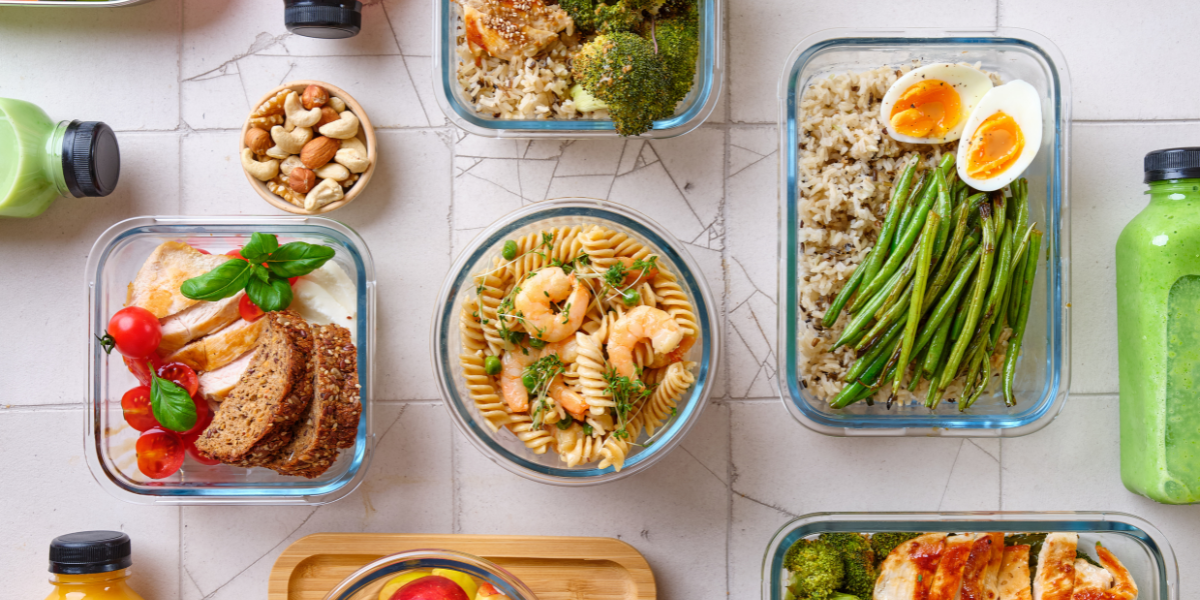
Learning how to increase protein intake doesn’t mean you have to eat the same foods every day or rely on supplements. In fact, with a little creativity, you can add more protein to your diet in delicious and satisfying ways. Whether you’re looking to build muscle, lose weight, or just feel stronger and more energized, here are 20 easy methods to help you reach your protein goals naturally.
Start Your Day with Protein
Breakfast is often called the most important meal of the day, and for good reason. Starting your morning with protein helps stabilize your blood sugar levels, keeps you full longer, and boosts your energy for the day ahead. Instead of sugary cereals or pastries, opt for high-protein options like scrambled eggs, Greek yogurt, or cottage cheese. You can also add nut butter to whole-grain toast or make a smoothie with milk, oats, and seeds. If you’re wondering how to increase protein intake early in the day, beginning with a protein-rich breakfast sets the right tone for your entire day.
Choose Eggs Over Processed Breakfasts
Eggs are one of nature’s most complete protein sources. They contain all nine essential amino acids that your body needs for muscle growth and repair. A single egg provides about 6–7 grams of protein, making it an easy way to boost your daily intake. You can prepare them boiled, scrambled, poached, or in omeletswith vegetables for extra nutrients. For people trying to learn how to increase protein intake without using supplements, eggs are one of the most affordable and effective solutions.
Add Greek Yogurt to Your Snacks
Greek yogurt is an incredibly versatile and delicious food that fits perfectly into your daily routine. It contains almost twice as much protein as regular yogurt and is rich in calcium and probiotics, which are great for digestion. You can enjoy it plain, mix it with fruit, or use it as a healthy base for smoothies and dips. Including Greek yogurt as a snack or dessert is one of the easiest ways to learn how to increase protein intake while satisfying your taste buds.
Snack on Nuts and Seeds
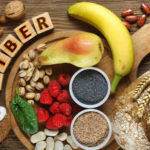
If you’re looking for quick, portable options to increase your protein, nuts and seeds are your best friends. Almonds, pistachios, sunflower seeds, chia seeds, and flaxseeds all contain a healthy balance of protein, fiber, and essential fats. They’re perfect for keeping hunger at bay between meals. A small handful of nuts or a spoonful of seeds added to your yogurt, oatmeal, or smoothie can make a noticeable difference in your daily protein levels. For anyone focused on how to increase protein intake, these little nutrient bombs pack a serious punch.
Replace Refined Carbs with Protein-Rich Alternatives
One of the smartest dietary changes you can make when figuring out how to increase protein intake is to replace low-nutrient carbs with higher-protein options. Instead of white rice, switch to quinoa, lentils, or chickpeas. Instead of regular pasta, try chickpea or lentil pasta. These foods provide both protein and fiber, helping you stay full longer while nourishing your body. It’s a simple swap that can have a major impact on your nutrition.
Include Lean Meats in Your Diet
Lean meats like chicken breast, turkey, and lean beef are some of the best protein sources you can eat. They’re low in fat and rich in essential nutrients such as iron, zinc, and B vitamins. Grilling, baking, or roasting lean meat can help preserve its nutritional value. If you’re serious about how to increase protein intake, incorporating a serving of lean meat into your lunch or dinner will give your body the amino acids it needs for muscle growth and repair.
How to Increase Protein Intake: A Complete Guide to Meeting Your Daily
Try Fish and Seafood
Fish and seafood are outstanding sources of protein and healthy fats. Salmon, tuna, mackerel, and sardines not only offer high-quality protein but also provide omega-3 fatty acids, which reduce inflammation and support heart health. Shellfish such as shrimp and crab are equally rich in protein and minerals. Regularly including seafood in your diet is one of the healthiest ways to learn how to increase protein intake while also improving your brain and joint function.
Eat More Beans and Legumes
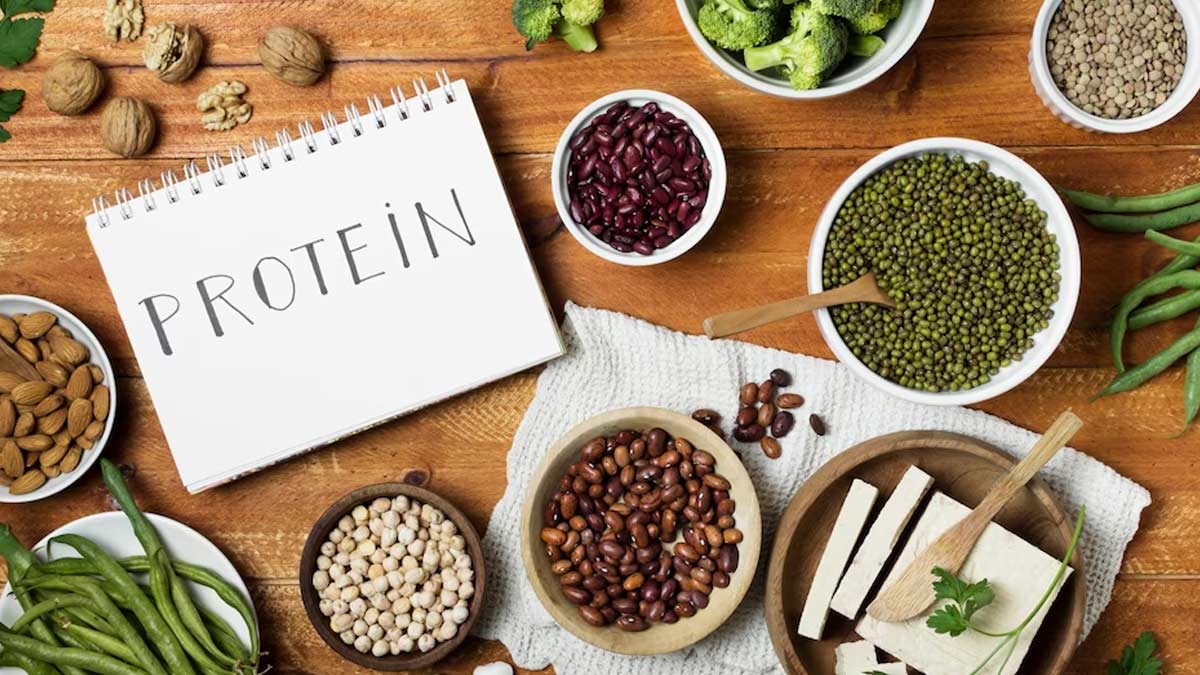
Beans, lentils, peas, and chickpeas are some of the best plant-based protein sources around. They’re also packed with fiber, antioxidants, and essential minerals. Including beans in your soups, stews, and salads is an easy and budget-friendly way to improve your protein levels. For vegetarians and vegans learning how to increase protein intake, legumes are a must-have — they’re filling, nutritious, and versatile enough for countless recipes.
Use Cottage Cheese as a Snack or Side
Cottage cheese is often underrated, but it’s one of the most powerful collagen-friendly and protein-rich foods available. It’s low in fat and calories but high in slow-digesting casein protein, which helps build muscle and repair tissues even while you sleep. A small bowl of cottage cheese with sliced fruits or honey makes for a healthy snack or bedtime treat. Including it in your diet regularly is a simple yet effective way to master how to increase protein intake effortlessly.
Opt for Protein-Rich Grains
Whole grains such as quinoa, buckwheat, amaranth, barley, and oats contain much more protein than refined grains. For example, one cup of cooked quinoa provides about 8 grams of protein along with plenty of fiber and magnesium. Swapping white rice or white breadfor these grains can make a big difference. If you’re exploring how to increase protein intake while maintaining balanced nutrition, these grains are a smart and satisfying choice.
Drink Protein Smoothies
If you have a busy lifestyle, protein smoothies can be a lifesaver. They’re quick to prepare, portable, and easy to customize. Blend milk or plant-based milk with fruits, vegetables, oats, and nut butter for a nutrient-packed meal. Adding a scoop of natural protein powder is optional, but it can further enhance your intake. Making smoothies part of your daily routine is a delicious strategy for how to increase protein intake even when you’re short on time.
Incorporate Tofu and Tempeh
For those who prefer plant-based eating, tofu and tempeh are excellent meat alternatives. Both are made from soybeans and are rich in high-quality protein, calcium, and iron. Tofu absorbs flavors easily, making it perfect for stir-fries, soups, or curries. Tempeh, on the other hand, has a firmer texture and nutty taste that works well in sandwiches or salads. Adding these foods to your meals is one of the smartest ways vegetarians can learn how to increase protein intake naturally.
Add Milk or Plant-Based Alternatives
Milk is a classic source of protein that also delivers calcium and vitamin D for strong bones. One cup of cow’s milk contains about 8 grams of protein. If you’re lactose intolerant or vegan, choose fortified alternatives like soy milk or pea protein milk. They contain comparable protein levels and are easy to add to cereals, smoothies, or coffee. Drinking milk or its plant-based equivalents is a simple and effective step in learning how to increase protein intake every day.
Snack on Cheese
Cheese isn’t just delicious — it’s also rich in protein and calcium. A small portion can go a long way in boosting your intake. Hard cheeses like parmesan and cheddar contain more protein per ounce than softer varieties. Enjoy them with whole-grain crackers or sprinkle them on your salads and omelets. Including cheese in moderation is another enjoyable answer to how to increase protein intake without feeling restricted.
Add Collagen or Gelatin to Your Diet
Collagen and gelatin are both rich in amino acids that support skin, joint, and muscle health. While they’re not complete proteins, they still contribute valuable nutrients that enhance your body’s overall protein profile. You can add unflavored collagenpowder to coffee, tea, or smoothies without changing the taste. It’s a subtle but effective strategy for anyone learning how to increase protein intake while supporting overall wellness.
Try Edamame
Edamame — young, green soybeans — are a fun and tasty way to snack on protein. One cup of cooked edamame contains about 17 grams of protein, plus fiber, folate, and magnesium. They’re great on their own or tossed into salads, stir-fries, and grain bowls. If you want to enjoy snacking while still focusing on how to increase protein intake, edamame is a perfect balance of flavor and nutrition.
Make Protein a Part of Every Meal
Consistency is key when it comes to improving your protein levels. Instead of trying to eat a huge amount of protein at once, spread it throughout your day. Include eggs or yogurtat breakfast, lean meat or beans at lunch, and fish or tofu at dinner. This steady supply helps your body use protein more efficiently for muscle repair and energy. One of the most sustainable ways to learn how to increase protein intake is to make it a regular part of each meal.
Use Protein-Rich Flour Alternatives
When baking, swap refined flour for options that naturally contain more protein — like almond flour, chickpea flour, or oat flour. These alternatives not only boost your protein intake but also add extra nutrients and fiber. They’re perfect for making pancakes, muffins, or cookies that are both healthy and filling. Small changes like this can make a big difference for anyone trying to figure out how to increase protein intake without changing their diet too drastically.
Combine Proteins for a Better Profile
Not all plant proteins are “complete,” meaning they may lack one or more essential amino acids. But when you combine them — like rice with beans, or hummus with whole-grain pita — you get a full amino acid profile similar to animal protein. Learning how to increase protein intake isn’t just about quantity but also quality, and combining different protein sources ensures your body gets everything it needs to function optimally.
Stay Hydrated and Plan Ahead
When you consume more protein, your body needs additional water to help metabolize and eliminate the byproducts of protein digestion. Staying hydrated supports kidney function and overall energy levels. Planning meals ahead of time also helps ensure you meet your protein goals consistently. Whether you prep meals for the week or simply keep high-protein snacks on hand, good organization is essential when mastering how to increase protein intake effectively.
🌿 How to Increase Protein Intake on a Vegetarian or Vegan Diet
Many people believe that a vegetarian or vegan lifestyle makes it hard to get enough protein — but that’s far from the truth. There are plenty of delicious, nutrient-dense plant foods that can help you meet your protein goals with ease. If you’re wondering how to increase protein intake without eating meat or dairy, here are smart and sustainable ways to do it.
Focus on Complete Plant Proteins
Some plant foods, like quinoa, buckwheat, soy, chia seeds, and hemp seeds, are considered complete proteins because they contain all nine essential amino acids. Including these in your meals ensures your body gets the full range of nutrients it needs for muscle repair and energy. Start your morning with a quinoa porridge or a smoothie sprinkled with hemp seeds — a delicious way to learn how to increase protein intake plant-based.
Combine Different Plant Proteins
Most plant-based proteins are “incomplete,” but when you pair them strategically, they complement each other perfectly. For example, rice and beans, hummus with whole-grain pita, or lentil soup with barley create complete amino acid profiles. Combining foods this way is one of the most effective techniques for vegetarians exploring how to increase protein intake naturally.
Incorporate Soy Products
Soy-based foods like tofu, tempeh, soy milk, and edamame are powerhouse sources of plant protein. Tofu absorbs any flavor you cook it with, while tempeh offers a firmer, meat-like texture ideal for grilling or stir-frying. Soy milk can also replace dairy milk in your coffee, smoothies, or cereals. If you’re wondering how to increase protein intake without animal foods, soy is one of your best allies.
Add Legumes and Lentils to Your Meals
Beans, lentils, and chickpeas are foundational in any plant-based diet. They’re high in protein, fiber, and antioxidants, keeping you full and energized for hours. A cup of cooked lentils provides about 18 grams of protein — making them one of the most nutrient-packed plant foods available. Using these versatile ingredients in soups, stews, or wraps is a great method for how to increase protein intake affordably and healthily.
Enjoy Nuts and Nut Butters
Nuts like almonds, peanuts, and cashews — along with their butters — are easy and tasty protein boosters. You can spread peanut butter on whole-grain toast, blend almond butter into smoothies, or snack on roasted cashews throughout the day. Including them regularly helps you maintain a steady protein intake while supplying healthy fats that support your heart. For anyone figuring out how to increase protein intake while snacking smart, nuts are an unbeatable choice.
Sprinkle Seeds Everywhere
Seeds are small but mighty when it comes to nutrition. Chia seeds, pumpkin seeds, sunflower seeds, and flaxseeds deliver a balance of protein, fiber, and omega-3 fats. Sprinkle them over salads, yogurt, or oatmeal to enrich your meals with extra protein.
Even a tablespoon or two can make a noticeable difference. When learning how to increase protein intake the natural way, never underestimate the power of seeds.
Opt for Protein-Enriched Plant Milks
If you avoid dairy, you can still enjoy protein-rich drinks. Soy milk and pea protein milk provide as much protein as cow’s milk — around 8 grams per cup — and are often fortified with calcium and vitamins D and B12. They blend perfectly with coffee, smoothies, or cereal. Choosing these options is a smooth and delicious route to understanding how to increase protein intake through everyday beverages.
Try Meat Substitutes Made from Pea or Mycoprotein
Today’s market offers many plant-based meat alternatives made from pea protein, mycoprotein, or soy. Products like tofu burgers, tempeh strips, or plant-based sausages can easily replace meat in your favorite recipes without compromising taste. These substitutes are not only convenient but also rich in amino acids and fiber. Including them occasionally is an enjoyable way to explore how to increase protein intake while maintaining a plant-based lifestyle.
Eat More Whole Grains
Whole grains like quinoa, amaranth, teff, bulgur, and oats provide more protein than refined grains. You can use quinoa as a base for salads, enjoy oatmeal for breakfast, or make amaranth porridge as a snack. Each serving contributes valuable protein along with slow-releasing carbohydrates for sustained energy. Switching to whole grains is an effortless method for those learning how to increase protein intake without drastically changing their diet.
Consider Plant-Based Protein Powders
For those who struggle to meet daily protein needs through food alone, plant-based protein powders can help. Options made from peas, rice, hemp, or pumpkin seeds blend well with smoothies and oatmeal. They’re convenient for post-workout recovery or busy mornings. Choosing a clean, additive-free powder is an efficient approach for vegans and vegetarians looking for how to increase protein intake effectively and safely.
💬 Frequently Asked Questions (FAQs)
Why is protein important for the body?
Protein is essential for building and repairing tissues, producing enzymes and hormones, and maintaining strong muscles and bones. It’s a crucial nutrient that supports your immune system, metabolism, and energy levels. Learning how to increase protein intake helps ensure your body functions optimally, especially if you’re active or recovering from illness.
How much protein do I need daily?
Protein needs vary based on your age, activity level, and health goals. On average, adults should aim for 0.8 to 1 gram of protein per kilogram of body weight. Athletes, pregnant women, or those building muscle may require up to 1.5–2 grams per kilogram. Understanding your personal needs is key when determining how to increase protein intake correctly.
Can too much protein be harmful?
While protein is vital, consuming excessively high amounts — especially from supplements or processed sources — can strain the kidneys over time. It’s best to balance your intake with fiber, fruits, vegetables, and hydration. Moderation is crucial in the journey of how to increase protein intake safely and sustainably.
What are the best high-protein snacks?
Great high-protein snacks include Greek yogurt, boiled eggs, roasted chickpeas, cottage cheese, nuts, protein bars, and edamame. These options are portable and satisfying, keeping your energy stable between meals. They also make it easier to understand how to increase protein intake throughout your busy day without overcomplicating your diet.
Is it possible to get enough protein without eating meat?
Absolutely! With the right mix of legumes, grains, nuts, seeds, and soy-based products, you can easily meet your daily protein needs. Many athletes and bodybuilders thrive on plant-based diets. The key to learning how to increase protein intake without meat lies in combining different protein sources to ensure all essential amino acids are covered.
When is the best time to eat protein?
Protein can be eaten at any time, but spreading it evenly across meals enhances absorption and muscle repair. Eating some after exercise supports recovery, while a small serving before bed (like cottage cheese or yogurt) helps with overnight muscle repair. Strategic timing is a smart part of how to increase protein intake effectively.
Are protein supplements necessary?
Protein supplements are optional. They’re helpful for people who struggle to get enough protein from food or need a quick source post-workout. However, whole foods remain the best and most balanced sources. The healthiest approach to how to increase protein intake is to focus on real, unprocessed foods first.
What are signs of low protein intake?
Fatigue, muscle weakness, brittle hair and nails, frequent infections, and slow wound healing can all indicate low protein intake. If you experience these symptoms, it’s time to review your diet and learn how to increase protein intake through nutrient-dense foods.
Can increasing protein help with weight loss?
Yes! Protein boosts satiety, reduces cravings, and helps preserve muscle mass during weight loss. It also has a higher thermic effect, meaning your body burns more calories digesting it. That’s why understanding how to increase protein intake can be a powerful tool for managing weight effectively.
How can I increase protein intake without adding too many calories?
Focus on lean and low-fat protein sources such as fish, chicken breast, egg whites, Greek yogurt, tofu, and legumes. Also, choose cooking methods like grilling, baking, or steaming instead of frying. These small adjustments make a big difference in learning how to increase protein intake while maintaining a healthy calorie balance.
Final Thoughts
Knowing how to increase protein intake is a life-changing step toward better health, stronger muscles, and improved energy. Whether you’re a meat-eater, vegetarian, or vegan, protein can easily become the foundation of your daily nutrition. By making small but intentional changes — such as adding Greek yogurt to breakfast, swapping white rice for quinoa, or sprinkling seeds on your salad — you’ll notice significant improvements in your strength, focus, and overall wellness.
Protein is more than just a nutrient; it’s your body’s building block. The more you learn to include it wisely in your meals, the more vibrant and resilient your body becomes.
A graduate of Computer Science and Information Management Technology. Diploma – Caregiving, Certificates – Dementia and Diabetes Awareness and Management. A researcher, blogger, songwriter, singer and acoustic guitarist. Born in an environment where natural talents such as healing are imparted at our natural birth. This natural talents of healing is the result of our genetic inheritance and the training from family environment.
We use cookies on our website to give you the most relevant experience by remembering your preferences and repeat visits. By clicking “Accept All”, you consent to the use of ALL the cookies. However, you may visit "Cookie Settings" to provide a controlled consent.
This website uses cookies to improve your experience while you navigate through the website. Out of these, the cookies that are categorized as necessary are stored on your browser as they are essential for the working of basic functionalities of the website. We also use third-party cookies that help us analyze and understand how you use this website. These cookies will be stored in your browser only with your consent. You also have the option to opt-out of these cookies. But opting out of some of these cookies may affect your browsing experience.
Necessary cookies are absolutely essential for the website to function properly. These cookies ensure basic functionalities and security features of the website, anonymously.
Cookie
Duration
Description
cookielawinfo-checkbox-analytics
11 months
This cookie is set by GDPR Cookie Consent plugin. The cookie is used to store the user consent for the cookies in the category "Analytics".
cookielawinfo-checkbox-functional
11 months
The cookie is set by GDPR cookie consent to record the user consent for the cookies in the category "Functional".
cookielawinfo-checkbox-necessary
11 months
This cookie is set by GDPR Cookie Consent plugin. The cookies is used to store the user consent for the cookies in the category "Necessary".
cookielawinfo-checkbox-others
11 months
This cookie is set by GDPR Cookie Consent plugin. The cookie is used to store the user consent for the cookies in the category "Other.
cookielawinfo-checkbox-performance
11 months
This cookie is set by GDPR Cookie Consent plugin. The cookie is used to store the user consent for the cookies in the category "Performance".
viewed_cookie_policy
11 months
The cookie is set by the GDPR Cookie Consent plugin and is used to store whether or not user has consented to the use of cookies. It does not store any personal data.
Functional cookies help to perform certain functionalities like sharing the content of the website on social media platforms, collect feedbacks, and other third-party features.
Performance cookies are used to understand and analyze the key performance indexes of the website which helps in delivering a better user experience for the visitors.
Analytical cookies are used to understand how visitors interact with the website. These cookies help provide information on metrics the number of visitors, bounce rate, traffic source, etc.
Advertisement cookies are used to provide visitors with relevant ads and marketing campaigns. These cookies track visitors across websites and collect information to provide customized ads.