How to Increase Testosterone Naturally: The Ultimate Guide to Boosting Vitality, Strength, and Energy
Discover how to increase testosterone naturally with proven lifestyle tips, supplements, and medical options for better energy, strength, and vitality.
In the world of men’s health, few hormones are as vital and talked about as testosterone. Often referred to as the “male hormone,” testosterone plays a critical role not just in building muscles or boosting libido but in nearly every aspect of male well-being — from mood and energy to metabolismand brain function.
If you’ve been feeling more tired than usual, struggling to focus, or noticing changes in your body like muscle loss or increased belly fat, you might be wondering how to increase testosterone naturally. The truth is, testosterone levels can decline with age, stress, poor diet, and other lifestyle factors — but there are proven ways to restore balance and reclaim your vitality without resorting to harsh drugs or synthetic hormones.
In this comprehensive guide, we’ll explore how to increase testosterone naturally through diet, exercise, supplements, and daily habits. We’ll also break down the science behind testosterone, signs of deficiency, and expert-backed methods for maintaining healthy levels throughout life.
What Is Testosterone and Why Is It So Important?
Testosterone is a hormone produced primarily in the testes in men and, to a smaller extent, in the ovaries and adrenal glands in women. It belongs to a group of hormones known as androgens, which are responsible for the development of male characteristics such as deep voice, muscle mass, facial hair, and sexual drive.
Beyond the physical traits, testosterone also supports:
Bone density and strength
Red blood cell production
Mood and mental clarity
Fat distribution and metabolism
Energy and endurance
For men, maintaining optimal testosterone levels means feeling stronger, more confident, and more focused — both physically and mentally. When testosterone drops below normal, it can lead to fatigue, depression, irritability, loss of libido, and decreased muscle tone.
Understanding Low Testosterone (Low T)
Before you can learn how to increase testosterone, it’s important to recognize the symptoms of low testosterone, often called “Low T.”
Common signs include:
Persistent fatigue and low motivation
Decreased libido or sexual performance issues
Loss of muscle mass and strength
Increased body fat (especially around the waist)
Trouble concentrating or remembering things
Mood swings or feelings of depression
Sleep disturbances
Low testosterone can be caused by multiple factors, including aging, chronic stress, poor nutrition, obesity, excessive alcohol consumption, and lack of exercise. However, with the right lifestyle adjustments, you can often reverse or significantly improve these effects.
How to Increase Testosterone Naturally
Now, let’s get into the core of this guide — practical, evidence-backed ways to increase testosterone naturally.
Eat a Balanced Diet That Supports Hormone Health
What you eat directly affects your hormone balance, including testosterone. Certain nutrients are essential for testosterone production, and deficiencies can cause your levels to plummet.
Key Nutrients for Testosterone Boost
Zinc: This mineral plays a vital role in testosterone production. Foods like oysters, beef, pumpkin seeds, and lentils are great sources.
Vitamin D: Known as the “sunshine vitamin,” it’s actually a hormone precursor that boosts testosterone naturally. Spend time in sunlight or consider vitamin D-rich foods like salmon, egg yolks, and fortified milk.
Magnesium: Found in spinach, almonds, and avocados, magnesium supports the biochemical processes that enhance testosterone activity.
Healthy fats: Testosterone is made from cholesterol,so consuming healthy fats from olive oil, coconut oil, nuts, and fatty fish helps maintain hormonal balance.
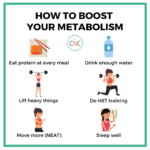
Protein: Adequate protein helps manage body fat and supports muscle growth — both important for testosterone optimization.
A diet rich in whole foods, lean proteins, healthy fats, and colorful fruits and vegetables can go a long way in improving your hormone health.
Exercise Regularly — Especially Strength Training
One of the most effective natural ways to increase testosterone is through regular exercise. Physical activity stimulates hormone production and enhances overall vitality.
Best Exercises to Boost Testosterone
Weight lifting and resistance training: Studies show that lifting heavy weights increases testosterone levels, especially when done with compound exercises like squats, bench presses, and deadlifts.
High-Intensity Interval Training (HIIT): Short bursts of intense activity followed by rest periods are incredibly effective in boosting testosterone and burning fat.
Avoid overtraining: Excessive exercise without recovery can increase cortisol (the stress hormone), which suppresses testosterone.
Consistency is key. Even 30 minutes of exercise, 4–5 times per week, can make a noticeable difference in your hormone profile.
Supplements To Boost Testosterone – Healthkart
Manage Stress and Control Cortisol Levels
When you’re constantly stressed, your body releases cortisol, which blocks testosterone production. Chronic stress can also lead to unhealthy eating habits, poor sleep, and weight gain — all of which worsen testosterone imbalance.
Stress-Management Tips
Practice mindfulness and meditation daily.
Spend time outdoors or in nature.
Connect with loved ones and maintain social support.
Lowering stress helps your hormones rebalance naturally and improves overall mental health.
Get Enough Quality Sleep
Sleep is one of the most underrated yet powerful tools for increasing testosterone naturally. Most of your testosterone is produced during deep REM sleep.
How Sleep Impacts Testosterone
Research shows that sleeping less than 5 hours a night can decrease testosterone levels by up to 15%. The optimal range for adults is 7–9 hours of quality sleep each night.
To improve your sleep:
Keep a consistent sleep schedule.
Limit screen time before bed.
Keep your room cool, dark, and quiet.
Avoid caffeine or alcohol close to bedtime.
Maintain a Healthy Weight
Excess body fat, particularly around the belly, can lead to hormonal imbalance and lower testosterone. Fat cells convert testosterone into estrogen, decreasing your overall levels.
To reverse this process:
Combine a nutrient-rich diet with regular exercise.
Cut back on refined carbs, sugary drinks, and processed foods.
Prioritize fiber-rich foods that improve digestion and metabolism.
As your body fat decreases, your testosterone naturally rises.
Limit Alcohol and Avoid Drugs
Heavy drinking and substance abuse can suppress testosterone production and damage the testes. Moderate alcohol intake (if at all) is fine, but excessive consumption should be avoided.
If you’re serious about learning how to increase testosterone, reducing alcohol and avoiding recreational drugs are crucial steps toward long-term hormonal balance.
Get Enough Sunlight or Take Vitamin D Supplements
Vitamin D deficiency is extremely common, especially among people who spend little time outdoors. Since vitamin D acts as a natural testosterone booster, spending 15–30 minutes in sunlight daily can significantly raise your levels.
If sunlight isn’t available, consider taking a vitamin D3 supplement after consulting your doctor.
Take Natural Testosterone-Boosting Supplements
While diet and exercise are the foundation, certain natural supplements can enhance testosterone production safely.
Top Natural Boosters
Ashwagandha: An adaptogenic herb shown to reduce stress and increase testosterone and fertility in men.
Fenugreek: Contains compounds that increase testosterone and improve libido.
Ginger extract: Research links ginger with improved testosterone and sperm health.
DHEA: A natural hormone precursor that supports testosterone production (should only be used under medical advice).
Zinc and magnesium supplements: Helpful for those with nutritional deficiencies.
Always choose high-quality, clinically tested supplements and consult your healthcare provider before use.
Strengthen Relationships and Maintain Healthy Sexual Activity
Interestingly, studies show that men in loving relationships or with regular sexual activity tend to have higher testosterone levels. Healthy intimacy releases endorphins, reduces stress, and naturally enhances hormone balance.
Avoid Endocrine Disruptors
Endocrine disruptors are chemicals found in plastics, pesticides, and some skincare products that can interfere with hormone function.
To minimize exposure:
Use BPA-free bottles and containers.
Avoid reheating food in plastic.
Choose natural cleaning and personal care products.
Monitor Your Testosterone Levels Regularly
If you suspect your testosterone is low, it’s important to get tested. Blood tests can help determine your levels and guide your next steps. Regular monitoring ensures you’re on track with your lifestyle changes and allows early detection of potential issues.
When to Consider Medical Help
If natural methods don’t work, and symptoms persist, consult an endocrinologist or urologist. Treatments like Testosterone Replacement Therapy (TRT) may be an option under medical supervision. However, this should only be considered after exhausting natural solutions.
Lifestyle Tips to Increase Testosterone
When exploring how to increase testosterone naturally, lifestyle plays the most crucial role. Your daily habits — from how you move to how you rest — can either boost or suppress your testosterone levels. The good news is that simple, consistent changes in exercise, diet, sleep, and stress management can make a significant difference over time.
Exercise Regularly
Physical activityis one of the most powerful natural stimulators of testosterone production. Research shows that both resistance training (like weightlifting) and high-intensity interval training (HIIT) can significantly raise testosterone levels, particularly in men.
Strength training: Engaging in compound movements such as squats, bench presses, and deadlifts encourages your body to produce more testosterone and growth hormone. These exercises target large muscle groups and send powerful hormonal signals for muscle repair and growth.
High-intensity workouts: Short bursts of intense activity followed by rest periods not only enhance endurance but also trigger a testosterone response.
Consistency matters: It’s not about working out harder once in a while; it’s about showing up regularly. Even moderate physical activity, done consistently, helps regulate hormones and prevent declines in testosterone with age.
If you’ve been living a sedentary lifestyle, start slow. A 30-minute walk or a short gym session three times a week can already begin to shift your hormone balance in a positive direction.
Maintain a Healthy Weight
Excess body fat, especially around the abdomen, can directly impact hormone production. Fat cells contain an enzyme called aromatase, which converts testosterone into estrogen. This means that the more fat tissue you have, the more testosterone your body loses.
Weight loss and testosterone: Studies show that losing even 5–10% of body fat can lead to noticeable increases in testosterone levels.
Balanced diet: Focus on whole foods, lean proteins, healthy fats, and fiber-rich vegetables. Avoid crash diets, as extreme calorie restriction can also lower testosterone.
Monitor your BMI: Aim to stay within a healthy body mass index range. Obesity is one of the leading causes of low testosterone in men.
By managing your weight, you not only improve hormonal balance but also boost confidence, energy, and overall physical performance.
Prioritize Quality Sleep
You might think testosterone is built in the gym, but it’s actually produced while you sleep. Most testosterone is released during the REM stages of sleep, particularly in the early morning hours.
Sleep duration: Adults should aim for 7–9 hours of uninterrupted sleep per night.
Sleep environment: Keep your room cool, dark, and quiet. Avoid screens at least an hour before bedtime, as blue light can interfere with melatonin production.
Sleep debt: Just one week of poor sleepcan reduce testosterone by up to 15%. Chronic sleep deprivation, common in busy lifestyles, can therefore have a cumulative negative effect on hormones.
When it comes to how to increase testosterone naturally, sleep is non-negotiable. It’s the body’s nightly reset — for muscles, mind, and hormones alike.
Reduce Stress
Stressis one of testosterone’s greatest enemies. When your body is under constant pressure, it releases cortisol, a hormone that directly suppresses testosterone production. Chronic stress also increases blood sugar levels and promotes fat storage — two more factors that lead to hormonal imbalance.
To manage stress effectively:
Meditate daily – even 10 minutes of mindfulness can lower cortisol.
Practice deep breathing or yogato calm the nervous system.
Spend time outdoors — natural light and fresh air improve mood and reduce tension.
Set healthy boundaries – learn to say no when you need rest.
Remember, a relaxed mind equals a healthier hormonal system. The balance between activity and recovery is what keeps testosterone levels stable and optimal.
💊 Best Supplements for Testosterone Support
Sometimes, diet and exercise alone may not be enough, especially if your body lacks certain nutrients essential for testosterone synthesis. In such cases, specific supplements can provide a safe, natural boost. Here are the best supplements for testosterone support backed by research:
Zinc
Zinc is a trace mineral crucial for testosterone production. Low levels of zinc are directly linked to hypogonadism (low testosterone). It supports sperm quality, immunity, and enzyme function in hormone synthesis.
Supplement dosage: 20–30 mg daily is generally recommended, but consult your doctor to avoid overuse.
Zinc deficiency is surprisingly common, particularly among men who sweat excessively or eat plant-based diets without enough zinc-rich foods.
Vitamin D
Often referred to as the “sunshine vitamin,” Vitamin D functions more like a hormone in the body. Studies show that men with higher Vitamin D levels tend to have significantly higher testosterone.
How it helps: Vitamin D activates receptors in the testes that stimulate testosterone production.
Supplement dosage: 1,000–4,000 IU daily depending on your blood levels.
Maintaining optimal Vitamin D levels can also improve mood, bone health, and immune function — all indirectly supporting hormone balance.
Ashwagandha
Ashwagandha, an adaptogenic herb from Ayurvedic medicine, has gained global recognition for its ability to reduce stress and elevate testosterone.
How it works: It lowers cortisol levels, enhances physical performance, and improves sperm quality.
Clinical evidence: Studies show up to a 17% increase in testosterone after consistent supplementation for 8–12 weeks.
Dosage: 300–600 mg per day of standardized extract (KSM-66 or Sensoril).
Ashwagandha is ideal for men dealing with fatigue, low motivation, or stress-related hormonal dips.
Fenugreek
Fenugreekseeds contain compounds called furostanolic saponins, which help maintain testosterone levels by reducing enzyme activity that breaks the hormone down.
Benefits: Boosts libido, muscle strength, and overall vitality.
Dosage: 500–600 mg daily of a standardized extract.
Best for: Athletes and men looking to naturally enhance performance and drive.
Regular fenugreek supplementation has shown positive results in both free and total testosterone levels.
Magnesium
Magnesium supports hundreds of enzymatic processes in the body, including those that regulate testosterone production. It also helps muscles relax, improves sleep, and enhances exercise recovery — all important for hormone balance.
Sources: Almonds, spinach, avocados, dark chocolate.
Dosage: 300–400 mg daily (preferably magnesium glycinate or citrate).
Men with low magnesium levels often report fatigue and low libido — both symptoms of testosterone deficiency.
⚠️ Habits That Lower Testosterone
Just as there are ways to increase testosterone, certain habits can quietly sabotage your hormonal health. Understanding and avoiding these can make a world of difference.
Sedentary Lifestyle
A lack of movement leads to reduced testosterone levels, increased fat storage, and poor blood circulation. The body thrives on activity, and inactivity signals it to conserve energy rather than produce growth hormones.
Break up long hours of sitting with short walks.
Incorporate light stretches every hour if you work at a desk.
Aim for at least 150 minutes of moderate exercise weekly.
Excessive Sugar
Consuming high amounts of sugar spikes insulin, and chronic high insulin can suppress testosterone. Additionally, sugary foods promote fat gain — another testosterone killer.
Limit sweetened beverages and processed snacks.
Replace refined carbs with whole grains and fiber-rich foods.
Keep your daily sugar intake below 25 grams if possible.
Smoking
Cigarette toxins cause oxidative stress, which damages testosterone-producing cells in the testes. Smoking also impairs blood flow, affecting overall vitality and reproductive health. Quitting smoking can significantly improve testosterone and sperm quality within months.
Poor Sleep
Irregular sleep schedules or chronic insomnia can drastically lower testosterone. Remember: testosterone is produced during deep sleep cycles. Fixing your sleep pattern is often the simplest way to restore hormonal health.
Create a bedtime routine, avoid screens, and sleep in total darkness.
🧬 Medical Interventions
For some men, despite lifestyle and supplement efforts, testosterone levels remain low due to underlying medical conditions or age-related decline. In such cases, medical interventions may be necessary.
Testosterone Replacement Therapy (TRT)
TRT involves medically prescribed testosterone through injections, patches, gels, or pellets to restore normal hormone levels.
Benefits: Improved mood, energy, libido, and muscle mass.
Risks: May cause acne, sleep apnea, or fluid retention.
Supervision: Must always be monitored by a healthcare provider to prevent overuse or side effects.
Hormone Therapy
For men with hormonal imbalances caused by pituitary or thyroid disorders, doctors may prescribe additional hormone treatments to correct the root cause. The goal is to restore natural testosterone production rather than replace it entirely.
When to Seek Professional Help
If you experience persistent symptoms of low testosterone — such as chronic fatigue, low libido, mood swings, or unexplained weight gain — consult a healthcare professional.
A simple blood test can determine your testosterone levels and guide your treatment plan. Early detection prevents long-term complications and helps you regain vitality faster.
Key Takeaway
Understanding how to increase testosterone naturally is about more than boosting one hormone — it’s about improving your entire lifestyle. From better nutrition and exercise to stress management and sleep, small daily changes can have a profound effect on your physical, emotional, and mental health.
When you treat your body with care and balance, testosterone levels rise naturally — restoring your energy, confidence, and performance at every age.
Final Thoughts
Testosterone isn’t just a “male hormone”; it’s a foundation for vitality, motivation, and overall wellness. Whether you’re a young adult looking to optimize performance or an older man aiming to restore energy, the strategies outlined above will help you achieve lasting results.
Start today. Eat clean. Move daily. Sleep deeply. Manage stress.
And remember — the secret to how to increase testosterone lies in consistent, mindful choices that support your body’s natural rhythm.
A graduate of Computer Science and Information Management Technology. Diploma – Caregiving, Certificates – Dementia and Diabetes Awareness and Management. A researcher, blogger, songwriter, singer and acoustic guitarist. Born in an environment where natural talents such as healing are imparted at our natural birth. This natural talents of healing is the result of our genetic inheritance and the training from family environment.
We use cookies on our website to give you the most relevant experience by remembering your preferences and repeat visits. By clicking “Accept All”, you consent to the use of ALL the cookies. However, you may visit "Cookie Settings" to provide a controlled consent.
This website uses cookies to improve your experience while you navigate through the website. Out of these, the cookies that are categorized as necessary are stored on your browser as they are essential for the working of basic functionalities of the website. We also use third-party cookies that help us analyze and understand how you use this website. These cookies will be stored in your browser only with your consent. You also have the option to opt-out of these cookies. But opting out of some of these cookies may affect your browsing experience.
Necessary cookies are absolutely essential for the website to function properly. These cookies ensure basic functionalities and security features of the website, anonymously.
Cookie
Duration
Description
cookielawinfo-checkbox-analytics
11 months
This cookie is set by GDPR Cookie Consent plugin. The cookie is used to store the user consent for the cookies in the category "Analytics".
cookielawinfo-checkbox-functional
11 months
The cookie is set by GDPR cookie consent to record the user consent for the cookies in the category "Functional".
cookielawinfo-checkbox-necessary
11 months
This cookie is set by GDPR Cookie Consent plugin. The cookies is used to store the user consent for the cookies in the category "Necessary".
cookielawinfo-checkbox-others
11 months
This cookie is set by GDPR Cookie Consent plugin. The cookie is used to store the user consent for the cookies in the category "Other.
cookielawinfo-checkbox-performance
11 months
This cookie is set by GDPR Cookie Consent plugin. The cookie is used to store the user consent for the cookies in the category "Performance".
viewed_cookie_policy
11 months
The cookie is set by the GDPR Cookie Consent plugin and is used to store whether or not user has consented to the use of cookies. It does not store any personal data.
Functional cookies help to perform certain functionalities like sharing the content of the website on social media platforms, collect feedbacks, and other third-party features.
Performance cookies are used to understand and analyze the key performance indexes of the website which helps in delivering a better user experience for the visitors.
Analytical cookies are used to understand how visitors interact with the website. These cookies help provide information on metrics the number of visitors, bounce rate, traffic source, etc.
Advertisement cookies are used to provide visitors with relevant ads and marketing campaigns. These cookies track visitors across websites and collect information to provide customized ads.