How to Manage Low Blood Pressure: Causes, Symptoms, and Effective Remedies
Learn effective ways to manage low blood pressure naturally through diet, hydration, and lifestyle changes. Discover practical tips on how to increase blood pressure safely, stay energized, and improve heart health without medication.
Low blood pressure, also known as hypotension, may sound less serious than high blood pressure, but it can be equally concerning if not properly managed. While some people naturally have lower blood pressure without issues, others experience dizziness, fatigue, or fainting spells that can interfere with daily life.
Understanding how to manage low blood pressure involves identifying the causes, knowing the symptoms, and adopting practical lifestyle changes and treatments that help maintain a stable and healthy level.
This comprehensive guide explores the types, symptoms, causes, and remedies for low blood pressure — and gives you science-backed, natural ways to restore balance to your circulatory system.
What Is Low Blood Pressure?
Blood pressure is the force of blood pushing against the walls of your arteries. It is measured in millimeters of mercury (mmHg) and expressed as two numbers:
Systolic pressure (top number): The pressure when your heart beats.
Diastolic pressure (bottom number): The pressure when your heart rests between beats.
A normal blood pressure reading is around 120/80 mmHg.
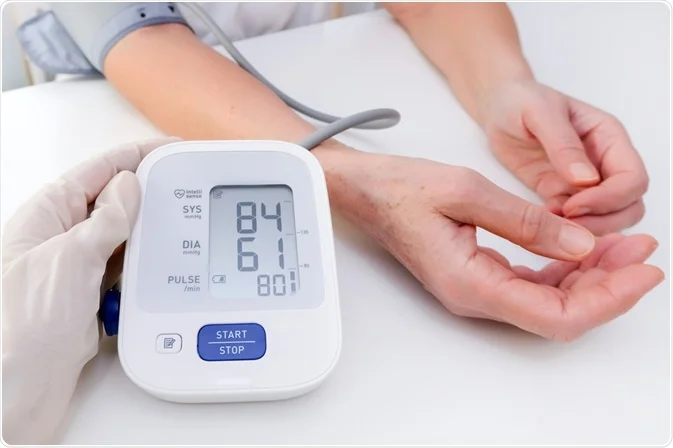
You are considered to have low blood pressure when readings drop below 90/60 mmHg.
While not everyone with low readings experiences symptoms, it can be dangerous when blood flow to vital organs like the brain, kidneys, and heart becomes insufficient.
Types of Low Blood Pressure
There are several types of hypotension, each with different triggers and underlying mechanisms:
Orthostatic (Postural) Hypotension
This type occurs when you stand up too quickly after sitting or lying down. It happens because your body struggles to adjust blood flow fast enough, leading to dizziness or lightheadedness.
Postprandial Hypotension
Some people experience a drop in blood pressure after eating large meals. This occurs because blood is redirected toward digestion, reducing circulation elsewhere.
Neurally Mediated Hypotension
Triggered by prolonged standing or emotional stress, this type causes a miscommunication between the heart and brain, leading to a sudden drop in blood pressure.
Severe Hypotension from Shock
This is a medical emergency often caused by major blood loss, dehydration, severe infection (septic shock), or allergic reactions. It requires immediate medical attention.
Common Symptoms of Low Blood Pressure
Low blood pressure can present in various ways depending on its cause and severity.
Here are some common warning signs to watch for:
Dizziness or lightheadedness
Fainting (syncope)
Blurred or tunnel vision
Nausea or vomiting
Fatigue or general weakness
Difficulty concentrating
Cold, clammy skin
Rapid, shallow breathing
If symptoms become frequent or severe, you should consult a doctor to rule out underlying conditions.
Possible Causes of Low Blood Pressure
There’s no single cause of low blood pressure — it often results from multiple factors. Some of the most common causes include:
Dehydration: When your body loses more fluid than it takes in, blood volume decreases, leading to lower pressure.
Heart problems: Conditions like bradycardia, heart valve disease, or heart failure can reduce the heart’s ability to pump blood effectively.
Endocrine disorders: Problems with thyroid, adrenal glands, or low blood sugar can influence blood pressure levels.
Nutrient deficiencies: Lack of vitamin B12, folate, or iron can lead to anemia, reducing blood flow and oxygen delivery.
Medications: Drugs for high blood pressure, depression,Parkinson’s disease,or diuretics can sometimes lower pressure excessively.
Pregnancy: Blood vessels expand during pregnancy, which can cause lower readings.
Severe infection or allergic reactions: Both can trigger a dangerous drop in blood pressure known as shock.
How to Manage Low Blood Pressure Naturally
The encouraging news is that low blood pressure can often be managed naturally without heavy medication, especially if it’s not caused by a serious underlying condition. In many cases, simple daily habits, dietary improvements, and proper hydration can help restore balance and keep symptoms like dizziness, fatigue, or fainting at bay.
Below are ten effective, evidence-based ways to stabilize your blood pressure naturally and improve overall cardiovascular health.
Stay Hydrated
Water plays a critical role in maintaining healthy blood pressure. Dehydration is one of the leading causes of hypotension because it reduces your blood volume — meaning less fluid circulates through your arteries, resulting in lower pressure.
To manage this, drink at least 8 to 10 glasses of water per day. If you live in a hot or humid area, exercise frequently, or sweat excessively, increase your intake to compensate for fluid loss.
For added benefit, include electrolyte-rich beverages like coconut water or oral rehydration solutions to restore essential salts. Herbal teas such as chamomile, lemon balm,or ginger tea can also help hydrate your body while offering relaxation and digestive benefits.
Avoid overconsumption of sugary sodas or artificial drinks, as they can dehydrate you in the long run. The goal is to keep your body consistently hydrated to maintain proper blood flow and pressure.
Eat Smaller, Frequent Meals
Another natural way to manage low blood pressure is by changing how and when you eat. Eating large meals can cause a condition known as postprandial hypotension, where blood flow is redirected to the digestive tract, leading to a sudden drop in overall pressure.
To prevent this, divide your daily meals into five or six smaller portions instead of two or three heavy ones. This approach stabilizes blood sugar, enhances digestion, and keeps your energy levels consistent throughout the day.
Each meal should include:
Protein: eggs, lean meats, legumes, or tofu
Healthy fats: avocado, olive oil, or nuts
Complex carbs: brown rice, oats, or whole-grain bread
Fiber and vegetables: to improve nutrient absorption
Eating slowly and avoiding sudden posture changes right after eating can also minimize dizziness or fatigue after meals.
Add More Salt (But Safely)
Salt, or sodium, helps regulate fluid balance in the body and can raise blood pressure by retaining water in the bloodstream. However, moderation is key — adding too much can be harmful, especially for individuals with heart or kidney problems.
To use salt safely:
Choose natural sources of sodium, such as sea salt or Himalayan pink salt, instead of processed table salt.
Add a small pinch to your meals rather than consuming salty snacks or processed foods.
Consult your doctor before increasing your salt intake if you have any chronic health condition.
In some cases, doctors may recommend oral rehydration salts (ORS) or electrolyte supplements to help boost sodium and fluid levels naturally.
Increase Your Iron and Vitamin B12 Intake
A lack of essential nutrients such as iron, folate, and vitamin B12 can cause anemia, a major contributor to low blood pressure. When your body doesn’t produce enough red blood cells, it struggles to carry oxygen efficiently — which can make you feel weak or lightheaded.
To improve these nutrient levels, eat:
Lean red meats like beef or liver (rich in iron and B12)
Eggs (a good source of B vitamins)
Leafy greens such as spinach, kale, or collard greens
Beans and lentils for plant-based protein and iron
Fortified breakfast cereals (especially useful for vegetarians)
Fish and poultry for easily absorbed B vitamins
Vegetarians and vegans may need B12 supplements, as the vitamin is primarily found in animal products. Always discuss supplementation with your healthcare provider before starting any new regimen.
Wear Compression Stockings
Compression stockings are tight-fitting garments that gently squeeze your legs, encouraging blood to flow back toward your heart instead of pooling in your lower extremities.
This can be particularly beneficial for people with orthostatic hypotension, where blood pressure drops upon standing up. By improving circulation, these stockings help maintain stable blood pressure levels and reduce dizziness or fainting spells.
They come in different sizes and compression strengths, so it’s best to seek medical advice or get professionally fitted before purchasing a pair.
Avoid Sudden Movements
If you often experience dizziness when changing posture, it’s likely that your blood pressure drops temporarily — a condition known as postural hypotension.
To manage this:
Stand up slowly from a seated or lying position.
Sit at the edge of your bed for a few seconds before standing.
Avoid crossing your legs when sitting, as it can restrict blood flow.
When getting up after meals or naps, take deep breaths and move gradually.
Making these small adjustments can prevent sudden drops in blood pressure and reduce the risk of fainting.
Limit Alcohol Consumption
Alcohol can decrease blood pressure by relaxing and dilating your blood vessels. Excessive drinking can also cause dehydration, further worsening hypotension symptoms.
If you already experience low blood pressure, it’s best to:
Limit intake to one drink occasionally.
Always pair alcohol with food and water.
Avoid binge drinking or consuming alcohol on an empty stomach.
For those who experience frequent dizziness or fatigue after drinking, avoiding alcohol entirely may be the healthiest choice.
Manage Stress Levels
Chronic stress can disrupt hormone levels and cause fluctuations in blood pressure. Emotional stress, anxiety, or depression can all impact your heart’s rhythm and vascular function.
To maintain balance, try stress-management techniques such as:
Deep breathing exercises — inhale deeply through your nose and exhale slowly to relax the nervous system.
Yoga or meditation — both promote mental clarity and circulation.
Listening to calm music — music therapy can lower stress hormones and regulate mood.
Spending time outdoors — nature exposure improves emotional well-being and cardiovascular health.
A calm and centered mind helps your heart function more efficiently, making stress control an essential part of managing low blood pressure naturally.
Drink Caffeinated Beverages (In Moderation)
Caffeine acts as a mild stimulant for the cardiovascular system. It can temporarily increase heart rate and blood pressure, which may relieve lightheadedness or fatigue caused by hypotension.
Moderate caffeine intake from coffee, black tea, or green tea can be beneficial — about one to two cups a day. However, overconsumption can lead to dehydration, restlessness, or sleep problems.
If you’re sensitive to caffeine, consider mild alternatives like matcha tea or yerba mate, which provide a steady energy boost without strong side effects. Always drink water alongside caffeinated beverages to stay hydrated.
Exercise Regularly
Regular physical activity strengthens your heart, improves circulation, and supports long-term blood pressure stability. However, with low blood pressure, the goal is gentle, consistent movement, not extreme workouts.
These activities help your blood vessels stay flexible and promote healthy heart rhythm.
Avoid sudden or strenuous exercise sessions that can lead to dizziness or exhaustion. It’s best to warm up slowly and stay hydrated throughout your routine. Over time, exercise can help your cardiovascular system adapt and maintain more stable blood pressure levels.
✅ Bonus Tips
Avoid standing still for long periods.
Sleep with your head slightly elevated to improve circulation.
Don’t skip breakfast — it helps stabilize blood sugar and energy.
Get regular checkups to track your blood pressure trends.
When to Seek Medical Help
While lifestyle changes can be helpful, sometimes low blood pressure indicates an underlying condition that requires professional attention.
You should see a doctor if you:
Experience frequent fainting or extreme fatigue
Notice blurred vision or confusion
Have heart palpitations or irregular heartbeat
Are pregnant and feel persistent dizziness
Your doctor may recommend blood tests, ECG, or medication adjustments depending on the root cause.
Medical Treatments for Low Blood Pressure
If natural remedies aren’t enough, your doctor might suggest one or more of the following:
Fludrocortisone: Helps your body retain sodium and water.
Midodrine: Tightens blood vessels to raise blood pressure.
Adjusting medication doses: If hypotension is caused by another prescription, your doctor might alter it.
IV fluids: For severe dehydration or shock, fluids may be administered intravenously.
Always follow professional guidance before taking any medication.
Healthy Lifestyle Habits to Support Normal Blood Pressure
To maintain stable blood pressure long-term, cultivate habits that promote overall cardiovascular wellness:
Get 7–8 hours of quality sleep each night.
Avoid standing still for long periods.
Eat nutrient-dense foods rich in potassium, magnesium, and calcium.
Don’t skip breakfast — it helps prevent morning dizziness.
Track your blood pressure regularly to notice changes early.
Foods That Help Manage Low Blood Pressure
Certain foods naturally help balance low blood pressure and support healthy circulation. Include these in your diet:
Bananas: Rich in potassium, support heart health.
Beetroot: Improves blood flow and oxygen delivery.
Salmon and sardines: Contain omega-3 fatty acids that boost cardiovascular function.
Leafy greens: Packed with iron and B vitamins.
Citrus fruits: High in vitamin C, help blood vessel flexibility.
Whole grains: Provide sustained energy and regulate sugar levels.
Final Thoughts
Learning how to manage low blood pressure starts with understanding your body and making small, consistent changes.
Stay hydrated, eat balanced meals, move regularly, and listen to your body’s warning signs. Low blood pressure is often manageable — and with the right lifestyle, it can even be a sign of good cardiovascular fitness.
If symptoms persist, don’t hesitate to seek medical advice. Combining healthy habits with professional guidance ensures your blood pressure stays within a safe range, allowing you to live an active, energized, and healthy life.
A graduate of Computer Science and Information Management Technology. Diploma – Caregiving, Certificates – Dementia and Diabetes Awareness and Management. A researcher, blogger, songwriter, singer and acoustic guitarist. Born in an environment where natural talents such as healing are imparted at our natural birth. This natural talents of healing is the result of our genetic inheritance and the training from family environment.
We use cookies on our website to give you the most relevant experience by remembering your preferences and repeat visits. By clicking “Accept All”, you consent to the use of ALL the cookies. However, you may visit "Cookie Settings" to provide a controlled consent.
This website uses cookies to improve your experience while you navigate through the website. Out of these, the cookies that are categorized as necessary are stored on your browser as they are essential for the working of basic functionalities of the website. We also use third-party cookies that help us analyze and understand how you use this website. These cookies will be stored in your browser only with your consent. You also have the option to opt-out of these cookies. But opting out of some of these cookies may affect your browsing experience.
Necessary cookies are absolutely essential for the website to function properly. These cookies ensure basic functionalities and security features of the website, anonymously.
Cookie
Duration
Description
cookielawinfo-checkbox-analytics
11 months
This cookie is set by GDPR Cookie Consent plugin. The cookie is used to store the user consent for the cookies in the category "Analytics".
cookielawinfo-checkbox-functional
11 months
The cookie is set by GDPR cookie consent to record the user consent for the cookies in the category "Functional".
cookielawinfo-checkbox-necessary
11 months
This cookie is set by GDPR Cookie Consent plugin. The cookies is used to store the user consent for the cookies in the category "Necessary".
cookielawinfo-checkbox-others
11 months
This cookie is set by GDPR Cookie Consent plugin. The cookie is used to store the user consent for the cookies in the category "Other.
cookielawinfo-checkbox-performance
11 months
This cookie is set by GDPR Cookie Consent plugin. The cookie is used to store the user consent for the cookies in the category "Performance".
viewed_cookie_policy
11 months
The cookie is set by the GDPR Cookie Consent plugin and is used to store whether or not user has consented to the use of cookies. It does not store any personal data.
Functional cookies help to perform certain functionalities like sharing the content of the website on social media platforms, collect feedbacks, and other third-party features.
Performance cookies are used to understand and analyze the key performance indexes of the website which helps in delivering a better user experience for the visitors.
Analytical cookies are used to understand how visitors interact with the website. These cookies help provide information on metrics the number of visitors, bounce rate, traffic source, etc.
Advertisement cookies are used to provide visitors with relevant ads and marketing campaigns. These cookies track visitors across websites and collect information to provide customized ads.