How to Prepare Vegetable Hamburgers: Ingredients, Recipe, Calories, and Health Benefits
Learn how to prepare vegetable hamburgers with this simple, healthy recipe. Discover the best ingredients, step-by-step preparation, calories, nutritional value, and health benefits of homemade veggie burgers.
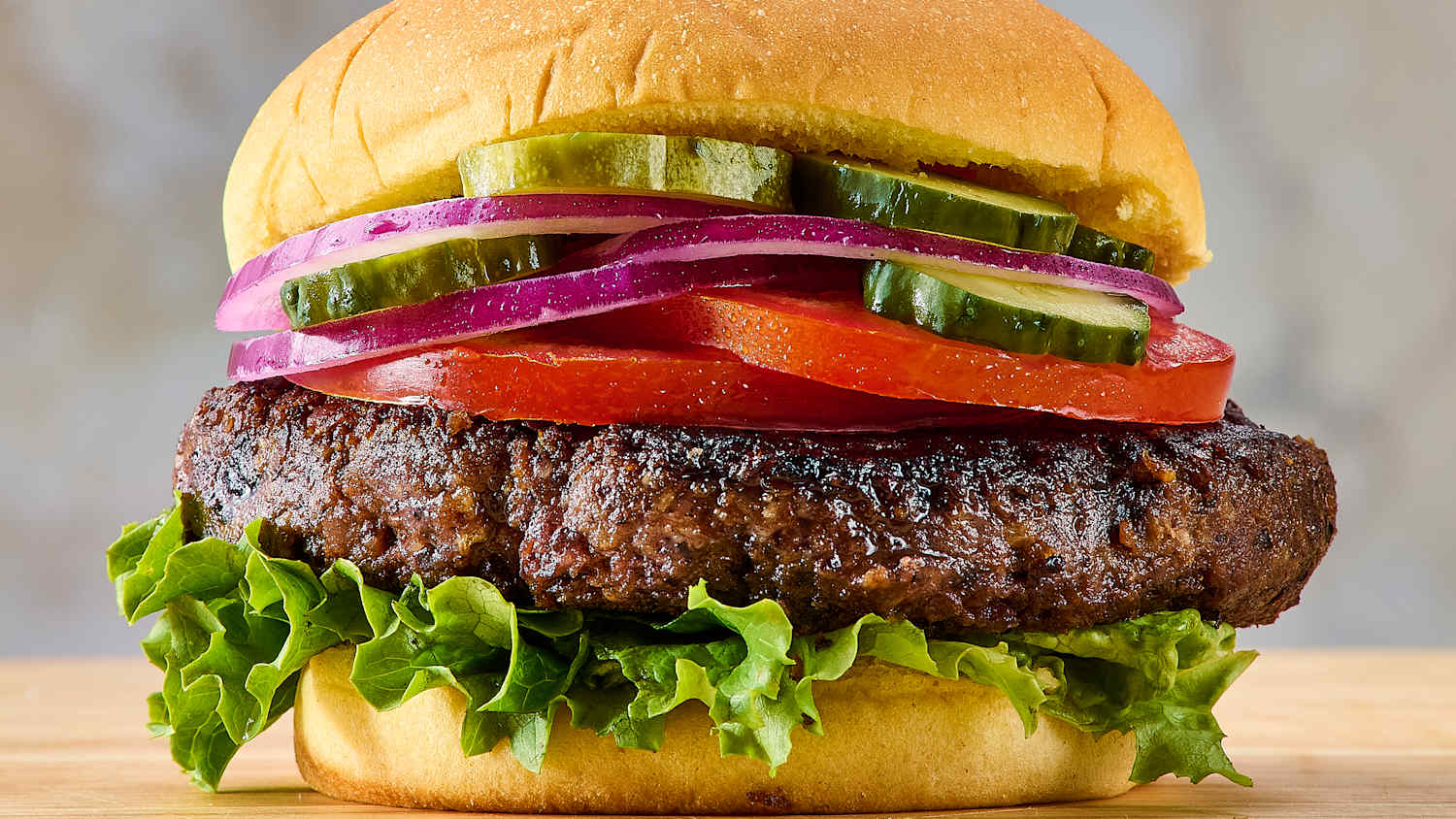
Vegetable hamburgers, often called veggie burgers, have become a favorite for health-conscious eaters and those exploring plant-based diets. Unlike traditional beef burgers, vegetable hamburgers are made with a mix of vegetables, legumes, grains, and seasonings that combine to create a flavorful, nutritious patty that’s both satisfying and wholesome.
If you’ve been wondering how to prepare vegetable hamburgers at home — this complete guide will walk you through every step, from selecting ingredients to making perfect patties. We’ll also explore the caloric proportion, nutritional value, and health benefits of these mouthwatering burgers.
What Is a Vegetable Hamburger?
A vegetable hamburger is a plant-based alternative to the traditional meat burger. Instead of using ground beef, it’s made from ingredients like beans, lentils, carrots, peas, potatoes, corn, oats, and spices — all mashed together to form a patty.
It’s then cooked, grilled, or baked and served in a burger bun with fresh vegetables and condiments. The best part? You get the same satisfying taste and texture of a burger, but with far fewer calories, less fat, and a ton of nutrients.
Ingredients for Vegetable Hamburgers
Here’s what you need to prepare a classic, healthy vegetable hamburger that’s both filling and flavorful:
Main Ingredients (for 4 servings):
1 cup of boiled potatoes (mashed)
1 cup of boiled mixed vegetables (carrots, peas, corn, and green beans)
1/2 cup of cooked black beans or chickpeas (mashed)
1/2 cup of bread crumbs or oat flour (for binding)
1/4 cup of finely chopped onions
2 tablespoons of finely chopped bell peppers
2 cloves of garlic (minced)
1 teaspoon of ginger paste
1 tablespoon of olive oil (for frying or brushing)
1 tablespoon of soy sauce
1 teaspoon of chili flakes (optional)
1 teaspoon of black pepper
1/2 teaspoon of turmeric powder
Salt to taste
For the Burger Assembly:
4 whole-grain burger buns
4 lettuce leaves
4 tomato slices
4 onion rings
Cheese slices (optional)
Ketchup or low-fat mayonnaise
How to Prepare Vegetable Hamburgers (Step-by-Step Guide)
Learning how to prepare vegetable hamburgers is simple and fun. Follow these steps to make perfect homemade veggie burgers that are crisp on the outside and soft inside.
Step 1: Prepare the Vegetables
Start by boiling your potatoesuntil soft. In a separate pot, boil your carrots, peas, and green beans for about 5–7 minutes until tender. Drain and let them cool.
Step 2: Mash and Mix
In a large bowl, mash the boiled potatoes until smooth. Add the cooked mixed vegetables and mash them lightly — don’t over-mash; you want some texture.
Add the mashed black beans or chickpeas. These legumes help bind the mixture and add protein.
Step 3: Add Seasonings
Stir in the chopped onions, bell peppers, garlic, ginger paste, soy sauce, chili flakes, black pepper, turmeric,and salt. Mix everything thoroughly.
Step 4: Bind the Mixture
Add the bread crumbs or oat flour a little at a time until the mixture holds together when pressed. It shouldn’t be too wet or too dry — just firm enough to shape into patties.
Step 5: Shape the Patties
Divide the mixture into four equal parts and form them into round patties about 1 inch thick. Place them on a tray lined with parchment paper.
Step 6: Cook the Patties
You can cook your vegetable hamburger patties in one of three ways:
Pan-frying: Heat a tablespoon of olive oil in a non-stick pan. Cook each patty for about 3–4 minutes per side until golden brown.
Baking: Preheat your oven to 375°F (190°C). Bake patties for 20 minutes, flipping halfway.
Grilling: Brush patties lightly with oil and grill for about 5 minutes per side.
Step 7: Assemble the Burger
Cut the burger buns in half and lightly toast them. Spread ketchup or mayonnaise on the inner sides. Place a lettuce leaf on the bottom bun, followed by the vegetable patty, tomato slice, onion ring, and cheese (if desired). Cover with the top bun.
Step 8: Serve and Enjoy
Serve your homemade vegetable hamburgers hot, with a side of sweet potato fries, salad, or fresh juice.
Caloric Proportion and Nutritional Value (Per Burger)
Here’s an approximate nutritional breakdown for one vegetable hamburger:
Nutrient
Amount per serving
Calories
280–320 kcal
Protein
9–11 g
Carbohydrates
42–46 g
Fat
9–12 g
Fiber
6–8 g
Sodium
400–500 mg
Sugar
4–6 g
Vitamin A
45–55% of daily value
Vitamin C
25–30% of daily value
Iron
12–15% of daily value
Calcium
8–10% of daily value
These values may vary depending on the vegetables, oils, and condiments used.
This balance of nutrients makes vegetable hamburgers an ideal meal for those who want to eat healthily without sacrificing flavor or satisfaction.
Health Benefits of Vegetable Hamburgers
Vegetable hamburgers are more than just a meat alternative — they offer a wide range of nutritional benefits that can support your health and wellness goals.
Great Source of Plant-Based Protein
Beans, chickpeas, and vegetables provide protein without saturated fat, making vegetable hamburgers heart-friendly and suitable for vegetarians or anyone reducing red meat consumption.
Helps in Weight Control
With fewer calories and less fat than traditional beef burgers, veggie burgers help you enjoy a filling meal without excessive calories. The fiber from vegetables and legumes also promotes satiety.
Supports Heart Health
Unlike red meat, vegetable hamburgers contain healthy fats from olive oil and natural plant ingredients. These help reduce bad cholesterol (LDL) and maintain good cholesterol (HDL).
Rich in Fiber
Fiber from vegetables, beans, and whole-grain buns supports digestion, helps regulate blood sugar, and promotes gut health.
Provides Essential Vitamins and Minerals
Vegetable hamburgers are rich in vitamins A, C, K, and folate — essential for immune function, skin health, and energy production. Iron and calcium from the beans and vegetables further enhance bone and blood health.
Lowers Risk of Chronic Diseases
Diets rich in plant-based foods are linked to a reduced risk of obesity, diabetes, hypertension, and some cancers. Regularly replacing processed meats with veggie options can improve overall longevity.
Eco-Friendly and Sustainable
Plant-based burgers require fewer resources to produce than meat-based ones, making them a sustainable choice that supports environmental health.
Tips for the Perfect Vegetable Hamburger
Don’t make the mixture too soft: If your patty mix feels wet, add more bread crumbs or oats until it’s firm.
Refrigerate before cooking: Chill the patties for 20–30 minutes before frying or baking. This helps them hold their shape.
Use good oil: Olive oil or avocado oil is ideal for cooking and adds healthy fats.
Experiment with flavors: You can add cumin, coriander, or curry powder for an extra kick.
Add texture: For crunch, mix in finely chopped nuts, seeds, or grated zucchini.
Variations of Vegetable Hamburgers
Here are a few creative ways to enjoy your veggie burgers:
Lentil Burger
Use cooked lentils instead of beans for a softer, mildly flavored patty that’s high in iron and protein.
Sweet Potato Burger
Replace potatoes with sweet potatoes for a slightly sweet, colorful, and nutrient-dense burger.
Mushroom Burger
Use sautéed mushrooms for a rich, earthy flavor that mimics the umami taste of meat.
Quinoa Burger
Add cooked quinoa to your patty mix for extra protein and a fluffy texture.
Storage Tips
If you have leftover patties:
Store uncooked patties in the refrigerator for up to 2 days or freeze for up to 1 month.
To reheat, thaw frozen patties and warm them in a pan or oven before serving.
Avoid microwaving — it can make the texture soggy.
Frequently Asked Questions (FAQs)
Can I make vegetable hamburgers vegan?
Yes! Simply skip the cheese and ensure your buns and condiments are vegan-friendly.
How do I make my vegetable patties stick together?
Add a binder like mashed potatoes, beans, or bread crumbs. Chilling the mixture also helps firm them up.
Are vegetable hamburgers healthy?
Yes, they are low in fat, rich in fiber, and packed with nutrients. They’re a healthier alternative to traditional beef burgers.
What’s the best way to cook veggie burgers?
Pan-frying or baking are the best methods for crispy yet moist patties.
Can I use frozen vegetables?
Yes, frozen vegetables work fine — just thaw and drain them properly to avoid excess moisture.
How many calories are in one vegetable hamburger?
One burger typically contains 280–320 calories, depending on your ingredients.
Can I add eggs to bind the mixture?
Yes, if you’re not vegan. Eggs help improve texture and binding, but they’re optional.
Conclusion
Now you know exactly how to prepare vegetable hamburgers that are both healthy and delicious. Whether you’re a vegetarian, vegan, or just trying to cut down on red meat, this recipe gives you a satisfying, nutrient-rich meal without guilt.
Packed with fiber, vitamins, and plant-based protein, these homemade veggie burgers are perfect for lunch, dinner, or even meal prep. They’re easy to make, customizable, and loved by everyone — even non-vegetarians.
So the next time you crave a burger, skip the fast food line and whip up your own vegetable hamburger — fresh, tasty, and incredibly nourishing!
A graduate of Computer Science and Information Management Technology. Diploma – Caregiving, Certificates – Dementia and Diabetes Awareness and Management. A researcher, blogger, songwriter, singer and acoustic guitarist. Born in an environment where natural talents such as healing are imparted at our natural birth. This natural talents of healing is the result of our genetic inheritance and the training from family environment.
We use cookies on our website to give you the most relevant experience by remembering your preferences and repeat visits. By clicking “Accept All”, you consent to the use of ALL the cookies. However, you may visit "Cookie Settings" to provide a controlled consent.
This website uses cookies to improve your experience while you navigate through the website. Out of these, the cookies that are categorized as necessary are stored on your browser as they are essential for the working of basic functionalities of the website. We also use third-party cookies that help us analyze and understand how you use this website. These cookies will be stored in your browser only with your consent. You also have the option to opt-out of these cookies. But opting out of some of these cookies may affect your browsing experience.
Necessary cookies are absolutely essential for the website to function properly. These cookies ensure basic functionalities and security features of the website, anonymously.
Cookie
Duration
Description
cookielawinfo-checkbox-analytics
11 months
This cookie is set by GDPR Cookie Consent plugin. The cookie is used to store the user consent for the cookies in the category "Analytics".
cookielawinfo-checkbox-functional
11 months
The cookie is set by GDPR cookie consent to record the user consent for the cookies in the category "Functional".
cookielawinfo-checkbox-necessary
11 months
This cookie is set by GDPR Cookie Consent plugin. The cookies is used to store the user consent for the cookies in the category "Necessary".
cookielawinfo-checkbox-others
11 months
This cookie is set by GDPR Cookie Consent plugin. The cookie is used to store the user consent for the cookies in the category "Other.
cookielawinfo-checkbox-performance
11 months
This cookie is set by GDPR Cookie Consent plugin. The cookie is used to store the user consent for the cookies in the category "Performance".
viewed_cookie_policy
11 months
The cookie is set by the GDPR Cookie Consent plugin and is used to store whether or not user has consented to the use of cookies. It does not store any personal data.
Functional cookies help to perform certain functionalities like sharing the content of the website on social media platforms, collect feedbacks, and other third-party features.
Performance cookies are used to understand and analyze the key performance indexes of the website which helps in delivering a better user experience for the visitors.
Analytical cookies are used to understand how visitors interact with the website. These cookies help provide information on metrics the number of visitors, bounce rate, traffic source, etc.
Advertisement cookies are used to provide visitors with relevant ads and marketing campaigns. These cookies track visitors across websites and collect information to provide customized ads.










:max_bytes(150000):strip_icc()/easy-vegan-black-bean-veggie-burgers-3377008-hero-05-f7c0f0d9865e48b6be52a4c76ee22438.jpg)