How to Prevent Cardiac Arrest: A Complete, Practical, and Life-Saving Guide for Everyone
Learn how to prevent cardiac arrest naturally and medically with this complete guide. Discover symptoms, causes, lifestyle changes, foods, exercises, and emergency steps that can save lives.
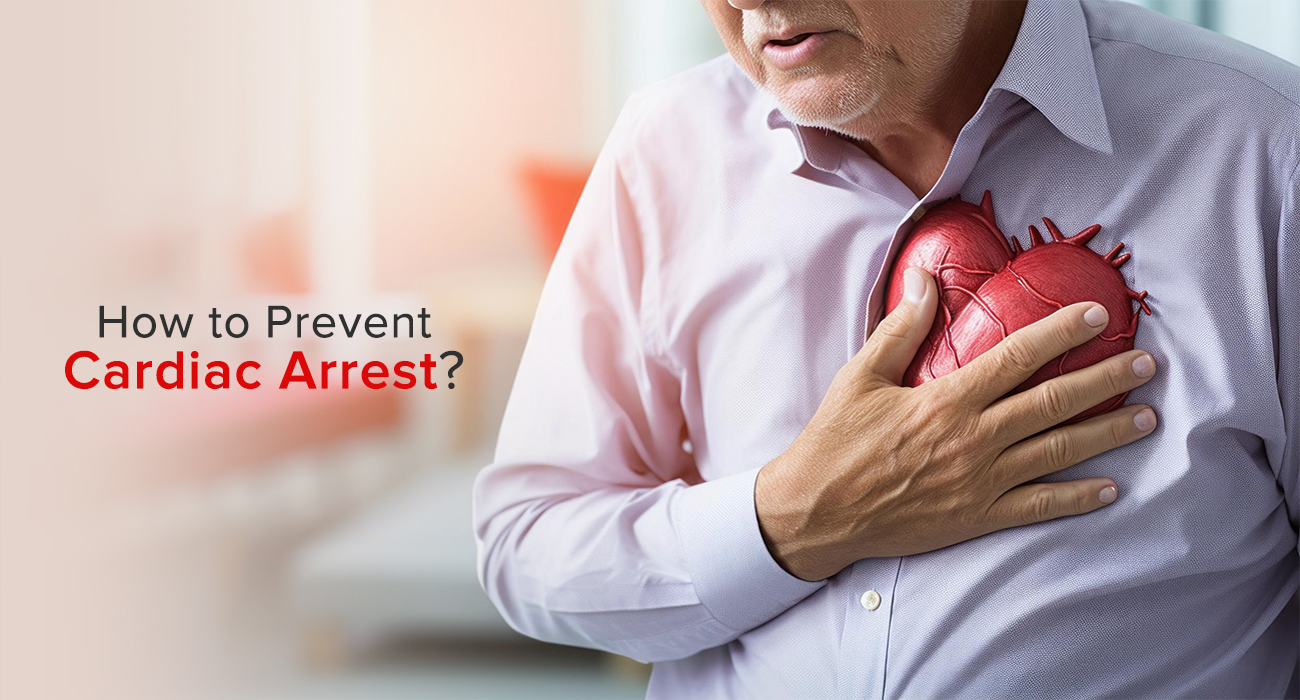
Cardiac arrest is one of the most frightening and deadly medical emergencies in the world. It happens suddenly, without warning, and can take a life within minutes if immediate action is not taken. Yet, what many people do not realize is that cardiac arrest is often preventable with the right lifestyle choices, health monitoring, and public awareness.
If you have ever asked yourself how to prevent cardiac arrest, this article will give you the most detailed, practical, and easy-to-understand guide you will find anywhere online. Whether you are young or old, male or female, healthy or managing health conditions, this guide is for you.
In this extensive article, you will learn:
What cardiac arrest really means
The difference between cardiac arrest and heart attack
Major causes and risk factors
Early warning signs
Daily habits that protect your heart
Foods that prevent sudden heart failure
Exercises that strengthen your heart
Medical screenings you must not ignore
Emergency steps that save lives
How families, schools, and communities can reduce cardiac arrest deaths
Let’s start from the basics.
What Is Cardiac Arrest?
Cardiac arrest occurs when the heart suddenly stops beating. When this happens, the heart can no longer pump blood to the brain, lungs, and other vital organs. Within seconds, the person collapses, loses consciousness, and stops breathing normally. If medical help does not arrive immediately, death can occur within minutes.
This is why learning how to prevent cardiac arrest is extremely important. Once cardiac arrest happens, survival depends heavily on how fast help arrives.
Difference Between Cardiac Arrest and Heart Attack
Many people confuse heart attack with cardiac arrest, but they are not the same.
Heart Attack
Cardiac Arrest
Caused by blocked blood flow to the heart
Caused by electrical failure of the heart
Person is usually conscious
Person collapses and becomes unconscious
Heart continues beating
Heart stops beating
Can lead to cardiac arrest
Is immediately life-threatening
A heart attack can trigger cardiac arrest, which is why preventing heart disease is also a powerful way of learning how to prevent cardiac arrest.
Why Cardiac Arrest Is So Dangerous
It happens suddenly
It can affect any age group
It often occurs outside the hospital
Survival depends on fast CPR and defibrillation
Without oxygen, the brain starts to die in 4–6 minutes
This is why prevention is always better than emergency treatment.
Why It Is So Dangerous
It Happens Suddenly
One of the most terrifying things about cardiac arrest is how sudden and unexpected it is. In many cases, a person can appear perfectly fine one moment and collapse the next without any obvious warning signs. Unlike some illnesses that give people time to seek help, cardiac arrest often strikes instantly.
This sudden nature leaves little room for preparation and is the main reason many victims do not survive if help is not immediately available.
It Can Affect Any Age Group
Many people mistakenly believe that cardiac arrest is only a problem for the elderly. The truth is that cardiac arrest can affect anyone at any age—children, teenagers, young adults, middle-aged individuals, and the elderly.
While older adults tend to have higher risk due to chronic illnesses, young people can also suffer cardiac arrest due to inherited heart conditions, drug abuse, extreme physical exertion, or undiagnosed heart rhythm disorders. This makes cardiac arrest a universal threat, not a condition limited by age.
It Often Occurs Outside the Hospital
Another major reason cardiac arrest is so deadly is that it mostly happens outside medical facilities. Many cases occur at home, at work, on the road, during sports, or in public places like shopping malls and churches.
When cardiac arrest happens outside the hospital, victims do not have immediate access to doctors, oxygen, defibrillators, or emergency drugs. This greatly reduces survival chances, especially if people around do not know how to respond quickly.
Survival Depends on Fast CPR and Defibrillation
When cardiac arrest strikes, every second counts. The only way to sustain life before medical help arrives is through rapid CPR (Cardiopulmonary Resuscitation) and the use of an AED (Automated External Defibrillator).
CPR helps circulate small amounts of oxygenated blood to the brain, while defibrillation restores the heart’s normal rhythm. If these life-saving actions are delayed by just a few minutes, the chance of survival drops drastically. This is why public CPR training and access to AEDs are so important.
Without Oxygen, the Brain Starts to Die in 4–6 Minutes
The brain is extremely sensitive to oxygen loss. Once the heart stops beating during cardiac arrest, oxygen supply to the brain also stops. Within 4 to 6 minutes, brain cells begin to suffer irreversible damage. After this short window, even if the heart is restarted, the person may suffer permanent brain injury, coma, or death. This narrow survival window makes cardiac arrest one of the most time-critical medical emergencies in the world.
Why Prevention Is Always Better Than Emergency Treatment
Because cardiac arrest is sudden, fast, and often fatal, prevention remains the most powerful tool for survival. Emergency treatment relies heavily on chance—being in the right place with trained people and the right equipment at the right time.
Prevention, on the other hand, puts control back into your hands through healthy lifestyle choices, regular medical check-ups, and early treatment of risk factors. When it comes to cardiac arrest, preventing it from happening is far safer than trying to survive it.
Major Causes of Cardiac Arrest (Fully Expanded)
To fully understand how to prevent cardiac arrest, you must clearly understand the conditions and habits that lead to it. Most cases of cardiac arrest do not happen without reason—they are usually the final result of long-term heart damage and unhealthy lifestyle choices.
Heart Disease
Heart disease is the number one cause of cardiac arrest worldwide. When the arteries supplying blood to the heart become narrowed or blocked, the heart muscle becomes weak and unstable. Over time, this damage interferes with the heart’s electrical system, making it vulnerable to sudden rhythm failure.
Conditions like coronary artery disease, heart failure, and previous heart attacksgreatly increase the risk of unexpected cardiac arrest.
Irregular Heart Rhythm (Arrhythmia)
Arrhythmia refers to abnormal heart rhythms. Some arrhythmias are harmless, but others are extremely dangerous. Ventricular fibrillation and ventricular tachycardia are the most deadly rhythm disorders linked to cardiac arrest. In these conditions, the heart beats chaotically instead of pumping blood properly, leading to sudden loss of circulation and collapse within seconds.
High Blood Pressure
High blood pressure slowly but steadily damages the heart and blood vessels over time. It forces the heart to work harder than normal, causing the heart muscle to thicken and weaken. This long-term strain increases the risk of heart failure, heart attacks, and electrical disturbances—any of which can trigger cardiac arrest without warning.
Diabetes
Diabetes is a silent but powerful contributor to cardiac arrest. High blood sugar levels damage blood vessels and heart nerves, reduce circulation, and accelerate the buildup of cholesterol in the arteries.
Diabetic patients are more likely to develop heart disease, high blood pressure, and nerve damage that interferes with normal heart rhythm, making them far more vulnerable to sudden cardiac arrest.
Obesity
Obesity places a heavy physical and metabolic burden on the heart. Excess body fat increases cholesterol levels, raises blood pressure,promotes diabetes, and forces the heart to pump harder to meet the body’s oxygen demands. Over time, this chronic strain weakens the heart and increases the likelihood of rhythm disorders and sudden cardiac arrest.
Smoking
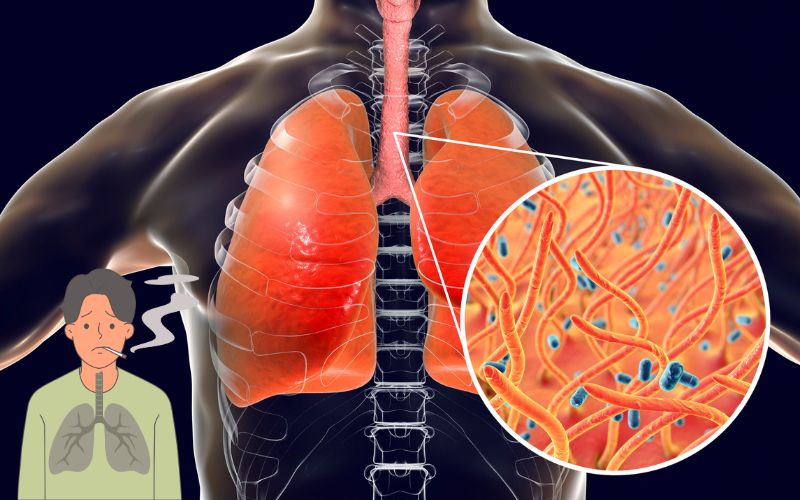
Smoking is one of the most dangerous habits for heart health. Cigarettes destroy blood vessels, reduce oxygen in the blood, thicken the blood, and disturb heart rhythm. Nicotine also increases blood pressure and heart rate, placing immediate stress on the heart. Long-term smoking dramatically raises the risk of heart attacks and sudden cardiac arrest.
Alcohol and Drug Abuse
Excessive alcohol and illegal drugs such as cocaine, methamphetamine, and opioids can directly trigger fatal heart rhythm disturbances. These substances overstimulate the heart, raise blood pressure sharply, cause dehydration and electrolyte imbalance, and weaken the heart muscle. Many sudden deaths in young people are linked to alcoholand drug-induced cardiac arrest.
Electrolyte Imbalance
Electrolytes such as potassium, magnesium, calcium, and sodium play a critical role in controlling the heartbeat. Low potassium or magnesium levels, often caused by dehydration, vomiting, diarrhea, kidney disease, or diuretic medications, can disrupt the heart’s electrical system. A severe imbalance can suddenly stop the heart without warning.
Sleep Apnea
Sleep apnea is a sleep disorder where breathing repeatedly stops and starts during sleep. This condition reduces oxygen supply, raises blood pressure, and places severe strain on the heart night after night. Over time, it increases the risk of irregular heartbeat, heart failure, stroke, and sudden cardiac arrest during sleep.
Inherited Heart Conditions
Some people are born with genetic heart rhythm disorders or structural heart problems that increase their risk of sudden cardiac arrest. Conditions like Long QT Syndrome, Hypertrophic Cardiomyopathy, and Brugada Syndrome may remain silent for years before causing sudden collapse, especially during intense physical activity or emotional stress.
Who Is at High Risk of Cardiac Arrest? (Expanded)
You may be at a higher risk of cardiac arrest if any of the following apply to you:
You have heart disease: Existing heart conditions weaken the heart’s structure and electrical system.
You are over 40: Age naturally increases the risk of heart disease and rhythm problems.
You have diabetesor hypertension: These conditions silently damage the heart over time.
You are overweight or obese: Excess weight forces the heart to work harder and raises cholesterol.
You smoke or drink heavily: These habits damage heart cells and disrupt normal heart rhythm.
You live a sedentary lifestyle: Physical inactivity weakens the heart muscle and promotes weight gain.
You have a family history of heart problems: Genetics play a major role in sudden cardiac arrest risk.
You experience frequent chest pain, dizziness, or fainting: These are warning signs that should never be ignored.
The Hard Truth
Even with all these known risk factors, the reality remains that anyone can suffer cardiac arrest, including people who appear completely healthy. This is why lifelong prevention, routine medical check-ups, healthy living, and early response education are absolutely essential for everyone, not just those who feel “at risk.”
Major Causes of Cardiac Arrest
To fully understand how to prevent cardiac arrest, you must first understand what causes it. Cardiac arrest does not usually happen without warning. In most cases, it results from long-term damage to the heart caused by disease, lifestyle habits, or inherited conditions. Below are the most common and deadly causes.
Heart Disease
Heart disease remains the number one cause of cardiac arrest worldwide. When the blood vessels that supply the heart become blocked or narrowed, the heart muscle becomes weak and unstable. Over time, this damage disrupts the heart’s electrical system and can suddenly cause the heart to stop beating.
Irregular Heart Rhythm (Arrhythmia)
Arrhythmias are conditions where the heart beats too fast, too slow, or irregularly. Some dangerous rhythms, such as ventricular fibrillation, cause the heart to quiver instead of pumping blood properly. When this happens, circulation stops within seconds, leading directly to cardiac arrest.
High Blood Pressure
High blood pressure slowly weakens the heart over time. It forces the heart to pump harder than normal, which leads to thickening of the heart muscle and damage to blood vessels. This long-term strain increases the risk of heart failure, heart attacks, and sudden cardiac arrest.
Diabetes
Diabetes damages the body silently, including the blood vessels and heart nerves. High blood sugar levels increase the risk of blocked arteries, heart disease, and nerve damage that affects normal heart rhythm. This makes people with diabetes much more vulnerable to cardiac arrest.
Obesity
Obesity places a heavy burden on the heart. Excess body fat strains the heart, increases cholesterol, raises blood pressure, and promotes diabetes. All of these conditions work together to increase the risk of heart failure and sudden cardiac arrest.
Smoking
Smoking is extremely harmful to the heart. It destroys blood vessels, reduces oxygen supply, thickens the blood, and disrupts normal heart rhythm. Smokers are at much higher risk of developing heart disease, heart attacks, and sudden cardiac arrest.
Alcohol and Drug Abuse
Excessive alcohol and illegal drug use can trigger deadly changes in the heart’s rhythm. Drugs like cocaine and methamphetamine overstimulate the heart, sharply raise blood pressure, and cause dangerous rhythm disturbances. Many sudden cardiac deaths in young people are linked to drug abuse.
Electrolyte Imbalance
Electrolytes such as potassium and magnesium help control the heartbeat. When these minerals become too low due to dehydration, kidney disease, vomiting, or medication, the heart’s electrical signals become unstable. Severe electrolyte imbalance can suddenly stop the heart.
Sleep Apnea
Sleep apnea is a condition where breathing repeatedly stops during sleep. This reduces oxygen supply and puts constant stress on the heart, especially at night. Over time, it increases the risk of irregular heartbeat, high blood pressure, and sudden cardiac arrest during sleep.
Inherited Heart Conditions
Some people are born with genetic heart rhythm disorders or structural heart problems. These hidden conditions may not show symptoms for years but can suddenly trigger cardiac arrest, especially during intense exercise or emotional stress.
Who Is at High Risk of Cardiac Arrest?
You may be at higher risk of cardiac arrest if you:
Have existing heart disease
Are over 40 years of age
Have diabetes or high blood pressure
Are overweight or obese
Smoke cigarettes or drink heavily
Live a sedentary lifestyle with little physical activity
Have a family history of heart disease or sudden death
Experience frequent chest pain, dizziness, or fainting spells
Important Truth
Even with all these known risk factors, the reality remains that anyone can suffer cardiac arrest, including people who appear healthy. This is why lifelong prevention, routine medical check-ups, and healthy living are essential for everyone.
Early Warning Signs You Must Never Ignore
Learning how to prevent cardiac arrest also means recognizing early danger signals that the body may give before a major cardiac emergency. These symptoms can appear days or even weeks before sudden collapse:
Chest discomfort or pain, especially pressure or tightness
Shortness of breath, during rest or mild activity
Extreme fatigue without clear reason
Frequent dizziness or lightheadedness
Heart palpitations or irregular heartbeat
Fainting spells or near-collapse episodes
Unusual sweating without physical exertion
Nausea combined with chest pressure or discomfort
These warning signs should never be ignored. Anyone who experiences them repeatedly must seek medical attention immediately, as early detection can prevent sudden cardiac arrest and save a life.
How to Prevent Cardiac Arrest Naturally
Now let’s move into the most important part: practical, natural, and medical ways to prevent cardiac arrest.
PROTECT YOUR HEART AND PREVENT SUDDEN CARDIAC ARREST – One Health
Smokingis one of the fastest ways to invite cardiac arrest. It reduces oxygen to the heart and damages blood vessels.
The moment you stop smoking:
Your heartbeat becomes more stable
Blood oxygen improves
Blood pressure reduces
Cardiac arrest risk drops significantly
✅ 4. Limit Alcohol Intake
Too much alcohol weakens the heart and triggers dangerous heart rhythm problems.
Safe rule:
Men: Not more than 2 drinks per day
Women: Not more than 1 drink per day
Better still, avoid alcohol completely.
✅ 5. Control High Blood Pressure
Uncontrolled hypertension damages your heart silently. Regular blood pressure checks are compulsory if you truly want to learn how to prevent cardiac arrest.
Weight loss alone significantly reduces cardiac arrest risk.
✅ 9. Get Quality Sleep Every Night
Poor sleep increases heart rhythm disorders.
Sleep 7–9 hours daily
Treat sleep apnea
Sleep in dark, quiet rooms
Good sleep restores heart electrical balance.
✅ 10. Go for Regular Medical Check-Ups
Many people collapse from cardiac arrest without knowing they had heart problems.
Tests that save lives:
ECG (Electrocardiogram)
Echocardiogram
Blood cholesterol test
Blood sugar test
Blood pressure check
If detected early, heart problems are treatable.
How to Prevent Cardiac Arrest Through Medications (When Necessary)
While lifestyle changes form the foundation of heart protection, some people need medications to safely reduce their risk of cardiac arrest, especially those already diagnosed with heart-related conditions. These medications help stabilize the heart, protect blood vessels, and prevent dangerous complications.
Blood pressure drugs help reduce excessive strain on the heart and prevent long-term damage to the heart muscle and arteries.
Cholesterol-lowering drugs (statins) reduce plaque buildup in the blood vessels, improving blood flow and lowering the risk of heart attacks and sudden cardiac arrest.
Anti-arrhythmic medications help control abnormal heart rhythms that can suddenly stop the heart.
Blood thinners, when prescribed, reduce the risk of dangerous blood clots that can trigger heart attacks and cardiac arrest.
⚠️ Important Warning: Never stop or change your heart medications without your doctor’s advice. Suddenly stopping these drugs can sharply increase your risk of a fatal cardiac event.
How Family History Affects Cardiac Arrest Prevention
If heart disease runs in your family, your risk of cardiac arrest is naturally higher due to genetics. This means your prevention efforts must be stricter and more consistent than average.
You must:
Avoid smoking completely
Monitor your blood pressure monthly
Start cholesterol checks early in life
Exercise consistently
Avoid unhealthy fats and processed foods
As the popular saying goes: Family genetics loads the gun; lifestyle pulls the trigger.
You may inherit the risk, but your daily habits determine whether that risk becomes reality.
How to Prevent Cardiac Arrest in Young People
Many young adults believe cardiac arrest only affects the elderly, but this is a dangerous misconception. Sudden cardiac death in youth often happens without warning, mainly due to lifestyle choices and undiagnosed heart conditions.
How to Protect Your Heart in the winter – Dr Rajiv Agarwal Cardiologist
Young people must:
Avoid drugs completely
Avoid excessive energy drink consumption
Exercise moderately and consistently
Avoid steroid and performance-enhancing drug abuse
Screen for inherited heart rhythm disorders, especially if there is a family history
Most sudden deaths in young people are linked to undiagnosed heart rhythm disorders, which is why early screening and healthy living are extremely important.
How to Prevent Cardiac Arrest in the Elderly
As people age, the heart naturally becomes more vulnerable. For older adults, prevention must focus on consistency, safety, and quick medical response.
Older adults should:
Practice strict medication adherence
Eat low-sodium, heart-friendly meals
Do frequent blood pressure checks
Engage in slow, consistent exercise such as walking
Take fall prevention seriously, since falls can trigger fatal stress on the heart
Seek quick hospital response to any chest pain, dizziness, or shortness of breath
How to Prevent Cardiac Arrest in Diabetic and Hypertensive Patients
People living with diabetes and high blood pressure carry a much higher lifelong risk of cardiac arrest. Prevention in this group must be intentional and daily.
Consistent control of sugar and pressure levels is one of the strongest protective shields against sudden cardiac arrest.
Signs of Imminent Cardiac Arrest (Emergency Warning Signs)
Call emergency services immediately if someone suddenly shows any of the following signs:
Sudden collapse
No breathing
No detectable pulse
Bluish lips or face
Unresponsiveness to touch or voice
These are signs that the heart has already stopped or is about to stop. Immediate CPR and defibrillation can mean the difference between life and death.
How CPR and AED Save Lives
Even when prevention fails, CPR and AED machines can save lives within minutes of cardiac arrest. CPR helps keep oxygen flowing to the brain, while an AED delivers an electric shock that can restart the heart’s normal rhythm.
Every:
Home
School
Church
Gym
Workplace
Should know:
How to perform CPR
Where the nearest AED is located
Quick action before an ambulance arrives is often the deciding factor for survival.
Community Role in Preventing Cardiac Arrest
Preventing cardiac arrest is not only a personal responsibility—it is also a community duty. Communities play a powerful role by:
Creating smoke-free environments
Promoting routine exercise programs
Installing AEDs in public spaces
Teaching CPR in schools
Encouraging routine health screenings
A heart-safe community produces heart-safe people.
Common Myths About Cardiac Arrest
Many false beliefs increase the danger of cardiac arrest:
❌ Only old people get it
❌ Only sick people collapse
❌ It always happens in hospitals
❌ You cannot survive it
✅ The truth is that many people survive cardiac arrest through fast action, CPR, and defibrillation. Awareness and preparedness save lives.
How to Prevent Cardiac Arrest During Exercise
Exercise is very good for the heart, but it must be done safely and wisely to avoid strain-related cardiac events.
Always:
Warm up before workouts
Avoid extreme exertion
Stay well hydrated
Stop exercising immediately if you feel dizzy or weak
Screen your heart before intense training, especially if you are over 35 or have medical conditions
Safe exercise strengthens the heart without exposing it to unnecessary danger.
Spiritual and Mental Wellness in Heart Protection
The heart is not affected only by physical health; mental and spiritual health also play a major role. Spiritual peace and emotional stability help reduce:
Stress hormones
High blood pressure
Anxiety-related heart strain
Faith, gratitude, prayer, emotional support, and positive thinking all contribute to long-term heart protection and cardiac arrest prevention.
Emergency Lifestyle Changes That Instantly Reduce Your Risk
If you want to start reducing your risk of cardiac arrest immediately, begin with these powerful steps:
Stop smoking today
Reduce salt intake today
Start walking daily
Drink more clean water
Sleep better and longer
Actively control emotional stress
These simple lifestyle changes can start lowering your risk within days and weeks.
Frequently Asked Questions (FAQs) – Optimized for SEO
What is the best way to prevent cardiac arrest naturally?
The best natural way to prevent cardiac arrest is by eating a heart-healthy diet, exercising regularly, avoiding smoking and alcohol, managing stress, maintaining a healthy weight, and getting enough sleep.
Can cardiac arrest be prevented completely?
Not all cases can be prevented, especially those caused by genetic heart conditions. However, most cases linked to lifestyle diseases can be greatly reduced through proper prevention strategies.
Does drinking water prevent cardiac arrest?
Drinking enough water helps regulate blood pressure, improves circulation, and prevents electrolyte imbalance, which reduces the risk of dangerous heart rhythm problems.
Can young people suffer cardiac arrest?
Yes. Young people can suffer cardiac arrest due to inherited heart disorders, drug abuse, extreme stress, energy drink overdose, or undiagnosed heart rhythm problems.
How often should I check my heart health?
Adults should check blood pressure at least once a month and do full heart screening (cholesterol, ECG) once or twice a year, especially after age 35.
Does stress really cause cardiac arrest?
Yes. Chronic stress increases blood pressure and triggers dangerous heart rhythms that can lead to cardiac arrest over time.
Can exercise cause cardiac arrest?
Exercise itself does not cause cardiac arrest, but extreme or unsafe exercise without proper screening can trigger hidden heart problems.
Is cardiac arrest the same as heart attack?
No. Heart attack is caused by blocked blood flow, while cardiac arrest is caused by electrical failure of the heart. A heart attack can lead to cardiac arrest.
Can cardiac arrest happen during sleep?
Yes. Many sudden cardiac deaths occur at night, often linked to sleep apnea, low oxygen levels, or dangerous heart rhythms.
Is cardiac arrest always fatal?
No. With fast CPR and AED use, many people survive cardiac arrest and return to normal life.
Final Thoughts: How to Prevent Cardiac Arrest Successfully
Understanding how to prevent cardiac arrest is one of the most important health knowledge every human being should have. Cardiac arrest may be sudden, but it is not always unpredictable. In most cases, years of lifestyle habits lead up to that one fatal moment.
The heart is your life engine. Every meal you eat, every cigarette you smoke, every night you lose sleep, every time you choose stress over peace — all affect your heart.
Prevention is not expensive.
Prevention is not complicated.
Prevention starts with daily discipline.
If you take:
Healthy food seriously
Exercise consistently
Stress reduction seriously
Medical screening seriously
You are already walking on the safest path away from sudden cardiac death.
A graduate of Computer Science and Information Management Technology. Diploma – Caregiving, Certificates – Dementia and Diabetes Awareness and Management. A researcher, blogger, songwriter, singer and acoustic guitarist. Born in an environment where natural talents such as healing are imparted at our natural birth. This natural talents of healing is the result of our genetic inheritance and the training from family environment.
We use cookies on our website to give you the most relevant experience by remembering your preferences and repeat visits. By clicking “Accept All”, you consent to the use of ALL the cookies. However, you may visit "Cookie Settings" to provide a controlled consent.
This website uses cookies to improve your experience while you navigate through the website. Out of these, the cookies that are categorized as necessary are stored on your browser as they are essential for the working of basic functionalities of the website. We also use third-party cookies that help us analyze and understand how you use this website. These cookies will be stored in your browser only with your consent. You also have the option to opt-out of these cookies. But opting out of some of these cookies may affect your browsing experience.
Necessary cookies are absolutely essential for the website to function properly. These cookies ensure basic functionalities and security features of the website, anonymously.
Cookie
Duration
Description
cookielawinfo-checkbox-analytics
11 months
This cookie is set by GDPR Cookie Consent plugin. The cookie is used to store the user consent for the cookies in the category "Analytics".
cookielawinfo-checkbox-functional
11 months
The cookie is set by GDPR cookie consent to record the user consent for the cookies in the category "Functional".
cookielawinfo-checkbox-necessary
11 months
This cookie is set by GDPR Cookie Consent plugin. The cookies is used to store the user consent for the cookies in the category "Necessary".
cookielawinfo-checkbox-others
11 months
This cookie is set by GDPR Cookie Consent plugin. The cookie is used to store the user consent for the cookies in the category "Other.
cookielawinfo-checkbox-performance
11 months
This cookie is set by GDPR Cookie Consent plugin. The cookie is used to store the user consent for the cookies in the category "Performance".
viewed_cookie_policy
11 months
The cookie is set by the GDPR Cookie Consent plugin and is used to store whether or not user has consented to the use of cookies. It does not store any personal data.
Functional cookies help to perform certain functionalities like sharing the content of the website on social media platforms, collect feedbacks, and other third-party features.
Performance cookies are used to understand and analyze the key performance indexes of the website which helps in delivering a better user experience for the visitors.
Analytical cookies are used to understand how visitors interact with the website. These cookies help provide information on metrics the number of visitors, bounce rate, traffic source, etc.
Advertisement cookies are used to provide visitors with relevant ads and marketing campaigns. These cookies track visitors across websites and collect information to provide customized ads.