How to Reduce High Cortisol Levels: Natural Methods for Better Health
How to Reduce Cortisol Level Naturally
Learn how to reduce cortisol level naturally with effective stress management techniques, healthy lifestyle habits, proper sleep, balanced nutrition, and simple daily practices that support overall health and well-being.
Stress is a normal part of life. Whether it comes from work, finances, family responsibilities, or health concerns, most people experience stress regularly. When the body encounters stress, it releases a hormone called cortisol. While cortisol plays an important role in helping the body respond to stress, having high levels of this hormone for long periods can cause serious health problems.
Many people today are searching for ways to improve their well-being and manage stress better. One of the most important steps is learning how to reduce cortisol level naturally. By lowering cortisol, you can improve your mood, protect your heart, enhance your sleep, and maintain better overall health.
This article explores what cortisol is, why high cortisol levels can be harmful, and practical strategies you can use to reduce cortisol naturally and maintain a balanced life.
What Is Cortisol?
Cortisol is a hormone produced by the adrenal glands, which sit on top of the kidneys. It is commonly known as the “stress hormone” because the body releases it in response to stress.
Cortisol plays several important roles in the body, including:
When you encounter a stressful situation, your body activates the fight-or-flight response. During this process, cortisol is released into the bloodstream to help you react quickly and deal with the challenge.
While this response is useful in short-term situations, constantly elevated cortisol levels can negatively affect many systems in the body.
Why High Cortisol Levels Can Be Harmful
Occasional stress is normal, but chronic stress can lead to constantly elevated cortisol levels. When cortisol remains high for long periods, it can contribute to several health issues.
Some common problems associated with high cortisol include:
Long-term high cortisol levels may even increase the risk of conditions such as heart disease, diabetes, and hormonal imbalance. That is why learning how to reduce cortisol level is essential for maintaining long-term health.
How to Reduce High Cortisol Levels: Natural Methods for Better Health
Signs Your Cortisol Level May Be Too High
Many people live with high cortisol without realizing it. However, the body often shows warning signs when stress hormones remain elevated.
Common symptoms of high cortisol include:
Constant fatigue
Frequent headaches
Difficulty sleeping
Increased cravings for sugary foods
Mood swings or irritability
Digestive issues
Unexplained weight gain
If you frequently experience these symptoms, your cortisol levels may be elevated due to chronic stress.
How to Reduce Cortisol Level Naturally
Fortunately, there are several natural ways to lower cortisol and restore balance to the body. These methods focus on lifestyle changes, stress management, and healthy habits.
Below are some of the most effective strategies for lowering cortisol levels naturally.
Practice Stress-Reduction Techniques
One of the most effective ways to reduce cortisol is to manage stress more effectively.
Activities that calm the mind and relax the body can significantly lower cortisol production.
Examples include:
Meditation
Deep breathing exercises
Mindfulness practices
Prayer or spiritual reflection
Progressive muscle relaxation
Meditation, for example, helps slow down racing thoughts and encourages a sense of calm. Even spending just 10–15 minutes daily in quiet reflection can help reduce stress and lower cortisol levels.
Deep breathing exercises are also powerful. Slow breathing signals the brain that the body is safe, which helps reduce the release of stress hormones.
Get Enough Quality Sleep
Sleep plays a critical role in regulating hormone levels, including cortisol. Poor sleep can cause cortisol levels to rise and remain elevated.
Many people today suffer from sleep deprivation due to busy schedules, technology use, and stress. Unfortunately, lack of sleep can create a cycle where high cortisol makes it even harder to fall asleep.
To improve sleep quality:
Maintain a consistent sleep schedule
Avoid screens before bedtime
Keep your bedroom quiet and dark
Avoid caffeine late in the day
Practice relaxing bedtime routines
Getting 7 to 9 hours of sleep per night helps regulate cortisol production and allows the body to recover from daily stress.
Exercise Regularly but Avoid Overtraining
Physical activity is one of the most powerful tools for reducing stress and improving mental health. Regular exercise helps release endorphins, which are chemicals that improve mood and reduce stress.
Moderate exercise can help lower cortisol levels and improve overall well-being.
Healthy exercise options include:
Walking
Jogging
Swimming
Cycling
Yoga
Strength training
However, excessive exercise can actually increase cortisol levels. Overtraining puts additional stress on the body and may lead to hormonal imbalance.
Therefore, balance is key. Aim for moderate exercise several times per week rather than intense workouts every day.
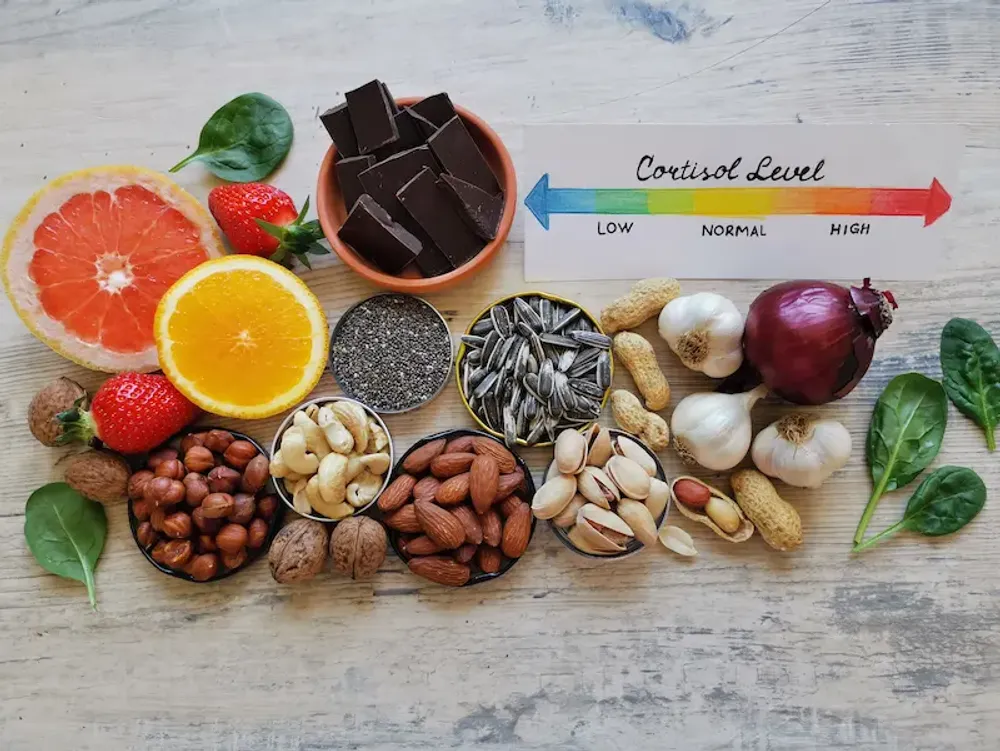
Eat a Balanced and Nutritious Diet
Your diet has a direct impact on hormone regulation. Eating a balanced diet can help stabilize blood sugar levels and prevent cortisol spikes.
Foods that support healthy cortisol levels include:
Fruits and vegetables
Whole grains
Lean proteins
Healthy fats such as nuts and avocados
Foods rich in magnesium
Magnesium-rich foods such as spinach, almonds, and bananas help support relaxation and reduce stress.
On the other hand, certain foods can increase cortisol levels, including:
Excess sugar
Highly processed foods
Excess caffeine
Alcohol
Maintaining stable blood sugar levels through balanced meals is an important step in learning how to reduce cortisol level naturally.
Spend Time in Nature
Nature has a powerful calming effect on the human mind. Spending time outdoors can reduce stress, improve mood, and lower cortisol levels.
Research shows that activities like walking in parks, hiking, or simply sitting in natural environments can reduce stress hormones significantly.
Exposure to sunlight also helps regulate circadian rhythms, which improves sleep quality and hormone balance.
Even 20–30 minutes outside each day can make a noticeable difference in stress levels.
Maintain Strong Social Connections
Human beings are naturally social creatures. Healthy relationships provide emotional support and help buffer the effects of stress.
Spending time with family members, friends, or supportive communities can significantly reduce cortisol levels.
Positive social interactions trigger the release of hormones like oxytocin, which counteracts the effects of cortisol.
Simple activities such as:
Talking with a friend
Spending time with loved ones
Sharing meals together
Participating in community events
can improve emotional well-being and reduce stress.
Laugh More Often
Laughter is often called natural medicine, and for good reason. Genuine laughter helps relax the body and lowers cortisol levels.
When you laugh, the brain releases feel-good chemicals that improve mood and reduce stress.
Watching a funny movie, spending time with humorous friends, or enjoying entertaining content can help reduce tension and improve overall mental health.
Reduce Caffeine Intake
Caffeine stimulates the nervous system and can increase cortisol levels, especially when consumed in large amounts.
Many people rely heavily on coffee or energy drinks to stay alert throughout the day. However, excessive caffeine intake may increase anxiety and worsen stress.
To keep cortisol levels balanced:
Limit coffee intake
Avoid caffeine late in the day
Replace some caffeinated drinks with herbal tea
Herbal teas such as chamomile, lavender, and lemon balm may promote relaxation and help support stress management.
Listen to Music
Music has powerful effects on emotions and brain chemistry. Listening to calming music can reduce stress and lower cortisol levels.
Soft instrumental music, nature sounds, or relaxing melodies can help the body enter a state of relaxation.
Music therapy is even used in hospitals and mental health programs to help patients manage anxiety and stress.
Taking time each day to listen to soothing music can be a simple but effective way to lower cortisol.
Practice Gratitude
Gratitude shifts the mind away from negative thinking and helps focus on positive experiences.
Studies suggest that regularly practicing gratitude can improve mood, reduce stress, and lower cortisol levels.
Simple gratitude habits include:
Writing in a gratitude journal
Reflecting on positive moments
Expressing appreciation to others
Over time, gratitude helps reshape the brain’s response to stress and promotes emotional resilience.
Stay Hydrated
Dehydration can place additional stress on the body and may contribute to elevated cortisol levels.
Drinking enough water throughout the day helps maintain proper bodily functions and supports hormone balance.
Aim to drink adequate water daily, especially if you are physically active or living in warm environments.
When to See a Doctor
In some cases, extremely high cortisol levels may indicate a medical condition such as Cushing’s syndrome or severe hormonal imbalance.
If you experience symptoms such as:
Rapid weight gain
Severe fatigue
Muscle weakness
Uncontrolled high blood pressure
it is important to seek medical evaluation.
A healthcare professional can perform tests to measure cortisol levels and determine the underlying cause.
Final Thoughts
Learning how to reduce cortisol level is essential for maintaining both physical and mental health. While stress is a normal part of life, chronic stress and elevated cortisol can negatively affect the body in many ways.
Fortunately, simple lifestyle changes such as improving sleep, exercising regularly, eating nutritious foods, practicing relaxation techniques, and maintaining strong relationships can significantly reduce cortisol levels.
By adopting these healthy habits, you can protect your body from the harmful effects of chronic stress and enjoy a healthier, more balanced life.
A graduate of Computer Science and Information Management Technology. Diploma – Caregiving, Certificates – Dementia and Diabetes Awareness and Management. A researcher, blogger, songwriter, singer and acoustic guitarist. Born in an environment where natural talents such as healing are imparted at our natural birth. This natural talents of healing is the result of our genetic inheritance and the training from family environment.
We use cookies on our website to give you the most relevant experience by remembering your preferences and repeat visits. By clicking “Accept All”, you consent to the use of ALL the cookies. However, you may visit "Cookie Settings" to provide a controlled consent.
This website uses cookies to improve your experience while you navigate through the website. Out of these, the cookies that are categorized as necessary are stored on your browser as they are essential for the working of basic functionalities of the website. We also use third-party cookies that help us analyze and understand how you use this website. These cookies will be stored in your browser only with your consent. You also have the option to opt-out of these cookies. But opting out of some of these cookies may affect your browsing experience.
Necessary cookies are absolutely essential for the website to function properly. These cookies ensure basic functionalities and security features of the website, anonymously.
Cookie
Duration
Description
cookielawinfo-checkbox-analytics
11 months
This cookie is set by GDPR Cookie Consent plugin. The cookie is used to store the user consent for the cookies in the category "Analytics".
cookielawinfo-checkbox-functional
11 months
The cookie is set by GDPR cookie consent to record the user consent for the cookies in the category "Functional".
cookielawinfo-checkbox-necessary
11 months
This cookie is set by GDPR Cookie Consent plugin. The cookies is used to store the user consent for the cookies in the category "Necessary".
cookielawinfo-checkbox-others
11 months
This cookie is set by GDPR Cookie Consent plugin. The cookie is used to store the user consent for the cookies in the category "Other.
cookielawinfo-checkbox-performance
11 months
This cookie is set by GDPR Cookie Consent plugin. The cookie is used to store the user consent for the cookies in the category "Performance".
viewed_cookie_policy
11 months
The cookie is set by the GDPR Cookie Consent plugin and is used to store whether or not user has consented to the use of cookies. It does not store any personal data.
Functional cookies help to perform certain functionalities like sharing the content of the website on social media platforms, collect feedbacks, and other third-party features.
Performance cookies are used to understand and analyze the key performance indexes of the website which helps in delivering a better user experience for the visitors.
Analytical cookies are used to understand how visitors interact with the website. These cookies help provide information on metrics the number of visitors, bounce rate, traffic source, etc.
Advertisement cookies are used to provide visitors with relevant ads and marketing campaigns. These cookies track visitors across websites and collect information to provide customized ads.