How to Slow Aging Skin: The Complete Guide to Youthful Skin
“Discover practical tips on how to slow aging skin naturally. Learn about skincare routines, healthy foods, lifestyle habits, and treatments that keep your skin youthful, radiant, and healthy for years to come.”
Introduction: The Timeless Question of Youthful Skin
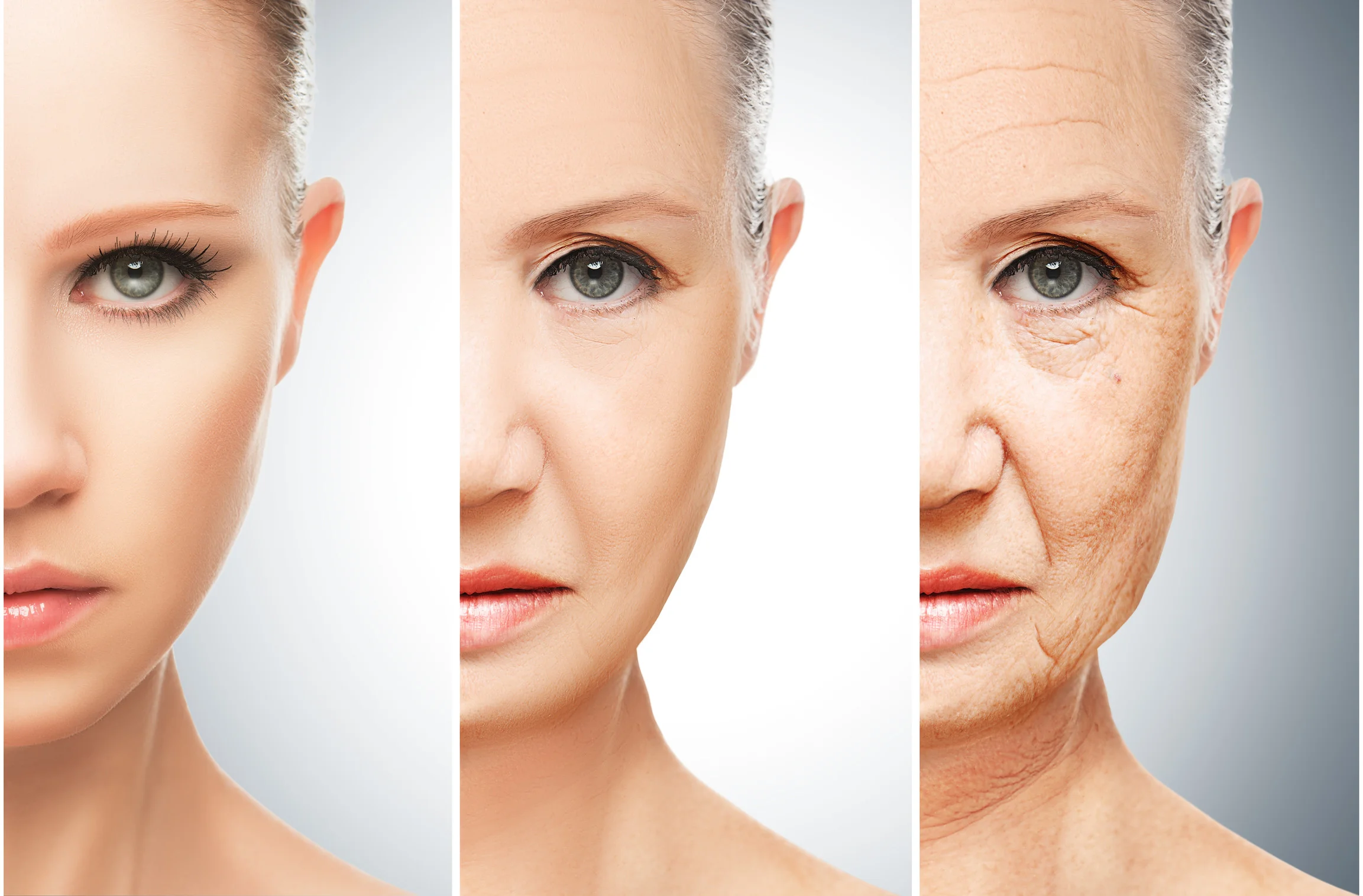
Almost everyone at some point looks in the mirror and wonders: “How do I keep my skin looking young?” From wrinkles to age spots, fine lines, and sagging, skin aging is one of the most visible parts of growing older. While we can’t stop time, there are proven ways to slow down the process and maintain youthful, radiant skin for longer.
This guide explores how to slow aging skin using natural habits, science-backed skincare, nutrition, lifestyle changes, and even professional treatments. Whether you’re in your 20s and thinking ahead or already noticing signs of aging in your 40s, 50s, or beyond, the strategies here can help.
Why Skin Ages: The Science Behind It
Before tackling how to slow aging skin, it’s important to understand why it happens.
Intrinsic Aging (Natural Aging)
This is the biological process your body goes through as you get older. Key features include:
Slower collagen production → less firmness.
Decreased elastin → more sagging.
Reduced skin cell turnover → duller complexion.
Weaker oil glands → dryness and fine lines.
Intrinsic aging is influenced by your genes and natural body chemistry.
Face yoga may tone muscles and improve circulation, but scientific evidence is limited. It can be a helpful add-on, not a replacement.
Do genetics matter in skin aging?
Yes, genetics play a role in how quickly you age, but lifestyle factors are equally (if not more) important.
Can makeup age your skin?
Not directly, but sleeping with makeup on clogs pores, causes breakouts, and accelerates skin dullness.
How often should I exfoliate?
1–2 times a week is enough for most people. Over-exfoliating causes irritation.
Are natural oils better than moisturizers?
They can help but aren’t always enough. Look for moisturizers with proven ingredients like ceramides, glycerin, and hyaluronic acid.
Can stress cause wrinkles?
Yes. Stress raises cortisol levels, which break down collagen and make skin more prone to wrinkles.
What’s the single most important step to slow skin aging?
Daily sunscreen use. Without sun protection, all other steps lose effectiveness.
Conclusion: Building a Lifestyle of Youthful Skin
If you’ve been wondering how to slow aging skin, the answer lies in small, consistent choices. Protect yourself from the sun, eat antioxidant-rich foods, stay hydrated, sleep well, and manage stress. Combine this with gentle skincare and, if needed, professional treatments—and you’ll notice your skin looks healthier, fresher, and younger over time.
Remember: You can’t turn back the clock, but you can slow it down. What you do today determines how your skin will look tomorrow.
A graduate of Computer Science and Information Management Technology. Diploma – Caregiving, Certificates – Dementia and Diabetes Awareness and Management. A researcher, blogger, songwriter, singer and acoustic guitarist. Born in an environment where natural talents such as healing are imparted at our natural birth. This natural talents of healing is the result of our genetic inheritance and the training from family environment.
We use cookies on our website to give you the most relevant experience by remembering your preferences and repeat visits. By clicking “Accept All”, you consent to the use of ALL the cookies. However, you may visit "Cookie Settings" to provide a controlled consent.
This website uses cookies to improve your experience while you navigate through the website. Out of these, the cookies that are categorized as necessary are stored on your browser as they are essential for the working of basic functionalities of the website. We also use third-party cookies that help us analyze and understand how you use this website. These cookies will be stored in your browser only with your consent. You also have the option to opt-out of these cookies. But opting out of some of these cookies may affect your browsing experience.
Necessary cookies are absolutely essential for the website to function properly. These cookies ensure basic functionalities and security features of the website, anonymously.
Cookie
Duration
Description
cookielawinfo-checkbox-analytics
11 months
This cookie is set by GDPR Cookie Consent plugin. The cookie is used to store the user consent for the cookies in the category "Analytics".
cookielawinfo-checkbox-functional
11 months
The cookie is set by GDPR cookie consent to record the user consent for the cookies in the category "Functional".
cookielawinfo-checkbox-necessary
11 months
This cookie is set by GDPR Cookie Consent plugin. The cookies is used to store the user consent for the cookies in the category "Necessary".
cookielawinfo-checkbox-others
11 months
This cookie is set by GDPR Cookie Consent plugin. The cookie is used to store the user consent for the cookies in the category "Other.
cookielawinfo-checkbox-performance
11 months
This cookie is set by GDPR Cookie Consent plugin. The cookie is used to store the user consent for the cookies in the category "Performance".
viewed_cookie_policy
11 months
The cookie is set by the GDPR Cookie Consent plugin and is used to store whether or not user has consented to the use of cookies. It does not store any personal data.
Functional cookies help to perform certain functionalities like sharing the content of the website on social media platforms, collect feedbacks, and other third-party features.
Performance cookies are used to understand and analyze the key performance indexes of the website which helps in delivering a better user experience for the visitors.
Analytical cookies are used to understand how visitors interact with the website. These cookies help provide information on metrics the number of visitors, bounce rate, traffic source, etc.
Advertisement cookies are used to provide visitors with relevant ads and marketing campaigns. These cookies track visitors across websites and collect information to provide customized ads.