Explore effective natural remedies for bad breath and discover simple ways to achieve fresh breath naturally through diet, hygiene, and holistic care.
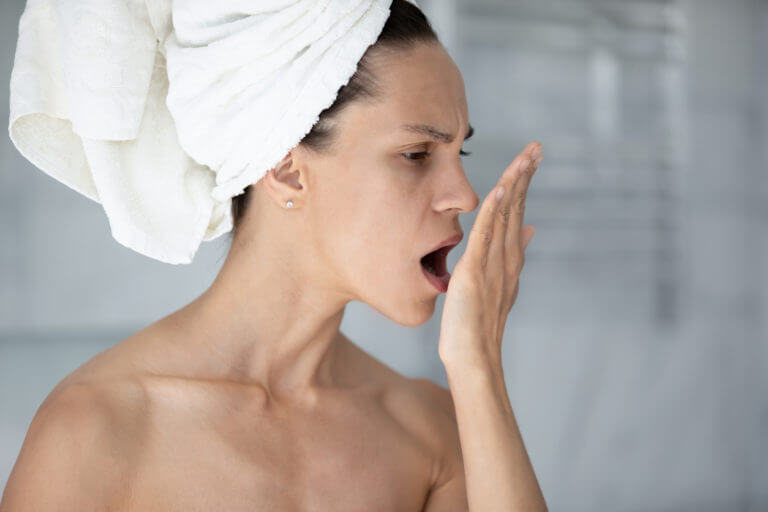
Bad breath can quietly affect your confidence, your conversations, and even your relationships. It’s one of those issues people rarely talk about openly, yet so many struggle with daily. Medically known as Halitosis, bad breath is more than just an occasional inconvenience—it can sometimes point to deeper problems in your mouth or even your digestive system.
The encouraging part is this: you don’t have to rely entirely on artificial mouthwashes or temporary fixes. There are powerful, safe, and effective natural remedies for bad breath that not only mask the odor but also address its root causes.
In this detailed guide, you’ll learn not just what to use, but why these remedies work and how to apply them for long-lasting results.
Understanding Bad Breath: What’s Really Going On?
To effectively treat bad breath, you need to understand its origin.
In most cases, bad breath begins in the mouth. Tiny bacteria live on your tongue, gums, and between your teeth. When they break down leftover food particles, they release sulfur compounds—these are the substances responsible for that unpleasant smell.
This means that effective natural remedies for bad breath must work on multiple levels—not just the mouth, but also hydration, diet, and overall health.
Why Choose Natural Remedies?
Many commercial mouthwashes only provide temporary relief by masking odor. Some even contain alcohol, which can worsen dryness and make bad breath return stronger.
Natural remedies, on the other hand:
Target the root cause of odor
Support healthy bacteria balance
Improve long-term oral health
Are gentle and cost-effective
They don’t just freshen your breath—they help restore your oral environment.
Powerful Natural Remedies for Bad Breath
Drink More Water Throughout the Day
This may sound simple, but it is one of the most powerful solutions.
When your mouth becomes dry, bacteria multiply rapidly. Saliva plays a critical role in washing away food particles and neutralizing acids.
By staying hydrated, you:
Reduce bacterial buildup
Keep your mouth clean naturally
Prevent odor from forming
Insight: Many people experience bad breath in the morning mainly due to dehydration overnight.
Clean Your Tongue Daily
Most people focus on brushing their teeth but ignore the tongue.
The tongue is one of the biggest breeding grounds for odor-causing bacteria. A white or coated tongue is often a sign of buildup.
Use:
A tongue scraper
Or your toothbrush
This simple habit can dramatically reduce bad breath.
Use Natural Herbal Mouth Rinses
Instead of chemical-based mouthwashes, natural rinses can be just as effective without harsh side effects.
They stimulate saliva and release pleasant aromas that mask and eliminate odor.
Address Dry Mouth Naturally
Dry mouth is one of the leading causes of persistent bad breath.
To improve saliva flow:
Chew sugar-free gum
Stay hydrated
Avoid excessive caffeine and alcohol
Saliva is your body’s natural defense against odor.
Support Your Gut Health
One often-overlooked cause of bad breath is poor digestion.
When food is not properly digested, it can produce unpleasant odors that travel upward.
To improve gut health:
Eat fermented foods
Drink herbal teas
Maintain regular eating habits
Healthy digestion often leads to noticeably fresher breath.
Additional Insights Most People Ignore
Stress can worsen bad breath by reducing saliva production
Skipping meals can lead to “ketone breath,” which smells unpleasant
Mouth breathing dries out the mouth and encourages bacteria
Certain medications can cause dry mouth as a side effect
Understanding these hidden triggers helps you manage bad breath more effectively.
When Natural Remedies Are Not Enough
While natural remedies for bad breath are highly effective, persistent odor should not be ignored.
It could signal:
Gum disease
Tooth decay
Sinus infections
Digestive disorders
In such cases, it’s important to consult a dentist or healthcare professional for proper diagnosis.
Final Thoughts
Dealing with bad breath doesn’t have to be complicated or expensive. With consistent habits and the right natural approach, you can maintain fresh breath effortlessly.
The secret lies in treating the cause, not just the symptom. By combining good oral hygiene, proper hydration, a healthy diet, and these proven natural remedies for bad breath, you can enjoy lasting freshness and renewed confidence.
A graduate of Computer Science and Information Management Technology. Diploma – Caregiving, Certificates – Dementia and Diabetes Awareness and Management. A researcher, blogger, songwriter, singer and acoustic guitarist. Born in an environment where natural talents such as healing are imparted at our natural birth. This natural talents of healing is the result of our genetic inheritance and the training from family environment.
We use cookies on our website to give you the most relevant experience by remembering your preferences and repeat visits. By clicking “Accept All”, you consent to the use of ALL the cookies. However, you may visit "Cookie Settings" to provide a controlled consent.
This website uses cookies to improve your experience while you navigate through the website. Out of these, the cookies that are categorized as necessary are stored on your browser as they are essential for the working of basic functionalities of the website. We also use third-party cookies that help us analyze and understand how you use this website. These cookies will be stored in your browser only with your consent. You also have the option to opt-out of these cookies. But opting out of some of these cookies may affect your browsing experience.
Necessary cookies are absolutely essential for the website to function properly. These cookies ensure basic functionalities and security features of the website, anonymously.
Cookie
Duration
Description
cookielawinfo-checkbox-analytics
11 months
This cookie is set by GDPR Cookie Consent plugin. The cookie is used to store the user consent for the cookies in the category "Analytics".
cookielawinfo-checkbox-functional
11 months
The cookie is set by GDPR cookie consent to record the user consent for the cookies in the category "Functional".
cookielawinfo-checkbox-necessary
11 months
This cookie is set by GDPR Cookie Consent plugin. The cookies is used to store the user consent for the cookies in the category "Necessary".
cookielawinfo-checkbox-others
11 months
This cookie is set by GDPR Cookie Consent plugin. The cookie is used to store the user consent for the cookies in the category "Other.
cookielawinfo-checkbox-performance
11 months
This cookie is set by GDPR Cookie Consent plugin. The cookie is used to store the user consent for the cookies in the category "Performance".
viewed_cookie_policy
11 months
The cookie is set by the GDPR Cookie Consent plugin and is used to store whether or not user has consented to the use of cookies. It does not store any personal data.
Functional cookies help to perform certain functionalities like sharing the content of the website on social media platforms, collect feedbacks, and other third-party features.
Performance cookies are used to understand and analyze the key performance indexes of the website which helps in delivering a better user experience for the visitors.
Analytical cookies are used to understand how visitors interact with the website. These cookies help provide information on metrics the number of visitors, bounce rate, traffic source, etc.
Advertisement cookies are used to provide visitors with relevant ads and marketing campaigns. These cookies track visitors across websites and collect information to provide customized ads.