Discover effective natural remedies for lung cancer, including herbs, foods, and lifestyle practices that may support lung health, boost immunity, and improve overall well-being alongside medical treatment.
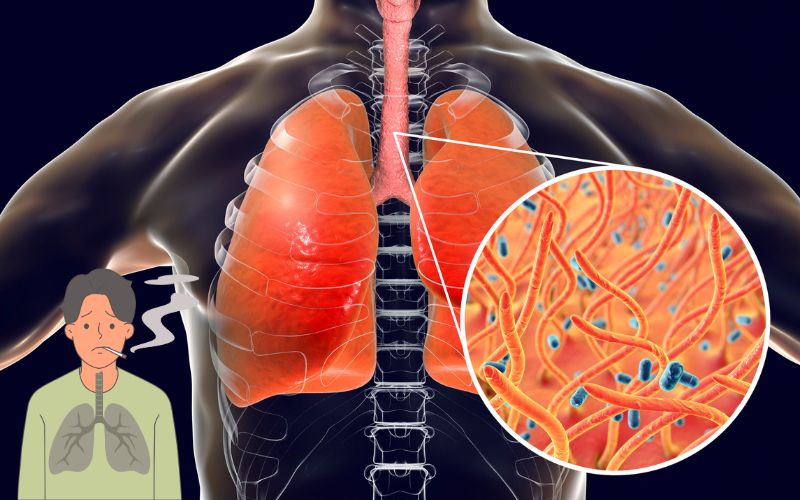
Lung cancer is one of the most serious health conditions affecting millions of people worldwide. It develops when abnormal cells grow uncontrollably in the lungs, often forming tumors that interfere with normal breathing and oxygen exchange. The most common type is Non-Small Cell Lung Cancer, although another aggressive form known as Small Cell Lung Cancer also occurs.
While conventional medical treatments such as surgery, chemotherapy, radiation therapy, and targeted therapies remain the primary and most effective ways to treat lung cancer, many people also explore natural remedies to support their overall health. These natural remedies for lung cancer are not cures, but they may help strengthen the immune system, reduce inflammation, ease symptoms, and improve quality of life when used alongside medical treatment.
In this comprehensive guide, we will explore several evidence-informed natural remedies for lung cancer, including herbs, dietary strategies, lifestyle practices, and natural compounds that may help support lung health.
Understanding Lung Cancer
Before discussing natural remedies, it is important to understand how lung cancer develops.
Lung cancer begins when cells in the lungs undergo genetic mutations that cause them to grow uncontrollably. Over time, these abnormal cells can form tumors and spread to other parts of the body, a process called metastasis.
The most common risk factor is smoking, but lung cancer can also occur in non-smokers. Other causes include:
Exposure to secondhand smoke
Radon gas exposure
Air pollution
Asbestos exposure
Genetic factors
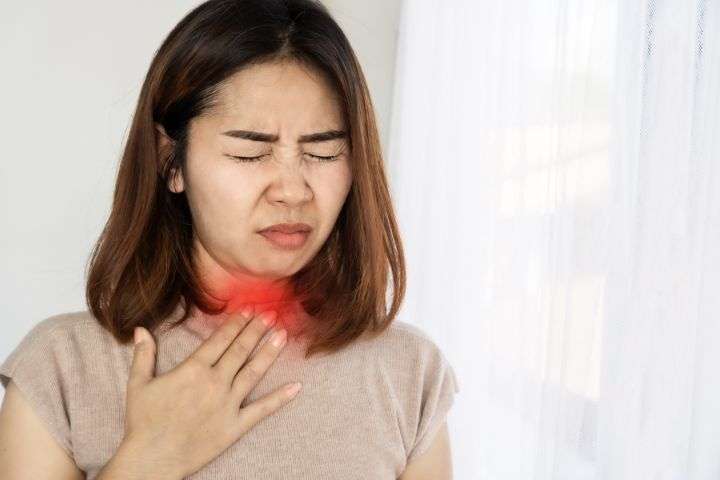
Symptoms often include persistent coughing, chest pain, difficulty breathing, coughing up blood, unexplained weight loss, and fatigue.
Natural remedies aim to support the body’s resilience and help reduce some of the burdens associated with the disease.
Insights Regarding The Lung Cancer
Lung cancer is a complex disease, and beyond symptoms and treatment, there are several important insights that help people better understand its causes, prevention, early detection, and overall management.
Below are some key insights regarding lung cancer.
Lung Cancer Can Occur in Non-Smokers
Many people assume that lung cancer only affects smokers, but that is not entirely true. While smoking remains the leading risk factor, a significant number of lung cancer cases occur in people who have never smoked.
Several factors may contribute to lung cancer in non-smokers, including:
Exposure to secondhand smoke
Indoor air pollution from cooking fuels
Radon gas exposure
Environmental pollution
Genetic predisposition
One major environmental contributor is Radon, a naturally occurring radioactive gas that can accumulate in buildings and increase lung cancer risk.
Early Detection Significantly Improves Survival
Lung cancer is often dangerous because it may not cause noticeable symptoms in its early stages. Many people are diagnosed only after the disease has progressed.
However, screening can detect lung cancer early, especially among high-risk individuals. One commonly used screening method is the Low-Dose CT Scan, which can identify small tumors in the lungs before symptoms appear.
Early diagnosis dramatically increases treatment success and survival rates.
There Are Different Types of Lung Cancer
Lung cancer is not a single disease. It includes multiple forms with different behaviors and treatment approaches.
The two main categories are:
Non-Small Cell Lung Cancer – the most common type, accounting for about 85% of cases
Small Cell Lung Cancer – a faster-growing and more aggressive form
Understanding the specific type of lung cancer helps doctors choose the most effective treatment plan.
Air Pollution Is a Growing Risk Factor
Increasing evidence shows that air pollution contributes to lung cancer risk, even among non-smokers.
Tiny airborne particles known as Particulate Matter can enter the lungs and cause long-term inflammation and cellular damage.
Urban areas with high pollution levels tend to have higher rates of respiratory diseases, including lung cancer.
Genetics Can Influence Lung Cancer Risk
Family history can play a role in lung cancer risk. Certain genetic mutations can increase susceptibility to abnormal cell growth in the lungs.
One commonly studied mutation occurs in the EGFR Gene, which may cause cells to grow and divide more rapidly. This mutation is often seen in non-smokers with lung cancer.
Genetic testing can help doctors determine whether targeted therapies may be effective.
Modern Treatments Are Becoming More Advanced
Lung cancer treatment has improved significantly in recent years due to advances in medical research.
Some newer treatment approaches include:
Immunotherapy – stimulates the immune system to attack cancer cells
Targeted Therapy – focuses on specific genetic mutations in cancer cells
Radiation Therapy – uses high-energy rays to destroy tumors
These therapies have improved survival rates and quality of life for many patients.
Lifestyle Changes May Support Lung Health
While lifestyle changes cannot cure lung cancer, they can support overall health and recovery.
Helpful habits include:
Quitting smoking
Eating antioxidant-rich foods
Exercising regularly
Avoiding air pollution when possible
Practicing breathing exercises
These changes may help improve lung function and strengthen the body’s ability to cope with illness.
Lung Cancer Often Spreads to Other Organs
When lung cancer progresses, it may spread (metastasize) to other parts of the body. Common sites include:
Brain
Bones
Liver
Adrenal glands
Metastatic cancer is more difficult to treat, which is why early diagnosis is so important.
Persistent Cough Should Never Be Ignored
One of the most common early signs of lung cancer is a persistent cough that does not go away.
Other warning signs include:
Chest pain
Coughing up blood
Shortness of breath
Hoarseness
Unexplained weight loss
Frequent respiratory infections
Anyone experiencing these symptoms for several weeks should seek medical evaluation.
Prevention Is Possible
Although not all lung cancer cases can be prevented, many risk factors are controllable.
Preventive steps include:
Avoiding tobacco smoke
Testing homes for radon
Reducing exposure to environmental pollutants
Maintaining a healthy lifestyle
Getting screened if at high risk
Public health efforts continue to focus on prevention and early detection to reduce lung cancer deaths worldwide.
Natural Remedies for Lung Cancer
Turmeric
One of the most widely studied natural compounds for cancer support is turmeric. The active ingredient in turmeric is curcumin, which has powerful anti-inflammatory and antioxidant properties.
Curcumin has been researched in the field of Oncology for its potential to influence cancer-related processes. Some laboratory studies suggest it may help inhibit tumor growth and reduce inflammation associated with cancer.
Possible benefits include:
Reducing oxidative stress
Supporting immune function
Helping regulate inflammatory pathways
Turmeric can be consumed in foods, teas, or supplements, but it should always be discussed with a healthcare professional when undergoing cancer treatment.
Green Tea
Green Tea is rich in polyphenols, especially catechins such as EGCG (epigallocatechin gallate), which are known for their antioxidant effects.
Research suggests that green tea compounds may help:
Protect cells from damage
Support immune defense
Reduce inflammation in the lungs
Drinking one to three cups of green tea daily may provide beneficial antioxidants that support overall health.
Garlic
Garlichas been used for centuries as both a culinary ingredient and medicinal plant. It contains sulfur compounds such as allicin that have strong antioxidant and immune-supporting properties.
Some studies suggest that garlic consumption may be associated with a lower risk of certain cancers, including lung cancer.
Potential benefits include:
Enhancing immune system function
Reducing inflammation
Supporting detoxification processes in the body
Garlic can be consumed raw, cooked, or in supplement form.
Ginger
Ginger is another powerful natural remedy widely used in traditional medicine systems.
For individuals undergoing chemotherapy, gingermay help reduce nausea and digestive discomfort. It also contains bioactive compounds like gingerol and shogaol that may have anti-inflammatory properties.
Possible benefits include:
Reducing chemotherapy-related nausea
Supporting digestion
Lowering inflammation in the body
Medicinal Mushrooms
Certain medicinal mushrooms are gaining attention for their potential immune-supporting effects.
Examples include:
Reishi Mushroom
Turkey Tail Mushroom
Shiitake Mushroom
These mushrooms contain compounds called beta-glucans that may help stimulate immune activity. Some cancer patients use them as complementary therapies under medical supervision.
Omega-3 fatty acids support cardiovascular health and may help manage inflammation, which is important for individuals dealing with chronic illnesses.
Breathing Exercises and Lung Rehabilitation
Practicing breathing exercises can help improve lung capacity and oxygen flow.
A common method is Diaphragmatic Breathing, which focuses on deep breathing that engages the diaphragm rather than shallow chest breathing.
Benefits may include:
Improved oxygen intake
Reduced breathlessness
Better relaxation and stress management
These exercises are often part of pulmonary rehabilitation programs.
Honey
Honey has natural antimicrobial and soothing properties. It may help relieve throat irritation and coughing, which are common symptoms among people with lung conditions.
It can be consumed with warm water, herbal tea, or lemon.
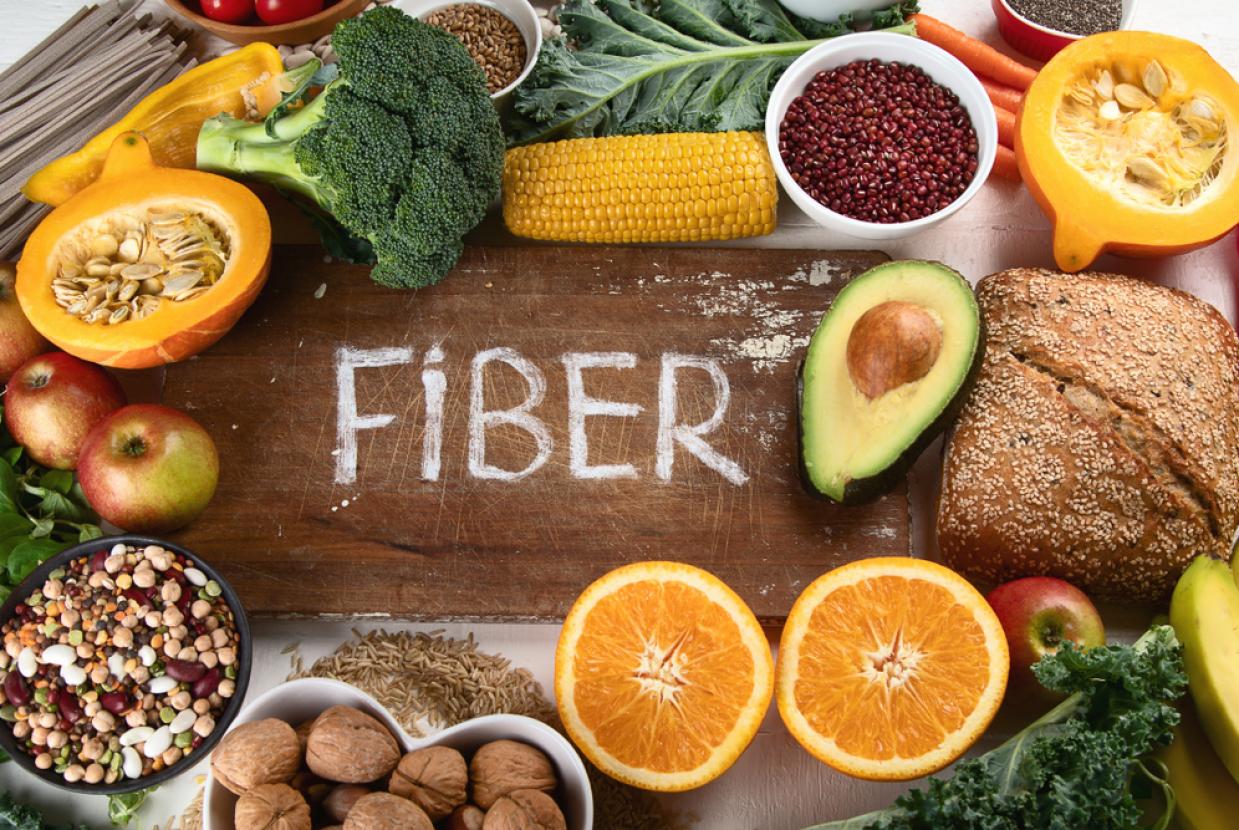
Anti-Cancer Diet
Nutrition plays a major role in supporting the body during cancer treatment.
These foods help fight oxidative stress and support immune function.
Stress Management
Chronic stress can weaken immune function and worsen overall health. Stress-reducing activities can be beneficial for people coping with lung cancer.
Examples include:
Meditation
Gentle yoga
Nature walks
Listening to music
Talking with supportive friends or counselors
Practices such as Mindfulness Meditation have been shown to help improve emotional well-being among cancer patients.
Important Medical Disclaimer
Natural remedies for lung cancer should never replace professional medical treatment. Lung cancer is a life-threatening condition that requires proper diagnosis and management by healthcare professionals.
Natural approaches are best viewed as complementary therapies that may help improve comfort, nutrition, and overall well-being while undergoing medical treatment.
Always consult a qualified healthcare provider before using herbal supplements or alternative treatments, especially during chemotherapy or radiation therapy.
Final Thoughts
Exploring natural remedies for lung cancer can be a helpful way to support the body during treatment and recovery. While these remedies cannot cure cancer, they may help improve immune function, reduce inflammation, ease symptoms, and promote overall wellness.
Combining medical treatment with healthy lifestyle habits, balanced nutrition, and supportive natural therapies often provides the best approach to managing lung cancer and improving quality of life.
Frequently Asked Questions (FAQs)
Can natural remedies cure lung cancer?
No. Natural remedies cannot cure lung cancer. Medical treatments such as surgery, chemotherapy, and radiation remain the primary treatments recommended by doctors.
What is the best natural drink for lung health?
Drinks such as green tea, ginger tea, and turmeric tea may support lung health due to their antioxidant and anti-inflammatory properties.
Is garlic good for lung cancer patients?
Garlic contains beneficial compounds that may support immune health and reduce inflammation, making it a useful addition to a balanced diet.
Can diet help lung cancer patients?
Yes. A nutrient-rich diet that includes fruits, vegetables, healthy fats, and lean proteins can support the body during treatment and recovery.
A graduate of Computer Science and Information Management Technology. Diploma – Caregiving, Certificates – Dementia and Diabetes Awareness and Management. A researcher, blogger, songwriter, singer and acoustic guitarist. Born in an environment where natural talents such as healing are imparted at our natural birth. This natural talents of healing is the result of our genetic inheritance and the training from family environment.
We use cookies on our website to give you the most relevant experience by remembering your preferences and repeat visits. By clicking “Accept All”, you consent to the use of ALL the cookies. However, you may visit "Cookie Settings" to provide a controlled consent.
This website uses cookies to improve your experience while you navigate through the website. Out of these, the cookies that are categorized as necessary are stored on your browser as they are essential for the working of basic functionalities of the website. We also use third-party cookies that help us analyze and understand how you use this website. These cookies will be stored in your browser only with your consent. You also have the option to opt-out of these cookies. But opting out of some of these cookies may affect your browsing experience.
Necessary cookies are absolutely essential for the website to function properly. These cookies ensure basic functionalities and security features of the website, anonymously.
Cookie
Duration
Description
cookielawinfo-checkbox-analytics
11 months
This cookie is set by GDPR Cookie Consent plugin. The cookie is used to store the user consent for the cookies in the category "Analytics".
cookielawinfo-checkbox-functional
11 months
The cookie is set by GDPR cookie consent to record the user consent for the cookies in the category "Functional".
cookielawinfo-checkbox-necessary
11 months
This cookie is set by GDPR Cookie Consent plugin. The cookies is used to store the user consent for the cookies in the category "Necessary".
cookielawinfo-checkbox-others
11 months
This cookie is set by GDPR Cookie Consent plugin. The cookie is used to store the user consent for the cookies in the category "Other.
cookielawinfo-checkbox-performance
11 months
This cookie is set by GDPR Cookie Consent plugin. The cookie is used to store the user consent for the cookies in the category "Performance".
viewed_cookie_policy
11 months
The cookie is set by the GDPR Cookie Consent plugin and is used to store whether or not user has consented to the use of cookies. It does not store any personal data.
Functional cookies help to perform certain functionalities like sharing the content of the website on social media platforms, collect feedbacks, and other third-party features.
Performance cookies are used to understand and analyze the key performance indexes of the website which helps in delivering a better user experience for the visitors.
Analytical cookies are used to understand how visitors interact with the website. These cookies help provide information on metrics the number of visitors, bounce rate, traffic source, etc.
Advertisement cookies are used to provide visitors with relevant ads and marketing campaigns. These cookies track visitors across websites and collect information to provide customized ads.