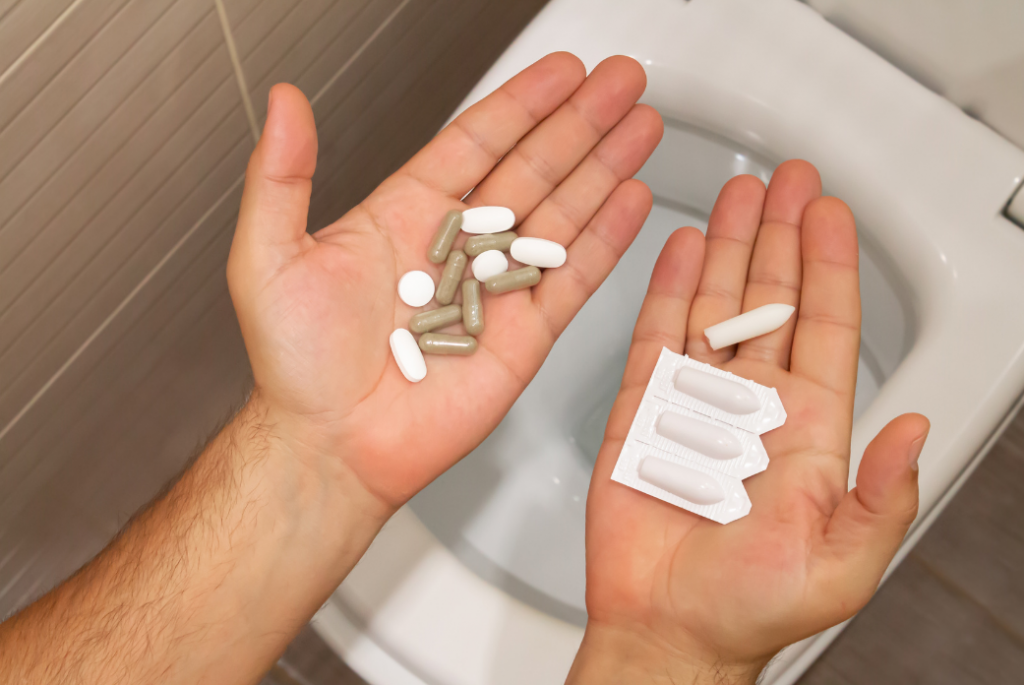
Discover the best over the counter constipation relief options, how they work, safety tips, and natural ways to support healthy digestion and regular bowel movements.
Constipation is one of the most uncomfortable digestive problems anyone can experience. When bowel movements become infrequent, painful, or difficult, it affects not only physical comfort but also mood, energy levels, and overall quality of life. Millions of people around the world rely on over the counter constipation relief products every year to regain normal digestion without needing a doctor’s prescription.
Whether you are dealing with occasional constipation from travel, dehydration, diet changes, pregnancy, medication use, or stress, understanding how constipation relief works can help you make the best and safest choice for your body.
This detailed guide explores the causes of constipation, the different types of over the counter constipation relief, how they work, when to use them, and how to combine them with natural lifestyle changes for long-term digestive health.
What Is Constipation?
Constipation occurs when bowel movements become less frequent than usual or when stool becomes hard, dry, and difficult to pass. While everyone’s digestive rhythm is different, having fewer than three bowel movements per week is commonly considered constipation.
Constipation is often a sign that the digestive system is under stress, not just a random inconvenience. When bowel movements slow down, waste sits in the colon longer, allowing more water to be absorbed from the stool. This is what makes stool dry, hard, and painful to pass. Addressing constipation early prevents this cycle from becoming chronic.
Many people rely on quick fixes, but the real foundation of healthy digestion is consistency. Eating at regular times trains the gut to move on schedule. Skipping meals or eating late at night can disrupt this natural rhythm and contribute to sluggish bowels.
Another overlooked factor is the gut microbiome. The bacteria in your intestines help break down fiber and produce substances that stimulate bowel movement. Diets high in processed foods and low in plant-based foods can reduce beneficial bacteria, making constipation more likely. Adding fermented foods like yogurt, kefir, sauerkraut, or probiotics can support better gut balance.
Stress also plays a powerful role. The digestive system is closely connected to the nervous system. When a person is anxious or under pressure, the gut can slow down or tighten up, making bowel movements difficult. Simple habits like deep breathing, walking, and good sleep can improve digestion just as much as dietary changes.
Long periods of sitting can reduce blood flow to the digestive organs and slow intestinal movement. Even light activity like stretching or a 10-minute walk after meals can significantly improve bowel regularity.
Certain foods naturally help stool move through the intestines. These include papaya, pears, apples with skin, oatmeal, flaxseed, chia seeds, beans, spinach, and sweet potatoes. These foods contain soluble and insoluble fiber that soften stool and add bulk, making it easier to pass.
Ignoring the urge to go is another common cause of long-term constipation. When the body signals the need for a bowel movement, delaying it teaches the colon to stop sending strong signals. Over time, this leads to infrequent and difficult bowel movements. Responding promptly to these signals helps maintain healthy bowel function.
Hydration deserves special attention. Even mild dehydration can cause stool to harden. A good rule is to drink enough water so that urine remains light in color. Warm beverages in the morning, like herbal tea or warm water, can also help trigger a bowel movement by stimulating the digestive system.
Finally, it’s important to recognize when constipation is more than a lifestyle issue. Persistent constipation, especially when combined with pain, bloating, blood in stool, or sudden weight loss, should always be checked by a healthcare professional. These signs may indicate an underlying condition that requires proper treatment.
Common symptoms include:
Straining during bowel movements
Hard or lumpy stool
A feeling that the bowel is not fully empty
Bloating and abdominal discomfort
Rectal pain
When constipation becomes uncomfortable or persistent, over the counter constipation relief products can provide fast and effective help.
Why Constipation Happens
Before using any constipation relief, it helps to understand what causes constipation in the first place.
Low Fiber Intake
Fiber helps bulk up stool and makes it easier to pass. Diets low in fruits, vegetables, whole grains, and legumes often lead to constipation.
Not Drinking Enough Water
Without enough fluid, stool becomes dry and hard. Dehydration is a major contributor to digestive sluggishness.
Lack of Physical Activity
Exercise stimulates bowel movements. Sitting for long periods can slow digestion.
Medication Side Effects
Many medications, including pain relievers, antidepressants, iron supplements, and blood pressure drugs, can cause constipation.
Ignoring the Urge to Go
Holding in stool allows it to harden and become more difficult to pass.
Stress and Travel
Changes in routine, sleep patterns, and diet can slow down bowel function.
When these factors lead to discomfort, over the counter constipation relief becomes a convenient solution.
What Is Over the Counter Constipation Relief?
Over the counter constipation relief refers to non-prescription products that help promote bowel movements. These products are widely available in pharmacies, supermarkets, and online stores.
They work in different ways, such as:
Softening stool
Increasing stool volume
Stimulating bowel contractions
Drawing water into the intestines
Choosing the right over the counter constipation relief depends on your symptoms, how quickly you need relief, and whether your constipation is occasional or chronic.
Main Types of Over the Counter Constipation Relief
There are several categories of over the counter constipation relief, each designed to work differently in the digestive system.
Fiber Supplements
Fiber supplements are one of the gentlest forms of constipation relief. They mimic the fiber found in food and help bulk up stool, making it easier to pass.
Common types include:
Psyllium
Methylcellulose
Inulin
Wheat dextrin
These products absorb water in the gut, creating softer and larger stools that stimulate bowel movement.
Best for:
People with mild constipationor those who need daily digestive support.
How long they take to work:
12 to 72 hours.
Stool Softeners
Stool softeners are another popular form of over the counter constipation relief. They help moisten stool by allowing water to mix with it, making it easier to pass without straining.
These are especially helpful for:
After surgery
During pregnancy
For people with hemorrhoids
They do not force a bowel movement but make it less painful.
How long they take to work:
12 to 48 hours.
Osmotic Laxatives
Osmotic laxatives are powerful constipation relief products that draw water into the intestines, softening stool and triggering bowel movement.
Examples include:
Polyethylene glycol
Magnesium citrate
Milk of magnesia
These are commonly used when constipation is more stubborn.
How long they take to work:
30 minutes to 6 hours.
Stimulant Laxatives
Stimulant laxatives are fast-acting over the counter constipation relief products. They work by stimulating the muscles of the intestines to contract and move stool forward.
Examples include:
Senna
Bisacodyl
These are usually taken at night for a bowel movement the next morning.
How long they take to work:
6 to 12 hours.
Lubricant Laxatives
These constipation relief products coat the stool, helping it move smoothly through the colon. Mineral oil is a common example.
They should be used carefully and not long-term.
How to Choose the Right Over the Counter Constipation Relief
Not all constipation is the same. Choosing the right over the counter constipation relief depends on:
How severe your constipation is
How quickly you need relief
Whether the issue is occasional or chronic
Your age and medical condition
For mild constipation, fiber supplements are often enough. For moderate discomfort, stool softeners or osmotic laxatives may help. For severe or painful constipation, stimulant laxatives may be used occasionally.
How to Use
Even though the products are easy to buy, they must be used properly.
Important safety tips:
Always follow the dosage on the label
Drink plenty of water
Do not mix different laxatives unless advised
Avoid daily stimulant laxative use
Stop use if you experience severe pain or bleeding
Long-term misuse can make your bowels dependent on laxatives.
Side Effects of Over the Counter Constipation Relief
While generally safe, over the counter constipation relief can sometimes cause:
Cramping
Gas
Bloating
Diarrhea
Electrolyte imbalance
These side effects are more likely if products are overused or taken incorrectly.
Natural Ways to Boost the Effect of Constipation Relief
To get the best results from over the counter constipation relief, combine it with healthy habits.
Eat More Fiber
Add fruits, vegetables, oats, beans, and whole grains to your diet.
Drink More Water
Hydration makes stool softer and easier to pass.
Exercise Regularly
Walking, stretching, and yoga stimulate digestion.
Establish a Bathroom Routine
Go at the same time every day to train your bowels.
When to See a Doctor
While over the counter constipation relief is effective for most people, you should seek medical care if:
Constipation lasts more than two weeks
There is blood in the stool
You have unexplained weight loss
You have severe abdominal pain
These could signal a more serious condition.
Over the Counter Constipation Relief for Special Groups
Pregnant Women
Stool softeners and fiber-based over the counter constipation relief are usually safest.
Older Adults
Gentle fiber and osmotic laxatives are preferred.
Children
Always consult a healthcare provider before using over the counter constipation relief.
Final Thoughts
Constipation can be frustrating, painful, and embarrassing, but it is also highly treatable. With the wide range of over the counter constipation relief products available today, most people can find safe and effective solutions that fit their needs.
From fiber supplements and stool softeners to osmotic and stimulant laxatives, these products help restore comfortable, regular bowel movements. When combined with healthy eating, hydration, and movement, over the counter constipation relief can support long-term digestive wellness and prevent future discomfort.
If constipation becomes frequent or severe, always seek medical advice. But for everyday digestive struggles, over the counter constipation relief remains one of the most reliable and accessible solutions available.
A graduate of Computer Science and Information Management Technology. Diploma – Caregiving, Certificates – Dementia and Diabetes Awareness and Management. A researcher, blogger, songwriter, singer and acoustic guitarist. Born in an environment where natural talents such as healing are imparted at our natural birth. This natural talents of healing is the result of our genetic inheritance and the training from family environment.
We use cookies on our website to give you the most relevant experience by remembering your preferences and repeat visits. By clicking “Accept All”, you consent to the use of ALL the cookies. However, you may visit "Cookie Settings" to provide a controlled consent.
This website uses cookies to improve your experience while you navigate through the website. Out of these, the cookies that are categorized as necessary are stored on your browser as they are essential for the working of basic functionalities of the website. We also use third-party cookies that help us analyze and understand how you use this website. These cookies will be stored in your browser only with your consent. You also have the option to opt-out of these cookies. But opting out of some of these cookies may affect your browsing experience.
Necessary cookies are absolutely essential for the website to function properly. These cookies ensure basic functionalities and security features of the website, anonymously.
Cookie
Duration
Description
cookielawinfo-checkbox-analytics
11 months
This cookie is set by GDPR Cookie Consent plugin. The cookie is used to store the user consent for the cookies in the category "Analytics".
cookielawinfo-checkbox-functional
11 months
The cookie is set by GDPR cookie consent to record the user consent for the cookies in the category "Functional".
cookielawinfo-checkbox-necessary
11 months
This cookie is set by GDPR Cookie Consent plugin. The cookies is used to store the user consent for the cookies in the category "Necessary".
cookielawinfo-checkbox-others
11 months
This cookie is set by GDPR Cookie Consent plugin. The cookie is used to store the user consent for the cookies in the category "Other.
cookielawinfo-checkbox-performance
11 months
This cookie is set by GDPR Cookie Consent plugin. The cookie is used to store the user consent for the cookies in the category "Performance".
viewed_cookie_policy
11 months
The cookie is set by the GDPR Cookie Consent plugin and is used to store whether or not user has consented to the use of cookies. It does not store any personal data.
Functional cookies help to perform certain functionalities like sharing the content of the website on social media platforms, collect feedbacks, and other third-party features.
Performance cookies are used to understand and analyze the key performance indexes of the website which helps in delivering a better user experience for the visitors.
Analytical cookies are used to understand how visitors interact with the website. These cookies help provide information on metrics the number of visitors, bounce rate, traffic source, etc.
Advertisement cookies are used to provide visitors with relevant ads and marketing campaigns. These cookies track visitors across websites and collect information to provide customized ads.