When it comes to improving health naturally, many people are turning to teas for weight loss and digestion as part of their daily routine. If you are looking for a safe, affordable, and enjoyable way to complement your health journey, exploring the best teas for weight loss and digestion can make a remarkable difference.
When it comes to natural remedies for better health, teas stand out as some of the most effective and widely used beverages in the world. Beyond their soothing aroma and comforting warmth, certain teas are scientifically proven to support weight control and aid digestion.
From boosting metabolism to relieving bloating, teas have long been valued for their healing powers. Whether you’re trying to shed a few pounds, manage cravings, or simply enjoy smoother digestion, there’s a tea to suit your needs.
This guide will cover everything: the types of teas that help with weight loss, the ones that aid digestion, how they work, the science behind them, and practical tips for daily use.
Why Choose Teas for Weight Loss and Digestion?
Weight gain and digestive problems often go hand in hand. Poor eating habits, stress, lack of exercise, and processed foods can lead to bloating, slow metabolism, fat accumulation, and gut imbalance. While there is no magic solution, teas for weight loss and digestion provide a natural way to address these issues simultaneously.
Top Teas for Weight Loss
Here’s why tea is a smart choice:
Boosts metabolism: Teas like green, oolong, and black contain caffeine and antioxidants that stimulate calorie burning.
Aids fat breakdown: Compounds such as catechins help the body oxidize stored fat more efficiently.
Reduces bloating: Herbal teas like peppermint, ginger, and fennel calm digestive muscles and ease discomfort.
Balances gut bacteria: Polyphenols in teas promote healthy microbes in the digestive system.
Manages appetite: Some teas help regulate hunger hormones, reducing unnecessary snacking.
Unlike pills and processed supplements, teas are natural, versatile, and can easily become part of your daily lifestyle.
Here’s the Teas
Let’s start with the teas that have been scientifically linked to weight control. These teas increase metabolism, support fat burning, and regulate appetite.
Green Tea
When people talk about teas for weight loss and digestion, the conversation often starts with green tea—and for good reason. This mildly bitter yet refreshing tea has been studied more extensively than any other variety, with many findings pointing toward its potential role in weight management and improved metabolism.
One long-term study found that individuals who drank two cups of green tea every day for more than 10 years had smaller waistlines and lower body fat percentages compared to those who didn’t drink it regularly.
Types-of-Tea-That-May-Help-With-Weight-Loss-
While this study only showed a connection rather than a direct cause-and-effect relationship, it highlights how green tea may be linked with healthier weight outcomes. It’s also important to note that this research relied on survey data, which leaves some margin for error.
The unique benefits of green tea as one of the most effective teas for weight loss and digestion come from the combination of EGCG (epigallocatechin gallate) and caffeine. These two compounds appear to work together to stimulate the nervous system, boost calorie burning, and promote fat oxidation.
According to experts, green tea is most effective when paired with 80 to 300 milligrams of caffeine per day, a range that seems to maximize its fat-burning potential.
What makes this blend of antioxidants and caffeine stand out is its effect on fat cells. In one study, taking 300 mg of EGCG daily for three days helped increase fat oxidation—the breakdown of fatty acids for energy. For perspective, this amount of EGCG is roughly equal to three cups of brewed green tea.
Another reason green tea is valued among the best teas for weight loss and digestion is its potential ability to block the development of new fat cells. Animal studies suggest that catechins in green tea reduce fat absorption and alter how the body processes fat, leading to less buildup over time.
That said, while these findings are promising, more comprehensive human studies are needed to confirm the full extent of green tea’s role in digestion and weight loss. Still, adding green teato your routine may support fat metabolism, provide antioxidants, and complement a balanced diet.
Green tea is one of the most researched teas for weight loss and digestion. It contains high levels of catechins, especially EGCG (epigallocatechin gallate), which work with caffeine to accelerate metabolism and fat oxidation.
How it helps with weight loss:
Speeds up calorie burning even at rest.
Enhances fat burning during physical activity.
Supports healthy insulin sensitivity.
Research shows that people who drink green tea regularly tend to lose more body fat compared to those who don’t.
Best time to drink: Morning or before workouts for an energy and fat-burning boost.
Oolong Tea
Oolong tea, a partially oxidized variety, strikes a balance in taste—richer and bolder than green tea, yet smoother and less intense than black tea. Its unique flavor profile is matched by its impressive health potential.
Oolong contains a blend of polyphenols, including catechins (commonly associated with green tea) and theaflavins (best known from black tea). Alongside its moderate caffeine content, this mix of antioxidants is thought to contribute to oolong’s possible role in supporting weight loss.
Oolong tea
Animal research offers some early evidence: one study found that oolong tea extract boosted fat burning in mice. Human studies also provide encouraging results, though more large-scale trials are still needed.
For instance, in one experiment, men without obesity who drank oolong tea at breakfast and lunch experienced a 20 percent increase in post-meal fat burning after just two weeks. Interestingly, a separate group consuming a caffeine-only beverage showed similar daytime effects, but unlike the oolong group, they did not experience increased fat burning while asleep. This suggests that oolong’s benefits extend beyond caffeine alone.
Further research has linked oolong tea consumption to direct weight loss outcomes. In one study, adults who were overweight or obese drank four cups of oolong tea per day. After six weeks, approximately 70 percent of participants with severe obesity (BMI above 35) lost more than 2.2 pounds, while 22 percent lost over 6 pounds. These results point to oolong’s potential influence on lipid metabolism and fat reduction.
Still, while the evidence is promising, experts like Koszyk emphasize that more comprehensive studies are necessary to fully understand oolong tea’s role in long-term weight management.
Oolong tea is a traditional Chinese tea that sits between green and black tea in oxidation level. Its unique mix of polyphenols enhances metabolism and fat burning while also regulating blood sugar.
Benefits:
Encourages belly fat reduction.
Helps control appetite.
Improves gut microbiota linked to weight management.
Tip: Drinking a cup before exercise can increase calorie burn.
Black Tea
Unlike green or white tea, black tea goes through a longer oxidation process after harvesting. During this stage, the leaves are exposed to oxygen, which deepens their color and intensifies their flavor, making black tea one of the boldest and most robust varieties available.
This extended oxidation also transforms its plant compounds, giving black tea a unique nutritional profile that supports its role among the best teas for weight loss and digestion.
black tea
While black tea does contain EGCG (a key antioxidant in green tea), it is particularly rich in theaflavins—a type of polyphenol created during oxidation. According to research reviews, these theaflavins may contribute to fat reduction, improved metabolism, and even better gut health.
Several studies highlight black tea’s potential as one of the more effective teas for weight loss and digestion. In one trial, men and women who consumed three cups of powdered black tea daily for three months experienced smaller waistlines and less overall weight gain compared to non-tea drinkers.
However, follow-up results at six months suggested that the effects may be short-term unless paired with long-term healthy lifestyle habits.
Experts suggest that black tea’s weight loss benefits may be linked to how its polyphenols work inside the body. They may help lower calorie intake, reduce the absorption of fats and carbohydrates, and promote healthier digestion. Additionally, black tea appears to influence gut microbiota in a way that supports metabolic health.
For example, a study on obese mice fed a high-fat, high-sugar diet found that those given black tea extract lost significant weight compared to a control group.
Interestingly, the black tea group also developed gut bacteria patterns linked with leanness, while reducing bacteria associated with obesity. While these findings are encouraging, scientists caution that more human studies are needed before drawing firm conclusions.
Still, adding black tea to your daily routine—whether enjoyed plain, hot, or iced—may provide a flavorful and metabolism-boosting option among teas for weight loss and digestion.
Black tea, with its strong flavor, is fermented to develop powerful antioxidantslike theaflavins. These compounds influence gut bacteria in a way that supports weight management.
Weight loss benefits:
Reduces waist circumference.
Balances gut bacteria for better metabolism.
Provides stable energy without the crash of coffee.
White Tea
A scientific review highlights that white tea undergoes the least amount of processing compared to other varieties, which explains its light and delicate flavor profile. Because it is minimally processed, white tea retains a higher concentration of powerful antioxidants, including anti-inflammatory compounds and the fat-burning catechin known as EGCG. These qualities make it a promising option for those looking to support weight management.
“White tea has been linked to promoting the breakdown of existing fat cells while also helping to block the creation of new ones, which suggests it may provide notable weight loss benefits,” explains Koszyk.
white tea in saucer
Supporting this idea, one laboratory study found that white tea extract was able to stimulate the breakdown of stored human fat and inhibit the development of new fat cells. Researchers attributed much of this activity to the presence of EGCG.
However, while test-tube findings are useful for guiding future studies, Koszyk cautions that these results cannot automatically be applied to humans. More clinical research involving people is necessary to confirm whether these benefits hold true outside of controlled laboratory settings.
White tea is minimally processed and has a delicate flavor. It contains concentrated catechins that may stop fat cells from forming while also breaking down existing ones.
Why it works:
Prevents new fat accumulation.
Light, refreshing taste makes it easy to consume daily.
Known for its tart, tangy flavor and deep red color, hibiscus tea is not only refreshing but also packed with health-promoting plant compounds. Made from the dried petals of the hibiscus flower, this tea contains antioxidants such as catechins, including EGCG, which are also found in green tea.
According to Retelny, hibiscus tea has been linked to improvements in blood pressureand cholesterol levels, making it a functional beverage that goes beyond taste. A review of animal and human studies suggests that hibiscus extract may help in managing hypertension and high cholesterol, though the authors caution that more research is needed before making firm medical recommendations.
hibiscus tea iced tea flowers
Hibiscus tea also stands out as one of the herbal teas for weight loss and digestion. In one 12-week study, overweight and obese adults who consumed hibiscus extract saw reductions in body weight, body mass index (BMI), body fat percentage, and hip-to-waist ratio compared with those in the control group.
Researchers credited these benefits to the unique plant compounds in hibiscus that may help regulate fat metabolism and support a healthier body composition.
Animal research has shown similar outcomes. For example, obese mice given hibiscus extract for 60 days experienced significant weight reduction.
While this is encouraging, experts emphasize that human studies of similar length and scope are still lacking. Additionally, most research so far has focused on hibiscus extract rather than brewed hibiscus tea, so more evidence is needed to confirm whether sipping the tea itself delivers the same benefits.
Despite the limitations, hibiscus tea remains a smart addition to a wellness routine. Not only is it caffeine-free, but it can also help with hydration, which plays a vital role in digestion and metabolism. As Koszyk points out, “There is no magic elixir for weight loss. Drinking tea can support hydration and metabolism, but for long-term results, it needs to be combined with balanced eating and regular physical activity.”
All in all, hibiscus tea may not be a standalone solution, but when paired with a healthy lifestyle, it can contribute to your weight management efforts while also supporting cardiovascular and digestive health. This makes it one of the most versatile teas for weight loss and digestion available.
Rooibos Tea
Rooibos is a caffeine-free herbal tea from South Africa. Its antioxidant aspalathin is linked to reduced stress hormones that trigger fat storage.
When to drink: Evening, since it’s caffeine-free and relaxing.
Teas for Digestion
Digestive discomfort like bloating, gas, and indigestion can make weight management harder. Luckily, several teas are excellent for soothing the gut and supporting healthy digestion.
Ginger Tea
Ginger tea,brewed from fresh or dried ginger root, has long been valued for its digestive benefits. Its active compound, gingerol, helps stimulate the movement of food through the digestive tract, making it effective against indigestion, bloating, and nausea.
Ginger tea is also naturally anti-inflammatory, which can ease stomach discomfort and cramping. From a weight loss perspective, ginger tea may help boost metabolism, suppress appetite, and promote fat breakdown, making it one of the most reliable teas for weight loss and digestion.
Ginger tea is one of the best teas for weight loss and digestion thanks to its ability to stimulate digestive juices and enzymes.
Digestive benefits:
Relieves nausea and indigestion.
Speeds up gastric emptying.
Reduces bloating and inflammation.
Best time to drink: After meals or in the morning to kick-start digestion.
Peppermint Tea
Peppermint tea is another herbal powerhouse, widely known for its cooling and calming effects on the stomach. The natural oils in peppermint act as muscle relaxants, soothing the gastrointestinal tract and easing symptoms of bloating, gas, and irritable bowel syndrome (IBS).
While it doesn’t directly burn fat, peppermint tea supports digestion by helping food move smoothly through the system. This indirect effect makes it an excellent option to pair with meals, and a refreshing, caffeine-free choice among teas for weight loss and digestion.
Peppermint tea relaxes the smooth muscles of the gastrointestinal tract, making it ideal for bloating and gas relief.
Benefits:
Calms stomach cramps.
Eases IBS symptoms.
Freshens breath while aiding digestion.
Fennel Tea
Fennel tea, made from fennel seeds, is rich in the compound anethole, which helps relax digestive muscles, reduce bloating, and relieve gas. It’s also traditionally used to ease constipation and improve nutrient absorption.
Because fennel is naturally high in fiber, it promotes satiety, helping to curb overeating and snacking. This makes fennel tea a unique herbal remedy that not only aids smooth digestion but also plays a supportive role in weight control, earning it a spot among the most effective teas for weight loss and digestion.
Fennel seeds are packed with compounds like anethole, which relax digestive muscles and reduce discomfort.
Why fennel tea helps:
Prevents bloating and gas.
Acts as a mild laxative.
Supports gut motility.
Dandelion Tea
Dandelion teamay surprise some, but this bitter herbal infusion offers multiple health perks. It works as a natural diuretic, helping the body shed excess water weight and reduce bloating. Dandelion tea also supports liver function and promotes bile flow, both of which are key for efficient digestion.
While it doesn’t directly melt fat, it helps the digestive system work more effectively and prevents water retention that can mask fat loss. These qualities position dandelion tea as a valuable choice in the world of teas for weight loss and digestion.
Dandelion tea works as a natural diuretic and liver-supportive tea.
Digestive and detox benefits:
Reduces water retention and puffiness.
Improves bile flow for better fat digestion.
Cleanses the liver naturally.
How to Incorporate Teas into Your Lifestyle
To make the most of teas for weight loss and digestion, consistency is key. Here’s how to seamlessly add them into your day:
Morning: Green or oolong tea to boost metabolism.
After meals: Ginger, fennel, or peppermint to ease digestion.
Evening: Rooibos or dandelion to relax and detox.
Practical Tips
Drink teas unsweetened or with a squeeze of lemon.
Aim for 2–4 cups daily, spaced throughout the day.
Combine tea drinking with balanced meals and regular exercise.
Simple Tea Recipes for Weight Loss and Digestion
Ginger-Lemon Tea
1 tsp grated ginger
1 slice of lemon
1 cup hot water
Steep for 5 minutes and enjoy after meals.
Green Tea with Mint
1 tsp green tea leaves
A few fresh mint leaves
Steep for 3 minutes and drink before workouts.
Fennel-Peppermint Blend
1 tsp fennel seeds
1 tsp dried peppermint leaves
Boil in 2 cups water for 5–7 minutes. Perfect for bloating.
Rooibos Cinnamon Tea
1 tsp rooibos tea
1 cinnamon stick
Steep for 7 minutes for a calming evening tea.
Frequently Asked Questions (FAQs)
How many cups of tea should I drink for weight loss and digestion?
Most people benefit from 2–4 cups per day, depending on caffeine tolerance.
Can I drink teas for weight loss and digestion at night?
Yes, but choose caffeine-free options like rooibos, ginger, or dandelion in the evening.
Do teas replace exercise?
No. They complement a healthy lifestyle but should be paired with physical activity.
Can I add honey?
Yes, in moderation, though unsweetened is best for weight management.
Final Note on Safety
While teas offer powerful benefits, they are not miracle cures. Drinking tea without a balanced diet, hydration, and exercise will not produce lasting results. Also, some teas may interact with medications—so consult a doctor if you have health conditions.
Conclusion
Exploring teas for weight loss and digestion is one of the most enjoyable and effective ways to support your health naturally. Green tea, oolong, black, white, and rooibos can help with metabolism and fat burning, while ginger, peppermint, fennel, and dandelion work wonders for bloating and digestive comfort.
The key lies in consistency—making tea a part of your morning routine, your post-meal ritual, or your evening wind-down. Over time, you’ll notice not just improvements in weight management and digestion but also overall wellness.
So, the next time you reach for a cup, remember: you’re not only sipping on warmth and comfort—you’re giving your body a gentle but powerful boost toward better health.
A graduate of Computer Science and Information Management Technology. Diploma – Caregiving, Certificates – Dementia and Diabetes Awareness and Management. A researcher, blogger, songwriter, singer and acoustic guitarist. Born in an environment where natural talents such as healing are imparted at our natural birth. This natural talents of healing is the result of our genetic inheritance and the training from family environment.
We use cookies on our website to give you the most relevant experience by remembering your preferences and repeat visits. By clicking “Accept All”, you consent to the use of ALL the cookies. However, you may visit "Cookie Settings" to provide a controlled consent.
This website uses cookies to improve your experience while you navigate through the website. Out of these, the cookies that are categorized as necessary are stored on your browser as they are essential for the working of basic functionalities of the website. We also use third-party cookies that help us analyze and understand how you use this website. These cookies will be stored in your browser only with your consent. You also have the option to opt-out of these cookies. But opting out of some of these cookies may affect your browsing experience.
Necessary cookies are absolutely essential for the website to function properly. These cookies ensure basic functionalities and security features of the website, anonymously.
Cookie
Duration
Description
cookielawinfo-checkbox-analytics
11 months
This cookie is set by GDPR Cookie Consent plugin. The cookie is used to store the user consent for the cookies in the category "Analytics".
cookielawinfo-checkbox-functional
11 months
The cookie is set by GDPR cookie consent to record the user consent for the cookies in the category "Functional".
cookielawinfo-checkbox-necessary
11 months
This cookie is set by GDPR Cookie Consent plugin. The cookies is used to store the user consent for the cookies in the category "Necessary".
cookielawinfo-checkbox-others
11 months
This cookie is set by GDPR Cookie Consent plugin. The cookie is used to store the user consent for the cookies in the category "Other.
cookielawinfo-checkbox-performance
11 months
This cookie is set by GDPR Cookie Consent plugin. The cookie is used to store the user consent for the cookies in the category "Performance".
viewed_cookie_policy
11 months
The cookie is set by the GDPR Cookie Consent plugin and is used to store whether or not user has consented to the use of cookies. It does not store any personal data.
Functional cookies help to perform certain functionalities like sharing the content of the website on social media platforms, collect feedbacks, and other third-party features.
Performance cookies are used to understand and analyze the key performance indexes of the website which helps in delivering a better user experience for the visitors.
Analytical cookies are used to understand how visitors interact with the website. These cookies help provide information on metrics the number of visitors, bounce rate, traffic source, etc.
Advertisement cookies are used to provide visitors with relevant ads and marketing campaigns. These cookies track visitors across websites and collect information to provide customized ads.









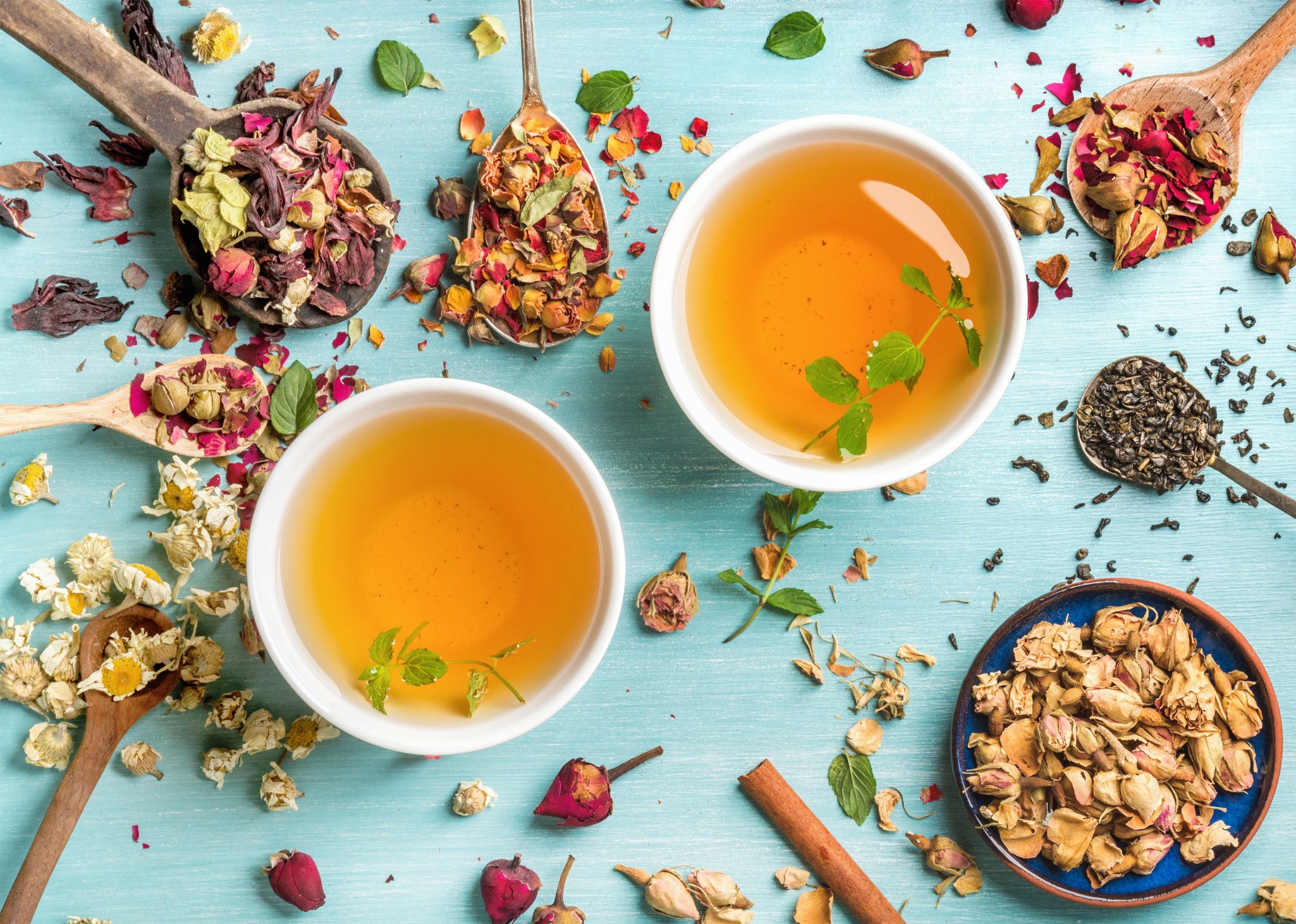
:max_bytes(150000):strip_icc()/TeasForWeightLoss-26f590c3f51a42d3a6f728c25fe7d738.jpg)