In recent years, there has been a growing interest in the natural ways of enhancing mental health, particularly in improving mood and managing stress. Among various natural remedies, mushrooms have emerged as a fascinating and promising option.
Beyond their culinary uses, certain species of mushrooms have been studied for their potential to positively influence brain chemistry and emotional well-being.
This article explores the role of mushrooms in improving mood and stress, the science behind their effects, and how the resurgence of interest in fungi, including the controlled use of substances such as those cultivated with magic mushroom grow kits, is shaping the future of mental health treatment.
Understanding Mood and Stress
Before diving into how mushrooms affect mood and stress, it is crucial to understand these two psychological states.
Mood refers to a sustained emotional state that can range from happiness and calm to sadness and irritability. A stable, positive mood is essential for overall well-being and productivity.
Stress is a physiological and psychological response to perceived challenges or threats. While acute stress can sometimes be motivating, chronic stress leads to negative health outcomes, including anxiety, depression, and impaired cognitive function.
Modern life, with its constant demands and rapid pace, contributes significantly to heightened stress levels and mood disorders. Consequently, researchers and wellness enthusiasts alike have been seeking natural compounds that can help regulate mood and alleviate stress without the side effects associated with conventional medications.
Mushrooms: More Than Just Food
Mushrooms have been valued for centuries not only as food but also for their medicinal properties. Traditional cultures in Asia, Europe, and the Americas have long used mushrooms to boost immunity, enhance vitality, and promote longevity.
More recently, scientific studies have confirmed that certain mushrooms contain bioactive compounds that affect the nervous system. These compounds may influence neurotransmitters—chemicals in the brain that regulate mood, cognition, and emotional responses.
Key Mushrooms Linked to Mood and Stress Relief
Reishi (Ganoderma lucidum) Often called the “mushroom of immortality,” reishi has been used in traditional Chinese medicine for its calming effects. Reishi is an adaptogen, meaning it helps the body adapt to stress and promotes balance. It has been found to reduce anxiety and promote relaxation by modulating cortisol levels, the hormone responsible for the stress response.
Lion’s Mane (Hericium erinaceus) Lion’s Mane is famed for its cognitive and neuroprotective benefits. It promotes the synthesis of nerve growth factor (NGF), which supports brain plasticity and regeneration. Users often report improved mood, reduced anxiety, and enhanced focus. Its neurotrophic effects make it a candidate for addressing depression and anxiety symptoms.
Cordyceps Known for boosting energy and stamina, cordyceps also has stress-mitigating properties. It improves oxygen utilization and reduces fatigue, indirectly supporting a balanced mood by enhancing physical resilience.
Psilocybin Mushrooms (Magic Mushrooms) These are the most studied in recent years for their potent effects on mood and stress. Psilocybin, the psychoactive compound in these mushrooms, has shown remarkable efficacy in clinical trials for treating depression, anxiety, PTSD, and existential distress in terminally ill patients.
How Mushrooms Improve Mood and Reduce Stress
Neurochemical Effects
Many medicinal mushrooms affect brain chemistry by interacting with neurotransmitters like serotonin, dopamine, and gamma-aminobutyric acid (GABA).
Serotonin: Often called the “feel-good” neurotransmitter, serotonin regulates mood, anxiety, and happiness. Psilocybin in magic mushrooms acts on serotonin receptors, particularly the 5-HT2A receptor, leading to altered consciousness and emotional release. This can result in profound mood improvements and reduced depressive symptoms.
Dopamine: Dopamine influences reward, motivation, and pleasure. Some mushrooms can modulate dopamine levels, which can help alleviate anhedonia (loss of pleasure), common in depression.
GABA: This neurotransmitter has an inhibitory effect on the nervous system, promoting calmness and reducing anxiety. Mushrooms like reishi may enhance GABA activity, aiding relaxation.
Adaptogenic Properties
Adaptogens are natural substances that help the body resist stressors of all kinds. Reishi and cordyceps are notable adaptogens that help normalize bodily functions disrupted by stress. By balancing cortisol and other stress hormones, these mushrooms can mitigate the physical and psychological effects of chronic stress.
Neurogenesis and Brain Plasticity
Lion’s Mane mushroom promotes neurogenesis—the growth of new neurons—and supports synaptic plasticity, which is the brain’s ability to rewire itself. This process is critical for recovery from mood disorders like depression, where neuronal connections can be impaired.
Anti-Inflammatory and Antioxidant Effects
Chronic inflammation and oxidative stress in the brain are linked to depression and anxiety. Many medicinal mushrooms contain powerful antioxidants and anti-inflammatory compounds that protect brain cells and promote mental health.
Clinical Evidence and Research Highlights
Psilocybin and Depression
One of the most groundbreaking advances in psychiatry has come from psilocybin research. Clinical trials at institutions like Johns Hopkins and Imperial College London have demonstrated that psilocybin-assisted therapy can provide significant and lasting relief from treatment-resistant depression.
Participants often experience profound emotional breakthroughs and shifts in perspective after guided sessions with psilocybin. These effects persist long after the substance has cleared from the body, suggesting a lasting reorganization of brain networks involved in mood regulation.
Reishi and Anxiety
Studies have shown that reishi extracts can reduce anxiety symptoms and improve sleep quality. A randomized controlled trial found that reishi supplementation decreased symptoms of anxiety and enhanced overall quality of life in participants experiencing stress-related disorders.
Lion’s Mane and Cognitive Health
Research published in journals like “Biomedical Research” has highlighted Lion’s Mane’s ability to improve mild cognitive impairment and alleviate depression-like symptoms in animal models. Human studies also show promise, with participants reporting reduced anxiety and improved concentration after regular use.
The Rise of Magic Mushroom Grow Kits
While some mushrooms are easily available in supplement form, the interest in psilocybin mushrooms has led to a burgeoning market for magic mushroom grow kits. These kits allow controlled and legal cultivation of psychedelic mushrooms in areas where permitted.
Why is this relevant to mood and stress? The therapeutic benefits of psilocybin depend not only on the substance but also on the setting and intent behind its use.
Controlled home growing can help users ensure quality and safety while exploring microdosing—a practice involving taking sub-perceptual amounts of psilocybin to improve mood, creativity, and reduce anxiety.
The availability of grow kits reflects a shift towards more personalized, natural approaches to mental health, enabling users to take an active role in their well-being under safe conditions.
Practical Ways to Incorporate Mushrooms for Mood and Stress
Supplements and Extracts
Reishi, Lion’s Mane, and Cordyceps supplements are widely available as powders, capsules, or tinctures. Regular consumption as part of a wellness routine can support stress resilience and mood stabilization.
Culinary Uses
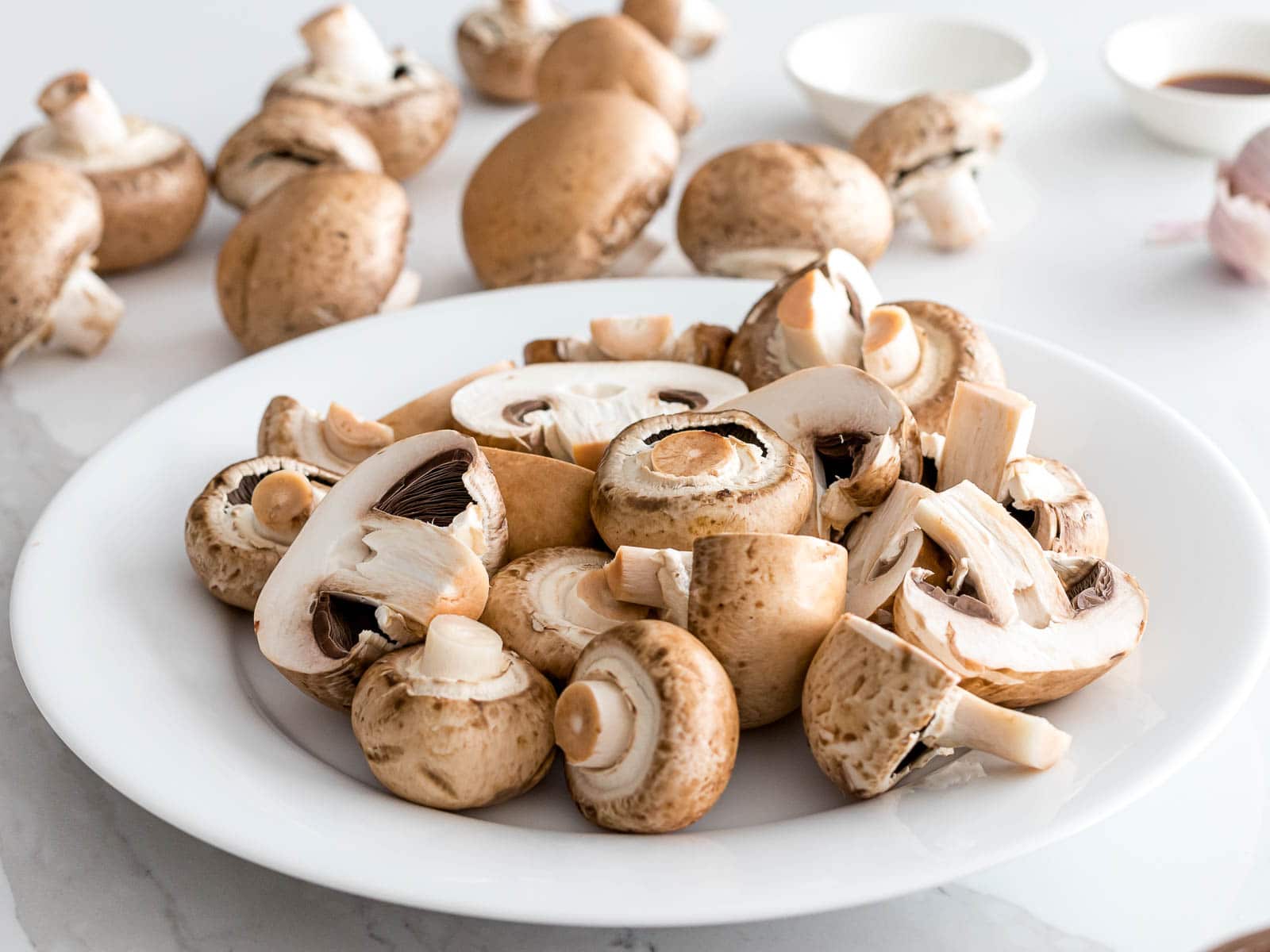
Incorporating edible mushrooms like Lion’s Mane into meals can be a delicious way to enjoy their benefits. They can be cooked in soups, stir-fries, or teas.
Psychedelic Therapy and Microdosing
In places where it is legal or decriminalized, guided psilocybin therapy offers profound potential for mental health treatment. Microdosing psilocybin mushrooms—taking very low doses—has gained popularity as a way to subtly improve mood and reduce anxiety. Here, magic mushroom grow kits become relevant for those seeking a reliable source to cultivate their own.
Mindfulness and Meditation with Mushroom Supplements
Combining adaptogenic mushrooms with mindfulness practices can amplify stress reduction and mood enhancement by promoting relaxation and mental clarity.
Safety Considerations
While many medicinal mushrooms are safe for regular use, psilocybin mushrooms should be approached cautiously and ideally under professional supervision. They can induce intense psychological experiences and are not suitable for everyone, especially those with a history of psychosis or certain psychiatric conditions.
Always consult with a healthcare provider before starting any new supplement or therapy, especially if you have existing health issues or are taking medications.
Conclusion:
The role of mushrooms in improving mood and managing stress is supported by both ancient wisdom and modern science. From adaptogenic varieties like reishi and cordyceps that calm the nervous system to Lion’s Mane that nurtures brain health, mushrooms offer a holistic approach to emotional well-being.
The resurgence of psilocybin mushrooms, facilitated by innovations such as magic mushroom grow kits, opens new frontiers for treating mood disorders and stress-related conditions with natural substances. As research continues and legal landscapes evolve, mushrooms are poised to become a cornerstone in the future of mental health therapies.
Whether you’re looking to boost your resilience to stress, lift your mood naturally, or explore cutting-edge psychedelic treatments, mushrooms present a versatile and promising path. Embracing the power of fungi might just be the key to a healthier, more balanced mind.
A graduate of Computer Science and Information Management Technology. Diploma – Caregiving, Certificates – Dementia and Diabetes Awareness and Management. A researcher, blogger, songwriter, singer and acoustic guitarist. Born in an environment where natural talents such as healing are imparted at our natural birth. This natural talents of healing is the result of our genetic inheritance and the training from family environment.
We use cookies on our website to give you the most relevant experience by remembering your preferences and repeat visits. By clicking “Accept All”, you consent to the use of ALL the cookies. However, you may visit "Cookie Settings" to provide a controlled consent.
This website uses cookies to improve your experience while you navigate through the website. Out of these, the cookies that are categorized as necessary are stored on your browser as they are essential for the working of basic functionalities of the website. We also use third-party cookies that help us analyze and understand how you use this website. These cookies will be stored in your browser only with your consent. You also have the option to opt-out of these cookies. But opting out of some of these cookies may affect your browsing experience.
Necessary cookies are absolutely essential for the website to function properly. These cookies ensure basic functionalities and security features of the website, anonymously.
Cookie
Duration
Description
cookielawinfo-checkbox-analytics
11 months
This cookie is set by GDPR Cookie Consent plugin. The cookie is used to store the user consent for the cookies in the category "Analytics".
cookielawinfo-checkbox-functional
11 months
The cookie is set by GDPR cookie consent to record the user consent for the cookies in the category "Functional".
cookielawinfo-checkbox-necessary
11 months
This cookie is set by GDPR Cookie Consent plugin. The cookies is used to store the user consent for the cookies in the category "Necessary".
cookielawinfo-checkbox-others
11 months
This cookie is set by GDPR Cookie Consent plugin. The cookie is used to store the user consent for the cookies in the category "Other.
cookielawinfo-checkbox-performance
11 months
This cookie is set by GDPR Cookie Consent plugin. The cookie is used to store the user consent for the cookies in the category "Performance".
viewed_cookie_policy
11 months
The cookie is set by the GDPR Cookie Consent plugin and is used to store whether or not user has consented to the use of cookies. It does not store any personal data.
Functional cookies help to perform certain functionalities like sharing the content of the website on social media platforms, collect feedbacks, and other third-party features.
Performance cookies are used to understand and analyze the key performance indexes of the website which helps in delivering a better user experience for the visitors.
Analytical cookies are used to understand how visitors interact with the website. These cookies help provide information on metrics the number of visitors, bounce rate, traffic source, etc.
Advertisement cookies are used to provide visitors with relevant ads and marketing campaigns. These cookies track visitors across websites and collect information to provide customized ads.