UTI Treatment: Combining Antibiotics with Effective Home Remedies
Treating a urinary tract infection (UTI – UTI Treatment) usually involves a combination of medical prescriptions and supportive home care. The most common and effective form of UTI treatment is the use of antibiotics prescribed by a healthcare professional.
Medications such as ciprofloxacin, fosfomycin, and other similar antibiotics are often recommended. These drugs help fight off the harmful bacteria—especially Escherichia coli (E. coli)—which is responsible for the majority of UTI cases. They work by directly targeting and eliminating the bacteria from the urinary system.
In addition to antibiotic treatment, several home remedies can be helpful in easing symptoms and supporting the healing process. One of the most well-known natural options is cranberry juice, which is believed to contain compounds that prevent bacteria from sticking to the bladder walls. While cranberry juice may not cure an infection on its own, it can be useful in the early stages of a UTI or when used alongside prescribed medication.
Furthermore, lifestyle habits play a crucial role in effective UTI treatment and prevention. Drinking plenty of water throughout the day helps flush bacteria from the urinary tract. Practicing good personal hygiene, especially around the genital area, can prevent the spread or recurrence of infection.
This includes wiping from front to back, avoiding harsh soaps or scented products, and urinating before and after sexual activity.
By combining medical treatment with supportive home remedies and proper hygiene habits, recovery from a UTI can be faster and the risk of future infections significantly reduced. Always consult with a healthcare provider before starting any treatment plan, especially if symptoms persist or worsen.
What Is a UTI?
A UTI, or urinary tract infection, is an infection in any part of the urinary system. This system includes:
Kidneys
Ureters (tubes that connect kidneys to the bladder)
Bladder
Urethra (the tube where urine exits the body)
Most UTIs affect the lower urinary tract — the bladder and urethra — but more serious infections can reach the kidneys. UTI treatment becomes more urgent if the infection spreads or is left untreated.
Common Symptoms of a UTI
Knowing the signs of a UTI helps you seek UTI treatment as early as possible. Common symptoms include:
Pain or burning during urination
Frequent need to urinate, even when the bladder is empty
Cloudy or strong-smelling urine
Blood in the urine (pink or red color)
Pressure or cramps in the lower abdomen or back
Tiredness or weakness
Low-grade fever or chills (especially if the infection has reached the kidneys)
If you experience these symptoms, it is important to speak with a doctor and begin UTI treatment immediately to avoid serious health risks.
Causes of UTIs
UTIs are caused by bacteria entering the urinary tract. The most common bacteria is Escherichia coli (E. coli), which normally lives in the intestines. UTIs can happen for several reasons:
Poor hygiene practices
Wiping from back to front after using the toilet
Sexual activity (especially without urinating afterward)
Holding urine for too long
Not drinking enough water
Using irritating feminine products
Wearing tight or unbreathable underwear
Blockages in the urinary tract (like kidney stones)
UTI treatment usually begins by identifying what may have caused the infection, so you can avoid it in the future.
List of Recommended Medications for UTI Treatment
Effective UTI treatment usually involves the use of medications to kill the infection and ease the uncomfortable symptoms that come with it. The two main types of medicines used are antibiotics, which target and kill the bacteria causing the infection, and pain relievers (analgesics), which help to reduce symptoms like burning and abdominal discomfort, especially in the early days of treatment.
Antibiotics
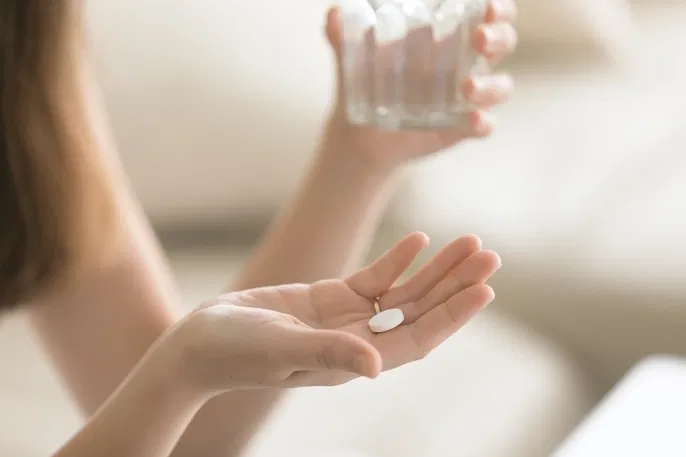
Antibiotics are the most important part of UTI treatment. However, they should only be used when prescribed by a doctor, after proper diagnosis. These medicines are chosen based on the type of bacteria causing the infection and the patient’s medical history.
Some of the most commonly prescribed antibiotics for UTI treatment include:
Fosfomycin
Ciprofloxacin
Levofloxacin
Cephalexin
Amoxicillin
Ceftriaxone
Azithromycin
Doxycycline
These antibiotics are usually prescribed for 7 to 14 days, depending on the severity of the infection. It’s very important to take the medicine exactly as instructed and to complete the full course, even if symptoms improve after a few days. Stopping antibiotics too early can allow bacteria—like E. coli, the most common cause of UTIs—to survive and cause the infection to return.
In children over 2 months old, doctors may prescribe different types of antibiotics, such as:
Amoxicillin with clavulanic acid
Sulfamethoxazole with trimethoprim
These options are used based on the child’s age, weight, and the seriousness of the infection.
Following the right UTI treatment plan with the proper antibiotics helps ensure the infection is fully cured and lowers the chance of it coming back. Always speak with your doctor if you’re unsure about how or when to take your medications.
Analgesics (Pain Relievers)
When dealing with the discomfort of a urinary tract infection, UTI treatment doesn’t just involve killing the bacteria—it also includes managing the symptoms. That’s where analgesics, or pain relievers, come in. These medications help ease the burning, cramping, and general pain that often accompany UTIs.
One commonly prescribed medication is phenazopyridine. This drug works by calming the bladder and urethra, helping to reduce spasms and relieve the pain or burning sensation when urinating. It’s especially helpful in the first few days of UTI treatment, when symptoms tend to be the most intense.
In addition to phenazopyridine, doctors may also recommend over-the-counter pain relievers such as:
Acetaminophen (paracetamol) – for mild to moderate pain and fever
These medications can make it easier to go about your day while waiting for the antibiotics to take full effect.
Choosing the Best Antibiotic for UTI Treatment
While there are several antibiotics available for UTI treatment, the most effective one depends on a few important factors. These include:
The type of bacteria causing the infection
The severity of the infection
The patient’s age and overall health
Any allergies or resistance to certain medications
Because of these variables, the best antibiotic for UTI treatment is not the same for everyone. To find the right one, a doctor may request a urine test to identify the specific bacteria involved. With this information, the doctor can prescribe the most suitable medication.
It’s important to never self-medicate or use leftover antibiotics, as using the wrong medication—or stopping too early—can make the infection worse or cause it to return. Always follow your doctor’s instructions carefully during UTI treatment to ensure a full recovery.
Natural Options for UTI Treatment
In addition to medications, some natural remedies can be helpful in managing urinary tract infections. A popular natural option for UTI treatment is the use of cranberries. Whether consumed fresh, as an unsweetened juice, or in capsule form, cranberries contain high levels of a compound called proanthocyanidins.
These compounds prevent E. Coli—the most common cause of UTIs—from sticking to the walls of the urinary tract, which helps reduce the risk of infection and supports healing.
Cranberries can be used both as part of UTI treatment and as a preventive measure. Many people who are prone to UTIs add cranberry juice or supplements to their daily routine to reduce the chance of recurrence.
Another essential natural strategy for effective UTI treatment is staying well-hydrated. Drinking plenty of fluids helps flush out bacteria from the urinary system. Health experts recommend drinking at least 2 liters (about half a gallon) of water every day to maintain proper urinary tract health.
In fact, studies suggest that about 70% of UTIs can be prevented simply by ensuring good hydration habits.
If you are waiting to see a doctor or starting prescribed treatment, there are herbal teas you can try at home to ease discomfort and support your recovery. These teas may have diuretic, anti-inflammatory, and soothing properties that make them valuable additions to your UTI treatment plan.
Up next, we’ll look at some easy-to-make tea recipes that can naturally help in treating UTIs and enhancing your healing process.
UTI Treatment During Pregnancy
UTI treatment during pregnancy requires special care to ensure both the mother’s and baby’s safety. When a urinary tract infection occurs during this delicate period, doctors—particularly obstetricians (OBs)—usually prescribe antibiotics that are proven to be safe for pregnant women.
The most commonly recommended antibiotics include amoxicillin and cephalexin, both of which are considered safe for use in all trimesters of pregnancy.
Because untreated UTIs can lead to more serious infections, such as kidney infections or complications like preterm labor, it’s important for pregnant women to start UTI treatment as soon as possible. In addition to medication, increasing fluid intake plays a key role.
Drinking more water helps to flush harmful bacteria from the urinary tract, speeding up recovery and lowering the risk of the infection worsening or spreading.
Pregnant womenundergoing UTI treatment should also pay attention to their diets. Certain foods can irritate the bladder or promote inflammation, which can make symptoms worse or delay healing. It is advisable to avoid spicy foods, caffeinated beverages, and sugary drinks while recovering. Choosing bladder-friendly foods like plain yogurt, fruits high in vitamin C, and whole grains can help support the immune system during UTI treatment.
Overall, early diagnosis and carefully supervised UTI treatment are essential during pregnancy to prevent complications and ensure a healthy pregnancy outcome.
Foods That Help During UTI Treatment
Eating certain foods can also help speed up your recovery. Consider adding these to your diet:
Garlic– Contains allicin, a natural antibacterial compound
Avoid sugary foods, processed meats, and carbonated drinks while undergoing UTI treatment, as these may promote bacterial growth.
How Long Does UTI Treatment Take?
With proper antibiotic treatment, most simple UTIs improve within 3 to 5 days. However, symptoms like frequent urination or mild pain might last for a few more days. Always follow your doctor’s instructions and finish your medication.
For complicated or recurring UTIs, UTI treatment may last 7 to 14 days or longer, and further tests may be needed.
UTI Treatment at Home: Do’s and Don’ts
Here are some simple guidelines for managing a UTI at home:
✅ Do:
Take your medicine exactly as prescribed
Drink lots of fluids
Rest as much as possible
Eat light and healthy meals
Use a heating pad on your lower belly for cramps
❌ Don’t:
Skip your antibiotic dose
Try to treat serious symptoms without a doctor
Drink alcohol or caffeine
Hold your urine when you feel the urge
Wear tight pants or synthetic underwear
These home care tips can help support your UTI treatment and make recovery easier.
When to See a Doctor
Although many UTIs are mild, it’s very important to see a doctor if:
You have severe pain or fever
There is blood in your urine
Symptoms last more than 3 days
You are pregnant
You get frequent UTIs (more than 3 a year)
You have other health conditions like diabetes or kidney problems
Delaying UTI treatment can lead to more serious infections like kidney infectionsor sepsis.
Preventing UTIs in the Future
After completing UTI treatment, you can reduce your chances of getting another one with these simple tips:
Wipe from front to back after using the toilet
Urinate before and after sex
Avoid using scented feminine hygiene products
Don’t hold in urine
Wear cotton underwear and avoid tight pants
Stay hydrated
Take showers instead of baths
Talk to your doctor if UTIs keep coming back
Some women who get frequent UTIs may be prescribed a low-dose antibiotic for a few months, or advised to take a single dose after sex.
Final Thoughts
UTIs are painful and annoying, but the good news is they’re highly treatable. With early detection, proper antibiotics, and helpful home remedies like parsley tea and probiotics, most people recover quickly.
Always speak with your doctor if you think you have a UTI. Starting UTI treatment early helps prevent bigger health problems and makes recovery faster. Remember to take care of your body, drink plenty of water, and keep good hygiene habits.
By learning about UTI treatment and prevention, you’re taking a powerful step toward better health and comfort.
A graduate of Computer Science and Information Management Technology. Diploma – Caregiving, Certificates – Dementia and Diabetes Awareness and Management. A researcher, blogger, songwriter, singer and acoustic guitarist. Born in an environment where natural talents such as healing are imparted at our natural birth. This natural talents of healing is the result of our genetic inheritance and the training from family environment.
We use cookies on our website to give you the most relevant experience by remembering your preferences and repeat visits. By clicking “Accept All”, you consent to the use of ALL the cookies. However, you may visit "Cookie Settings" to provide a controlled consent.
This website uses cookies to improve your experience while you navigate through the website. Out of these, the cookies that are categorized as necessary are stored on your browser as they are essential for the working of basic functionalities of the website. We also use third-party cookies that help us analyze and understand how you use this website. These cookies will be stored in your browser only with your consent. You also have the option to opt-out of these cookies. But opting out of some of these cookies may affect your browsing experience.
Necessary cookies are absolutely essential for the website to function properly. These cookies ensure basic functionalities and security features of the website, anonymously.
Cookie
Duration
Description
cookielawinfo-checkbox-analytics
11 months
This cookie is set by GDPR Cookie Consent plugin. The cookie is used to store the user consent for the cookies in the category "Analytics".
cookielawinfo-checkbox-functional
11 months
The cookie is set by GDPR cookie consent to record the user consent for the cookies in the category "Functional".
cookielawinfo-checkbox-necessary
11 months
This cookie is set by GDPR Cookie Consent plugin. The cookies is used to store the user consent for the cookies in the category "Necessary".
cookielawinfo-checkbox-others
11 months
This cookie is set by GDPR Cookie Consent plugin. The cookie is used to store the user consent for the cookies in the category "Other.
cookielawinfo-checkbox-performance
11 months
This cookie is set by GDPR Cookie Consent plugin. The cookie is used to store the user consent for the cookies in the category "Performance".
viewed_cookie_policy
11 months
The cookie is set by the GDPR Cookie Consent plugin and is used to store whether or not user has consented to the use of cookies. It does not store any personal data.
Functional cookies help to perform certain functionalities like sharing the content of the website on social media platforms, collect feedbacks, and other third-party features.
Performance cookies are used to understand and analyze the key performance indexes of the website which helps in delivering a better user experience for the visitors.
Analytical cookies are used to understand how visitors interact with the website. These cookies help provide information on metrics the number of visitors, bounce rate, traffic source, etc.
Advertisement cookies are used to provide visitors with relevant ads and marketing campaigns. These cookies track visitors across websites and collect information to provide customized ads.