Have you ever wondered if the foods you eat every day could actually help protect your brain, strengthen your heart, support your liver, and keep your kidneys working efficiently?
What if some of the most powerful health-supporting foods were already sitting in your kitchen?
Your body is an incredible machine. Every second, your organs are working tirelessly to keep you alive. Your liver filters harmful substances from your bloodstream. Your kidneys remove waste through urine. Your lungs deliver life-giving oxygen to every cell. Your intestines absorb nutrients while housing trillions of beneficial bacteria. Your brain coordinates everything you think, feel, and do.
But here’s something many people don’t realize.
These organs don’t need expensive detox drinks or miracle cleanses to function properly.
In fact, scientists have consistently shown that your body already has sophisticated detoxification systems built into it. What these organs truly need is proper nutrition to help them perform at their best.
That’s where today’s video comes in.
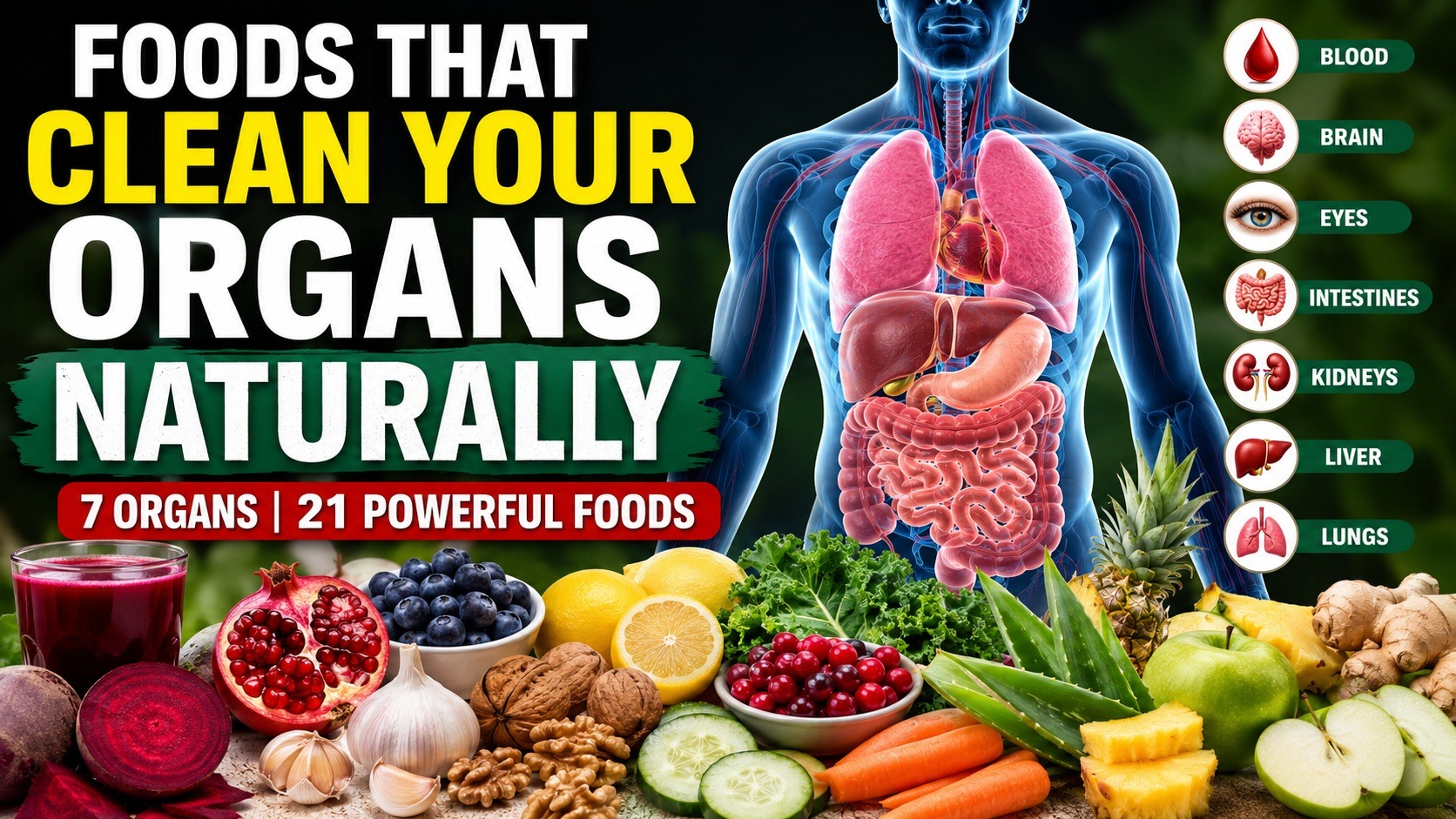
Today, we’re exploring seven groups of foods that are packed with nutrients known to support different organs throughout the body. These foods are rich in antioxidants, vitamins, minerals, healthy fats, fiber, and plant compounds that research suggests may help reduce inflammation, protect cells from oxidative stress, and support normal organ function.
By the end of this video, you’ll discover why beetroot has earned its reputation as a superfood for circulation, why blueberries are often called brain berries, why garlic has fascinated scientists for decades, and why simple foods like cucumbers, walnuts, and ginger deserve a regular place on your plate.
Some of these foods may surprise you.
Before we begin, if you’re passionate about natural health, nutrition, and simple ways to improve your well-being, make sure you subscribe to My Emerald Health and turn on notifications so you never miss our latest health videos.
Now, let’s begin with one of the most important systems in your body…
Part 1:
Your blood.
Foods That Support Healthy Blood
Your blood is much more than a red liquid flowing through your veins.
It is your body’s transportation network.
Every heartbeat sends blood carrying oxygen, nutrients, hormones, immune cells, and countless other essential substances throughout your body.
Without healthy blood circulation, every organ suffers.
Poor circulation can leave you feeling tired, weak, cold, or mentally sluggish because your tissues aren’t receiving enough oxygen and nutrients.
Fortunately, certain foods contain nutrients that support healthy circulation and protect blood vessels.
Let’s start with one of nature’s most colorful vegetables.
Beetroot
Beetroot has become incredibly popular among athletes, and for good reason.
Its deep red color comes from powerful plant pigments called betalains, which are known for their antioxidant and anti-inflammatory properties.
But beetroot’s real superstar ingredient is something called dietary nitrate.
When you eat beetroot, your body converts these natural nitrates into nitric oxide.
Nitric oxide helps relax and widen blood vessels, allowing blood to flow more easily throughout your body.
This improved circulation may help deliver more oxygen to muscles and organs.
Researchers have extensively studied beetroot because of these effects.
A review published in the journal Nutrients found that dietary nitrate from beetroot can improve blood vessel function and may help support healthy blood pressure in many adults.
Another study published inHypertension,a journal of the American Heart Association, reported that beetroot juice may contribute to modest reductions in blood pressure by improving nitric oxide availability.
That’s one reason why beetroot juice has become a favorite among endurance athletes.
Improved blood flow means muscles may receive oxygen more efficiently during physical activity.
But you don’t have to be an athlete to benefit.
Adding roasted beets to salads, blending them into smoothies, or drinking unsweetened beetroot juice occasionally can be a delicious way to increase your intake of beneficial nutrients.
Beets are also rich in folate, manganese, potassium, and vitamin C, all of which play important roles in maintaining overall cardiovascular health.
It’s important to remember, however, that beetroot is not a treatment for heart disease or high blood pressure. If you have these conditions, always follow your healthcare provider’s advice.
Still, incorporating beetroot into a balanced diet is a smart step toward supporting healthy circulation.
Pomegranate
Few fruits are as striking as the pomegranate.
Crack open one, and you’ll find hundreds of jewel-like seeds bursting with sweet and tart flavor.
But beneath that beautiful appearance lies an impressive nutritional profile.
Pomegranates are packed with polyphenols, including punicalagins and anthocyanins, which are among the most potent antioxidants found in fruits.
Antioxidants help neutralize unstable molecules called free radicals.
When free radicals build up, they contribute to oxidative stress, which can damage blood vessels over time.
Research published in the American Journal of Clinical Nutrition has shown that pomegranate juice may improve antioxidant status and help protect LDL cholesterol from oxidation, an important process involved in cardiovascular health.
Scientists at the National Institutes of Health have also noted that pomegranate contains bioactive compounds that continue to be studied for their potential effects on blood vessel function and inflammation.
One fascinating laboratory study found that pomegranate contains more antioxidant activity than green tea and red wine on a serving-for-serving basis, although the health effects depend on the whole diet rather than any single food.
Adding fresh pomegranate seeds to yogurt, oatmeal, salads, or smoothies is an easy way to enjoy this remarkable fruit.
And if you’re choosing juice, look for one that contains 100 percent pure pomegranate juice without added sugars.
Garlic
Garlic has been treasured for thousands of years.
Ancient civilizations used it not only as a food but also as a traditional remedy for various ailments.
Modern science has uncovered one reason why.
When garlic is chopped or crushed, it forms a compound called allicin.
Allicin is responsible for garlic’s distinctive aroma and many of its biological properties.
Numerous studies suggest that garlic may support cardiovascular health by helping maintain healthy cholesterol levels and supporting normal blood pressure in some individuals.
A large review published in the Journal of Nutrition concluded that regular garlic consumption may have beneficial effects on cardiovascular risk factors, particularly when consumed consistently over time.
Researchers also believe garlic’s antioxidant compounds may help protect blood vessels from oxidative damage.
Here’s an interesting tip.
If you crush fresh garlic and let it sit for about ten minutes before cooking, more allicin has time to develop.
This simple step may help preserve more of its beneficial compounds.
Garlic is incredibly versatile.
You can add it to soups, roasted vegetables, stir-fries, marinades, pasta sauces, or homemade salad dressings.
Besides supporting heart and blood vessel health, garlic also contains manganese, vitamin B6, vitamin C, selenium, and fiber.
No wonder it’s considered one of the healthiest ingredients found in kitchens around the world.
A Quick Reality Check
Now, before we move on, let’s clear up a common misconception.
Many products claim they can “clean” or “purify” your blood overnight.
But that’s not how your body works.
Your liver and kidneys continuously filter your blood every minute of every day.
No single food can instantly cleanse your bloodstream.
However, consistently eating nutrient-rich foods like beetroot, pomegranate, garlic, leafy vegetables, fruits, legumes, nuts, and whole grains can support your cardiovascular system and provide the nutrients your body needs to maintain healthy blood vessels and circulation.
Small daily choices matter far more than any quick detox.
And that’s encouraging, because lasting health is built one meal at a time.
In the next section, we’re moving from your bloodstream to the control center of your entire body—your brain.
You’ll discover why neuroscientists often recommend blueberries and why walnuts look surprisingly similar to the organ they may help support.
The science behind these two foods is fascinating—and it may change the way you think about your next snack.
[End of Part 1]
PART 2
We’ve already explored how foods like beetroot, pomegranate, and garlic can support healthy blood circulation and cardiovascular function. Now, let’s move to the organ that controls every thought, memory, movement, and emotion you experience every day.
Your brain.
Although it makes up only about 2 percent of your body weight, your brain consumes roughly 20 percent of the oxygen and energy your body produces. That means it requires a constant supply of nutrients to perform at its best.
Over time, factors like chronic stress, poor diet, lack of sleep, and aging can expose brain cells to oxidative stress and inflammation, both of which are associated with cognitive decline. While no food can prevent every neurological disease, research shows that certain nutrients may help protect brain cells and support healthy cognitive function.
Let’s begin with one of the most researched brain-supporting fruits in the world.
Foods That Support a Healthy Brain
Blueberries
If there were a competition for the healthiest fruits on Earth, blueberries would almost certainly make the finals.
Despite their small size, blueberries are packed with vitamins, fiber, and an impressive collection of antioxidants, especially compounds called anthocyanins. These are the natural pigments responsible for their deep blue and purple color.
Anthocyanins have attracted enormous scientific interest because they appear capable of crossing the blood-brain barrier, allowing them to directly interact with brain tissue.
Why does this matter?
Your brain is constantly exposed to oxidative stress. Every day, your brain cells produce energy, and in the process, they generate unstable molecules called free radicals. Over time, excessive oxidative stress can damage neurons, interfere with communication between brain cells, and contribute to age-related cognitive decline.
Antioxidants from blueberries help neutralize these free radicals before they can cause significant damage.
Researchers at Tufts University’s Human Nutrition Research Center on Aging have spent years studying blueberries. Their findings suggest that diets rich in blueberries may improve communication between brain cells and support memory and learning in aging adults.
A review published in the journal Nutrients concluded that regular blueberry consumption has shown promising effects on cognitive performance, particularly memory and executive function, although more long-term studies are still needed.
Another study published in the European Journal of Nutrition found that consuming blueberries may improve certain aspects of memory and attention in older adults.
What’s remarkable is that these benefits don’t come from a miracle chemical.
Instead, they result from hundreds of naturally occurring plant compounds working together.
Blueberries are also rich in vitamin C, vitamin K, manganese, and fiber, all of which contribute to overall health.
They’re incredibly versatile too.
You can add them to oatmeal, yogurt, smoothies, salads, or simply enjoy a handful as a healthy snack.
Fresh or frozen, both provide valuable nutrients.
Walnuts
Take a close look at a walnut.
Its folds and ridges resemble the two hemispheres of the human brain.
While that’s simply a coincidence, the nutritional profile of walnuts makes them one of the best foods you can include in a brain-friendly diet.
Unlike many other nuts, walnuts are an excellent source of alpha-linolenic acid, or ALA, a plant-based omega-3 fatty acid.
Omega-3 fats are essential because the human brain is composed of nearly 60 percent fat, and healthy fats are crucial for maintaining the structure and function of brain cells.
Walnuts also contain vitamin E, magnesium, copper, polyphenols, and several antioxidants that may help protect neurons from oxidative stress.
Research published in The Journal of Nutrition, Health & Aging found that higher walnut consumption was associated with better cognitive performance in older adults.
Scientists from Harvard T.H. Chan School of Public Health also note that diets rich in healthy unsaturated fats, including those from nuts, are associated with better cardiovascular health, which indirectly benefits brain health by supporting healthy blood flow.
Another review in Nutrients concluded that walnuts may contribute to healthy aging by reducing inflammation and oxidative stress.
Here’s something fascinating.
Scientists estimate that your brain contains around 86 billion neurons.
Each neuron communicates with thousands of others through tiny connections called synapses.
Healthy dietary fats help maintain the membranes surrounding these cells, allowing efficient communication throughout the brain.
That means every handful of walnuts contributes nutrients that help maintain one of the most complex biological systems known to science.
A small handful of unsalted walnuts each day makes an excellent addition to a balanced diet.
They’re delicious sprinkled over salads, mixed into oatmeal, blended into smoothies, or eaten as a quick snack.
Protecting Your Brain Every Day
While blueberries and walnuts are impressive foods, scientists agree that brain health depends on your overall lifestyle.
Regular physical activity increases blood flow to the brain.
Quality sleep allows your brain to clear metabolic waste through what’s known as the glymphatic system.
Learning new skills creates fresh neural connections.
And eating a Mediterranean-style diet rich in fruits, vegetables, fish, nuts, olive oil, and whole grains has consistently been associated with healthier cognitive aging.
No single food can guarantee perfect memory.
But together, healthy habits create an environment where your brain can thrive.
Foods That Support Healthy Eyes
Now let’s talk about another incredible organ.
Your eyes.
Think about everything your eyes allow you to experience.
The faces of your loved ones.
A beautiful sunset.
The pages of your favorite book.
The colors of nature.
Yet many people don’t think about eye health until their vision begins to change.
Your eyes are exposed to light every waking hour, making them particularly vulnerable to oxidative stress.
Fortunately, several nutrients have been shown to support healthy vision throughout life.
Let’s begin with one food you’ve probably heard about since childhood.
Carrots
Many of us grew up hearing that carrotshelp you see in the dark.
Is that actually true?
The answer is both yes and no.
Carrots are exceptionally rich in beta-carotene, a pigment that your body converts into vitamin A.
Vitamin A plays an essential role in producing rhodopsin, a protein in your retina that helps your eyes function in low-light conditions.
If someone is deficient in vitamin A, they may develop night blindness.
So in that sense, carrots really can help maintain healthy vision.
However, eating large amounts of carrots won’t give someone with normal vitamin A levels superhuman night vision.
That’s a popular myth.
Still, carrots remain one of the healthiest vegetables you can eat.
Besides beta-carotene, they contain lutein, fiber, potassium, and antioxidants.
According to the National Eye Institute, vitamin A is essential for maintaining the surface of the eye and supporting normal vision.
Carrots are delicious raw, roasted, steamed, or blended into soups.
Cooking carrots with a small amount of healthy fat, such as olive oil, may even improve the absorption of beta-carotene.
Kale
When it comes to eye health, leafy green vegetables deserve special recognition.
Kale is among the richest dietary sources of lutein and zeaxanthin.
These two carotenoids accumulate in a specific part of the retina called the macula, where they act almost like natural sunglasses.
They help filter harmful blue light while protecting delicate retinal cells from oxidative damage.
The landmark Age-Related Eye Disease Study 2, funded by the National Eye Institute, found that lutein and zeaxanthin play an important role in supporting eye health, particularly among older adults at risk of age-related macular degeneration.
Scientists believe these nutrients reduce oxidative stress while helping preserve healthy retinal tissue.
Kale also provides vitamin C, vitamin K, calcium, and numerous plant compounds that support overall health.
Whether enjoyed in salads, smoothies, soups, or lightly sautéed, kale is one of the most nutrient-dense vegetables available.
Sweet Potatoes
Another colorful vegetable that’s excellent for your eyes is the sweet potato.
Its bright orange flesh is another outstanding source of beta-carotene.
One medium sweet potato can provide well over your daily vitamin A requirement.
That’s important because vitamin A doesn’t just support vision.
It also helps maintain healthy skin, supports immune function, and contributes to normal cell growth.
Sweet potatoes also contain vitamin C, vitamin E, potassium, manganese, and fiber.
Research published in Advances in Nutrition suggests that diets rich in colorful fruits and vegetables help increase antioxidant intake, which may reduce oxidative stress throughout the body, including the eyes.
Roasted sweet potatoes, mashed sweet potatoes, baked wedges, or added to soups all make delicious and nutritious choices.
Simple Daily Habits for Better Eye Health
Healthy eating is only part of the picture.
Eye specialists also recommend protecting your eyes from excessive ultraviolet light by wearing sunglasses outdoors.
If you spend hours looking at digital screens, remember the 20-20-20 rule.
Every 20 minutes, look at something about 20 feet away for at least 20 seconds.
This simple habit helps reduce digital eye strain.
And if you smoke, quitting is one of the most powerful steps you can take to protect your vision, since smoking significantly increases the risk of several eye diseases.
We’ve now explored foods that support your blood, brain, and eyes.
But our journey through the body is only beginning.
Next, we’re heading into one of the most fascinating systems in the human body—your digestive tract.
You’ll discover why scientists call your intestines your “second brain,” how trillions of beneficial microbes influence your overall health, and why foods like aloe vera, cucumbers, and green apples may help support a healthy digestive system when included as part of a balanced diet.
The science behind your gut is truly incredible.
[End of Part 2]
PART 3
We’ve already explored how certain foods may support your blood, brain, and eyes. Now, we’re moving to one of the most fascinating—and perhaps most misunderstood—systems in the human body.
Your digestive system.
Did you know that nearly 70 percent of your immune system is associated with your gut? Or that your intestines are home to trillions of microorganisms, collectively known as the gut microbiome?
These beneficial bacteria help digest food, produce certain vitamins, influence your immune system, and even communicate with your brain through what’s known as the gut-brain axis.
Scientists continue to uncover just how important a healthy digestive system is—not only for digestion but for your overall health.
Let’s look at three foods that may help support a healthy gut.
Foods That Support Healthy Intestines
Aloe Vera
For centuries, aloe vera has been used in traditional medicine, primarily for soothing the skin. But the clear gel found inside its leaves has also attracted attention for its potential role in digestive health.
Aloe vera contains compounds called polysaccharides, along with vitamins, minerals, amino acids, and antioxidants.
Some laboratory and early clinical studies suggest these compounds may help soothe the digestive tract and support the normal healing process of the intestinal lining. Researchers have also explored aloe vera for its potential to ease symptoms in certain digestive conditions, though the evidence remains mixed.
A review published in the Journal of Traditional and Complementary Medicine noted that aloe vera shows promising biological properties, including antioxidant and anti-inflammatory effects. However, researchers emphasized that more high-quality human studies are needed before firm conclusions can be made.
If you choose to consume aloe vera, it’s important to use food-grade aloe vera products that have been properly processed. The yellow latex found just beneath the leaf’s outer skin contains compounds called anthraquinones, which can have a strong laxative effect and are not recommended for regular consumption.
In other words, not all aloe vera products are the same.
Always choose products from reputable manufacturers and follow the directions on the label.
Cucumber
Sometimes, the simplest foods offer impressive health benefits.
Cucumbers are made up of about 95 percent water, making them one of the most hydrating vegetables you can eat.
Hydration plays an essential role in digestion.
Your intestines need adequate water to move food smoothly through the digestive tract. When you’re dehydrated, stools can become harder and more difficult to pass, increasing the likelihood of constipation.
Cucumbers also provide small amounts of vitamin K, potassium, magnesium, and antioxidants, including flavonoids and tannins.
Although cucumbers aren’t a miracle cure for digestive problems, including water-rich vegetables in your diet can help support healthy bowel function as part of an overall balanced eating pattern.
Their refreshing crunch also makes them an excellent substitute for processed snack foods that are often high in sodium and unhealthy fats.
Try adding cucumber slices to salads, sandwiches, wraps, or simply enjoy them with hummus or yogurt-based dips.
Green Apples
You’ve probably heard the saying,
“An apple a day keeps the doctor away.”
While no single food can guarantee good health, apples certainly deserve their reputation as one of the healthiest fruits available.
Green apples are particularly rich in dietary fiber, especially a type of soluble fiber called pectin.
Pectin acts as a prebiotic, meaning it feeds beneficial bacteria living in your intestines.
When these beneficial bacteria ferment pectin, they produce compounds known as short-chain fatty acids, including butyrate.
These compounds help nourish the cells lining the colon and contribute to a healthy intestinal environment.
Research published in Nutrients has shown that dietary fiber plays a significant role in maintaining a healthy gut microbiome and supporting digestive health.
The World Health Organization and many national dietary guidelines recommend consuming plenty of fruits, vegetables, legumes, and whole grains largely because of their fiber content.
Most adults, however, consume far less fiber than recommended.
That’s unfortunate because fiber doesn’t just benefit digestion.
It also supports healthy cholesterol levels, helps regulate blood sugar after meals, and promotes feelings of fullness.
Whenever possible, eat apples with their skin on.
Much of the fiber and many of the beneficial plant compounds are found just beneath the peel.
Your Gut Is More Than a Digestive Tube
Scientists now understand that your gut and brain are constantly communicating.
Through nerves, hormones, and chemical messengers produced by beneficial bacteria, your digestive system can influence mood, stress responses, and even aspects of cognitive function.
This is why researchers often refer to the gut as the body’s “second brain.”
Although that phrase is simplified, it reflects an exciting area of modern medical research.
Supporting your gut with fiber-rich foods, staying hydrated, exercising regularly, and eating a variety of plant-based foods all help create an environment where beneficial bacteria can thrive.
Foods That Support Healthy Kidneys
Now let’s move on to another pair of remarkable organs.
Your kidneys.
Every single day, your kidneys filter approximately 180 liters of blood, removing waste products while carefully balancing water, electrolytes, and minerals.
They also help regulate blood pressure, stimulate red blood cell production, and activate vitamin D for healthy bones.
It’s an extraordinary workload.
Keeping your kidneys healthy isn’t about expensive detoxes.
It’s about giving them the nutrients and hydration they need to function efficiently.
Let’s start with a berry that’s especially well known for urinary tract health.
Cranberries
Cranberries have earned a strong reputation for supporting urinary tract health.
But how exactly do they work?
Interestingly, cranberries don’t “kill bacteria.”
Instead, they contain unique plant compounds called proanthocyanidins, which appear to reduce the ability of certain bacteria—particularly Escherichia coli, or E. coli—to stick to the walls of the urinary tract.
If bacteria can’t attach easily, they’re more likely to be flushed out during urination.
A review published by the Cochrane Collaboration, one of the world’s most respected evidence-based research organizations, found that cranberry products may reduce the risk of recurrent urinary tract infections in some groups of people, particularly women with frequent infections.
However, cranberries are not a treatment for an active urinary tract infection. Anyone experiencing symptoms such as pain, fever, or blood in the urine should seek medical evaluation.
Fresh cranberries are quite tart, but they can be enjoyed in smoothies or mixed with other fruits.
If choosing cranberry juice, look for varieties without excessive added sugar.
Celery
Celery often gets overlooked, but it’s a nutrient-rich vegetable that deserves more attention.
It’s naturally low in calories while providing vitamin K, folate, potassium, and antioxidants.
Celery also contributes to your daily fluid intake, which is important for maintaining healthy kidney function.
Some laboratory studies suggest celery contains compounds with antioxidant properties that may help reduce oxidative stress.
While claims that celery “flushes toxins from the kidneys” are exaggerated, staying well hydrated and eating plenty of vegetables are well-established strategies for supporting normal kidney function.
Celery also makes an excellent snack with peanut butter, hummus, or low-fat yogurt dip.
Cucumber—A Second Appearance
It’s no coincidence that cucumbers appear twice on today’s list.
Their exceptionally high water content supports hydration throughout the body.
Proper hydration helps your kidneys efficiently filter waste products and maintain normal urine production.
Of course, hydration doesn’t come only from cucumbers.
Drinking adequate water throughout the day remains one of the simplest and most effective ways to support kidney health.
The exact amount varies depending on age, climate, physical activity, and medical conditions, but making water your primary beverage is a healthy habit for most people.
Protecting Your Kidneys Every Day
Kidney specialists emphasize that lifestyle matters just as much as nutrition.
Managing blood pressure and blood sugar is critical because uncontrolled hypertension and diabetes are among the leading causes of chronic kidney disease worldwide.
Avoiding excessive use of certain pain medications, limiting excess salt, staying physically active, and maintaining a healthy weight all contribute to long-term kidney health.
Remember, healthy kidneys quietly perform hundreds of vital tasks every minute without asking for recognition.
The least we can do is support them with healthy daily habits.
We’ve now nourished your blood, brain, eyes, digestive system, and kidneys.
But next, we’re about to discuss the body’s most powerful chemical processing plant—the liver.
You’ll learn why the liver is capable of performing more than 500 different functions, why garlic and beets appear again on our list, and what science really says about “liver detox.”
The truth may surprise you.
[End of Part 3]
PART 4 (Final Part)
So far, we’ve explored foods that support healthy blood circulation, brain function, vision, digestion, and kidney health.
Now we’re arriving at one of the hardest-working organs in your body—an organ that quietly performs hundreds of essential tasks every single minute.
Your liver.
And after that, we’ll finish with the lungs, the incredible organs that provide every cell in your body with the oxygen it needs to survive.
Let’s dive in.
Foods That Support a Healthy Liver
If your body were a city, your liver would be its largest processing plant.
Located on the upper right side of your abdomen, the liver performs more than 500 known functions.
It processes nutrients from the food you eat.
It stores vitamins and minerals.
It produces bile to digest fats.
It helps regulate blood sugar.
It breaks down medications.
It produces proteins needed for blood clotting.
And yes—it helps process and eliminate waste products and toxins.
That’s why so many products claim to “detox your liver.”
But here’s what science actually tells us.
A healthy liver already detoxifies your body around the clock.
It doesn’t need expensive detox teas or juice cleanses.
Instead, it needs proper nutrition, limited alcohol intake, regular physical activity, and maintaining a healthy body weight.
Let’s look at three foods that research suggests may help support normal liver function.
Beetroot
Beetroot makes another appearance on today’s list—and for good reason.
Earlier, we discussed how its natural nitrates may help support blood circulation.
But beetroot also contains betalains, unique antioxidants that researchers have studied for their anti-inflammatory and antioxidant properties.
Oxidative stress is one of the factors that can contribute to liver cell damage over time.
Laboratory and animal studies suggest that betalains may help protect liver cells from oxidative injury, although more human research is still needed.
A review published in Nutrients highlighted beetroot’s antioxidant potential and noted that its bioactive compounds may support overall metabolic health.
Beets are also a good source of folate, manganese, potassium, and dietary fiber, making them an excellent addition to a balanced diet.
Roast them.
Steam them.
Blend them into smoothies.
Or grate them fresh into salads.
There are plenty of delicious ways to enjoy beetroot throughout the week.
Lemon
Many people begin their morning with warm lemon waterbecause they believe it “flushes toxins from the liver.”
Let’s separate fact from fiction.
Lemons do not directly detoxify your liver.
However, they are rich in vitamin C, a powerful antioxidant that helps protect cells throughout the body from oxidative stress.
Vitamin C also supports collagen production, immune function, and helps improve the absorption of iron from plant-based foods.
Lemons contain plant compounds called flavonoids, which researchers continue to investigate for their antioxidant and anti-inflammatory effects.
Adding lemon to water can also encourage some people to drink more fluids, which supports overall health.
So while lemon water isn’t a miracle detox drink, it’s certainly a refreshing, low-calorie beverage that can be part of a healthy lifestyle.
Garlic
Garlic returns for one more important reason.
Besides supporting cardiovascular health, garlic contains sulfur-containing compounds that researchers have investigated for their potential role in supporting the body’s natural detoxification enzymes.
According to research published in the World Journal of Gastroenterology, sulfur compounds found in garlic may help activate enzymes involved in the liver’s normal detoxification processes.
Garlic also provides selenium, an essential mineral involved in antioxidant defense systems.
Although researchers continue studying garlic’s role in liver health, they agree that it works best as part of an overall healthy dietary pattern—not as a cure or treatment.
Adding fresh garlic to home-cooked meals remains one of the simplest ways to enjoy its many nutritional benefits.
What Really Helps Your Liver?
If you truly want to protect your liver, here are the habits supported by decades of medical research.
Maintain a healthy body weight.
Limit alcohol consumption.
Avoid smoking.
Exercise regularly.
Manage diabetes if you have it.
Get vaccinated against hepatitis A and hepatitis B when appropriate.
And eat a balanced diet rich in vegetables, fruits, legumes, whole grains, lean proteins, and healthy fats.
There is no shortcut.
Your liver rewards consistency—not quick fixes.
Foods That Support Healthy Lungs
Finally, let’s talk about the organs that make every breath possible.
Your lungs.
An average adult breathes around 20,000 times every single day.
Each breath delivers oxygen to your bloodstream while removing carbon dioxide from your body.
Because your lungs are constantly exposed to the outside environment, they’re also exposed to dust, pollution, smoke, allergens, and infectious organisms.
While food cannot “clean” your lungs, certain nutrients may help support healthy lung tissue and reduce oxidative stress.
It’s packed with vitamin C, manganese, and an enzyme called bromelain.
Bromelain has attracted scientific interest because of its anti-inflammatory properties.
Some laboratory and clinical studies suggest bromelain may help reduce inflammation and thin mucus in certain respiratory conditions, although evidence remains limited and further research is needed.
A review published in Biomedical Reports noted bromelain’s potential anti-inflammatory effects, but researchers emphasized that more high-quality human studies are required.
Whether or not bromelain directly benefits the lungs, pineapple remains a nutritious fruit rich in antioxidants that support overall health.
Fresh pineapple is generally the best choice because canned varieties often contain added sugars.
Ginger
Gingerhas been used in traditional medicine for thousands of years.
Today, scientists know that ginger contains active compounds called gingerols and shogaols, which possess antioxidant and anti-inflammatory properties.
Research published in the International Journal of Preventive Medicine suggests ginger may help reduce inflammation throughout the body.
Scientists are also studying whether ginger may help relax airway smooth muscles, although this area of research is still developing.
Besides potential respiratory benefits, ginger is well known for helping relieve nausea and supporting digestive comfort.
Fresh ginger can be added to stir-fries, soups, smoothies, teas, or warm lemon water.
Its spicy flavor makes it both delicious and highly versatile.
Garlic—One Last Time
Garlicappears for the third time in today’s video.
That’s because its beneficial compounds affect multiple systems throughout the body.
Some research suggests garlic’s antioxidant and antimicrobial properties may help support immune function.
Since respiratory infections can affect lung health, maintaining a strong immune system is an important part of protecting your lungs.
However, garlic should never replace medical treatment for lung disease or respiratory infections.
Think of it as one nutritious ingredient among many in a healthy eating pattern.
Your Lifestyle Matters More Than Any Single Food
As we’ve seen throughout today’s video, nutrition is only one piece of the puzzle.
To support healthy lungs:
Avoid smoking and secondhand smoke.
Stay physically active.
Exercise helps strengthen the muscles involved in breathing.
Maintain good indoor air quality whenever possible.
Stay up to date with recommended vaccinations.
And eat a colorful diet rich in fruits and vegetables that provide antioxidants and vitamins.
These everyday choices often have a much greater impact than any single “superfood.”
Final Thoughts
As we’ve discovered today, your body is nothing short of extraordinary.
Every second of every day, your organs are working together in remarkable harmony.
Your blood delivers oxygen and nutrients.
Your brain processes millions of signals.
Your eyes capture the beauty of the world around you.
Your intestines nourish your body and support your immune system.
Your kidneys carefully filter waste.
Your liver performs hundreds of life-sustaining functions.
And your lungs provide the oxygen that makes all of it possible.
While no food can magically cleanse or detoxify these organs, science clearly shows that a balanced diet rich in colorful fruits, vegetables, nuts, seeds, herbs, whole grains, and healthy fats provides the nutrients these organs need to function at their best.
The secret isn’t chasing miracle foods.
It’s building healthy habits that you can maintain for years.
Every healthy meal.
Every glass of water.
Every walk.
Every good night’s sleep.
Every decision adds up.
Your body notices those choices—even if you don’t see the results overnight.
Remember, good health is rarely about perfection.
It’s about consistency.
If you’re someone who struggles to eat enough of these nutritious foods every day, there are high-quality supplements that may help complement a healthy diet. For example, beetroot powder, omega-3 fish oil, turmeric with black pepper, cranberry extract, aged garlic supplements, and probiotic formulas can be convenient options. These products aren’t substitutes for healthy eating, but they can help fill nutritional gaps when used appropriately.
We’ve included links to some of our recommended products in the description below. Be sure to check them out if you’re interested in supporting your wellness journey.
If you enjoyed today’s video, don’t forget to like, subscribe, and turn on notifications so you never miss another evidence-based health video from My Emerald Health.
And now we’d love to hear from you.
Which of these foods do you already eat regularly, and which one are you planning to add to your diet first?
Leave your answer in the comments below—we read every one of them.
Scientific References Used
Harvard T.H. Chan School of Public Health – The Nutrition Source
National Institutes of Health (NIH) – Office of Dietary Supplements
National Eye Institute – AREDS2 Study
American Heart Association – Hypertension Journal
Nutrients (MDPI)
Journal of Nutrition
European Journal of Nutrition
World Journal of Gastroenterology
Journal of Traditional and Complementary Medicine
Biomedical Reports
Cochrane Database of Systematic Reviews (Cranberry and UTI Prevention)
World Health Organization (Healthy Diet Guidelines)
Thank you so much for watching.
Stay healthy, stay informed, and we’ll see you in the next video.
A graduate of Computer Science and Information Management Technology. Diploma – Caregiving, Certificates – Dementia and Diabetes Awareness and Management. A researcher, blogger, songwriter, singer and acoustic guitarist. Born in an environment where natural talents such as healing are imparted at our natural birth. This natural talents of healing is the result of our genetic inheritance and the training from family environment.
We use cookies on our website to give you the most relevant experience by remembering your preferences and repeat visits. By clicking “Accept All”, you consent to the use of ALL the cookies. However, you may visit "Cookie Settings" to provide a controlled consent.
This website uses cookies to improve your experience while you navigate through the website. Out of these, the cookies that are categorized as necessary are stored on your browser as they are essential for the working of basic functionalities of the website. We also use third-party cookies that help us analyze and understand how you use this website. These cookies will be stored in your browser only with your consent. You also have the option to opt-out of these cookies. But opting out of some of these cookies may affect your browsing experience.
Necessary cookies are absolutely essential for the website to function properly. These cookies ensure basic functionalities and security features of the website, anonymously.
Cookie
Duration
Description
cookielawinfo-checkbox-analytics
11 months
This cookie is set by GDPR Cookie Consent plugin. The cookie is used to store the user consent for the cookies in the category "Analytics".
cookielawinfo-checkbox-functional
11 months
The cookie is set by GDPR cookie consent to record the user consent for the cookies in the category "Functional".
cookielawinfo-checkbox-necessary
11 months
This cookie is set by GDPR Cookie Consent plugin. The cookies is used to store the user consent for the cookies in the category "Necessary".
cookielawinfo-checkbox-others
11 months
This cookie is set by GDPR Cookie Consent plugin. The cookie is used to store the user consent for the cookies in the category "Other.
cookielawinfo-checkbox-performance
11 months
This cookie is set by GDPR Cookie Consent plugin. The cookie is used to store the user consent for the cookies in the category "Performance".
viewed_cookie_policy
11 months
The cookie is set by the GDPR Cookie Consent plugin and is used to store whether or not user has consented to the use of cookies. It does not store any personal data.
Functional cookies help to perform certain functionalities like sharing the content of the website on social media platforms, collect feedbacks, and other third-party features.
Performance cookies are used to understand and analyze the key performance indexes of the website which helps in delivering a better user experience for the visitors.
Analytical cookies are used to understand how visitors interact with the website. These cookies help provide information on metrics the number of visitors, bounce rate, traffic source, etc.
Advertisement cookies are used to provide visitors with relevant ads and marketing campaigns. These cookies track visitors across websites and collect information to provide customized ads.