Discover the 20 best foods to keep your kidneys healthy, strong, and filtering perfectly! Revitalize your health with this ultimate kidney-cleansing grocery list, from antioxidant-rich superfoods to a powerful longevity drink. Protect your body naturally—read now!
Did you know that two small, bean-shaped organs in your body filter around 120 to 150 quarts of blood every single day? Or that they remove toxins, balance your body’s fluids, regulate minerals, and even help control your blood pressure—all without you ever noticing?
But here’s an even more important question: Are you feeding your kidneys the foods they need to stay healthy, or are your daily eating habits slowly putting them under dangerous strain?
The truth is that kidney disease is often called a “silent killer” because many people don’t experience noticeable symptoms until significant damage has already occurred. By the time warning signs appear, the kidneys may already be struggling to perform their vital functions.
The good news is that your kitchen can become one of your kidneys’ greatest allies. The foods you eat every day have the power to protect these hardworking organs, reduce inflammation, support healthy blood flow, and even lower some of the major risk factors for kidney disease.
So, which foods can help keep your kidneys healthy and strong? Which everyday ingredients can support your body’s natural detoxification system and help your kidneys function at their best?
In today’s video, we’re diving into the ultimate kidney-friendly grocery list. We’ll explore the top foods featured in our guide and expand it into a comprehensive list of 20 incredible superfoods that your kidneys will absolutely love.
And make sure you stay until the very end because food number twenty is a powerful longevity drink that most people completely overlook, yet it may offer remarkable benefits for kidney health and overall wellness.
While they are absolute powerhouses, our modern diets can put a massive strain on them. In fact, kidney disease is often called a ‘silent killer’ because many people don’t notice symptoms until substantial damage is already done. But here is the good news: you have the power to protect, heal, and revitalize your kidneys right from your kitchen.
Before we begin, if you’re interested in adding some of these kidney-friendly foods, teas, and wellness items to your daily routine, we’ve included links to some recommended products and healthy options in the description below. Feel free to check them out after watching the video.
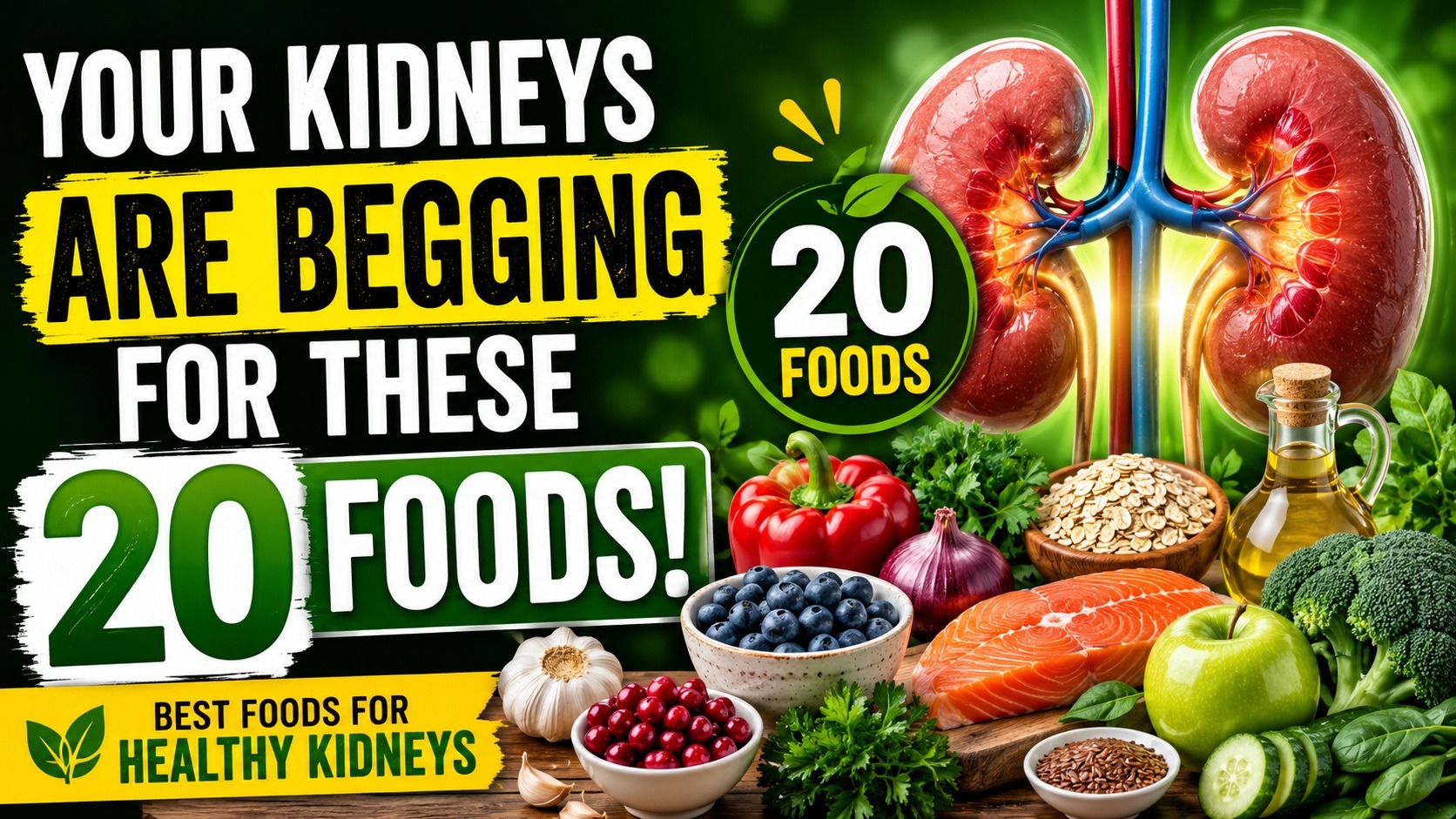
Your Kidneys Are Begging for These 20 Foods!
Now, are you ready to discover the 20 best foods that can help keep your kidneys healthy, strong, and functioning at their very best? Let’s dive right in!
Kidney Beans
“First up are kidney beans, and interestingly, they even resemble the shape of our kidneys. But their benefits go far beyond appearances. Kidney beans are packed with plant-based protein and dietary fiber, two nutrients that play a crucial role in keeping your kidneys healthy.
The high fiber content helps regulate blood sugar levels and improve insulin sensitivity. This is extremely important because uncontrolled diabetes is one of the leading causes of kidney disease worldwide. By helping your body maintain stable blood sugar, kidney beans reduce the strain placed on your kidneys over time.
They are also rich in antioxidants and important minerals like magnesium and iron, which support healthy circulation and energy production. Because they digest slowly, kidney beans keep you full for longer and prevent sudden spikes in blood sugar.
However, if you already have advanced kidney disease, you may need to limit your intake because of their potassium and phosphorus content. For most healthy individuals, though, kidney beans are a nutritious and affordable addition to a kidney-friendly diet.”
Apples
“An apple a day may not just keep the doctor away—it may also protect your kidneys. Apples are loaded with soluble fiber, particularly a type called pectin. This special fiber helps lower cholesterol and stabilize blood sugar levels.
Apples are also rich in antioxidants like quercetin and vitamin C, which help fight inflammation and oxidative stress. Oxidative stress damages cells throughout the body, including the delicate filtering units inside your kidneys.
Another advantage of apples is their high water content, which contributes to hydration and supports healthy urine production. Since apples are naturally low in sodium and fat, they are excellent snacks for people looking to control blood pressure, another major factor in kidney health.
Whether eaten fresh, sliced into oatmeal, or blended into smoothies, apples are one of the easiest and most accessible foods you can include in your kidney-protective diet.”
Salmon
“Salmon is often called a superfood, and for good reason. This fatty fish is one of the richest natural sources of Omega-3 fatty acids, especially EPA and DHA.
These healthy fats have powerful anti-inflammatory effects. Chronic inflammation can damage blood vessels and contribute to high blood pressure, both of which place tremendous strain on the kidneys. Omega-3 fats help keep blood vessels flexible, improve circulation, and reduce the risk of cardiovascular disease, which is closely linked to kidney disease.
Salmon is also an excellent source of high-quality protein that supports tissue repair and muscle health. In addition, it provides vitamin D and selenium, nutrients that support immune function and overall wellness.
Aim for grilled, baked, or steamed salmon instead of fried preparations to maximize its kidney-protective benefits.”
Greek Yogurt
“Greek yogurt is much more than a creamy breakfast food. It’s a nutritional powerhouse filled with protein and beneficial probiotics.
The probiotics in Greek yogurt support the growth of healthy bacteria in your digestive system. A healthy gut can reduce the production of harmful toxins that would otherwise enter your bloodstream and eventually be filtered by your kidneys.
Greek yogurt also contains calcium and protein that help maintain strong muscles and bones. Some studies suggest that gut health and kidney health are closely connected through what scientists call the ‘gut-kidney axis.’
For the healthiest option, choose plain, unsweetened Greek yogurt and add fresh fruit for natural sweetness.”
Eggs
“Eggs, especially egg whites, provide one of the highest-quality proteins available. They contain all nine essential amino acids that your body cannot produce on its own.
Protein is essential for maintaining muscles, repairing tissues, and supporting immune function. Egg whites are particularly kidney-friendly because they contain less phosphorus than many other protein-rich foods.
This makes them an excellent option for people who need nutritious protein without placing additional stress on their kidneys. Eggs also provide nutrients like selenium and vitamin D, which support immunity and overall health.
A boiled egg for breakfast or added to salads can be an easy way to nourish your kidneys.”
Cauliflower
“Cauliflower is a nutritional superstar that often goes unnoticed. This cruciferous vegetable is loaded with vitamin C, folate, and fiber.
It also contains compounds called glucosinolates and indoles. These natural substances help the body’s detoxification systems neutralize potentially harmful compounds before they can cause damage.
Cauliflower is naturally lower in potassium than many starchy vegetables, making it a useful alternative for individuals monitoring their mineral intake. It can be mashed, roasted, or even transformed into cauliflower rice, making it a versatile and kidney-friendly food.”
Kale
“Kale is one of the most nutrient-dense vegetables on the planet. Just a small serving provides impressive amounts of vitamins A, C, and K.
These nutrients support immune function, healthy blood vessels, and proper blood clotting. Kale’s antioxidants help combat oxidative stress, one of the factors involved in kidney damage and aging.
Its fiber content also supports digestive health and cholesterol control. Since cardiovascular health and kidney health are deeply connected, eating more kale can indirectly protect your kidneys by supporting your heart and circulation.”
Red Bell Peppers
“Red bell peppers are brightly colored nutritional powerhouses. They are low in potassium while being incredibly rich in vitamins A, C, and B6.
Their vibrant red color comes from compounds called carotenoids and lycopene, antioxidants that help protect cells from damage.
Vitamin C strengthens the immune system and supports tissue repair, while antioxidants reduce inflammation and oxidative stress that can damage kidney tissues.
Red bell peppers are delicious raw, roasted, or added to soups and stir-fries, making them one of the tastiest kidney-supporting vegetables available.”
Oats
“Oats are one of the best breakfast foods for long-term kidney health. They are packed with beta-glucan, a type of soluble fiber that helps lower cholesterol and stabilize blood sugar.
This is important because high cholesterol and diabetes are major risk factors for kidney disease.
Oatsalso provide sustained energy without causing dramatic spikes in blood sugar. Their fiber supports healthy digestion and helps maintain a healthy body weight, reducing stress on both your heart and kidneys.”
Avocado
“Avocados are famous for their creamy texture and healthy fats. They are rich in monounsaturated fats that support heart health and improve blood circulation.
Healthy blood flow is essential because your kidneys depend on a constant supply of oxygen-rich blood to function properly.
Avocados also contain antioxidants and fiber that support metabolic health and reduce inflammation. Because they are relatively high in potassium, people with advanced kidney disease should consult their healthcare provider about portion sizes.”
Quinoa
“Quinoa is often called a super grain, although technically it’s a seed. What makes it special is that it’s a complete protein containing all nine essential amino acids.
Quinoa is also rich in magnesium, a mineral involved in hundreds of bodily processes, including muscle and blood vessel function.
Its fiber content supports blood sugar control and digestive health, making it a wonderful alternative to refined grains.”
Water
“Water is arguably the most important item on this list. Every day, your kidneys rely on adequate hydration to remove waste products and toxins from your blood.
Drinking enough water helps prevent kidney stones, reduces the risk of urinary tract infections, and supports healthy circulation.
When you’re dehydrated, your kidneys have to work much harder, and waste products become more concentrated. Making water your primary beverage is one of the simplest and most effective ways to protect your kidneys.”
Blueberries
“Coming in at number thirteen are Blueberries, and don’t let their tiny size fool you. These little berries are among the most powerful antioxidant foods on the planet. Blueberries are loaded with compounds called anthocyanins, the natural pigments that give them their deep blue and purple color.
Anthocyanins act like a protective shield for your cells. They help neutralize harmful molecules known as free radicals, which can damage tissues throughout the body, including the delicate filtering units inside your kidneys. Over time, oxidative stress and chronic inflammation can accelerate kidney aging and increase the risk of kidney disease.
But that’s not all. Blueberries have impressive anti-aging properties. Studies suggest that their antioxidants may help improve blood vessel function, support brain health, and reduce inflammation throughout the body. Since healthy kidneys depend on a healthy circulatory system, protecting your blood vessels also helps protect your kidneys.
Blueberries are also relatively low in calories and packed with vitamin C and fiber, making them an excellent snack or addition to smoothies, oatmeal, or yogurt. If you want a simple food that supports healthy aging while defending your kidneys against oxidative stress, blueberries deserve a permanent spot on your shopping list.”
Garlic
“At number fourteen, we have one of nature’s most powerful medicinal foods: Garlic. For thousands of years, garlic has been prized not only for its flavor but also for its healing properties.
Garliccontains a remarkable sulfur compound called allicin. When you crush or chop garlic, allicin is released, giving garlic its distinctive aroma and many of its health benefits. Allicin has potent anti-inflammatory and antimicrobial properties that can help protect your body against harmful bacteria and reduce inflammation.
One of garlic’s greatest benefits for kidney health is its ability to help control blood pressure. High blood pressure is one of the leading causes of kidney damage because it can injure the tiny blood vessels that allow your kidneys to filter waste effectively. Research suggests that regular garlic consumption may help support healthy blood pressure and improve circulation.
Another reason garlic is so kidney-friendly is that it provides a burst of flavor without adding sodium. Excess salt can increase blood pressure and place extra strain on your kidneys. By replacing some of the salt in your meals with garlic, you’re giving your kidneys a break while still enjoying delicious food.
Whether you add it to soups, sauces, stir-fries, or roasted vegetables, garlicis a small ingredient with enormous benefits for your kidney health.”
Onions
“Coming in at number fifteen are Onions, another humble kitchen staple that offers impressive protection for your kidneys.
Onionsare rich in a powerful antioxidant called quercetin. Quercetin has strong anti-inflammatory properties and may help reduce oxidative stress throughout the body. It also supports healthy blood vessels by helping to prevent damage caused by free radicals and chronic inflammation.
Healthy blood vessels are essential because your kidneys rely on an extensive network of tiny blood vessels to filter waste and maintain fluid balance. When blood vessels become damaged or narrowed, kidney function can suffer.
Onions are also a source of chromium, an important trace mineral that helps your body metabolize carbohydrates, fats, and proteins more efficiently. Better blood sugar regulation means less stress on the kidneys, especially since diabetes is a major risk factor for chronic kidney disease.
Perhaps one of the best things about onions is that they add rich flavor to meals without increasing sodium intake. They can be sautéed, roasted, grilled, or eaten raw, making them a versatile and kidney-friendly ingredient for almost any dish.”
Cranberries
“At number sixteen are Cranberries, tiny tart fruits that are especially famous for supporting urinary tract health.
Cranberries contain unique plant compounds called proanthocyanidins. These compounds help prevent certain harmful bacteria, particularly E. coli, from sticking to the lining of the bladder and urinary tract.
Why does this matter for your kidneys? Because untreated urinary tract infections can sometimes spread upward to the kidneys and cause serious kidney infections. By helping prevent bacteria from gaining a foothold, cranberries may reduce the risk of these complications.
Cranberries are also rich in antioxidants that combat inflammation and support overall immune health. Their vitamin C content further strengthens your body’s natural defenses against infection.
However, it’s important to choose unsweetened cranberry products whenever possible, since many commercial juices are loaded with added sugar. Fresh cranberries, unsweetened juice, or cranberry supplements recommended by your healthcare provider can be beneficial additions to a kidney-conscious lifestyle.”
Olive Oil
“Coming in at number seventeen is Olive Oil, one of the healthiest fats you can include in your diet.
Extra virgin olive oilis rich in monounsaturated fats and contains a powerful anti-inflammatory compound called oleic acid. Chronic inflammation contributes to many diseases, including cardiovascular disease and kidney disease, and reducing inflammation is essential for long-term kidney health.
Olive oil is also loaded with antioxidants known as polyphenols. These compounds help protect cells from oxidative damage and support the health of your blood vessels.
This is incredibly important because your kidneys depend on healthy circulation. Every minute, a significant amount of blood flows through your kidneys to be filtered. When your heart and blood vessels are healthy, your kidneys benefit as well.
Research on Mediterranean-style diets, which are rich in olive oil, consistently shows improvements in heart health, blood pressure, and overall longevity. Drizzling olive oil over salads, vegetables, and whole grains is a simple yet powerful way to nourish both your heart and kidneys.”
Cabbage
“At number eighteen is Cabbage, an affordable and highly nutritious vegetable that often doesn’t get the attention it deserves.
Cabbage is low in potassium and phosphorus compared to many other vegetables, making it a valuable option for people who need to be mindful of their mineral intake.
It’s also packed with dietary fiber, which supports healthy digestion and helps regulate blood sugar and cholesterol levels. Better blood sugar control and lower cholesterol translate into less stress on your kidneys over time.
Cabbage contains vitamin C, vitamin K, and a variety of phytochemicals that act as antioxidants and support your body’s natural detoxification systems. Compounds found in cruciferous vegetables like cabbage may help your liver and kidneys process and eliminate potentially harmful substances more efficiently.
Whether eaten raw in salads, lightly steamed, or added to soups and stir-fries, cabbage is a budget-friendly superfood that delivers impressive kidney-supporting benefits.”
Macadamia Nuts
“Coming in at number nineteen are Macadamia Nuts, often considered one of the healthiest nuts for kidney-conscious eating.
Many nuts are rich in phosphorus, which can be problematic for individuals with compromised kidney function. Macadamia nuts, however, contain relatively lower levels of phosphorus compared to nuts like almonds, peanuts, and cashews.
What they do provide in abundance are heart-healthy monounsaturated fats. These healthy fats support blood vessel function, reduce inflammation, and promote better cardiovascular health—all of which directly benefit the kidneys.
Macadamia nuts are also good sources of manganese, magnesium, and several B vitamins that support energy production and nerve function.
Their healthy fat content makes them satisfying and helps promote fullness, reducing the temptation to reach for highly processed snacks that can be high in salt and unhealthy fats. A small handful of macadamia nuts can be a delicious and kidney-friendly snack option.”
Green Tea
“And finally, at number twenty, we have a true longevity powerhouse that many people completely overlook: Green Tea. For centuries, green tea has been celebrated in many cultures for its remarkable health benefits. It is especially rich in polyphenols and catechins, including one of its most powerful compounds known as EGCG, or epigallocatechin gallate.
EGCG is an extraordinary antioxidant that helps protect cells from oxidative stress and inflammation. Since oxidative damage plays a major role in kidney aging and the progression of kidney disease, regularly consuming green tea may help provide long-term protection for these vital organs.
Green tea also supports metabolism, promotes healthy circulation, and may help improve insulin sensitivity and weight management. Maintaining a healthy weight and stable blood sugar levels significantly reduces the risk factors associated with chronic kidney disease.
Furthermore, the antioxidants in green tea offer deep cellular defense, helping to protect blood vessels and tissues throughout the body, including the delicate structures inside your kidneys.
A warm cup of unsweetened green tea each day can be a simple but powerful habit that supports your kidneys, your heart, your metabolism, and your overall longevity. Sometimes, the most effective health habits are also the simplest.”
Conclusion
“And there you have it—20 incredible foods that can help keep your kidneys healthy, strong, and functioning at their very best. From antioxidant-rich blueberries and green tea to heart-healthy olive oil and salmon, these everyday foods can go a long way in supporting your kidneys and protecting them from unnecessary stress.
Remember, your kidneyswork around the clock for you. They filter your blood, remove toxins, balance your body’s fluids, and support your overall health every single day. The choices you make at the grocery store and on your dinner plate can either support these hardworking organs or make their job much more difficult.
The good news is that you don’t have to change everything overnight. Start small. Add an extra serving of vegetables to your meals, swap salty snacks for healthier alternatives like apples or macadamia nuts, drink more water, and incorporate some of these kidney-friendly foods into your weekly routine. Small, consistent choices often lead to the biggest health transformations.
And if you’d like to try some of the foods, teas, and wellness products mentioned in this video, we’ve included links to our recommended products and resources in the description below. Feel free to check them out after watching this video.
If you found this guide helpful, please give this video a thumbs up, subscribe to My Emerald Health, and turn on the notification bell so you never miss our weekly videos on nutrition, natural remedies, and healthy living.
Now, we’d love to hear from you. Which of these 20 kidney-friendly foods do you already eat, and which one are you excited to add to your diet? Let us know in the comments below.
Thank you so much for watching My Emerald Health. Take good care of your kidneys, nourish your body with the right foods, and remember—good health is one of the greatest investments you can ever make.
We’ll see you in the next video.”
Disclaimer: The information provided in this video is for educational and informational purposes only and is not intended to replace professional medical advice, diagnosis, or treatment. If you have kidney disease, diabetes, high blood pressure, or any other medical condition, please consult your doctor or a qualified healthcare professional before making significant changes to your diet, taking supplements, or beginning any new health regimen. Some foods mentioned in this video may not be suitable for individuals with advanced kidney disease or specific dietary restrictions.
A graduate of Computer Science and Information Management Technology. Diploma – Caregiving, Certificates – Dementia and Diabetes Awareness and Management. A researcher, blogger, songwriter, singer and acoustic guitarist. Born in an environment where natural talents such as healing are imparted at our natural birth. This natural talents of healing is the result of our genetic inheritance and the training from family environment.
We use cookies on our website to give you the most relevant experience by remembering your preferences and repeat visits. By clicking “Accept All”, you consent to the use of ALL the cookies. However, you may visit "Cookie Settings" to provide a controlled consent.
This website uses cookies to improve your experience while you navigate through the website. Out of these, the cookies that are categorized as necessary are stored on your browser as they are essential for the working of basic functionalities of the website. We also use third-party cookies that help us analyze and understand how you use this website. These cookies will be stored in your browser only with your consent. You also have the option to opt-out of these cookies. But opting out of some of these cookies may affect your browsing experience.
Necessary cookies are absolutely essential for the website to function properly. These cookies ensure basic functionalities and security features of the website, anonymously.
Cookie
Duration
Description
cookielawinfo-checkbox-analytics
11 months
This cookie is set by GDPR Cookie Consent plugin. The cookie is used to store the user consent for the cookies in the category "Analytics".
cookielawinfo-checkbox-functional
11 months
The cookie is set by GDPR cookie consent to record the user consent for the cookies in the category "Functional".
cookielawinfo-checkbox-necessary
11 months
This cookie is set by GDPR Cookie Consent plugin. The cookies is used to store the user consent for the cookies in the category "Necessary".
cookielawinfo-checkbox-others
11 months
This cookie is set by GDPR Cookie Consent plugin. The cookie is used to store the user consent for the cookies in the category "Other.
cookielawinfo-checkbox-performance
11 months
This cookie is set by GDPR Cookie Consent plugin. The cookie is used to store the user consent for the cookies in the category "Performance".
viewed_cookie_policy
11 months
The cookie is set by the GDPR Cookie Consent plugin and is used to store whether or not user has consented to the use of cookies. It does not store any personal data.
Functional cookies help to perform certain functionalities like sharing the content of the website on social media platforms, collect feedbacks, and other third-party features.
Performance cookies are used to understand and analyze the key performance indexes of the website which helps in delivering a better user experience for the visitors.
Analytical cookies are used to understand how visitors interact with the website. These cookies help provide information on metrics the number of visitors, bounce rate, traffic source, etc.
Advertisement cookies are used to provide visitors with relevant ads and marketing campaigns. These cookies track visitors across websites and collect information to provide customized ads.