Benefits of Yoga for Older Adults with Chronic Health Conditions
The Benefits of Yoga for Older Adults with Chronic Health Conditions
30 seconds summary
Yoga offers numerous benefits for older adults with chronic health conditions, including improved flexibility, strength, and balance.
It can help reduce pain, manage stress, and enhance mental well-being. Regular practice promotes better mobility and joint function, which is especially beneficial for conditions like arthritisor osteoporosis.
Additionally, yogafosters mindfulness and relaxation, which can reduce anxiety and improve sleep quality. By focusing on gentle movements and breathing techniques, yoga offers a low-impact, holistic approach to managing chronic health issues in older adults.
As the global population ages, the prevalence of chronic health conditions among older adults increases, leading to a growing need for effective, low-impact interventions to enhance quality of life. One such intervention is yoga, an ancient practice that combines physical postures, breathing exercises, and meditation.
It has emerged as a beneficial tool for managing various chronic conditions in seniors, particularly when integrated into private care for elderly at home or within specialized integrative clinics. This essay explores the multifaceted benefits of yoga for older adults with chronic health issues, focusing on its physical, mental, and emotional advantages.
Understanding Chronic Health Conditions in Older Adults
Chronic health conditions such as arthritis,diabetes, hypertension, cardiovascular diseases, and osteoporosis are common among older adults. These conditions often lead to decreased mobility, pain, fatigue, and diminished quality of life.
Traditional treatments may include medication, physical therapy, and lifestyle modifications. However, many seniors seek complementary therapies like yogato manage symptoms and improve overall well-being.
Physical Benefits of Yoga for Older Adults
1. Improved Flexibility and Mobility
Aging often results in decreased flexibility and joint stiffness. Yoga’s gentle stretching and range-of-motion exercises help maintain and improve flexibility, allowing older adults to perform daily activities with greater ease and reducing the risk of falls.
2. Enhanced Strength and Balance
Yoga poses that engage core and lower body muscles contribute to improved strength and balance. This is particularly beneficial for preventing falls, a significant concern for seniors. Regular practice can lead to better posture and coordination.
3. Pain Management
Chronic pain from conditions like arthritis and back pain can be alleviated through yoga. Specific poses and breathing techniques help reduce inflammation, improve circulation, and release muscle tension, leading to pain relief.
4. Cardiovascular Health
Yoga has been shown to lower blood pressure, reduce heart rate, and improve circulation. The emphasis on deep breathing and relaxation techniques supports heart health, making yoga a suitable exercise for individuals with cardiovascular concerns.
5. Respiratory Function
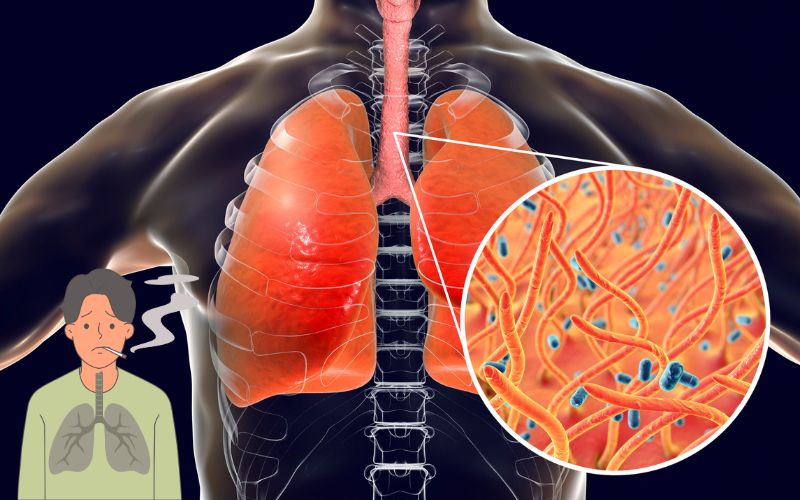
Breathing exercises (pranayama) practiced in yoga enhance lung capacity and efficiency. This is particularly beneficial for older adults experiencing respiratory issues, as improved breathing can increase energy levels and reduce shortness of breath.
Mental and Emotional Benefits
1. Stress Reduction
Yoga’s combination of physical movement and mindfulness practices helps lower cortisol levels, the body’s primary stress hormone. This leads to reduced anxiety, improved mood, and a greater sense of calm and relaxation.
2. Enhanced Cognitive Function
Regular yoga practice has been linked to improved cognitive abilities in older adults. The focus on breath control and mental concentration during yoga sessions can enhance memory, attention, and overall brain function.
3. Better Sleep Quality
Many seniors struggle with sleep disturbances. Yoga’s relaxation techniques and gentle movements promote better sleep patterns, leading to improved rest and energy levels during the day.
4. Emotional Well-being
The mindfulness aspect of yoga encourages self-awareness and emotional regulation. This can help older adults cope with feelings of depression, loneliness, and grief, fostering a more positive outlook on life.
Yoga Adaptations for Older Adults
Recognizing the unique needs of older adults, various forms of yoga have been adapted to ensure safety and accessibility:
Chair Yoga: Performed while seated or using a chair for support, making it ideal for those with limited mobility or balance issues.
Restorative Yoga: Involves holding poses for extended periods with the support of props, promoting deep relaxation and stress relief.
Accessible Yoga: Tailored to individuals with disabilities or severe mobility limitations, focusing on adaptive poses and inclusive practices.
Integrating Yoga into Daily Life
To reap the benefits of yoga, older adults should consider the following steps:
Consult Healthcare Providers: Before starting any new exercise regimen, it’s essential to seek medical advice, especially for those with existing health conditions.
Choose Appropriate Classes: Look for yoga classes designed for seniors or those with chronic conditions. Qualified instructors can provide modifications to ensure safety.
Start Slowly: Begin with short sessions and gradually increase duration and intensity as comfort and ability improve.
Consistency is Key: Regular practice, even for 20 minutes a day, can lead to significant improvements in physical and mental health.
Social Connection and Community
For older adults, particularly those with chronic health conditions, maintaining social connections can sometimes be challenging. Group yoga classes offer a supportive environment where individuals can connect with others who may share similar experiences or health challenges. This sense of community fosters emotional support, reduces feelings of isolation, and encourages consistent participation.
Better Sleep Quality
Chronic health conditions often disrupt sleep patterns, leading to insomnia or poor-quality rest. Yoga, especially restorative and gentle styles, promotes relaxation and helps calm the nervous system, which can improve sleep quality. By reducing pain, stress, and anxiety, yogacreates an optimal mental and physical environment for restful sleep.
Encouragement of Self-Care and Empowerment
Many older adults with chronic health conditions may feel limited by their illness, and they may struggle with feelings of helplessness. Yoga empowers individuals by giving them tools to manage their own health.
Through mindful movement, breathing techniques, and meditation, older adults can take charge of their physical and emotional well-being. This fosters a sense of agency, boosting self-esteem and promoting overall health.
Improved Digestion
Certain yoga poses, such as twists and gentle stretches, can stimulate the digestive system and help with issues like constipation, bloating, or indigestion. These poses encourage better circulation and promote more efficient digestion, which can be especially helpful for older adults dealing with gastrointestinal concerns.
Holistic Approach to Wellness
Yoga is inherently a holistic practice, addressing not just the physical body but also the mental, emotional, and spiritual aspects of well-being.
For older adults, this holistic approach can create a sense of balance and integration, helping them navigate the complexities of aging and chronic illness in a more mindful and harmonious way.
Conclusion
Yoga offers a holistic approach to managing chronic health conditions in older adults. Its physical, mental, and emotional benefits make it a valuable addition to traditional medical treatments.
By incorporating yoga into daily routines, seniors can enhance their quality of life, maintain independence, and promote healthy aging. With appropriate adaptations and guidance, yoga can be a safe and effective practice for older adults seeking to improve their health and well-being.
A graduate of Computer Science and Information Management Technology. Diploma – Caregiving, Certificates – Dementia and Diabetes Awareness and Management. A researcher, blogger, songwriter, singer and acoustic guitarist. Born in an environment where natural talents such as healing are imparted at our natural birth. This natural talents of healing is the result of our genetic inheritance and the training from family environment.
We use cookies on our website to give you the most relevant experience by remembering your preferences and repeat visits. By clicking “Accept All”, you consent to the use of ALL the cookies. However, you may visit "Cookie Settings" to provide a controlled consent.
This website uses cookies to improve your experience while you navigate through the website. Out of these, the cookies that are categorized as necessary are stored on your browser as they are essential for the working of basic functionalities of the website. We also use third-party cookies that help us analyze and understand how you use this website. These cookies will be stored in your browser only with your consent. You also have the option to opt-out of these cookies. But opting out of some of these cookies may affect your browsing experience.
Necessary cookies are absolutely essential for the website to function properly. These cookies ensure basic functionalities and security features of the website, anonymously.
Cookie
Duration
Description
cookielawinfo-checkbox-analytics
11 months
This cookie is set by GDPR Cookie Consent plugin. The cookie is used to store the user consent for the cookies in the category "Analytics".
cookielawinfo-checkbox-functional
11 months
The cookie is set by GDPR cookie consent to record the user consent for the cookies in the category "Functional".
cookielawinfo-checkbox-necessary
11 months
This cookie is set by GDPR Cookie Consent plugin. The cookies is used to store the user consent for the cookies in the category "Necessary".
cookielawinfo-checkbox-others
11 months
This cookie is set by GDPR Cookie Consent plugin. The cookie is used to store the user consent for the cookies in the category "Other.
cookielawinfo-checkbox-performance
11 months
This cookie is set by GDPR Cookie Consent plugin. The cookie is used to store the user consent for the cookies in the category "Performance".
viewed_cookie_policy
11 months
The cookie is set by the GDPR Cookie Consent plugin and is used to store whether or not user has consented to the use of cookies. It does not store any personal data.
Functional cookies help to perform certain functionalities like sharing the content of the website on social media platforms, collect feedbacks, and other third-party features.
Performance cookies are used to understand and analyze the key performance indexes of the website which helps in delivering a better user experience for the visitors.
Analytical cookies are used to understand how visitors interact with the website. These cookies help provide information on metrics the number of visitors, bounce rate, traffic source, etc.
Advertisement cookies are used to provide visitors with relevant ads and marketing campaigns. These cookies track visitors across websites and collect information to provide customized ads.