Mindful Movement for Seniors: Benefits of Yoga in Aging
30 seconds summary
Mindful movement through yoga offers significant benefits for seniors, improving flexibility, strength, and balance. It helps reduce stress and anxiety, enhances mental clarity, and promotes better sleep.
Yoga also targets specific issues like lower back pain, with gentle exercises for seniors that strengthen muscles and improve posture.
Overall, yoga supports physical and mental well-being, enhancing mobility and quality of life for older adults while fostering mindfulness and self-care.
As we age, the importance of maintaining a healthy and active lifestyle becomes more critical. One of the most effective and accessible ways for seniors to enhance their physical and mental well-being is through mindful movement practices such as yoga.
Yoga, often considered a holistic approach to health, combines physical postures, breathing exercises, and meditation to promote strength, flexibility, balance, and mindfulness.
For seniors, mindful movement through yoga can offer numerous benefits, from enhancing physical health to improving mental clarity and emotional stability. This article explores the benefits of yoga for seniors and highlights how this practice can contribute to a healthier and more fulfilling life in the later years.
The Science Behind Yoga and Aging
Yoga is much more than a form of exercise. It is a practice that connects the mind, body, and spirit. In its essence, yoga focuses on cultivating awareness through deliberate movement, controlled breathing, and deep relaxation. As we age, our bodies undergo changes such as decreased muscle mass, reduced flexibility, and a decline in bone density. These physical changes can result in discomfort, stiffness, and a greater risk of injury.
Yoga can help mitigate these effects by promoting a more mindful approach to movement, which is especially beneficial for seniors.
Research has shown that yoga can significantly improve balance, posture, and flexibility, all of which are essential for maintaining independence as we grow older. Additionally, studies have highlighted yoga’s potential to reduce the risk of falls, enhance strength, and improve mobility, which are crucial aspects of aging well.
In fact, yoga has even been shown to lower the risk of chronic conditions such as arthritis, heart disease, and diabetes by supporting overall health and vitality.
Physical Benefits of Yoga for Seniors
Improved Flexibility
One of the most noticeable effects of aging is the reduction in flexibility, which can lead to stiffness and discomfort in the joints and muscles. Over time, lack of flexibility can contribute to poor posture, difficulty moving, and even chronic pain. Yoga, with its focus on gentle stretching and breathing techniques, can greatly improve flexibility. Through regular practice, seniors can enhance their range of motion, which makes everyday activities such as reaching for objects or walking up stairs much easier.
Gentle yoga poses, such as seated forward bends, standing stretches, and twists, can help stretch and lengthen muscles, making it easier for seniors to move their bodies without experiencing tightness or discomfort. Increased flexibility also helps seniors maintain good posture, which is important for overall body alignment and balance.
Strength and Stability
Maintaining muscle strength is vital for seniors to stay independent and avoid injuries. Many traditional forms of exercise, such as weightlifting, can be too strenuous for older adults, but yoga offers a low-impact alternative that still promotes strength and stability. Certain yoga poses, such as Warrior I and Warrior II, Plank, and Tree Pose, can engage and strengthen the muscles in the legs, core, and upper body.
Strong muscles not only support good posture but also contribute to better balance. For seniors, improved strength and balance can reduce the risk of falls, which are a major concern as people age. The strength gained through yoga also helps improve mobility and makes performing daily activities, such as lifting objects, bending down, or getting up from a chair, much easier.
Pain Relief and Management
Many seniors suffer from chronic pain, especially in areas like the lower back, knees, and hips. Yoga can be a powerful tool for managing and relieving pain. The gentle stretching and strengthening exercises in yoga help increase blood flow to the affected areas, reduce muscle tension, and improve joint mobility.
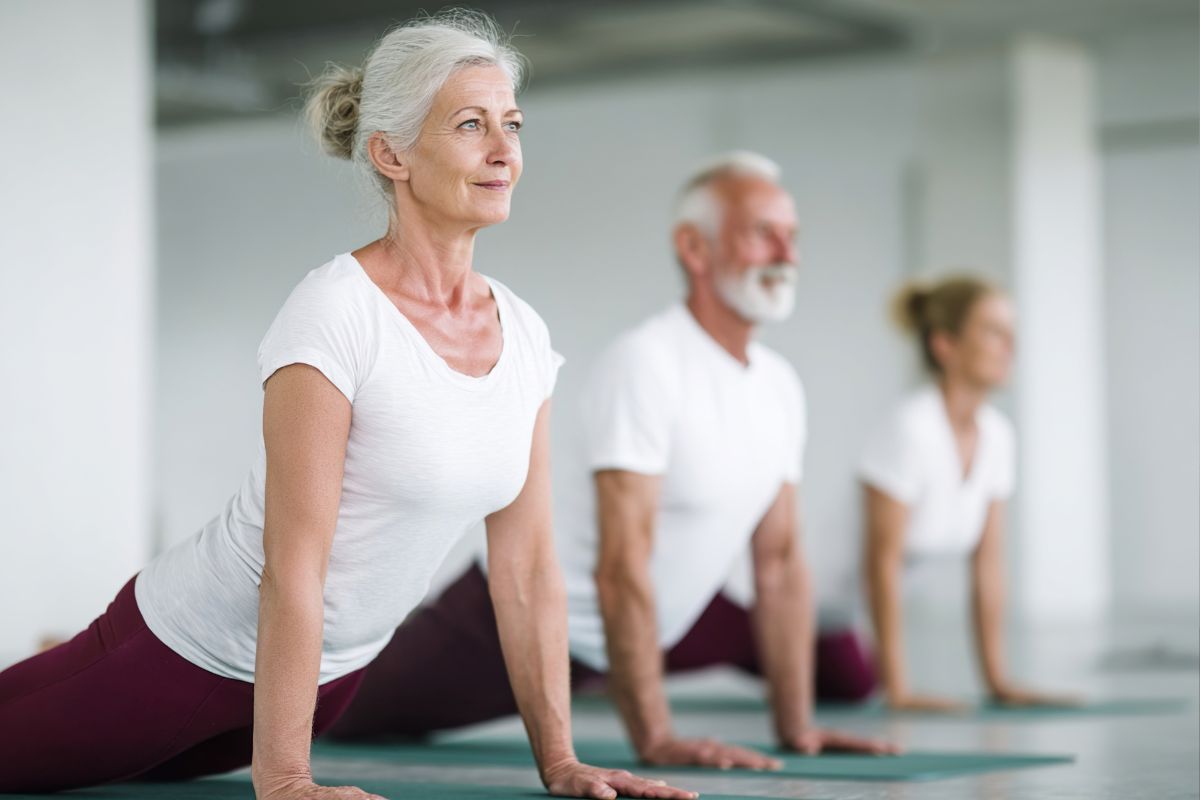
Specific yoga poses can target areas that are prone to pain. For example, exercises for lower back pain for seniors, such as Cat-Cow Pose, Child’s Pose, or Sphinx Pose, can help alleviate discomfort by gently stretching the lower back and strengthening the core muscles. By incorporating yoga into their routine, seniors can reduce their reliance on pain medications and improve their overall quality of life.
Improved Cardiovascular Health
While yoga is often considered a low-impact exercise, it can still provide benefits for cardiovascular health. Many yoga practices incorporate poses and sequences that increase heart rate and improve circulation. Additionally, breathing exercises and mindful movement can help lower blood pressure and reduce stress, both of which contribute to a healthier heart.
Yoga can also promote better lung function. Deep breathing, which is an essential component of yoga, increases oxygen flow to the body and encourages full lung expansion. This can be particularly beneficial for seniors who may be dealing with conditions such as asthma or COPD (Chronic Obstructive Pulmonary Disease).
Bone Health
As we age, bone density naturally decreases, which can lead to conditions like osteoporosis. Weight-bearing exercises, such as yoga, can help strengthen bones and reduce the risk of fractures. Certain yoga poses, such as Downward Dog, Warrior poses, and Chair Pose, engage the bones and joints in a way that stimulates bone growth and helps prevent bone loss.
Yoga’s focus on alignment also encourages seniors to engage in movements that promote bone health. Proper alignment in yoga poses helps distribute weight evenly across the body, which reduces stress on the joints and bones. Over time, this can contribute to better bone health and a lower risk of fractures.
Mental and Emotional Benefits of Yoga for Seniors
In addition to the physical benefits, yoga offers significant mental and emotional advantages for seniors. As we age, the pressures of life, such as loss of loved ones, retirement, or declining health, can contribute to feelings of anxiety, depression, or loneliness. Yoga, with its emphasis on mindfulness and relaxation, can be a powerful tool for improving mental well-being.
Stress Reduction and Relaxation
Yoga encourages deep relaxation through focused breathing and mindful movement. The practice of controlled breathing, or pranayama, helps activate the parasympathetic nervous system, which calms the body and reduces stress levels. In today’s fast-paced world, many seniors may experience heightened stress due to various life transitions, but yoga provides a space for relaxation and rejuvenation.
Practices such as Yoga Nidra, a deep relaxation technique, can help reduce anxiety and promote better sleep. For seniors dealing with insomnia or sleep disturbances, yoga can be a natural and effective way to improve sleep quality and overall mental health.
Improved Focus and Mental Clarity
Mindfulness is a key component of yoga. As seniors age, cognitive decline can become a concern. Yoga, with its emphasis on being present and focused, can help enhance mental clarity and cognitive function. Regular practice encourages seniors to stay engaged with the present moment, which can help sharpen memory, improve attention span, and enhance overall cognitive health.
Emotional Balance
The meditative aspect of yoga can help seniors maintain emotional balance. As yoga fosters a connection between the mind and body, it allows individuals to become more aware of their emotions, helping them manage negative feelings such as anxiety or depression. The focus on mindfulness teaches seniors to approach their emotions with acceptance and compassion, which promotes emotional stability.
Seniors who practice yoga often report a greater sense of well-being and a more positive outlook on life. By reducing stress, enhancing mental clarity, and fostering emotional resilience, yoga helps seniors cultivate a sense of peace and contentment.
Yoga for Seniors: Considerations and Modifications
While yoga offers a multitude of benefits for seniors, it is important to approach the practice with care and consideration. As with any form of exercise, it is essential to consult with a healthcare provider before starting a yoga routine, especially if there are any underlying health conditions or physical limitations.
Yoga instructors who specialize in teaching seniors can help modify poses to accommodate individual needs and abilities. For example, chair yoga is a great option for those with limited mobility or balance issues. Poses can be adapted to be performed while seated or supported by props such as blocks or straps.
It is also important to practice yoga mindfully, focusing on proper alignment and avoiding overstretching. Seniors should listen to their bodies and modify poses if any discomfort or pain arises. Yoga should be a gentle and supportive practice, promoting health and well-being without causing strain.
Conclusion
Incorporating yoga into a senior’s routine offers a wide range of physical, mental, and emotional benefits. From increasing flexibility and strength to promoting relaxation and mental clarity, yoga provides a holistic approach to aging that supports overall health and well-being.
For seniors dealing with conditions such as lower back pain or arthritis, yogaoffers a safe and effective way to manage discomfort and enhance mobility. By practicing mindful movement, seniors can improve their quality of life, maintain independence, and embrace the aging process with greater resilience and vitality.
Whether through chair yoga, gentle stretching, or mindful breathing exercises, yoga provides an accessible and empowering practice for seniors looking to stay active, healthy, and engaged in their golden years.
A graduate of Computer Science and Information Management Technology. Diploma – Caregiving, Certificates – Dementia and Diabetes Awareness and Management. A researcher, blogger, songwriter, singer and acoustic guitarist. Born in an environment where natural talents such as healing are imparted at our natural birth. This natural talents of healing is the result of our genetic inheritance and the training from family environment.
We use cookies on our website to give you the most relevant experience by remembering your preferences and repeat visits. By clicking “Accept All”, you consent to the use of ALL the cookies. However, you may visit "Cookie Settings" to provide a controlled consent.
This website uses cookies to improve your experience while you navigate through the website. Out of these, the cookies that are categorized as necessary are stored on your browser as they are essential for the working of basic functionalities of the website. We also use third-party cookies that help us analyze and understand how you use this website. These cookies will be stored in your browser only with your consent. You also have the option to opt-out of these cookies. But opting out of some of these cookies may affect your browsing experience.
Necessary cookies are absolutely essential for the website to function properly. These cookies ensure basic functionalities and security features of the website, anonymously.
Cookie
Duration
Description
cookielawinfo-checkbox-analytics
11 months
This cookie is set by GDPR Cookie Consent plugin. The cookie is used to store the user consent for the cookies in the category "Analytics".
cookielawinfo-checkbox-functional
11 months
The cookie is set by GDPR cookie consent to record the user consent for the cookies in the category "Functional".
cookielawinfo-checkbox-necessary
11 months
This cookie is set by GDPR Cookie Consent plugin. The cookies is used to store the user consent for the cookies in the category "Necessary".
cookielawinfo-checkbox-others
11 months
This cookie is set by GDPR Cookie Consent plugin. The cookie is used to store the user consent for the cookies in the category "Other.
cookielawinfo-checkbox-performance
11 months
This cookie is set by GDPR Cookie Consent plugin. The cookie is used to store the user consent for the cookies in the category "Performance".
viewed_cookie_policy
11 months
The cookie is set by the GDPR Cookie Consent plugin and is used to store whether or not user has consented to the use of cookies. It does not store any personal data.
Functional cookies help to perform certain functionalities like sharing the content of the website on social media platforms, collect feedbacks, and other third-party features.
Performance cookies are used to understand and analyze the key performance indexes of the website which helps in delivering a better user experience for the visitors.
Analytical cookies are used to understand how visitors interact with the website. These cookies help provide information on metrics the number of visitors, bounce rate, traffic source, etc.
Advertisement cookies are used to provide visitors with relevant ads and marketing campaigns. These cookies track visitors across websites and collect information to provide customized ads.