Foods for Stroke Patients: A Complete Guide to Nutrition for Recovery and Brain Protection
Discover the best foods for stroke patients to support recovery, lower blood pressure, and prevent a second stroke. Learn what to eat and what to avoid for better brain health.
When someone survives a stroke, recovery does not end at the hospital. Rehabilitation, medication, therapy, and lifestyle changes all play major roles. But one powerful tool that is often underestimated is food.
The right foods for stroke patients can support brain healing, improve circulation, reduce inflammation, lower blood pressure, and help prevent a second stroke.
Nutrition is not just about eating — it is about rebuilding strength, protecting the brain, and reducing future risk.
I’ll tell you a short story about Ngozi:
Ngozi still remembers the silence in the hospital room the day her father survived his stroke. The doctors said he was lucky. It had been caught early. But survival, they explained gently, was only the beginning. Managing stroke would now become a daily commitment — not just through medication and therapy, but through food.
When her father returned home in Port Harcourt, everything changed in their kitchen.
Before the stroke, meals were heavy. Fried plantain, salty soups, red meat almost every day. Now, Ngozi began learning about foods for stroke patients. She discovered that what her father ate could either protect his brain or increase his risk of another attack.
Breakfast became oatmeal with sliced bananas and a few groundnuts. Lunch shifted to grilled fish instead of fried, served with brown rice and steamed ugu. Dinner was lighter — vegetable soup prepared with less oil and very little salt.
At first, her father complained.
“This food has no taste,” he would grumble.
But Ngozi reminded him gently, “This food is helping your brain heal.”
Over time, something changed. His blood pressure readings improved. His energy increased. Physical therapy became easier because he felt stronger. Even his doctor noticed the difference.
Food had quietly become part of managing stroke in their home.
Ngozi also learned to adjust textures when her father struggled with swallowing. She mashed sweet potatoes, softened beans, and made smoothies with pawpaw and yogurt. Meals were no longer rushed. They were intentional.
One evening, as they sat together on the veranda, her father said softly, “I didn’t know food could save a life.”
Ngozi smiled. She had come to understand that managing stroke was not just about hospital visits or medication schedules. It was about everyday choices — what went into the pot, how it was prepared, and the love that surrounded each meal.
Their kitchen had become more than a place for cooking. It had become a place of healing.
And in that quiet transformation, food was no longer ordinary. It was medicine.
In this comprehensive guide, you will learn:
The best foods for stroke patients
Foods to avoid after a stroke
How diet helps brain recovery
Sample meal ideas
Nutrients that protect blood vessels
Practical feeding tips for stroke survivors
Let’s explore how nutrition can transform recovery.
Why Nutrition Matters After a Stroke
A stroke occurs when blood flow to the brain is interrupted, depriving brain cells of oxygen. After emergency treatment, the body begins a long recovery process.
The right foods for stroke patients can:
Reduce inflammation in blood vessels
Lower blood pressure
Improve cholesterol levels
Support nerve repair
Maintain healthy weight
Reduce risk of another stroke
Poor diet, on the other hand, increases the chance of recurrence.
Food becomes medicine during stroke recovery.
The Core Principles of Foods for Stroke Patients
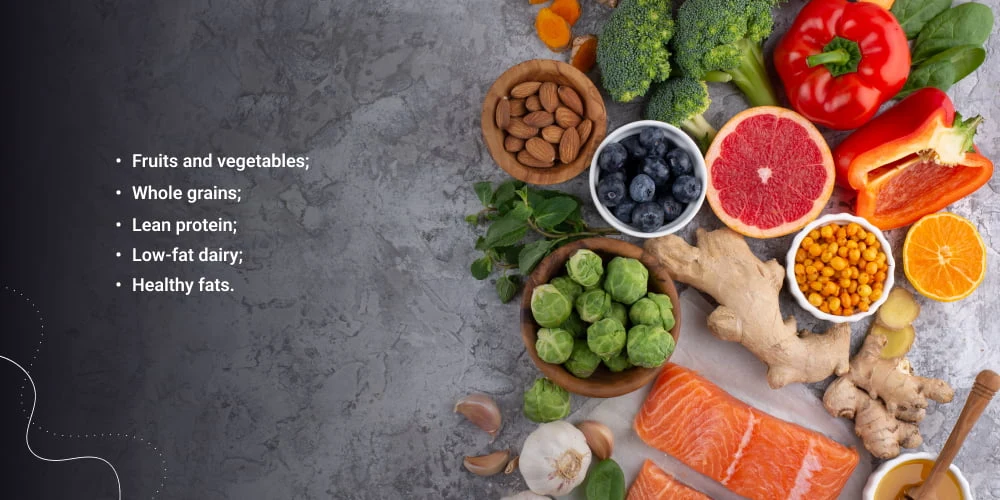
The best dietary patterns for stroke recovery are similar to heart-healthy diets such as:
DASH-style eating (Dietary Approaches to Stop Hypertension)
Mediterranean-style diet
The main focus is:
Low salt
Low saturated fat
High fiber
High antioxidants
Balanced lean protein
Healthy fats
Let’s break down the best foods for stroke patients by category.
Leafy Green Vegetables
Examples:
Spinach
Kale
Ugu (pumpkin leaves)
Bitter leaf
Lettuce
Leafy greens are among the most powerful foods for stroke patients because they are rich in:
Fruits are essential foods for stroke patients because they provide natural vitamins and fiber.
Best options include:
Oranges
Apples
Bananas
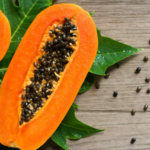
Pawpaw (papaya)
Berries
Watermelon
Fruits contain antioxidants that protect brain cells from further damage.
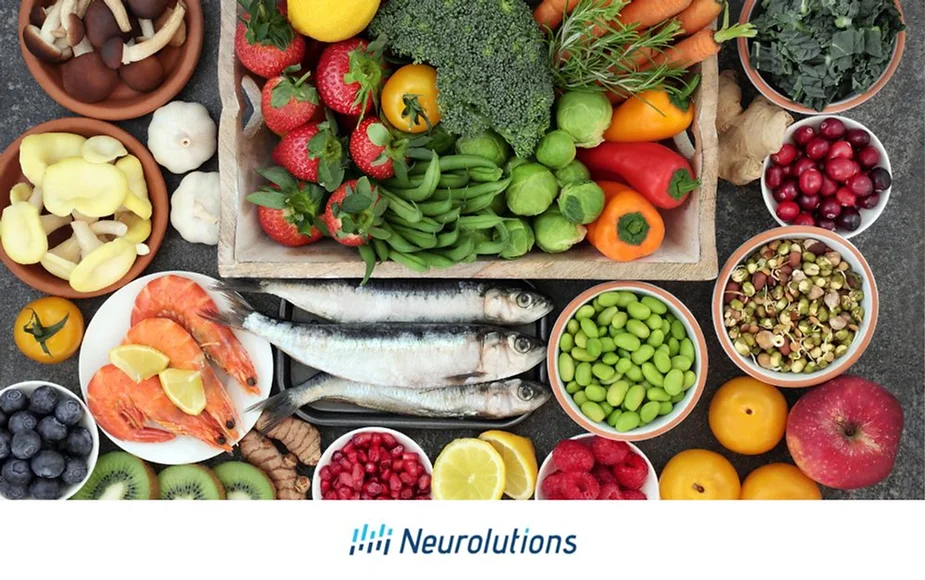
Post-Stroke Nutrition and How It Improves Stroke Recovery – Neurolutions
They also help regulate blood pressure and digestion.
Whole Grains
Whole grains improve heart health and stabilize blood sugar.
Examples:
Brown rice
Oats
Whole wheat bread
Millet
Sorghum
Whole grains are excellent foods for stroke patients because they:
Lower cholesterol
Improve digestion
Reduce inflammation
Maintain steady energy levels
Avoid refined grains like white bread and heavily processed flour products.
Lean Protein Sources
Protein helps repair tissues and maintain muscle strength during recovery.
Healthy options include:
Skinless chicken
Turkey
Beans
Lentils
Fish
Tofu
Fish, especially fatty fish like salmon and mackerel, are powerful foods for stroke patients because they contain omega-3 fatty acids, which reduce inflammation and improve blood vessel function.
Healthy Fats
Not all fats are harmful.
Healthy fats help protect blood vessels and improve cholesterol balance.
Best sources:
Olive oil
Avocados
Nuts (almonds, walnuts)
Seeds (chia, flaxseed)
These foods for stroke patients help reduce LDL (bad cholesterol) and increase HDL (good cholesterol).
Low-Fat Dairy Options
Dairy can be included in moderation.
Choose:
Low-fat milk
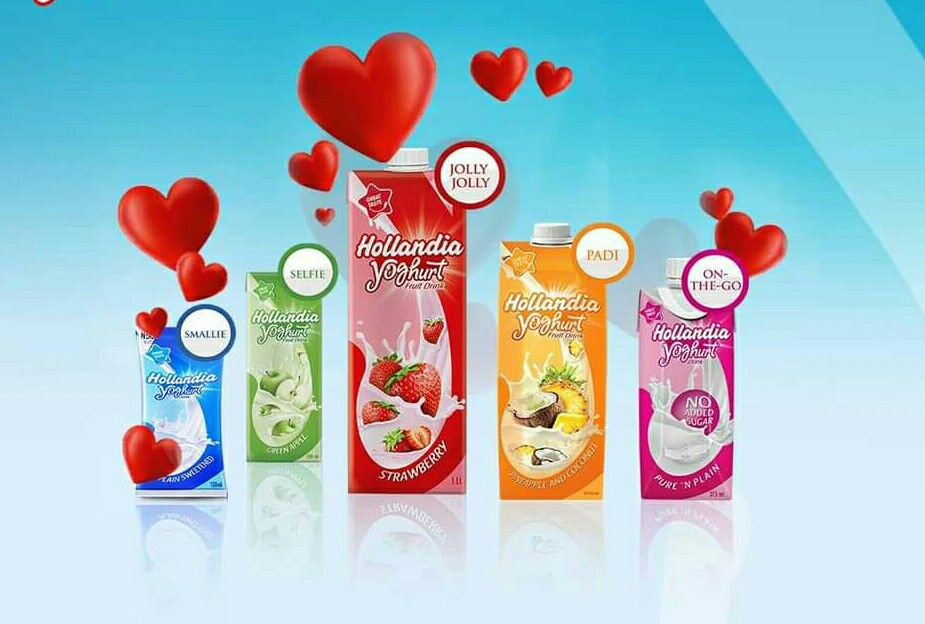
Low-fat yogurt
Reduced-fat cheese
These provide calcium and protein without excessive saturated fat.
Foods Rich in Potassium
Potassium helps control blood pressure, which is the leading cause of stroke.
Examples:
Bananas
Sweet potatoes
Spinach
Beans
Avocados
Including potassium-rich foods for stroke patients helps prevent another episode.
Foods High in Fiber
Fiber lowers cholesterol and improves digestion.
High-fiber foods for stroke patients include:
Beans
Lentils
Whole grains
Fruits
Vegetables
A fiber-rich diet supports long-term cardiovascular health.
Foods Stroke Patients Should Avoid
Just as important as knowing the best foods for stroke patients is understanding what to avoid.
Limit or avoid:
Processed meats (sausages, bacon)
Fried foods
Excess salt
Sugary drinks
Excess red meat
Trans fats
Packaged snacks
These increase blood pressure, cholesterol, and inflammation.
Special Consideration: Swallowing Problems
Many stroke patients develop dysphagia (difficulty swallowing).
In such cases, foods may need to be:
Soft
Mashed
Pureed
Thickened (for liquids)
Proper feeding techniques are crucial to prevent choking and pneumonia.
A speech therapist may guide safe eating practices.
Hydration Is Essential
Water supports circulation and prevents dehydration.
Stroke patients should drink adequate fluids unless restricted by a doctor.
Avoid excessive sugary drinks and limit caffeine.
Sample One-Day Meal Plan for Stroke Patients
Breakfast:
Oatmeal with sliced banana and a handful of nuts
Low-fat milk
A graduate of Computer Science and Information Management Technology. Diploma – Caregiving, Certificates – Dementia and Diabetes Awareness and Management. A researcher, blogger, songwriter, singer and acoustic guitarist. Born in an environment where natural talents such as healing are imparted at our natural birth. This natural talents of healing is the result of our genetic inheritance and the training from family environment.
We use cookies on our website to give you the most relevant experience by remembering your preferences and repeat visits. By clicking “Accept All”, you consent to the use of ALL the cookies. However, you may visit "Cookie Settings" to provide a controlled consent.
This website uses cookies to improve your experience while you navigate through the website. Out of these, the cookies that are categorized as necessary are stored on your browser as they are essential for the working of basic functionalities of the website. We also use third-party cookies that help us analyze and understand how you use this website. These cookies will be stored in your browser only with your consent. You also have the option to opt-out of these cookies. But opting out of some of these cookies may affect your browsing experience.
Necessary cookies are absolutely essential for the website to function properly. These cookies ensure basic functionalities and security features of the website, anonymously.
Cookie
Duration
Description
cookielawinfo-checkbox-analytics
11 months
This cookie is set by GDPR Cookie Consent plugin. The cookie is used to store the user consent for the cookies in the category "Analytics".
cookielawinfo-checkbox-functional
11 months
The cookie is set by GDPR cookie consent to record the user consent for the cookies in the category "Functional".
cookielawinfo-checkbox-necessary
11 months
This cookie is set by GDPR Cookie Consent plugin. The cookies is used to store the user consent for the cookies in the category "Necessary".
cookielawinfo-checkbox-others
11 months
This cookie is set by GDPR Cookie Consent plugin. The cookie is used to store the user consent for the cookies in the category "Other.
cookielawinfo-checkbox-performance
11 months
This cookie is set by GDPR Cookie Consent plugin. The cookie is used to store the user consent for the cookies in the category "Performance".
viewed_cookie_policy
11 months
The cookie is set by the GDPR Cookie Consent plugin and is used to store whether or not user has consented to the use of cookies. It does not store any personal data.
Functional cookies help to perform certain functionalities like sharing the content of the website on social media platforms, collect feedbacks, and other third-party features.
Performance cookies are used to understand and analyze the key performance indexes of the website which helps in delivering a better user experience for the visitors.
Analytical cookies are used to understand how visitors interact with the website. These cookies help provide information on metrics the number of visitors, bounce rate, traffic source, etc.
Advertisement cookies are used to provide visitors with relevant ads and marketing campaigns. These cookies track visitors across websites and collect information to provide customized ads.