Health Benefits of Fresh Cheeses: A Complete Guide to Nutrition, Taste, and Wellness
Discover the amazing health benefits of fresh cheeses. Learn about their nutrition, types, and how to add them to your diet for stronger bones, better digestion, and overall wellness.
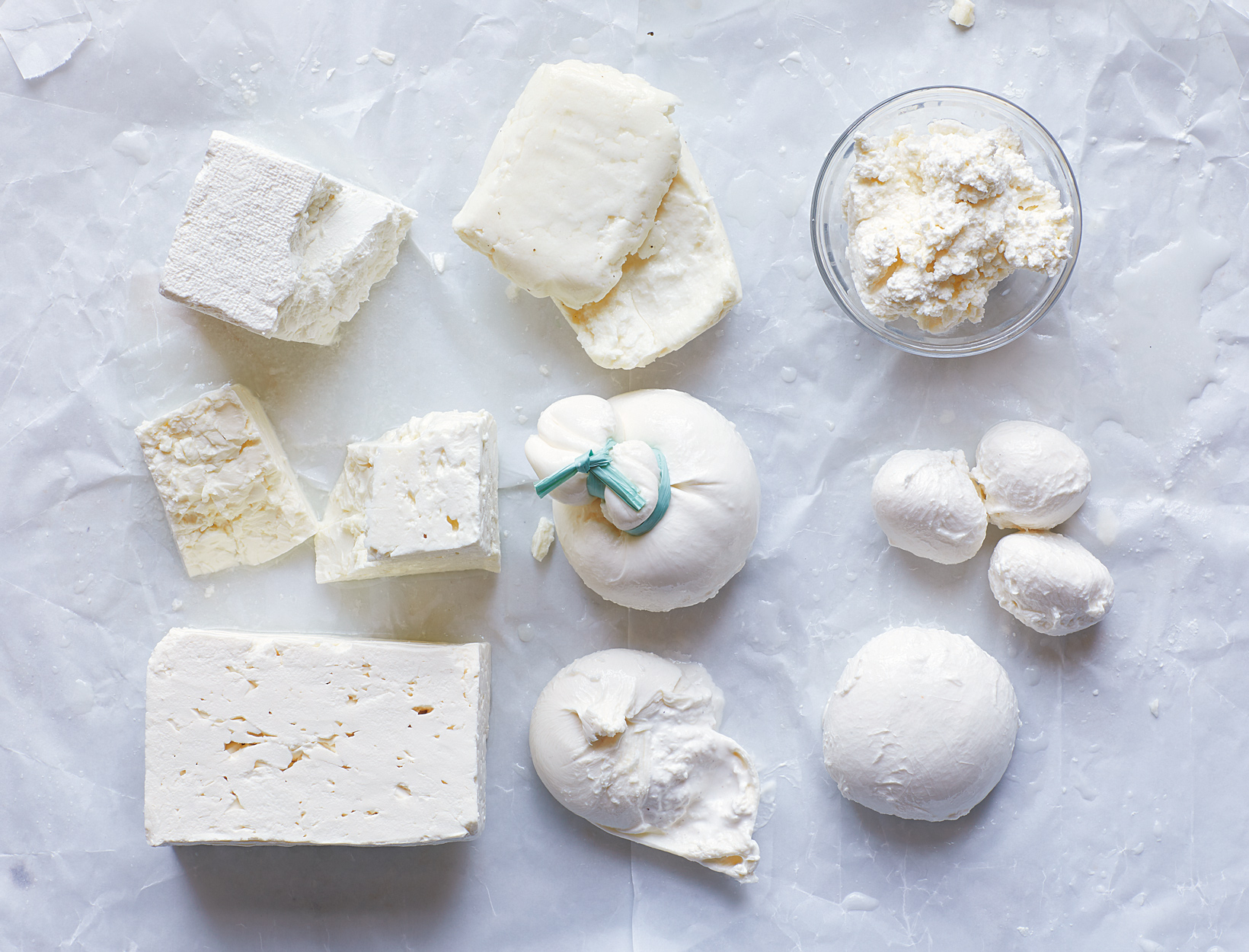
When it comes to cheese, most people picture the rich, aged varieties like cheddar, gouda, or parmesan. But there’s another category of cheese that deserves just as much attention: fresh cheeses. Unlike aged cheeses, fresh cheeses are soft, moist, and consumed soon after they are made.
They are milder in flavor, lower in fat and sodium, and often packed with nutrients that make them a healthy addition to your diet.
In this article, we’ll take a deep dive into the health benefits of fresh cheeses, explore different types you can enjoy, discuss their nutritional value, and share tips on how to add them to your everyday meals. Whether you’re a foodie, a health-conscious eater, or someone simply curious about nutrition, this guide will give you all the insights you need.
What Are Fresh Cheeses?
Fresh cheeses are cheeses that have not been aged or matured. They are usually made by curdling milk with an acid (like lemon juice or vinegar) or rennet, draining the whey, and sometimes adding a little salt. Unlike aged cheeses, they are eaten right away, which is why they have a softer texture, lighter taste, and shorter shelf life.
Some popular types of fresh cheeses include:
Ricotta
Cottage cheese
Mozzarella (fresh variety)
Mascarpone
Burrata
Paneer
Feta (when not aged too long)
Cream cheese
Queso fresco
Because they are less processed than aged cheeses, fresh cheeses tend to retain more water and some beneficial nutrients. They’re also versatile in the kitchen, pairing well with both savory and sweet dishes.
Nutritional Profile of Fresh Cheeses
Before we look at the health benefits of fresh cheeses, it’s important to understand their nutritional makeup. While the exact composition depends on the type, fresh cheeses generally share these qualities:
High in protein – great for muscle repair and satiety.
Rich in calcium – supports strong bones and teeth.
Source of phosphorus and magnesium – essential for energy production.
Contains probiotics (in some types like cottage cheese and fresh mozzarella) – good for gut health.
Lower in sodium and fat than many aged cheeses.
Rich in vitamins – especially vitamin A, vitamin B12, and riboflavin.
For example, a 100-gram serving of cottage cheese provides around:
98 calories
11 grams of protein
4 grams of fat
83 mg of calcium
This makes fresh cheese a nutrient-dense, satisfying food choice.
Health Benefits of Fresh Cheeses
Let’s now explore why adding fresh cheeses to your diet can support your overall health.
Supports Bone and Teeth Health
Fresh cheeses are excellent sources of calcium and phosphorus, two minerals that work together to keep bones and teeth strong. Calcium is also essential for muscle contractions and nerve function. For children, adolescents, and older adults, eating fresh cheese regularly can help prevent bone issues like osteoporosis.
High-Quality Protein for Muscle Growth
Protein is one of the most important nutrients for the body, and fresh cheeses deliver plenty of it. Whether you’re an athlete, someone recovering from illness, or simply looking to build lean muscle, incorporating cottage cheese, ricotta, or paneer can give you the protein boost you need.
Promotes Healthy Digestion
Certain fresh cheeses contain probiotics, which are beneficial bacteria that support gut health. Fresh mozzarella and cultured cottage cheese, for example, can help balance your gut microbiome, improving digestion and even boosting immunity.
Aids in Weight Management
One of the underrated health benefits of fresh cheeses is their role in weight control. Fresh cheeses are often low in calories but high in protein, which means they keep you full longer and help curb cravings. Cottage cheese is especially popular among people trying to lose weight because it is filling yet light.
Good for Heart Health
Because fresh cheeses usually contain less fat and sodium compared to aged varieties, they are generally friendlier to your cardiovascular system. Calcium and potassium found in these cheeses may also help regulate blood pressure.
Rich in Vitamins and Minerals
Fresh cheeses provide a variety of essential nutrients, including:
Vitamin A – for vision and skin health.
Vitamin B12 – crucial for energy production and brain function.
Riboflavin (B2) – supports metabolism.
These vitamins and minerals make fresh cheeses not just a tasty option but also a functional food.
Suitable for Many Diets
Fresh cheeses are incredibly versatile. They can fit into:
Vegetarian diets (paneer, ricotta, mozzarella).
High-protein diets (cottage cheese).
Low-carb diets (most fresh cheeses are naturally low in carbs).
Mediterranean diets (fresh feta and mozzarella are staples).
This adaptability makes them a reliable choice for people with varied nutritional needs.
Different Types of Fresh Cheeses and Their Benefits
Let’s take a closer look at some common fresh cheeses and what they bring to the table:
Cottage Cheese
Low in fat and high in protein, cottage cheese is a favorite among fitness enthusiasts. It’s also easy to digest and makes a perfect snack for weight management.
Ricotta
Soft and creamy, ricotta is loaded with calcium and works beautifully in both savory and sweet dishes. It’s often used in Italian cooking, from lasagna to cheesecakes.
Fresh Mozzarella
Made from buffalo or cow’s milk, mozzarella is rich in calcium and probiotics. Paired with tomatoes and basil, it forms the famous Caprese salad.
Paneer
A staple in Indian cuisine, paneer is a fresh, firm cheese high in protein. It’s versatile and used in curries, grills, and stir-fries.
Feta (Fresh Version)
Tangy and crumbly, fresh feta offers a good balance of flavor and nutrition. It’s lower in fat than many cheeses and adds zest to salads and wraps.
Mascarpone
While slightly richer, mascarpone is full of vitamins and minerals. It’s mostly used in desserts like tiramisu but can also be blended into savory spreads.
Queso Fresco
A fresh Latin American cheese, light and crumbly, queso fresco is low in fat and adds a mild flavor to tacos, beans, and salads.
How to Add Fresh Cheeses to Your Diet
Adding fresh cheeses to your meals doesn’t have to be complicated. Here are some simple ideas:
Breakfast: Spread ricotta on toast with honey and fruit.
Snacks: Enjoy cottage cheese with cucumber slices or berries.
Lunch: Add feta to your salad for a boost of protein.
Dinner: Use paneer in curries or fresh mozzarella on homemade pizza.
Desserts: Blend mascarpone into a light cream for fruit toppings.
These simple additions can make your meals healthier, more satisfying, and more enjoyable.
How to Make Fresh Cheeses at Home
One of the best things about fresh cheeses is that you don’t need fancy equipment or long aging processes to enjoy them. With just a few ingredients and some basic kitchen tools, you can create soft, delicious cheeses right in your own home. Here’s a simple step-by-step guide.
Basic Ingredients You’ll Need
Milk – Whole cow’s milk works best, but you can also use goat’s or buffalo milk. Avoid ultra-pasteurised milk as it won’t curdle properly.
Acid – Lemon juice, white vinegar, or citric acid. This helps curdle the milk.
Salt – Optional, for flavor.
Optional Additions – Fresh herbs, garlic, or spices for taste.
Equipment
A large pot
A wooden spoon
Cheesecloth or a clean cotton cloth
A strainer or colander
A bowl for collecting whey
Step-by-Step Process
Step 1: Heat the Milk
Pour your milk into a large pot and slowly heat it on medium flame. Stir gently to prevent burning. Bring it close to boiling but don’t let it boil fully (around 85–90°C / 185–194°F).
Step 2: Add the Acid
Turn off the heat and gently stir in lemon juiceor vinegar. Almost immediately, you’ll see the milk start to separate into white curds (cheese solids) and a yellowish liquid (whey).
Step 3: Let It Rest
Cover the pot and let the mixture sit undisturbed for about 10–15 minutes. This allows the curds to form completely.
Step 4: Strain the Curds
Place a cheesecloth over a strainer and carefully pour the mixture in. The liquid whey will drain out, leaving the curds in the cloth. You can save the whey for soups, smoothies, or bread-making since it’s full of nutrients.
Step 5: Season and Shape
Sprinkle a little salt over the curds if desired, then gather the cheesecloth and gently press out excess liquid. Depending on how firm you want your cheese, you can:
Leave it soft and creamy for ricotta-style cheese.
Press it under a heavy object for a few hours to make paneer-style cheese.
Variations of Fresh Cheese You Can Try
Ricotta – Use whole milk, drain lightly for a creamy texture.
Paneer – Press firmly to create a block you can slice and cook.
Queso Fresco – Add salt and crumble for use in Mexican dishes.
Labneh – Strain yogurt overnight for a tangy, spreadable cheese.
Tips for Success
The fresher the milk, the better the taste.
Don’t overheat the milk, or the texture will be rubbery.
Experiment with herbs like basil, dill, or rosemary for flavored cheeses.
Always store fresh cheese in the refrigerator and consume within 3–5 days.
Making fresh cheeses at home is surprisingly simple and rewarding. With just milk, an acid, and a bit of patience, you can prepare soft, nutritious cheeses that are healthier and fresher than many store-bought options. Not only does this save money, but it also gives you control over ingredients, flavors, and textures.
So the next time you crave something creamy, wholesome, and delicious, try making your own fresh cheese. It’s an easy way to experience the health benefits of fresh cheeses while enjoying a homemade touch.
Are There Any Downsides?
While the health benefits of fresh cheeses are numerous, moderation is key. Some varieties, like cream cheese or mascarpone, are higher in fat. Also, people with lactose intolerance may experience discomfort, though many fresh cheeses contain less lactose than milk.
Always check labels for added sodium or preservatives if you are watching your salt intake. Opting for natural, minimally processed versions is the best way to enjoy their benefits.
Conclusion
Fresh cheeses are more than just delicious—they are nutrient-packed foods that offer a wide range of health benefits. From supporting bonehealth to aiding digestion, boosting protein intake, and even helping with weight management, fresh cheeses deserve a place in your diet.
By experimenting with different types—whether it’s cottage cheese, ricotta, paneer, or mozzarella—you can enjoy a variety of flavors while nourishing your body. So the next time you’re looking for a healthy, versatile ingredient, consider reaching for fresh cheese.
In the end, the health benefits of fresh cheeses go far beyond taste. They represent balance, nourishment, and the joy of wholesome eating.
A graduate of Computer Science and Information Management Technology. Diploma – Caregiving, Certificates – Dementia and Diabetes Awareness and Management. A researcher, blogger, songwriter, singer and acoustic guitarist. Born in an environment where natural talents such as healing are imparted at our natural birth. This natural talents of healing is the result of our genetic inheritance and the training from family environment.
We use cookies on our website to give you the most relevant experience by remembering your preferences and repeat visits. By clicking “Accept All”, you consent to the use of ALL the cookies. However, you may visit "Cookie Settings" to provide a controlled consent.
This website uses cookies to improve your experience while you navigate through the website. Out of these, the cookies that are categorized as necessary are stored on your browser as they are essential for the working of basic functionalities of the website. We also use third-party cookies that help us analyze and understand how you use this website. These cookies will be stored in your browser only with your consent. You also have the option to opt-out of these cookies. But opting out of some of these cookies may affect your browsing experience.
Necessary cookies are absolutely essential for the website to function properly. These cookies ensure basic functionalities and security features of the website, anonymously.
Cookie
Duration
Description
cookielawinfo-checkbox-analytics
11 months
This cookie is set by GDPR Cookie Consent plugin. The cookie is used to store the user consent for the cookies in the category "Analytics".
cookielawinfo-checkbox-functional
11 months
The cookie is set by GDPR cookie consent to record the user consent for the cookies in the category "Functional".
cookielawinfo-checkbox-necessary
11 months
This cookie is set by GDPR Cookie Consent plugin. The cookies is used to store the user consent for the cookies in the category "Necessary".
cookielawinfo-checkbox-others
11 months
This cookie is set by GDPR Cookie Consent plugin. The cookie is used to store the user consent for the cookies in the category "Other.
cookielawinfo-checkbox-performance
11 months
This cookie is set by GDPR Cookie Consent plugin. The cookie is used to store the user consent for the cookies in the category "Performance".
viewed_cookie_policy
11 months
The cookie is set by the GDPR Cookie Consent plugin and is used to store whether or not user has consented to the use of cookies. It does not store any personal data.
Functional cookies help to perform certain functionalities like sharing the content of the website on social media platforms, collect feedbacks, and other third-party features.
Performance cookies are used to understand and analyze the key performance indexes of the website which helps in delivering a better user experience for the visitors.
Analytical cookies are used to understand how visitors interact with the website. These cookies help provide information on metrics the number of visitors, bounce rate, traffic source, etc.
Advertisement cookies are used to provide visitors with relevant ads and marketing campaigns. These cookies track visitors across websites and collect information to provide customized ads.