Discover the best herbal tea for sleep and anxiety. Learn how chamomile, lavender, valerian, lemon balm, and more calm your mind and improve rest.
In our modern world, sleep problems and anxiety have become two of the most common health complaints. Surveys reveal that millions of people struggle with insomnia, racing thoughts, stress, or restlessness at night. This creates a vicious cycle — poor sleep increases anxiety, and anxietymakes it even harder to sleep.
While medications can provide short-term relief, many people dislike their side effects — grogginess, dependency, or hormonal imbalances. As a result, more people are turning toward natural remedies, and one of the most effective and time-tested is herbal tea for sleep and anxiety.
For centuries, cultures around the world have relied on herbs to heal the body, quiet the mind, and restore balance. Today, modern science is confirming what traditional healers always knew: herbal teas contain compounds that relax the nervous system, reduce stress hormones, and encourage restful sleep.
This article provides a complete guide — from the science of herbal tea, to the best herbs to try, how to prepare them properly, and lifestyle practices to make them work even better. By the end, you’ll understand why so many people rely on herbal tea for sleep and anxiety as a safe, natural, and enjoyable solution.
Why Sleep and Anxiety Are Connected
Before diving into herbal remedies, it’s important to understand the link between sleep and anxiety.
Stress response: When you’re anxious, your body releases stress hormones like cortisol and adrenaline. These keep you alert — which is the opposite of what you need for sleep.
Racing thoughts: Anxiety often brings intrusive, repetitive thoughts that make it hard to “switch off” at bedtime.
Poor sleep = higher anxiety: Studies show that sleep deprivation increases activity in the amygdala (the brain’s fear center), making people more emotionally reactive and prone to anxiety.
Cycle of exhaustion: Over time, lack of sleep weakens your resilience, making even small stresses feel overwhelming.
This cycle traps many people. That’s why finding gentle solutions like herbal tea for sleep and anxiety can be so powerful — it addresses both problems at once.
What Makes Herbal Tea Effective?
Herbal teas are not just flavored water. Each herb contains bioactive compounds that interact with your brain and body in unique ways. Here’s why they work so well:
No caffeine – Most herbal teas are naturally caffeine-free, so they don’t disrupt your sleep cycle like coffee or black tea can.
Rich in calming compounds – Herbs such as chamomile, valerian root, and lemon balm contain natural sedative and anti-anxiety agents.
Soothing ritual – Preparing and sipping tea slows you down, signaling to your body that it’s time to relax.
Gentle and safe – Compared to pharmaceutical drugs, herbal teas are mild, non-addictive, and have fewer side effects.
Holistic support – Many herbs not only calm the mind but also ease digestive issues, muscle tension, or hormonal imbalances that contribute to poor sleep.
The Science of Herbal Tea for Sleep and Anxiety
Herbal teas have been used for centuries, but what does modern research say?
How Herbal Compounds Work in the Brain
Chamomile – Contains apigenin, which binds to GABA receptors in the brain, producing a sedative effect similar to anti-anxiety medications.
Lavender – Rich in linalool and linalyl acetate, compounds that reduce heart rate, blood pressure, and stress hormones.
Valerian root – Boosts GABA levels, calming overactive brain activity and shortening the time it takes to fall asleep.
Passionflower– Reduces excessive mental activity, making it easier to quiet racing thoughts.
Lemon balm – Acts as a natural anxiolytic (anti-anxiety agent), improving mood and reducing nervous tension.
Studies on Herbal Tea and Sleep
A 2016 study found that older adults who drank chamomile tea daily had significantly better sleep quality than those who didn’t.
A 2020 clinical trial showed lavender tea reduced anxiety symptoms and improved heart rate variability (a marker of relaxation).
Research in Sleep Medicine Reviews highlighted valerian root’s potential to reduce sleep latency (time to fall asleep).
Together, these findings confirm what traditions across the world have practiced for ages: herbal tea for sleep and anxiety truly works.
The Best Herbal Teas for Sleep and Anxiety
When it comes to calming the mind and preparing the body for restful sleep, not all herbs are created equal. Some are mild and soothing, while others act almost like natural sedatives. Below are some of the most effective herbal teas for sleep and anxiety, each with its own strengths, flavor profile, and unique history.
Chamomile Tea 🌼
Why it works:
Chamomile has been used for thousands of years as a natural sleep aid. Ancient Egyptians, Greeks, and Romans brewed chamomile tea to relieve stress, aid digestion, and promote relaxation. Modern research now shows that chamomile is rich in apigenin, a flavonoid that binds to receptors in the brain (specifically GABA receptors), producing a gentle sedative effect similar to certain anti-anxiety drugs but without the side effects.
Flavor:
Chamomile tea has a gentle, floral, and slightly sweet taste, making it one of the most pleasant bedtime teas to sip. It’s often enjoyed without sweeteners, though a drizzle of honey pairs beautifully.
Best for:
Mild anxiety that makes it hard to unwind
Trouble falling asleep due to racing thoughts
Nighttime relaxation before bed
Extra Benefits:
Eases indigestion and bloating (helpful if stomach discomfort keeps you awake)
How to use:
Drink a warm cup 30–45 minutes before bed. For deeper relaxation, pair it with lavender or lemon balm for a calming bedtime blend.
Lavender Tea 💜
Why it works: Lavender is often associated with aromatherapy, but when brewed into tea, it has powerful calming properties. Its active compounds — linalool and linalyl acetate — help reduce cortisol levels (the body’s stress hormone) and relax the nervous system. Clinical trials have shown lavender tea can improve sleep quality, reduce anxiety, and even stabilize mood in people with chronic stress.
Flavor:
Lavender tea has a light, floral, and slightly earthy flavor. Some find it strong on its own, which is why it’s often blended with chamomile, peppermint, or lemon balm for a smoother taste.
Best for:
Stress-related insomnia
Restlessness caused by overthinking
Anxietywith physical symptoms like rapid heartbeat or shallow breathing
Extra Benefits:
Relieves headaches and migraines
Supports healthy digestion
Can lift low moods and help reduce mild depressionsymptoms
How to use:
Sip lavender tea in the evening or during stressful daytime moments. Try combining it with chamomile for a double dose of relaxation. Adding a drop of raw honey enhances both flavor and soothing effects.
Valerian Root Tea 🌱
Why it works:
Known as “nature’s Valium,” valerian root is one of the strongest herbal teas for sleep and anxiety. It has been used since the time of ancient Greece and Rome, where Hippocrates described its calming properties. Its key mechanism is increasing levels of gamma-aminobutyric acid (GABA) in the brain, which quiets excessive neural activity and promotes relaxation. Unlike mild herbs, valerian can act as a natural sedative, making it particularly useful for people with chronic insomnia.
Flavor:
Valerian tea has a strong, earthy, and slightly pungent taste, which some people find unpleasant. It is often blended with sweeter or lighter herbs (such as chamomile or peppermint) to improve its flavor.
Best for:
Severe anxiety or panic-like symptoms
Chronic insomnia or frequent sleep disturbances
Nights when it feels impossible to “switch off”
Extra Benefits:
May ease muscle pain and tension headaches
Helps reduce menopausal symptoms like hot flashes and sleep disruption
Supports relaxation without causing dependency (unlike prescription sleeping pills)
How to use:
Drink valerian tea 30–60 minutes before bed. Start with small amounts to test tolerance, as high doses may cause grogginess the next morning. For best results, use it only when needed, not every single night.
Lemon Balm Tea 🍋
Why it works:
Part of the mint family, lemon balm has been used since the Middle Ages to reduce stress and promote calmness. Its compounds help increase GABA activity, similar to valerian root but in a much gentler way. This makes it perfect for people who experience mild to moderate anxiety or restlessness that prevents them from relaxing. Studies show that lemon balm tea can improve mood, reduce nervous tension, and encourage restful sleep.
Flavor:
As its name suggests, lemon balm tea has a fresh, citrusy, and slightly minty flavor. It’s light, refreshing, and easy to drink at any time of day.
Best for:
Daytime anxiety and mood swings
Stress that interferes with relaxation in the evening
Gentle sleep support without heavy sedation
Extra Benefits:
Improves digestion and reduces bloating
Can sharpen focus and memory (at low doses)
Supports heart health by reducing blood pressure in stressed individuals
How to use:
Drink lemon balm tea in the afternoon or evening to promote calmness. It also works well as a daytime tea for managing stress without making you sleepy. For a powerful nighttime blend, combine lemon balm with chamomile or lavender.
Peppermint Tea 🌿
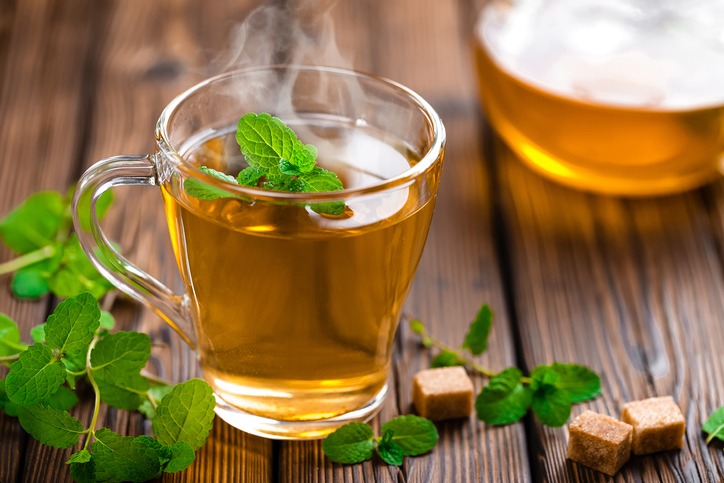
Why it works: Peppermint tea is well-known for its soothing properties on both the body and mind. It contains menthol, a natural compound that relaxes the muscles, eases physical tension, and calms the digestive system. Many people experience anxiety symptoms in the form of stomach discomfort, nausea, or indigestion, and peppermint tea can provide quick relief in such cases. By reducing digestive distress, it indirectly reduces feelings of nervousness, allowing the mind to relax.
Flavor: Refreshing, cool, and minty—almost like a natural breath of fresh air.
Best for: Peppermint tea is especially beneficial for people whose anxiety is often accompanied by digestive problems, such as bloating or an upset stomach. It is also an excellent bedtime drink since it helps the body relax and promotes smooth digestion, setting the stage for restful sleep. If you want a non-caffeinated herbal tea for sleep and anxiety that also doubles as a digestive aid, peppermint tea is an excellent choice.
Passionflower Tea 🌸
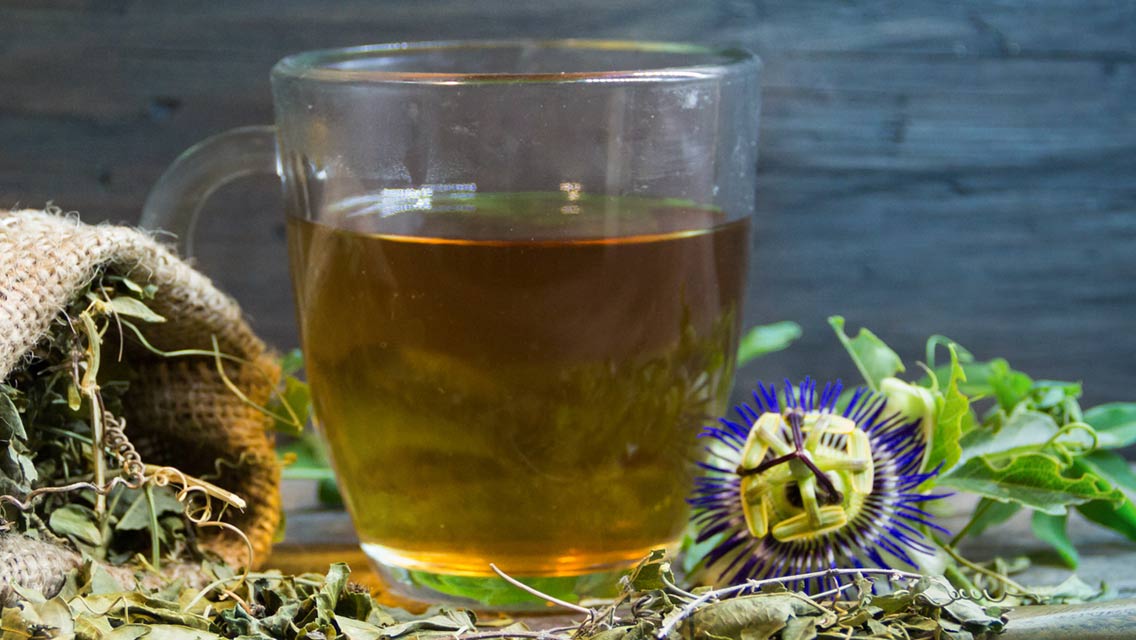
Why it works: Passionflower tea is a gentle yet powerful remedy for calming the mind. It works by increasing levels of gamma-aminobutyric acid (GABA), a neurotransmitter that reduces brain overactivity and quiets racing thoughts. Many people struggling with anxiety describe feeling like their mind is “always on.” Passionflower helps slow this mental chatter, making it easier to focus, breathe, and eventually drift into sleep.
Flavor: Mild, slightly grassy, with a smooth and delicate finish.
Best for: If your anxiety often manifests as restlessness, nervous energy, or overthinking at night, passionflower tea is one of the best herbal teas for sleep and anxiety. It helps the body transition naturally into a state of rest, making it a good option for those who have difficulty staying asleep through the night. It’s particularly recommended for people who struggle with insomnia due to an overactive mind.
Ashwagandha Tea 🌿
Why it works: Unlike other calming teas that provide more immediate effects, ashwagandha tea acts as an adaptogen, meaning it helps the body adapt to long-term stress. It works by balancing cortisol levels—the primary stress hormone—which over time builds resilience against anxiety and fatigue. Regular consumption of ashwagandha tea helps the nervous system become more stable, reducing chronic stressand promoting deeper rest.
Flavor: Slightly bitter, earthy, with a grounding taste that pairs well with spices like cinnamon or ginger.
Best for: Ashwagandha tea is not necessarily a quick fix for sleeplessness but is perfect for those dealing with long-term anxiety, ongoing stress, or burnout. If you feel constantly drained or anxious even after resting, adding ashwagandha tea to your evening routine can gradually restore balance and improve sleep quality over weeks of consistent use. It’s a deeper, more restorative herbal tea for sleep and anxiety compared to fast-acting ones like chamomile or lavender.
Rooibos Tea 🍂
Why it works: Rooibos tea, also known as red bush tea from South Africa, is naturally caffeine-free and packed with antioxidants. These antioxidants help reduce oxidative stress and inflammation in the body, which can contribute to anxiety and poor sleep. Unlike stronger sedative teas, rooibos works gently—it doesn’t make you drowsy, but instead promotes a sense of calm and balance, making it a perfect everyday option.
Flavor: Smooth, naturally sweet, slightly nutty, with a warm and comforting taste.
Best for: Rooibos tea is great for people who want a calming bedtime ritual without the heavy sedative effects. It’s an ideal herbal tea for sleep and anxiety if you prefer something light, soothing, and safe to drink every evening. Because of its mild nature, it’s also suitable for children or anyone sensitive to stronger herbal teas. Many people enjoy it as part of a relaxing nightly routine, sometimes with a splash of warm milk or honey for added comfort.
How to Brew Herbal Tea for Sleep and Anxiety
For maximum effect, proper brewing matters.
Water temperature: Use hot (not boiling) water, around 90°C / 194°F.
Steeping time: 5–10 minutes to release full benefits. Cover your cup to trap essential oils.
Sweeteners: Use honey or lemon if needed, but avoid too much sugar before bed.
Blends: Try combinations like chamomile + lavender, or valerian + lemon balm, for enhanced results.
Pro tip: Prepare your tea 30–60 minutes before bedtime to allow its calming compounds to take effect.
Lifestyle Habits to Boost the Effects of Herbal Tea
Drinking herbal tea for sleep and anxiety works best when combined with healthy habits. Try these:
Sleep hygiene – Keep your bedroom dark, cool, and quiet.
Limit caffeine – Avoid coffee or energy drinks in the afternoon.
Mindfulness rituals – Pair your tea with journaling, meditation, or soft music.
Consistent schedule – Go to bed and wake up at the same time daily.
Digital detox – Reduce blue light exposure an hour before bed.
These practices amplify the calming effects of herbal tea.
Possible Side Effects and Safety
Although generally safe, certain herbs require caution:
Valerian root may cause morning drowsiness if overused.
Passionflower and ashwagandha may not be safe for pregnant women.
Interactions: Herbal teas can interact with medications for anxiety, depression, or blood pressure.
Always consult a healthcare provider if you have chronic conditions or take prescription drugs.
Herbal Tea Blends to Try at Home
Creating your own blends can be both fun and therapeutic.
Stress Relief Blend: Lemon balm + rooibos + a touch of honey.
Experiment until you find your perfect mix.
Cultural Perspectives on Herbal Tea for Sleep and Anxiety
Herbal teas are deeply rooted in culture and tradition:
China: Used chrysanthemum and jujube teas for calming.
India: Ayurveda prescribes ashwagandha and tulsi tea for stress.
Europe: Chamomile tea has been a staple bedtime drink for centuries.
Africa: Rooibos tea is consumed daily for relaxation and balance.
These traditions show that the use of herbal tea for sleep and anxiety is a universal human practice.
Conclusion
Sleep and peace of mind are two essentials for good health, yet they often feel out of reach in our stressful modern lives. Fortunately, nature offers us a simple, soothing solution: herbal tea for sleep and anxiety.
Whether you choose chamomile’s gentle calm, valerian’s strong sedative power, or lemon balm’s cheerful stress relief, there’s an herbal tea suited for your unique needs. Paired with healthy routines, it can transform your nights into restful slumber and your days into calmer, more balanced experiences.
So, next time you feel restless or overwhelmed, skip the sleeping pill and instead, brew yourself a warm cup of herbal tea. It’s more than just a drink — it’s a ritual of healing, a pause in the chaos, and a gift of rest to your body and mind.
A graduate of Computer Science and Information Management Technology. Diploma – Caregiving, Certificates – Dementia and Diabetes Awareness and Management. A researcher, blogger, songwriter, singer and acoustic guitarist. Born in an environment where natural talents such as healing are imparted at our natural birth. This natural talents of healing is the result of our genetic inheritance and the training from family environment.
We use cookies on our website to give you the most relevant experience by remembering your preferences and repeat visits. By clicking “Accept All”, you consent to the use of ALL the cookies. However, you may visit "Cookie Settings" to provide a controlled consent.
This website uses cookies to improve your experience while you navigate through the website. Out of these, the cookies that are categorized as necessary are stored on your browser as they are essential for the working of basic functionalities of the website. We also use third-party cookies that help us analyze and understand how you use this website. These cookies will be stored in your browser only with your consent. You also have the option to opt-out of these cookies. But opting out of some of these cookies may affect your browsing experience.
Necessary cookies are absolutely essential for the website to function properly. These cookies ensure basic functionalities and security features of the website, anonymously.
Cookie
Duration
Description
cookielawinfo-checkbox-analytics
11 months
This cookie is set by GDPR Cookie Consent plugin. The cookie is used to store the user consent for the cookies in the category "Analytics".
cookielawinfo-checkbox-functional
11 months
The cookie is set by GDPR cookie consent to record the user consent for the cookies in the category "Functional".
cookielawinfo-checkbox-necessary
11 months
This cookie is set by GDPR Cookie Consent plugin. The cookies is used to store the user consent for the cookies in the category "Necessary".
cookielawinfo-checkbox-others
11 months
This cookie is set by GDPR Cookie Consent plugin. The cookie is used to store the user consent for the cookies in the category "Other.
cookielawinfo-checkbox-performance
11 months
This cookie is set by GDPR Cookie Consent plugin. The cookie is used to store the user consent for the cookies in the category "Performance".
viewed_cookie_policy
11 months
The cookie is set by the GDPR Cookie Consent plugin and is used to store whether or not user has consented to the use of cookies. It does not store any personal data.
Functional cookies help to perform certain functionalities like sharing the content of the website on social media platforms, collect feedbacks, and other third-party features.
Performance cookies are used to understand and analyze the key performance indexes of the website which helps in delivering a better user experience for the visitors.
Analytical cookies are used to understand how visitors interact with the website. These cookies help provide information on metrics the number of visitors, bounce rate, traffic source, etc.
Advertisement cookies are used to provide visitors with relevant ads and marketing campaigns. These cookies track visitors across websites and collect information to provide customized ads.