How Gentle Yoga Supports Elderly Care and Independence
Mindfulness and Movement: How Gentle Yoga Supports Elderly Care and Independence
Aging is a natural process that brings with it a variety of physical, emotional, and mental changes. For many elderly individuals, maintaining independence and a high quality of life becomes more challenging with age.
However, emerging evidence suggests that incorporating gentle yoga into daily routines can significantly enhance overall well-being and promote greater independence. By blending mindfulness with movement, gentle yoga offers a holistic approach that addresses both the body and the mind, making it an ideal practice for elderly care.
Physical Benefits of Gentle Yoga
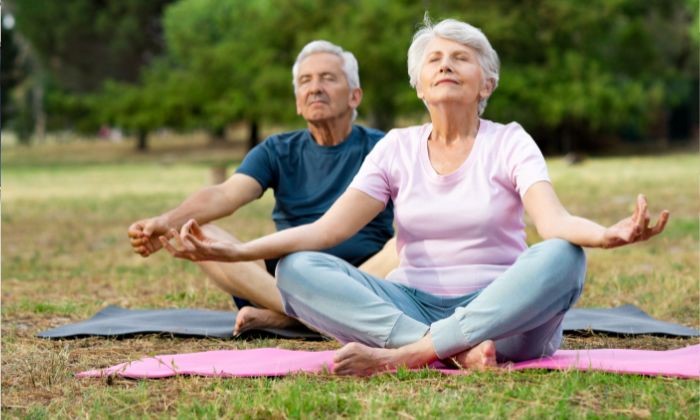
One of the primary concerns for older adults is the decline in physical mobility and flexibility. Gentle yoga, which includes slow, deliberate movements, deep breathing, and meditation, provides a safe and effective way to improve these functions.
In addition to regular physical therapy or medical care, many families are now turning to services such as in-home respite care to support their loved ones. These services, combined with mindful movement practices, create a comprehensive support system that fosters autonomy while ensuring safety and emotional support.
Adaptability and Inclusivity of Practice
Gentle yoga is unique in its ability to be tailored to each individual’s needs and limitations. Unlike more strenuous forms of exercise, gentle yoga prioritizes comfort, adaptability, and gradual progress. Seated yoga poses, wall-supported stretches, and floor exercises with props allow seniors with limited mobility to participate safely.
This inclusivity ensures that no one is left behind due to physical constraints. Additionally, yoga instructors trained in elderly care are adept at recognizing and accommodating age-related issues such as arthritis, osteoporosis, and balance disorders.
Emotional and Mental Health Support
The benefits of yoga for seniors go beyond the physical. Emotional well-being is a critical aspect of aging, and mindfulness practices embedded in yoga can help reduce stress, anxiety, and depression.
Mindfulness teaches individuals to focus on the present moment, which can be particularly beneficial for those coping with chronic illnesses, grief, or feelings of isolation. The combination of movement and meditation encourages a deeper connection to the self and fosters a sense of peace and acceptance.
Cognitive Enhancements
Cognitive health also receives a boost from regular yoga practice. Research indicates that mindfulness-based activities can improve attention, memory, and executive functioning. For elderly individuals, this means a better ability to manage daily tasks, make decisions, and maintain social connections.
These cognitive benefits directly contribute to a person’s capacity for independent living. In many cases, consistent yoga practice has been shown to delay cognitive decline and even mitigate early symptoms of dementia.
Promoting Social Interaction
Social interaction is another important component of elderly care, and yoga classes often provide a sense of community and belonging. Whether conducted in group settings at community centers or through online sessions tailored for home participation, yoga offers opportunities for seniors to engage with peers, share experiences, and build supportive networks. These social ties are invaluable in combating loneliness and promoting mental health.
Enhancing Sleep Quality
Furthermore, gentle yoga encourages better sleep patterns, which is a common issue among the elderly. Practices that include breathing exercises and relaxation techniques help regulate the nervous system and promote restful sleep.
Adequate sleep is essential for physical repair, cognitive clarity, and emotional resilience, making yoga an important tool in a comprehensive elderly care regimen.
Managing Chronic Pain
Pain management is another area where gentle yoga proves beneficial. Many seniors deal with chronic pain stemming from conditions like arthritis, sciatica, or postural imbalances. Gentle stretching and mindful movement can alleviate tension, increase circulation, and enhance muscular strength and joint function.
Over time, these improvements contribute to pain reduction and increased mobility, enabling seniors to engage more fully in their daily activities.
Reducing Caregiver Burden
From a caregiver’s perspective, encouraging gentle yoga for their elderly family members or clients can lighten the caregiving burden. When seniors experience fewer physical limitations and enhanced emotional stability, their need for constant assistance diminishes. This shift allows caregivers to focus on meaningful interactions rather than basic physical support, enriching the overall caregiving experience.
Fostering a Sense of Purpose
The integration of yoga into elderly care also promotes a sense of purpose. Many older adults struggle with feelings of uselessness or lack of direction after retirement or the loss of a spouse. Participating in a regular yoga routine can instill a sense of accomplishment and routine.
Each small improvement in flexibility, balance, or mood serves as a reminder of personal capability and growth, fostering a more positive self-image.
Strengthening Family Bonds
Additionally, yoga can serve as a bridge between generations. Family members who practice yoga with their elderly relatives not only support their loved ones’ health but also strengthen familial bonds.
These shared experiences create lasting memories and reinforce emotional ties, which are critical for holistic well-being in older age.
Healthcare and Economic Benefits
Healthcare providers are increasingly recognizing the value of yoga in preventative and rehabilitative care. Hospitals, nursing homes, and senior centers are incorporating yoga programs into their wellness offerings. This shift underscores the growing awareness of yoga’s benefits and its role in reducing healthcare costs by minimizing hospital visits, medication use, and long-term care needs.
Practicing Yoga at Home
The adaptability of yoga also makes it suitable for home practice. Seniors can follow along with guided videos or work with personal instructors in the comfort of their living rooms.
This accessibility is particularly important for those who face transportation challenges or prefer the familiarity of home settings. The ability to practice yoga at home empowers seniors to take charge of their health journey at their own pace.
Safe Implementation and Lifestyle Integration
To ensure safety and maximize benefits, it is essential for seniors to consult with healthcare providers before beginning any new exercise regimen, including yoga.
Collaborating with a qualified yoga instructor who understands the specific needs of the elderly is equally important. These professionals can design personalized routines that address individual health concerns and fitness levels.
It is also helpful to combine yoga with other lifestyle modifications such as a balanced diet, regular hydration, and social engagement. These complementary practices create a well-rounded approach to aging that emphasizes vitality and independence rather than decline and dependency.
In conclusion, gentle yoga stands out as a powerful ally in elderly care. Its blend of mindfulness and movement provides a multifaceted approach that supports physical, emotional, and cognitive well-being.
By enhancing flexibility, reducing pain, improving sleep, and fostering social connections, yoga empowers seniors to live more independently and joyfully.
As more families and caregivers embrace practices like gentle yoga and integrate services such as ***in-home respite care***, the journey of aging can become one marked not by limitations, but by ongoing growth, connection, and fulfillment.
A graduate of Computer Science and Information Management Technology. Diploma – Caregiving, Certificates – Dementia and Diabetes Awareness and Management. A researcher, blogger, songwriter, singer and acoustic guitarist. Born in an environment where natural talents such as healing are imparted at our natural birth. This natural talents of healing is the result of our genetic inheritance and the training from family environment.
We use cookies on our website to give you the most relevant experience by remembering your preferences and repeat visits. By clicking “Accept All”, you consent to the use of ALL the cookies. However, you may visit "Cookie Settings" to provide a controlled consent.
This website uses cookies to improve your experience while you navigate through the website. Out of these, the cookies that are categorized as necessary are stored on your browser as they are essential for the working of basic functionalities of the website. We also use third-party cookies that help us analyze and understand how you use this website. These cookies will be stored in your browser only with your consent. You also have the option to opt-out of these cookies. But opting out of some of these cookies may affect your browsing experience.
Necessary cookies are absolutely essential for the website to function properly. These cookies ensure basic functionalities and security features of the website, anonymously.
Cookie
Duration
Description
cookielawinfo-checkbox-analytics
11 months
This cookie is set by GDPR Cookie Consent plugin. The cookie is used to store the user consent for the cookies in the category "Analytics".
cookielawinfo-checkbox-functional
11 months
The cookie is set by GDPR cookie consent to record the user consent for the cookies in the category "Functional".
cookielawinfo-checkbox-necessary
11 months
This cookie is set by GDPR Cookie Consent plugin. The cookies is used to store the user consent for the cookies in the category "Necessary".
cookielawinfo-checkbox-others
11 months
This cookie is set by GDPR Cookie Consent plugin. The cookie is used to store the user consent for the cookies in the category "Other.
cookielawinfo-checkbox-performance
11 months
This cookie is set by GDPR Cookie Consent plugin. The cookie is used to store the user consent for the cookies in the category "Performance".
viewed_cookie_policy
11 months
The cookie is set by the GDPR Cookie Consent plugin and is used to store whether or not user has consented to the use of cookies. It does not store any personal data.
Functional cookies help to perform certain functionalities like sharing the content of the website on social media platforms, collect feedbacks, and other third-party features.
Performance cookies are used to understand and analyze the key performance indexes of the website which helps in delivering a better user experience for the visitors.
Analytical cookies are used to understand how visitors interact with the website. These cookies help provide information on metrics the number of visitors, bounce rate, traffic source, etc.
Advertisement cookies are used to provide visitors with relevant ads and marketing campaigns. These cookies track visitors across websites and collect information to provide customized ads.