Discover powerful natural remedies for memory loss, including brain-boosting herbs, foods, vitamins, and lifestyle habits that support mental clarity and long-term cognitive health.
Memory is the foundation of who we are. It stores our experiences, our knowledge, and even our identity. When memory begins to fade, it can feel like losing pieces of ourselves. Many people today are struggling with forgetfulness, confusion, and reduced mental sharpness due to stress, poor diet, lack of sleep, aging, and health conditions.
Instead of turning immediately to drugs, more people are now searching for natural remedies for memory loss that are safer, gentler, and more supportive of long-term brain health.
Natural remedies do not just target symptoms. They work by nourishing the brain, improving blood flow, reducing inflammation, protecting nerve cells, and supporting overall mental wellness. When used consistently, these remedies can help slow memory decline, improve focus, and even restore mental clarity.
This in-depth guide explores the best herbs, foods, vitamins, and lifestyle habits that support memory and brain health naturally.
Understanding Memory Loss and Why It Happens
Memory loss is not always a sign of serious disease. In many cases, it is caused by everyday factors that damage or weaken brain function over time.
When the brain does not receive enough oxygen, nutrients, or rest, memory begins to suffer. Over time, nerve cells become damaged, and communication between brain cells slows down. This leads to forgetfulness, confusion, and difficulty learning new things.
This is where natural remedies for memory loss become extremely helpful because they focus on restoring the health of the brain rather than simply hiding the symptoms.
Why Natural Remedies Are Effective for Memory Loss
The brain is an organ that thrives on nourishment and balance. Many prescription drugs for memory problems work by altering brain chemicals, but they do not address why memory is failing in the first place.
Because of this, natural remedies for memory loss often improve not just memory but also mood, focus, and overall mental wellbeing.
Powerful Herbs That Support Memory and Brain Health
Herbs have been used for thousands of years to support mental clarity and intelligence. Many of them are now supported by scientific research.
Ginkgo Biloba
Ginkgo biloba is one of the most popular and well-researched natural remedies for memory loss. It works by increasing blood flow to the brain, which helps deliver more oxygen and nutrients to brain cells.
Better circulation means:
Faster thinking
Improved memory
Reduced brain fog
Better concentration
Ginkgo also contains antioxidants that protect brain cells from aging and damage. It is especially useful for older adults, people with poor circulation, and those experiencing early memory decline.
Bacopa Monnieri
Bacopa is a traditional Ayurvedic herb known for improving learning, focus, and memory. It supports the growth of new nerve connections and protects brain cells from stress and toxins.
Bacopa helps:
Improve memory recall
Boost attention span
Reduce mental fatigue
Support learning
When taken consistently, bacopa strengthens long-term brain function and is one of the most effective natural remedies for memory loss.
Rosemary
Rosemary is a powerful memory herb. Even smelling rosemary has been shown to improve concentration and memory. It contains compounds that protect brain cells and improve alertness.
Rosemary can be used in:
Tea
Cooking
Essential oil
Capsules
It supports both short-term and long-term memory.
Sage
Sage helps prevent the breakdown of a brain chemical called acetylcholine, which is essential for memory and learning. Low levels of this chemical are linked to Alzheimer’s disease.
Sage helps:
Improve recall
Support thinking
Reduce mental fatigue
Sage tea or supplements can be used daily in moderate amounts.
Ashwagandha
Ashwagandha is an adaptogenic herb that reduces stress. Stress is one of the biggest enemies of memory. High stress damages brain cells and shrinks parts of the brain responsible for learning.
Ashwagandha:
Reduces cortisol
Protects nerve cells
Improves sleep
Enhances memory
This makes it a powerful natural remedy for memory loss caused by anxiety, burnout, or emotional strain.
Brain-Boosting Foods That Improve Memory Naturally
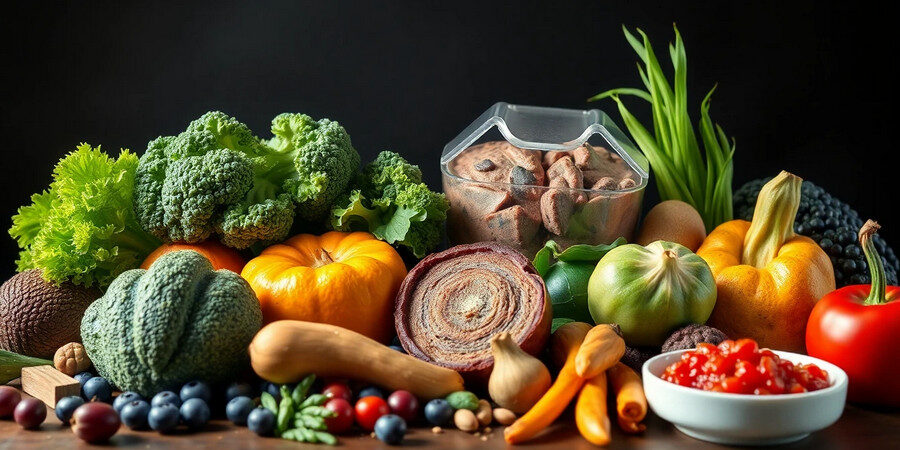
What you eat every day has a powerful impact on your brain. Certain foods act as natural brain protectors.
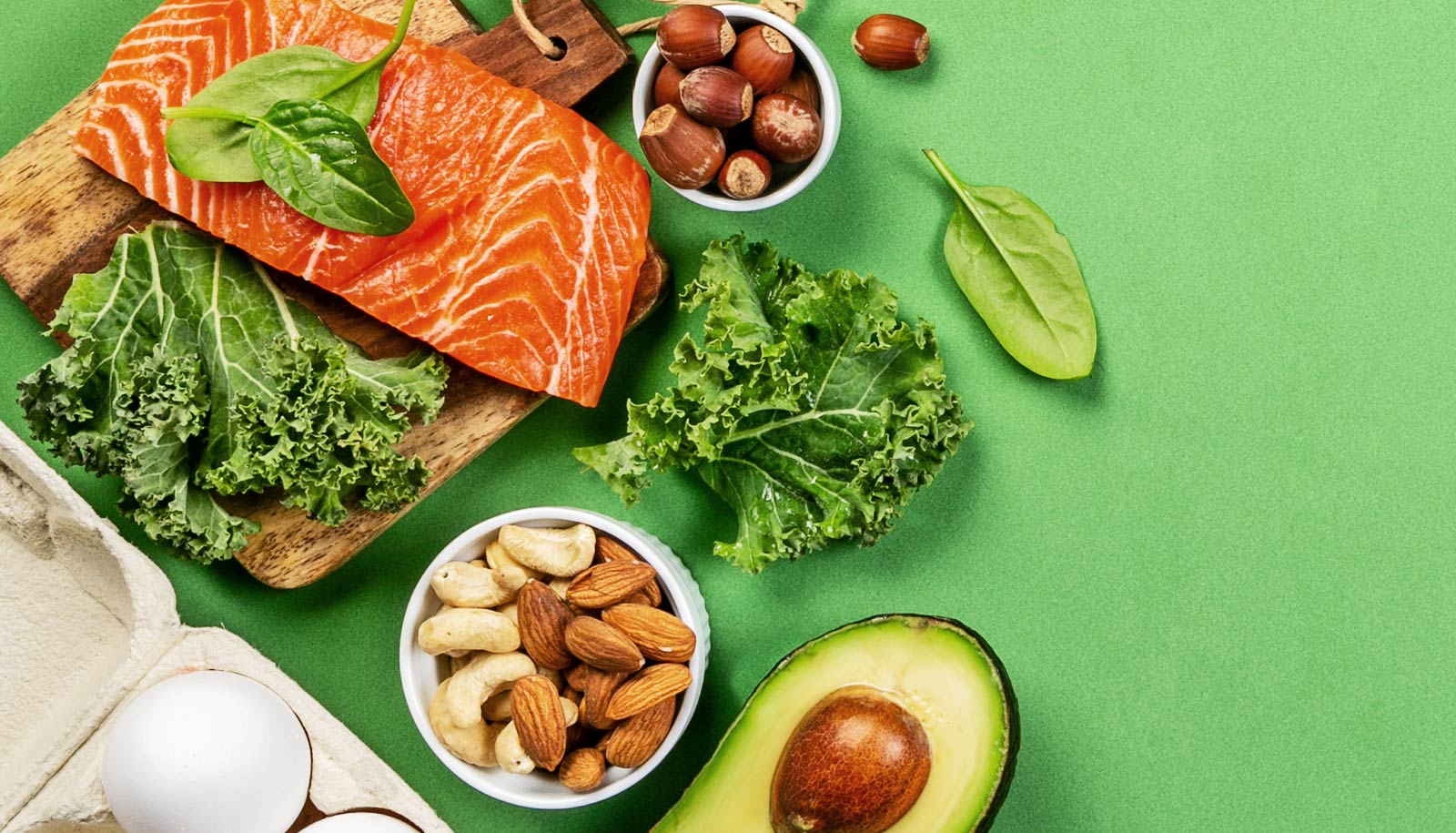
Fatty Fish
Fish like salmon, sardines, and tuna are rich in omega-3 fatty acids. These fats build and protect brain cells.
Omega-3s:
Improve memory
Reduce inflammation
Support learning
Slow cognitive aging
They are essential natural remedies for memory loss.
Blueberries
Blueberries are often called “brain berries” because of their powerful effect on memory and cognitive health. They are packed with antioxidantsknown as flavonoids, which protect the brain from oxidative stress. Oxidative stress occurs when harmful molecules called free radicals damage brain cells, leading to faster aging and memory decline. By neutralizing these free radicals, blueberries help keep brain cells healthy and functioning properly.
Another reason blueberries are important among natural remedies for memory loss is their ability to improve communication between neurons. Neurons are the cells that send signals in the brain, and when their communication becomes slow or weak, memory and learning suffer. Blueberries enhance this signaling process, making it easier to recall information and process new ideas.
Regular consumption of blueberries has also been shown to increase the brain’s ability to form new connections, which is vital for learning and long-term memory. Over time, this helps slow down age-related cognitive decline and keeps the mind sharper for longer.
Eating blueberries regularly has been associated with:
Better short-term and long-term memory
Faster learning ability
Reduced risk of age-related memory loss
Slower brain aging
Fresh, frozen, or dried blueberries can all be included in a healthy brain-supporting diet.
Walnuts
Walnutsare one of the most powerful brain-friendly nuts available. They contain a unique combination of omega-3 fatty acids, antioxidants, and vitamin E, all of which are essential for protecting the brain. Omega-3 fats help build the membranes of brain cells, allowing them to communicate efficiently. When brain cells communicate well, thinking becomes clearer and memory improves.
Vitamin E in walnuts helps protect the brain from oxidative damage, which is one of the main causes of memory decline in older adults. Antioxidants in walnuts also help reduce inflammation in the brain, which is another factor linked to cognitive problems.
Regular intake of walnuts has been linked to better problem-solving ability, improved memory, and slower mental aging. Adding walnuts to meals or snacks is an easy and natural way to support brain health.
Eggs
Eggs are one of the best natural sources of choline, a nutrient that plays a crucial role in memory and learning. Choline is used by the body to produce acetylcholine, a chemical messenger in the brain that allows neurons to communicate with one another. This chemical is essential for forming memories and retaining information.
Low levels of acetylcholine are often seen in people with memory disorders, including Alzheimer’s disease. By providing choline, eggs help keep this important brain chemical at healthy levels.
Eggs also contain B vitamins, which support brain energy and reduce inflammation. Including eggs in your diet can help improve focus, learning ability, and overall mental clarity.
Leafy Green Vegetables
Leafy green vegetables such as spinach, kale, and lettuce are among the most important foods for brain health. They are rich in folate, vitamin K, and antioxidants that protect brain cells from damage.
Folate helps the brain produce chemicals that regulate mood and memory. Low folate levels are linked to confusion and poor concentration. Vitamin K supports the structure of brain cells and helps prevent cognitive decline as we age.
Super-Foods That Can Give Seniors a Memory Boost
These vegetables also reduce inflammation in the brain, which is one of the main contributors to memory loss. Regular intake of leafy greens is one of the simplest and most effective natural remedies for memory loss.
Vitamins and Minerals That Support Memory
Many people experience memory problems not because of disease, but because their bodies lack essential nutrients. The brain needs a steady supply of vitamins and minerals to function properly. Without them, nerve signals slow down, brain cells weaken, and memory begins to fade.
Vitamin B12
Vitamin B12 is vital for nerve health and brain function. It helps maintain the protective covering around nerves, allowing messages to travel quickly and accurately. When B12 levels are low, people may experience forgetfulness, confusion, mood changes, and difficulty concentrating.
In severe cases, long-term B12 deficiency can even mimic dementia. Getting enough vitamin B12 through food or supplements can significantly improve memory and mental clarity.
Vitamin D
Vitamin D plays an important role in protecting brain cells and regulating mood. Low vitamin D levels have been linked to depression, brain fog, and memory decline. It also helps reduce inflammation in the brain and supports the growth of new brain cells.
Adequate vitamin D supports both emotional and cognitive health, making it an essential part of natural remedies for memory loss.
Magnesium
Magnesium is required for nerve communication in the brain. It helps regulate neurotransmitters, which are the chemicals that allow brain cells to talk to each other. When magnesium levels are low, people may experience anxiety, poor focus, and memory problems.
Magnesium also reduces inflammation and protects brain cells from stress-related damage.
Zinc
Zinc is involved in memory formation and learning. It supports the structure of brain cells and helps maintain proper nerve signaling. Zinc deficiency can lead to mental sluggishness and difficulty retaining information.
Together, these nutrients play a powerful role in protecting the brain and supporting natural remedies for memory loss.
Lifestyle Habits That Protect and Improve Memory
Even the best herbs and foods will not work properly if the brain is constantly under stress or exhaustion. Healthy daily habits are the foundation of long-term memory protection.
Quality Sleep
Sleep is when the brain repairs itself and organizes memories. During deep sleep, the brain removes waste products and strengthens neural connections. Without enough sleep, toxins build up in the brain, leading to confusion, forgetfulness, and poor focus.
Getting 7 to 9 hours of quality sleep each night allows the brain to restore itself and improve memory.
Exercise
Physical activity increases blood flow to the brain, delivering more oxygen and nutrients. Exercise also stimulates the growth of new brain cells and improves communication between existing ones.
Activities such as walking, swimming, yoga, and dancing are especially beneficial for memory and mental clarity.
Mental Stimulation
The brain is like a muscle—it grows stronger when it is used. Reading, solving puzzles, learning new skills, and playing games keep the brain active and help build new neural connections. This helps protect against memory loss and keeps thinking sharp.
Stress Management
Chronic stressdamages the brain and interferes with memory. High stress levels release hormones that shrink parts of the brain responsible for learning and recall.
Practices such as meditation, prayer, deep breathing, and relaxation exercises help calm the nervous system and protect memory.
Essential Oils That Support Memory
Certain essential oils can stimulate the brain and improve focus when inhaled.
Lavender oil reduces stress and supports calm thinking
These oils can be used in diffusers or inhaled directly to support brain function naturally.
Hydration and Brain Health
Water is essential for brain performance. Even mild dehydration can reduce attention, memory, and mental clarity. Water helps transport nutrients to brain cells and remove waste products that can interfere with thinking.
Drinking enough water every day is one of the simplest natural remedies for memory loss.
Combining Natural Remedies for Better Results
The most powerful results come from combining healthy foods, herbs, vitamins, exercise, hydration, and stress management. When these are used together, they create a strong foundation for long-term brain health and memory protection.
Natural remedies for memory loss work best when they are part of a healthy, balanced lifestyle.
Final Thoughts
Memory loss does not always mean your brain is permanently damaged. In many cases, the brain simply needs better care, nourishment, and support. With the right foods, herbs, nutrients, and habits, the brain can heal and become stronger.
By using natural remedies for memory loss, you give your brain the tools it needs to stay sharp, clear, and mentally strong throughout life.
A graduate of Computer Science and Information Management Technology. Diploma – Caregiving, Certificates – Dementia and Diabetes Awareness and Management. A researcher, blogger, songwriter, singer and acoustic guitarist. Born in an environment where natural talents such as healing are imparted at our natural birth. This natural talents of healing is the result of our genetic inheritance and the training from family environment.
We use cookies on our website to give you the most relevant experience by remembering your preferences and repeat visits. By clicking “Accept All”, you consent to the use of ALL the cookies. However, you may visit "Cookie Settings" to provide a controlled consent.
This website uses cookies to improve your experience while you navigate through the website. Out of these, the cookies that are categorized as necessary are stored on your browser as they are essential for the working of basic functionalities of the website. We also use third-party cookies that help us analyze and understand how you use this website. These cookies will be stored in your browser only with your consent. You also have the option to opt-out of these cookies. But opting out of some of these cookies may affect your browsing experience.
Necessary cookies are absolutely essential for the website to function properly. These cookies ensure basic functionalities and security features of the website, anonymously.
Cookie
Duration
Description
cookielawinfo-checkbox-analytics
11 months
This cookie is set by GDPR Cookie Consent plugin. The cookie is used to store the user consent for the cookies in the category "Analytics".
cookielawinfo-checkbox-functional
11 months
The cookie is set by GDPR cookie consent to record the user consent for the cookies in the category "Functional".
cookielawinfo-checkbox-necessary
11 months
This cookie is set by GDPR Cookie Consent plugin. The cookies is used to store the user consent for the cookies in the category "Necessary".
cookielawinfo-checkbox-others
11 months
This cookie is set by GDPR Cookie Consent plugin. The cookie is used to store the user consent for the cookies in the category "Other.
cookielawinfo-checkbox-performance
11 months
This cookie is set by GDPR Cookie Consent plugin. The cookie is used to store the user consent for the cookies in the category "Performance".
viewed_cookie_policy
11 months
The cookie is set by the GDPR Cookie Consent plugin and is used to store whether or not user has consented to the use of cookies. It does not store any personal data.
Functional cookies help to perform certain functionalities like sharing the content of the website on social media platforms, collect feedbacks, and other third-party features.
Performance cookies are used to understand and analyze the key performance indexes of the website which helps in delivering a better user experience for the visitors.
Analytical cookies are used to understand how visitors interact with the website. These cookies help provide information on metrics the number of visitors, bounce rate, traffic source, etc.
Advertisement cookies are used to provide visitors with relevant ads and marketing campaigns. These cookies track visitors across websites and collect information to provide customized ads.