Natural treatment for kidney stones: A Complete Guide
Natural treatment for kidney stones: learn effective remedies, diet tips, hydration strategies, and prevention methods to relieve pain and pass stones naturally.
Kidney stones are a common yet often intensely painful condition that affects millions of people worldwide each year. They can strike suddenly, disrupt daily life, and cause significant discomfort. For many individuals, especially those experiencing smaller stones, the first concern is how to manage symptoms safely and effectively without immediate medical intervention. This is where Natural treatment for kidney stones becomes essential.
Understanding how to properly care for yourself at home can make a major difference in reducing pain, encouraging the natural passage of stones, and preventing recurrence.
In this comprehensive guide, you’ll gain deeper insight into kidney stones, including their causes, symptoms, and the most effective strategies for Natural treatment for kidney stones—ranging from hydration and diet to natural remedies and prevention techniques.
Table of Contents
What Are Kidney Stones?
Causes and Risk Factors of Kidney Stones
Symptoms of Kidney Stones
When to Seek Medical Help
Natural treatment for kidney stones: An Overview
Hydration: The Cornerstone of Natural treatment for kidney stones
Dietary Adjustments for Kidney Stones
Pain Management at Home
Natural Remedies and Supplements
Physical Activity and Movement
Preventing Kidney Stones at Home
Myths and Facts about Natural treatment for kidney stones
Frequently Asked Questions
Conclusion
What Are Kidney Stones?
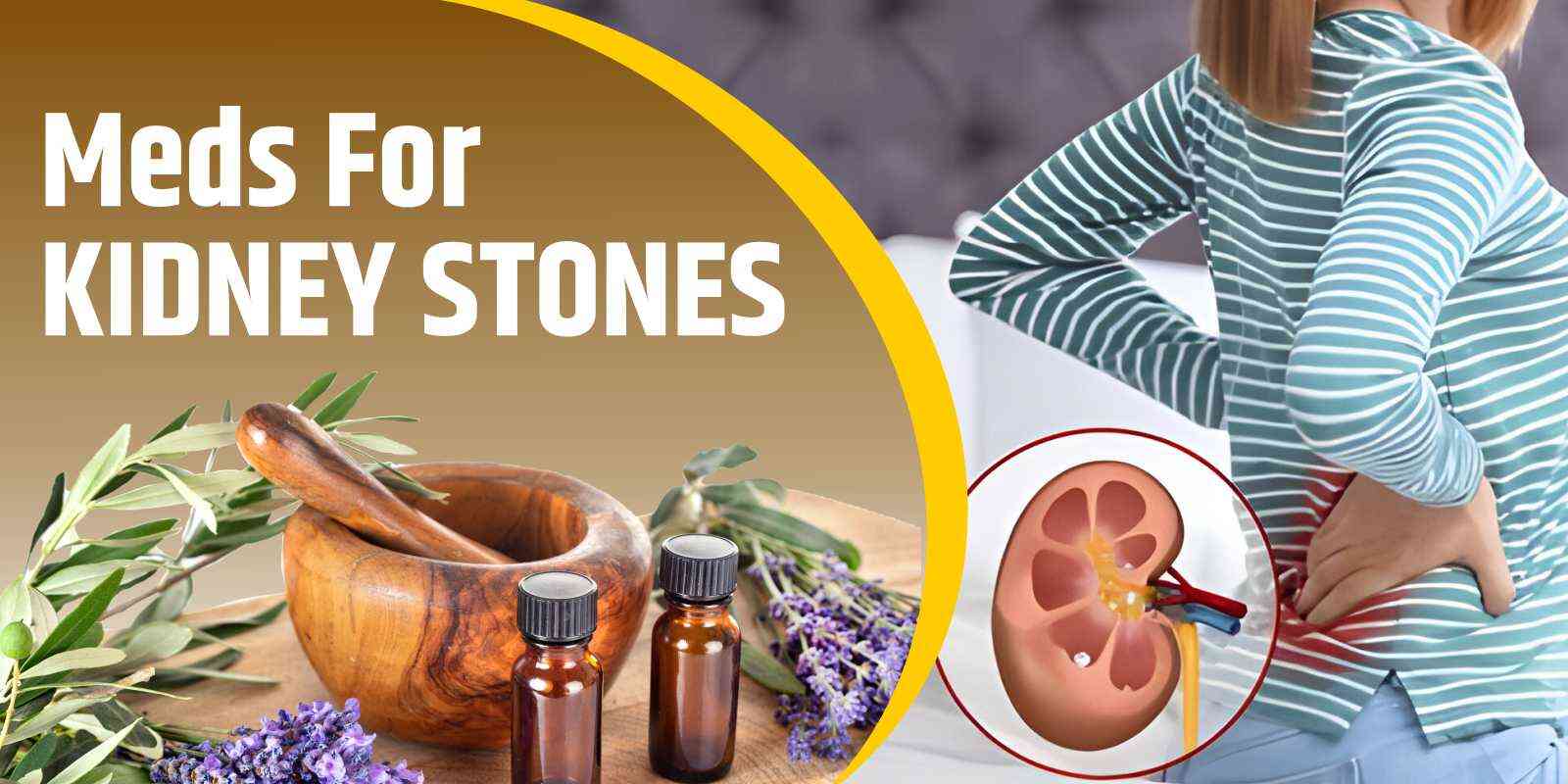
Kidney stones are hard deposits made of minerals and salts that form inside the kidneys. These stones develop when urine becomes concentrated, allowing minerals such as calcium, oxalate, and uric acid to crystallize and stick together.
They can vary greatly in size. Some are as small as grains of sand and pass unnoticed, while others can grow large enough to block parts of the urinary tract. When blockage occurs, it often leads to severe pain and complications.
Understanding the structure and behavior of kidney stones is the foundation of effective Natural treatment for kidney stones. The goal is to either help small stones pass naturally or prevent new ones from forming.
Causes and Risk Factors of Kidney Stones
Kidney stones do not form randomly—there are specific underlying causes and risk factors that increase the likelihood of their development.
Common Causes:
Dehydration: Not drinking enough fluids leads to concentrated urine.
High sodium intake: Excess salt increases calcium levels in urine.
Diet high in oxalates: Foods like spinach, nuts, and chocolate contribute to stone formation.
Excess animal protein: Raises uric acid levels and reduces citrate.
Low citrate levels: Citrate helps prevent stone formation.
Risk Factors:
Family history of kidney stones
Obesity and metabolic syndrome
Digestive diseases (e.g., Crohn’s disease)
Certain medications
Sedentary lifestyle
A critical part of Natural treatment for kidney stones is identifying which of these factors apply to you and addressing them proactively.
Symptoms of Kidney Stones
Recognizing symptoms early helps guide your approach to Natural treatment for kidney stones.
Common Symptoms:
Sharp, severe pain in the back or side (often called renal colic)
Pain radiating to the lower abdomen or groin
Pain during urination
Cloudy or foul-smelling urine
Blood in urine (pink, red, or brown color)
Nausea and vomiting
Frequent urge to urinate
Pain may come in waves and fluctuate in intensity as the stone moves through the urinary tract.
When to Seek Medical Help
While Natural treatment for kidney stones is effective for many cases, there are situations where medical attention is necessary.
Seek immediate help if you experience:
Persistent or unbearable pain
Fever and chills (possible infection)
Difficulty urinating
Continuous nausea or vomiting
Blood in urine that does not improve
Natural treatment for kidney stones should always complement—not replace—professional medical care when needed.
Natural treatment for kidney stones: An Overview
Effective Natural treatment for kidney stones revolves around four key principles:
These strategies work together to support your body’s natural ability to pass stones and maintain kidney health.
Hydration: The Cornerstone of Natural treatment for kidney stones
Hydration is the most important element of Natural treatment for kidney stones. Drinking enough fluids dilutes urine and prevents minerals from crystallizing.
Practical Hydration Tips:
Drink 2–3 liters (8–12 cups) of water daily
Increase intake in hot weather or during exercise
Sip water consistently throughout the day
Drink a glass of water before bed
Helpful Fluids:
Lemon water: Rich in citrate, which helps prevent stone formation
Herbal teas: May support kidney health
Diluted fruit juices: In moderation
What to Avoid:
Sugary drinks
Excess soda (especially cola)
High-oxalate beverages
A simple way to monitor hydration is by checking urine color—it should be pale yellow or nearly clear.
Dietary Adjustments for Kidney Stones
Diet plays a major role in both treatment and prevention. Tailoring your diet is essential for effective Natural treatment for kidney stones.
Key Dietary Guidelines:
Reduce Salt Intake
Limit processed foods
Avoid adding extra salt to meals
Aim for less than 2,300 mg sodium per day
Moderate Animal Protein
Reduce red meat, poultry, and fish
Balance with plant-based protein sources
Limit Oxalate-Rich Foods
Spinach
Nuts
Chocolate
Beets
Maintain Adequate Calcium Intake
Consume calcium from foods like milk, yogurt, and cheese
A balanced diet is a powerful long-term strategy in Natural treatment for kidney stones.
Pain Management at Home
Pain is often the most distressing symptom, and managing it effectively is a priority in Natural treatment for kidney stones.
Methods for Pain Relief:
Over-the-counter medications:
Ibuprofen
Acetaminophen (if approved by a doctor)
Heat therapy:
Apply a heating pad to the lower back or abdomen
Helps relax muscles and ease pain
Relaxation techniques:
Deep breathing
Meditation
Hydration + movement:
Helps the stone move more quickly
Always follow dosage guidelines and consult a healthcare provider if unsure.
Natural Remedies and Supplements
Some natural remedies may support Natural treatment for kidney stones, although scientific evidence varies.
Common Options:
Lemon Juice
High in citrate, which can prevent stone formation.
Apple Cider Vinegar
May help break down small stones (limited evidence).
Herbal Teas
Dandelion root
Nettle leaf
Basil tea
Magnesium
May reduce oxalate absorption.
Potassium Citrate Supplements
Often recommended under medical supervision.
These remedies should support—not replace—core Natural treatment for kidney stones strategies.
Physical Activity and Movement
Movement can help small stones pass through the urinary tract more efficiently.
Recommended Activities:
Walking
Light jogging (if tolerable)
Gentle stretching
Why It Helps:
Encourages gravity-assisted movement
Stimulates circulation
Supports overall kidney function
Avoid intense exercise if you are in severe pain. Always listen to your body.
Preventing Kidney Stones at Home
Prevention is one of the most important aspects of Natural treatment for kidney stones.
Long-Term Strategies:
Stay consistently hydrated
Maintain a balanced diet
Exercise regularly
Maintain a healthy weight
Manage underlying conditions like diabetes or hypertension
Monitoring:
Track your water intake
Observe urine color
Follow up with your doctor if you’ve had stones before
Consistency is key—small daily habits make a big difference.
Deeper Insights About Kidney stones
If you really want to understand kidney stones—not just manage them—it helps to look beyond the basics and explore how they form, why they recur, and how different biological systems interact in the process. Here’s a more advanced but clear breakdown.
The Science Behind Stone Formation (Pathophysiology)
Kidney stones develop through a process called urinary supersaturation.
What does that mean?
Your urine normally contains dissolved minerals like calcium, oxalate, uric acid, and phosphate. When:
these substances become too concentrated, and
there isn’t enough fluid or protective compounds (like citrate),
they begin to crystallize.
The 4 Key Steps:
Supersaturation – too many minerals in too little fluid
Nucleation – tiny crystals start forming
Aggregation – crystals stick together
Retention – crystals remain in the kidney instead of being flushed out
This is why hydration is so powerful—it interrupts this entire chain.
Types of Kidney Stones (and Why They Matter)
Not all kidney stones are the same. Knowing the type changes everything about prevention.
👉 Insight: Adjusting urine pH is a targeted prevention strategy, not just general advice.
Hidden Risk Factors Most People Miss
Beyond diet and hydration, there are less obvious contributors:
Climate and Sweating
Hot environments increase fluid loss → concentrated urine → higher risk
Gut Health
Conditions like IBS or Crohn’s disease increase oxalate absorption
Vitamin Imbalances
Too much vitamin C → increases oxalate
Too little vitamin B6 → affects oxalate metabolism
Medications
Some drugs increase stone risk, including:
Diuretics
Calcium-based antacids
Certain antivirals
Sedentary Lifestyle
Less movement can affect calcium metabolism and urine flow
Why Recurrence Is So Common
Kidney stones have a high recurrence rate:
About 50% of people will develop another stone within 5–10 years
Why?
The underlying cause is often not corrected
Lifestyle habits remain the same
People stop preventive measures once pain is gone
👉 Insight: Kidney stones are not a one-time issue—they’re often a chronic metabolic condition.
The Role of Citrate (Your Natural Defense)
Citrate is one of your body’s best defenses against kidney stones.
What does it do?
Binds with calcium → prevents crystal formation
Stops crystals from sticking together
Low citrate levels (hypocitraturia) = higher risk
How to increase it:
Lemon and lime juice
Citrus fruits
Potassium citrate (if prescribed)
Advanced Hydration Strategy (Not Just “Drink Water”)
It’s not only how much you drink—it’s how and when.
Better hydration approach:
Spread water intake throughout the day
Drink before bed (stones often form overnight)
Rehydrate after sweating
Pair water with citrate sources (like lemon)
👉 Insight: Consistency matters more than occasional large intake.
Diagnostic Tools You Should Know
If someone frequently gets kidney stones, doctors may recommend:
Urinalysis
Checks for crystals, blood, infection
24-Hour Urine Collection
Measures:
Calcium
Oxalate
Citrate
Uric acid
Imaging Tests
CT scan (most accurate)
Ultrasound (safer, no radiation)
Stone Analysis
If you pass a stone, it can be tested to determine type
👉 Insight: Prevention becomes much more effective when based on data, not guesswork.
When Stones Become Dangerous
Most small stones pass, but complications can occur:
Obstruction → kidney swelling (hydronephrosis)
Infection + blockage → medical emergency
Large stones → may require procedures like lithotripsy
Warning signs:
Fever
Severe, unrelenting pain
Inability to urinate
Psychological and Lifestyle Impact
Kidney stones don’t just affect the body—they impact daily life:
Sleep disruption
Anxiety about recurrence
Reduced productivity
Dietary restrictions
👉 Insight: Long-term management includes mental adaptation and lifestyle planning, not just physical care.
Practical Takeaways (What Actually Works)
If you strip everything down to the most effective strategies:
Drink enough water daily (consistently)
Balance—not eliminate—calcium intake
Reduce salt significantly
Moderate animal protein
Increase citrate (lemon, citrus)
Stay physically active
Identify your stone type if possible
Kidney stones may feel like a sudden, painful event, but in reality, they develop slowly over time due to imbalances in hydration, diet, and metabolism. The more you understand the internal mechanisms, the better you can control and prevent them.
Myths and Facts about Natural treatment for kidney stones
Myth 1: Cranberry juice prevents all stones
Fact: It may help with infections but can worsen certain stones.
Myth 2: Only older adults get kidney stones
Fact: People of all ages, including young adults, can develop them.
Myth 3: Home remedies can dissolve all stones
Fact: Some stones require medical procedures like lithotripsy.
Myth 4: Drinking less water reduces pain
Fact: Dehydration actually worsens the condition.
Understanding these myths helps you approach Natural treatment for kidney stones more effectively.
Frequently Asked Questions
Q: Can I pass a kidney stone at home?
Yes, many small stones can pass naturally with proper Natural treatment for kidney stones, including hydration and pain management.
Q: What drinks are best?
Water is best. Lemon water and mild herbal teas can also help.
Q: How long does it take to pass a stone?
Small stones: a few days to a week
Larger stones: may take longer or require medical help
Q: Can exercise help?
Yes, gentle movement may speed up the process.
Conclusion
Home care for kidney stones is a practical and effective approach for managing mild cases and supporting recovery. By focusing on hydration, proper nutrition, pain control, and preventive habits, you can significantly reduce discomfort and improve your chances of passing stones naturally.
However, it’s important to recognize the limits of Natural treatment for kidney stones. Severe symptoms, persistent pain, or signs of infection should always be evaluated by a healthcare professional.
By applying the strategies outlined in this guide, you can take control of your kidney health, minimize the risk of recurrence, and maintain overall well-being.
A graduate of Computer Science and Information Management Technology. Diploma – Caregiving, Certificates – Dementia and Diabetes Awareness and Management. A researcher, blogger, songwriter, singer and acoustic guitarist. Born in an environment where natural talents such as healing are imparted at our natural birth. This natural talents of healing is the result of our genetic inheritance and the training from family environment.
We use cookies on our website to give you the most relevant experience by remembering your preferences and repeat visits. By clicking “Accept All”, you consent to the use of ALL the cookies. However, you may visit "Cookie Settings" to provide a controlled consent.
This website uses cookies to improve your experience while you navigate through the website. Out of these, the cookies that are categorized as necessary are stored on your browser as they are essential for the working of basic functionalities of the website. We also use third-party cookies that help us analyze and understand how you use this website. These cookies will be stored in your browser only with your consent. You also have the option to opt-out of these cookies. But opting out of some of these cookies may affect your browsing experience.
Necessary cookies are absolutely essential for the website to function properly. These cookies ensure basic functionalities and security features of the website, anonymously.
Cookie
Duration
Description
cookielawinfo-checkbox-analytics
11 months
This cookie is set by GDPR Cookie Consent plugin. The cookie is used to store the user consent for the cookies in the category "Analytics".
cookielawinfo-checkbox-functional
11 months
The cookie is set by GDPR cookie consent to record the user consent for the cookies in the category "Functional".
cookielawinfo-checkbox-necessary
11 months
This cookie is set by GDPR Cookie Consent plugin. The cookies is used to store the user consent for the cookies in the category "Necessary".
cookielawinfo-checkbox-others
11 months
This cookie is set by GDPR Cookie Consent plugin. The cookie is used to store the user consent for the cookies in the category "Other.
cookielawinfo-checkbox-performance
11 months
This cookie is set by GDPR Cookie Consent plugin. The cookie is used to store the user consent for the cookies in the category "Performance".
viewed_cookie_policy
11 months
The cookie is set by the GDPR Cookie Consent plugin and is used to store whether or not user has consented to the use of cookies. It does not store any personal data.
Functional cookies help to perform certain functionalities like sharing the content of the website on social media platforms, collect feedbacks, and other third-party features.
Performance cookies are used to understand and analyze the key performance indexes of the website which helps in delivering a better user experience for the visitors.
Analytical cookies are used to understand how visitors interact with the website. These cookies help provide information on metrics the number of visitors, bounce rate, traffic source, etc.
Advertisement cookies are used to provide visitors with relevant ads and marketing campaigns. These cookies track visitors across websites and collect information to provide customized ads.