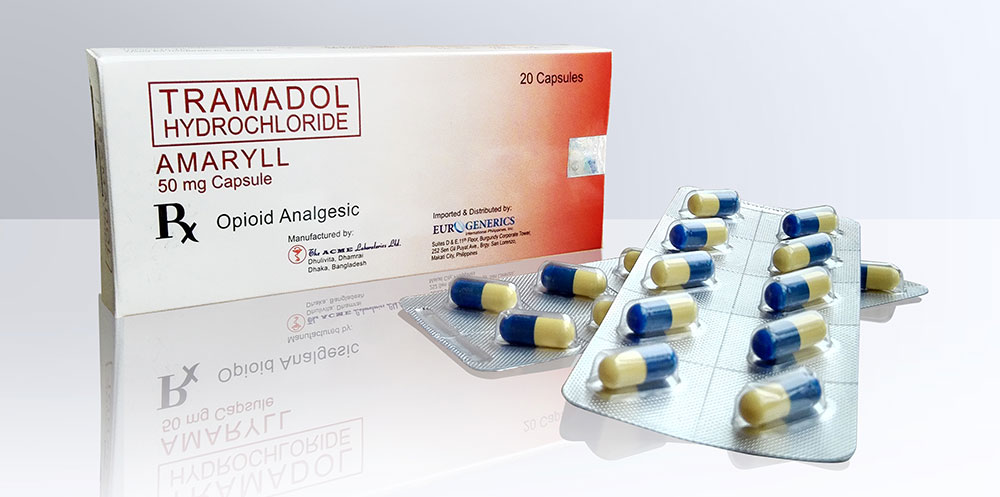
Tramadol Uses: What It Is, How to Use It, and Side Effects
Tramadol Uses: What Is Tramadol? Tramadol is a strong medicine that helps relieve pain. It is known as an opioid painkiller, meaning it works on the brain and nervous system to reduce how your body feels pain.
Doctors often prescribe Tramadol for moderate to severe pain, especially when other painkillers do not work well enough.
Some of the most common Tramadol uses include treating pain caused by:
Back pain
Nerve pain (also called neuralgia)
Osteoarthritis, which is a condition that causes pain in the joints
Tramadol changes the way your brain senses pain. It helps by blocking certain signals that travel through your nerves to the brain. This makes it easier for patients to go about their daily lives with less pain.
Because Tramadol is strong and can affect the brain, it should only be used with a doctor’s guidance. You must have a doctor’s prescription to buy or use Tramadol in most countries.
Tramadol Uses in Daily Medical Practice
Doctors often recommend Tramadol uses for short-term or long-term pain relief, depending on the health issue. Here are some common situations where Tramadol might be helpful:
Chronic Back Pain: If you’ve had back pain for months and regular over-the-counter painkillers aren’t helping, a doctor may suggest Tramadol.
Nerve Pain (Neuralgia): Tramadol is often used for pain caused by damaged or irritated nerves, such as sciatica or diabetic neuropathy.
Joint Pain or Osteoarthritis: In cases where joint pain is severe and affects daily life, doctors may prescribe Tramadol to help manage the pain.
These are just some of the common Tramadol uses, and the decision to take Tramadol depends on each person’s health condition and pain level.
How to Use Tramadol
The correct way to use Tramadol depends on your health condition, the type of pain you are experiencing, and the form of the medicine being used. Tramadol uses vary depending on the situation, so the dosage must always be prescribed and adjusted by a qualified doctor. The right amount to take is based on the patient’s symptoms and how their body responds to treatment.
Tramadol 50 mg Tablets
For adults and teenagers over the age of 12, the usual recommended dose of Tramadol is between 50 mg and 100 mg, which equals one to two 50 mg tablets. This dosage can be taken every 4 to 8 hours, depending on how much pain relief is needed.
It is important not to take more than 400 mg of Tramadol in one day. This means the maximum daily amount is eight 50 mg tablets. Going beyond this limit increases the risk of side effects and complications.
When using this form of Tramadol, the tablets must be swallowed whole with a glass of water. Do not chew, crush, or split the tablets, as this can release the medicine too quickly into the body and may increase the risk of side effects.
For long-acting Tramadol tablets, the dosage is usually given every 12 to 24 hours. This extended-release form is often used in certain Tramadol uses where long-term pain control is needed. A doctor will determine the exact schedule based on individual needs.
Tramadol Oral Drops (100 mg/mL Solution)
Tramadol also comes as a liquid oral solution, sometimes referred to as drops. This form is useful for people who may have trouble swallowing tablets.
For adults and teens over 12 years of age, the initial dosage is usually 20 to 40 drops, which equals 50 to 100 mg of Tramadol. These drops can be taken every 6 to 8 hours, depending on how bad the pain is.
It is very important not to exceed 160 drops in a 24-hour period, unless the doctor advises otherwise. Going over this limit may lead to unwanted side effects or complications.
This liquid form is especially helpful in certain Tramadol uses, such as managing pain in patients with swallowing difficulties or needing flexible dosing.
Tramadol Injection (100 mg/2 mL)
Injectable Tramadol is used for treating intense or sudden pain, especially in clinical or hospital settings. It is usually given to adults and teens who are over 12 years old and need fast pain relief.
The standard starting dose is 100 mg, which is usually injected by a healthcare provider. If pain relief is not achieved with the first dose, additional doses of 50 mg can be given every 10 to 20 minutes. However, the total dose in this short period should not exceed 250 mg.
In some cases, a doctor may choose to give 50 to 100 mg of injectable Tramadol every 4 to 6 hours, depending on how the patient responds to treatment.
Since this form of Tramadol is injected directly into the body, it should only be administered by trained medical professionals. The correct dose depends on the patient’s weight, pain level, and overall condition.
Among the various Tramadol uses, the injectable form is often chosen for emergencies, post-surgical pain, or when fast-acting pain relief is needed.
General Tips
When using Tramadol, it is very important to always follow your doctor’s instructions carefully. Tramadol is a strong pain medicine, and using it the wrong way can lead to serious side effects or health problems. Your doctor will prescribe the right dose based on your specific condition, pain level, and medical history. Do not take more or less than what is recommended.
If you are using Tramadol regularly, make sure to take the medicine at the same time each day. Taking it at a fixed time helps maintain a steady amount of the drug in your body, which makes it more effective in controlling pain. It also helps prevent missed doses and lowers the risk of side effects.
Never stop taking Tramadol suddenly without talking to your doctor first. Tramadol affects the nervous system, and stopping it too quickly can lead to withdrawal symptoms. These symptoms may include anxiety, sweating, shaking, trouble sleeping, nausea, and mood changes.
If your doctor decides it’s time for you to stop using Tramadol, they will usually reduce your dose slowly to allow your body to adjust safely.
You should also avoid drinking alcohol while using Tramadol. Alcohol can increase the sedative effects of Tramadol and make you feel extremely sleepy or dizzy. It can also increase the risk of serious side effects like slow breathing, loss of consciousness, or even coma. Mixing alcohol with Tramadol can be very dangerous and should be avoided at all times.
Because there are many different Tramadol uses, the dosage and form of the medication can vary from person to person. For instance, someone with long-term back pain may be prescribed a long-acting version of Tramadol that works slowly over time.
This type of Tramadol is designed to provide steady relief over 12 to 24 hours. On the other hand, someone who is recovering from surgery may only need a short-acting version of Tramadol, which works quickly and is used for a few days until the pain reduces.
Each form of Tramadol is meant for a specific purpose, and using the right type for your condition is key to getting the best results. Your doctor will decide which form and dose is right for you based on the Tramadol uses that match your pain condition.
Side Effects of Tramadol
Even though Tramadol can be very helpful for pain, it can also cause side effects in some people. These side effects can range from mild to serious.
These side effects often go away after a few days as your body adjusts to the medicine. However, if they continue or get worse, you should talk to your doctor.
Serious Side Effects
Some people may experience more serious side effects, especially if they take high doses or use Tramadol for a long time:
Addiction or dependence: Because Tramadol affects the brain, some people can become dependent on it.
Seizures: In rare cases, Tramadol can cause seizures, especially in people with a history of epilepsy.
Breathing problems: Tramadol can slow down your breathing, especially if combined with other drugs like alcohol or sedatives.
Allergic reactions: Though rare, some people may have swelling, skin rashes, or difficulty breathing.
If you notice any unusual symptoms, contact your doctor right away.
Tramadol Dependence and Addiction
One of the more serious risks of Tramadol is addiction. People who use it for a long time or take more than prescribed may start to rely on the drug not just for pain, but emotionally or mentally.
That’s why it’s important to only use Tramadol under a doctor’s care and never try to get it without a prescription.
Doctors usually monitor people using Tramadol for long periods to watch for signs of addiction or dependence. If needed, they may reduce the dose slowly to avoid withdrawal symptoms.
This is another reason why proper medical supervision is so important for all Tramadol uses.
Is Tramadol the Same as Morphine?
No, Tramadol is not the same as morphine, although both are types of painkillers known as opioid analgesics. Tramadol contains an active ingredient that is chemically related to substances found in opium, similar to morphine. However, they are different medications with different chemical structures, and they are used in different situations based on the severity of the pain.
Both medicines are used to treat moderate to severe pain, but morphine is generally reserved for more serious or extreme pain, such as pain from advanced cancer or after major surgery. Tramadol, on the other hand, is often used for pain that is less intense but still difficult to manage with basic over-the-counter medications.
Understanding the difference between these two drugs is important when talking about Tramadol uses. While both affect how pain signals are processed in the brain, Tramadol tends to have fewer side effects and is considered less potent than morphine. That is why it is often the first choice before moving on to stronger opioids like morphine.
Contraindications for Tramadol Use
Even though Tramadol can be very helpful in relieving pain, it is not safe for everyone. There are specific situations where Tramadol should not be used, either because of health risks or possible interactions with other drugs. These are called contraindications.
Allergies or Hypersensitivity
People who have a known allergy or hypersensitivity to Tramadol or any of its ingredients should never use this medication. Allergic reactions can be serious and may include symptoms like skin rash, swelling, breathing problems, or shock.
Interaction with Alcohol and Other Drugs
Tramadol should not be taken with alcohol. Combining Tramadol with alcohol can dangerously increase its effects on the brain, leading to extreme drowsiness, slow breathing, unconsciousness, or even death.
It should also not be taken along with:
Sleeping pills
Other painkillers (analgesics)
Tranquilizers or sedatives
Mixing Tramadol with these drugs increases the risk of harmful side effects and can suppress the central nervous system too much.
MAO Inhibitors
Tramadol is not safe for people who are taking monoamine oxidase inhibitors (MAOIs), a type of antidepressant. It should not be used with MAO inhibitors or within 14 days of stopping one. The combination can lead to dangerous effects like high blood pressure, seizures, or serotonin syndrome, which can be life-threatening.
Epilepsy and Seizure Disorders
Tramadol should not be used by individuals with uncontrolled epilepsy. This is because Tramadol can lower the seizure threshold and may increase the risk of seizures, especially in those who are already prone to them. People with a history of seizures need to be closely monitored or given alternative treatments.
Drug or Alcohol Overdose
This medication should not be used in cases of acute overdose involving:
Alcohol
Hypnotics (sleep aids)
Opioids (other narcotics)
Psychotropic drugs (medications that affect mood, behavior, or mental function)
Using Tramadol in these situations can severely affect the brain and heart and may be life-threatening.
These restrictions are important to consider when discussing Tramadol uses, as safety is a top priority in any pain management plan.
Pregnancy and Breastfeeding
Tramadol should not be used by pregnant or breastfeeding women, unless a doctor specifically prescribes it and determines that the benefits outweigh the risks. Tramadol can pass into breast milk and may cause harm to the baby. In pregnancy, it could potentially affect the developing fetus or lead to withdrawal symptoms in newborns.
Children with Breathing Problems
Children, especially those with respiratory conditions, should not use Tramadol unless directed by a healthcare provider. Tramadol can slow breathing, and in children, this effect can be more severe and even dangerous.
Kidney and Liver Problems
Tramadol should be avoided or used very carefully in people who have kidney or liver disease. These organs are responsible for breaking down and removing the medicine from the body. If they are not working properly, Tramadol can build up in the system, leading to a higher risk of side effects and complications.
For all these reasons, it is important to consult a doctor before starting any kind of Tramadol treatment. The doctor will evaluate your health history, current medications, and personal risk factors to determine if Tramadol is safe and appropriate for you.
Who Should Not Use Tramadol?
Although Tramadol is useful for treating different types of pain, it is not safe for everyone. There are certain medical conditions and situations where Tramadol should be completely avoided. Knowing who should not use this medicine is very important to prevent serious side effects and complications.
You should not use Tramadol if any of the following applies to you:
You have had an allergic reaction to Tramadol or any other opioid medicines in the past. This could include symptoms like rash, itching, swelling, or difficulty breathing. In such cases, Tramadol can trigger a similar or even worse reaction.
You have severe asthmaor breathing problems. Since Tramadol can slow down breathing, it may make respiratory issues worse and become dangerous for people with breathing disorders.
You are pregnant or breastfeeding, unless your doctor decides it is absolutely necessary. Tramadol can affect the baby during pregnancy or pass into breast milk, possibly causing harm or withdrawal symptoms in newborns.
You have a history of seizures or epilepsy. Tramadol can increase the chance of seizures, especially if you are already at risk or taking other medicines that affect the nervous system.
You have kidney or liver disease. These organs help to remove the drug from your body. If they are not working well, Tramadol can build up in your system, raising the chance of harmful side effects. Your doctor may decide to avoid it or change your dosage depending on your condition.
It is also very important to tell your doctor about all the medicines you are taking. Some medications do not mix well with Tramadol and can increase the risk of problems such as serotonin syndrome, seizures, or respiratory depression.
These warnings are closely tied to safe Tramadol uses, as using it under the wrong conditions can lead to serious health risks.
Summary of Tramadol Uses
In short, Tramadol is a strong pain-relief medicine that is used to treat many different kinds of pain. It is especially helpful when regular painkillers, like paracetamol or ibuprofen, are not strong enough. Some of the most common Tramadol uses include:
Back pain that has not improved with other treatments
Nerve-related pain (also known as neuralgia), such as sciatica
Joint pain from osteoarthritis, especially in older adults
Pain after surgery, when the body is healing and needs short-term relief
Chronic pain that continues over time and has not responded to weaker medications
Tramadol is available in many forms, such as tablets, capsules, liquid drops, and injections, which makes it suitable for different patient needs. For example, people who need quick pain relief may use the fast-acting version, while those with long-lasting pain may be given the extended-release type.
Despite the many helpful Tramadol uses, this medicine must always be taken with caution and under the guidance of a medical professional. It can cause side effects like dizziness, nausea, or drowsiness, and in some cases, may lead to dependence or addiction if not used properly.
Final Words
Understanding Tramadol uses, how to take it the right way, and being aware of possible side effects is essential for anyone considering this medication. When prescribed and used responsibly, Tramadol can offer great relief to people suffering from moderate to severe pain.
Always follow your doctor’s instructions, never share your Tramadol with anyone else, and don’t hesitate to ask questions if you are unsure about your dosage or how to take the medicine correctly.
Used properly and with care, Tramadol can greatly improve the quality of life for those dealing with painful health conditions, allowing them to carry out daily activities with more comfort and less suffering.
Disclaimer
The information provided on My Emerald Health is for educational and informational purposes only and is not intended as a substitute for professional medical advice, diagnosis, or treatment.
Articles related to medications, including content on Tramadol uses, dosage, side effects, and contraindications, are based on publicly available sources and general medical knowledge. However, medications affect individuals differently, and health decisions should always be made in consultation with a licensed healthcare provider.
My Emerald Health does not promote or encourage the unsupervised use of any prescription drug. Tramadol is a prescription-only medication that must be used under the guidance of a qualified medical professional. Misuse or abuse of Tramadol can lead to serious health risks, including addiction, overdose, or life-threatening side effects.
Always seek the advice of your doctor or another qualified health provider with any questions you may have regarding a medical condition or before starting any new treatment or medication. Never disregard professional medical advice or delay in seeking it because of something you have read on this website.
Use of this site and reliance on any information provided is solely at your own risk.
A graduate of Computer Science and Information Management Technology. Diploma – Caregiving, Certificates – Dementia and Diabetes Awareness and Management. A researcher, blogger, songwriter, singer and acoustic guitarist. Born in an environment where natural talents such as healing are imparted at our natural birth. This natural talents of healing is the result of our genetic inheritance and the training from family environment.
We use cookies on our website to give you the most relevant experience by remembering your preferences and repeat visits. By clicking “Accept All”, you consent to the use of ALL the cookies. However, you may visit "Cookie Settings" to provide a controlled consent.
This website uses cookies to improve your experience while you navigate through the website. Out of these, the cookies that are categorized as necessary are stored on your browser as they are essential for the working of basic functionalities of the website. We also use third-party cookies that help us analyze and understand how you use this website. These cookies will be stored in your browser only with your consent. You also have the option to opt-out of these cookies. But opting out of some of these cookies may affect your browsing experience.
Necessary cookies are absolutely essential for the website to function properly. These cookies ensure basic functionalities and security features of the website, anonymously.
Cookie
Duration
Description
cookielawinfo-checkbox-analytics
11 months
This cookie is set by GDPR Cookie Consent plugin. The cookie is used to store the user consent for the cookies in the category "Analytics".
cookielawinfo-checkbox-functional
11 months
The cookie is set by GDPR cookie consent to record the user consent for the cookies in the category "Functional".
cookielawinfo-checkbox-necessary
11 months
This cookie is set by GDPR Cookie Consent plugin. The cookies is used to store the user consent for the cookies in the category "Necessary".
cookielawinfo-checkbox-others
11 months
This cookie is set by GDPR Cookie Consent plugin. The cookie is used to store the user consent for the cookies in the category "Other.
cookielawinfo-checkbox-performance
11 months
This cookie is set by GDPR Cookie Consent plugin. The cookie is used to store the user consent for the cookies in the category "Performance".
viewed_cookie_policy
11 months
The cookie is set by the GDPR Cookie Consent plugin and is used to store whether or not user has consented to the use of cookies. It does not store any personal data.
Functional cookies help to perform certain functionalities like sharing the content of the website on social media platforms, collect feedbacks, and other third-party features.
Performance cookies are used to understand and analyze the key performance indexes of the website which helps in delivering a better user experience for the visitors.
Analytical cookies are used to understand how visitors interact with the website. These cookies help provide information on metrics the number of visitors, bounce rate, traffic source, etc.
Advertisement cookies are used to provide visitors with relevant ads and marketing campaigns. These cookies track visitors across websites and collect information to provide customized ads.