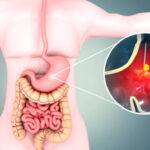
Discover the best foods for ulcer patients that may help soothe the stomach, reduce irritation, and support natural healing. Learn which foods to eat and avoid for better digestive health and ulcer relief.
Hello everyone, welcome back to My Emerald Health, your trusted channel for health, wellness, and natural living.
If you’ve been struggling with stomach ulcers, burning pain, bloating, nausea, or discomfort after eating, then today’s video could really help you. The foods you eat every day can either worsen your ulcer symptoms or support your stomach as it heals.
In this video, we’ll talk about some of the best foods for people living with ulcers, foods that may help soothe the stomach lining, reduce irritation, and support recovery naturally.
And before we continue, make sure you check the link in the description below for some recommended supplements and wellness products that may support digestive health and overall stomach comfort.
Now, let’s get started.
Bananas
One of the best foods for ulcer patients is banana.
Bananas are soft, easy to digest, and gentle on the stomach. They contain natural compounds that may help protect the stomach lining from excess acid irritation. Bananas can also help reduce inflammationand support healthy digestion.
If you have ulcers, ripe bananas are usually the best option because they are less acidic and easier on the stomach.
You can eat bananas: In the morning, as a snack, inside oatmeal or blended into smoothies
Many ulcer patients notice that bananas help calm stomach discomfort naturally.
Oatmeal
Oatmeal is another excellent food for people with ulcers.
It is rich in fiber and very soothing to the digestive system. Oatmeal absorbs excess stomach acid and can help you feel full without irritating your stomach.
The best part is that oatmeal is easy to prepare and works well as a healthy breakfast option.
However, avoid adding too much sugar, spicy ingredients, or acidic fruits if your ulcer symptoms are active.
A simple bowl of warm oatmeal may help your stomach feel calmer and more comfortable.
Honey
Natural honey has been used for centuries for healing purposes.
Some studies suggest that honey may have antibacterial properties that can help fight harmful bacteria linked to ulcers, especially Helicobacter pylori, also known as H. pylori.
Honey may also help soothe the stomach lining and reduce irritation.
You can: Add a small amount of honey to warm water, mix it into oatmeal or take a spoonful in moderation
But remember, moderation is important because too much sugar can sometimes trigger stomach discomfort.
Yogurt
Yogurt contains probiotics, which are beneficial bacteria that support gut health.
Probiotics help maintain balance in the digestive system and may assist in improving stomach health, especially if ulcers are linked to bacterial infections.
When choosing yogurt: Go for plain yogurt, avoid highly sugary options and Choose products with live active cultures
Some people tolerate yogurt very well, while others may feel discomfort depending on their condition, so pay attention to how your body reacts.
Sweet Potatoes
Sweet potatoes are one of the most comforting and stomach-friendly foods for many people dealing with ulcers. They are soft when cooked, naturally filling, and generally less irritating to the stomach compared to heavily processed or spicy foods.
One major reason sweet potatoes may benefit ulcer patients is because they contain important nutrients like vitamin A, vitamin C, potassium, fiber, and antioxidants. These nutrients help support the body’s natural healing process and may help reduce inflammation inside the digestive tract.
Vitamin A, in particular, plays an important role in maintaining and repairing the lining of the stomach and intestines. Since ulcers involve damage or irritation to the stomach lining, foods rich in vitamin A may support tissue recovery over time.
Sweet potatoes are also a good source of complex carbohydrates, which means they provide steady energy without causing sudden digestive stress. Many ulcer patients struggle with discomfort after eating certain foods, but soft, cooked sweet potatoes are often easier for the stomach to handle.
The healthiest ways to prepare sweet potatoes for ulcer patients include: Boiling, Baking, Steaming and Mashing with little seasoning
Try to avoid: Deep-fried sweet potatoes, very spicy sweet potato dishes, and Heavy butter, pepper, or oily sauces
Simple preparations are usually gentler on the stomach and less likely to trigger irritation.
Some people even find that eating warm mashed sweet potatoes during ulcer flare-ups feels soothing and comforting. Combined with other ulcer-friendly foods, sweet potatoes can become a safe and nutritious part of a healing diet.
Leafy Green Vegetables
Leafy green vegetables are packed with nutrients that support both digestive health and overall wellness. For ulcer patients, vegetables like spinach, cabbage, kale, lettuce, and pumpkin leaves may provide important vitamins and minerals that help the body recover and stay strong.
These vegetables are especially rich in vitamins A, C, and K, as well as antioxidants and plant compounds that help fight inflammation in the body. Since ulcers involve irritation and damage to the stomach lining, anti-inflammatory foods may help support healing over time.
Leafy greens may also help support the immune system and provide nutrients the body needs to repair tissues effectively. Vitamin C, for example, plays an important role in healing damaged tissues and protecting cells from oxidative stress.
However, the way vegetables are prepared matters a lot for ulcer patients.
Raw vegetables can sometimes feel difficult to digest, especially during active ulcer flare-ups. That’s why many people tolerate cooked vegetables better than raw salads.
The best preparation methods include: Steaming vegetables lightly, boiling them until soft, Cooking with minimal oil and using mild seasoning
It’s important to avoid: Excess pepper, Heavy spices, very oily vegetable sauces and Deep frying
Gentle cooking methods help make the vegetables softer and easier on the stomach.
If you are introducing more vegetables into your diet, start slowly and pay attention to how your body reacts. Everyone’s digestive system is different, and certain vegetables may work better for some people than others.
Rice
Plain rice is often considered one of the safest and easiest foods for ulcer patients to eat. Because it is bland, soft, and simple to digest, rice usually does not place too much stress on the stomach.
During ulcer flare-ups, many people lose their appetite or become afraid to eat because of pain and discomfort. In situations like this, plain rice can provide energy while remaining gentle on the digestive system.
Rice is low in acidity and unlikely to irritate the stomach lining, especially when prepared without excessive oil or spices. It can also help create a feeling of fullness without causing the heavy discomfort that sometimes comes from greasy or highly seasoned foods.
White rice is often easier for sensitive stomachs to tolerate because it is softer and digests more quickly. Some people may also tolerate brown rice, but because brown rice contains more fiber, it may feel heavier during active ulcer symptoms.
Ulcer patients often feel more comfortable eating simple meals such as: Plain boiled rice, Rice with soft vegetables, Rice with light soup, Rice with grilled fish or chicken, and Rice porridge or soft rice meals
The goal is to keep meals light, soothing, and easy to digest.
However, problems can arise depending on what is added to the rice.
It’s best to avoid: Extremely spicy stews, Excessive pepper, Oily sauces, Fried rice loaded with seasoning and highly processed additives
These ingredients may increase stomach irritation and worsen ulcer symptoms.
More on 10 Best Foods to Heal Stomach Ulcers Naturally
Apples
Apples are nutritious fruits that may support digestion and overall gut health when eaten properly. They contain fiber, antioxidants, and beneficial plant compounds that help support the digestive system and overall wellness.
One important nutrient found in apples is pectin, a type of soluble fiber that may help support healthy digestion and feed beneficial gut bacteria. A healthy digestive system can play an important role in helping the stomach function more effectively over time.
However, ulcer patients sometimes react differently to apples depending on how sensitive their stomach is.
For some people, raw apples — especially sour or highly acidic varieties — may cause irritation or discomfort. This is why softer forms of apples are often easier to tolerate.
Good options may include: Peeled apples, cooked apples, Baked apples and Unsweetened applesauce
Cooking apples can make them softer and easier to digest, which may reduce the chances of stomach irritation.
Apples also contain antioxidants that help protect body cells from damage caused by inflammation and oxidative stress. Since ulcers involve inflammation in the stomach lining, antioxidant-rich foods may help support recovery when included as part of a healthy diet.
Still, it’s important to remember that not all ulcer patients respond to foods the same way.
Lean Proteins
Protein is extremely important for the body, especially when healing from illness or tissue damage. Since ulcers involve damage to the stomach lining, the body needs enough protein to repair tissues and maintain strength.
However, not all protein sources are ideal for ulcer patients.
Fatty, greasy, and heavily processed meats can irritate the stomach and make symptoms worse. On the other hand, lean proteins are usually easier to digest and gentler on the digestive system.
Good lean protein options for ulcer patients include: Skinless chicken, Turkey, Fish, Eggs, Tofu and Beans in moderation
Fish is often especially beneficial because some types contain healthy omega-3 fatty acids, which may help reduce inflammation in the body.
Eggs are also soft and easy to prepare, making them a convenient option for many people with sensitive stomachs.
Beans can provide plant-based protein and fiber, but because they sometimes cause gas or bloating, it’s best to eat them moderately and observe how your body reacts.
One of the most important things for ulcer patients is the cooking method.
Avoid: Deep frying, Heavy oil, Excess pepper, very spicy marinades and highly processed meats
Foods like spicy fried chicken, heavily seasoned barbecue, or greasy fast food may worsen stomach irritation and increase discomfort.
Instead, healthier cooking methods include: Boiling, Grilling, Baking and Steaming
Simple seasoning with mild herbs is usually a safer option.
Eating moderate amounts of lean protein throughout the day may help the body heal while reducing unnecessary stress on the stomach.
Water
Many people underestimate how important water is for digestive health, especially for ulcer patients.
Water plays a major role in helping the body function properly. It supports digestion, nutrient absorption, circulation, and overall stomach health.
For people with ulcers, staying hydrated may help reduce irritation and support the stomach’s natural protective functions. Drinking enough water can also help food move smoothly through the digestive tract and may slightly dilute stomach acid when consumed appropriately.
Dehydration can sometimes worsen digestive discomfort and make the body feel weaker, especially during periods of poor appetite or nausea.
However, ulcer patients should also be mindful of how they drink water.
Drinking extremely large amounts of water during meals may cause bloating or discomfort in some individuals. Instead, many people find it more comfortable to sip water gradually throughout the day.
Warm or room-temperature water may also feel gentler on the stomach compared to extremely cold beverages.
In addition to drinking more water, it’s equally important to reduce beverages that commonly trigger ulcer symptoms.
These may include: Alcohol, Excess coffee, Energy drinks, Carbonated soft drinks, highly acidic beverages and very sugary drinks
Too much caffeine and alcohol may increase stomach acid production and worsen irritation in some people.
Carbonated drinks can also cause bloating and discomfort, especially during active ulcer flare-ups.
Replacing these drinks with water, mild herbal teas, or doctor-approved beverages may help support stomach comfort and healing over time.
Foods Ulcer Patients Should Avoid
Now that we’ve talked about helpful foods, let’s quickly mention some foods that commonly trigger ulcer symptoms.
These may include: Very spicy foods, Fried foods, Excess alcohol, Too much coffee, Smoking, highly acidic foods and Processed junk foods
Not everyone reacts the same way, but keeping a food diary can help you identify what triggers your symptoms.
Lifestyle Tips for Ulcer Patients
Besides eating healthy foods, here are a few habits that may help: Eat smaller meals more frequently, avoid lying down immediately after eating, reduce stress levels, get enough sleep, avoid skipping meals and Take medications exactly as prescribed by your doctor
Remember, healing an ulcer often requires both proper treatment and healthy lifestyle choices.
Conclusion
Living with ulcers can be uncomfortable, but the good news is that the right diet may help reduce irritation and support healing.
Adding foods like bananas, oatmeal, honey, yogurt, sweet potatoes, leafy greens, and lean proteins into your routine may help your stomach feel better over time.
And remember, consistency matters. Small healthy choices every day can make a big difference.
If you found this video helpful, don’t forget to: Like this video, Subscribe to My Emerald Health And turn on the notification bell so you never miss our health and wellness updates.
Also, check the description below for recommended supplements and digestive health products that may support your wellness journey.
Thanks for watching, and we’ll see you in the next video.
Disclaimer
This video is for educational and informational purposes only and is not intended to replace professional medical advice, diagnosis, or treatment. Always consult a qualified healthcare professional before making changes to your diet, medications, or health routine, especially if you have a medical condition such as ulcers or severe digestive problems.
A graduate of Computer Science and Information Management Technology. Diploma – Caregiving, Certificates – Dementia and Diabetes Awareness and Management. A researcher, blogger, songwriter, singer and acoustic guitarist. Born in an environment where natural talents such as healing are imparted at our natural birth. This natural talents of healing is the result of our genetic inheritance and the training from family environment.
We use cookies on our website to give you the most relevant experience by remembering your preferences and repeat visits. By clicking “Accept All”, you consent to the use of ALL the cookies. However, you may visit "Cookie Settings" to provide a controlled consent.
This website uses cookies to improve your experience while you navigate through the website. Out of these, the cookies that are categorized as necessary are stored on your browser as they are essential for the working of basic functionalities of the website. We also use third-party cookies that help us analyze and understand how you use this website. These cookies will be stored in your browser only with your consent. You also have the option to opt-out of these cookies. But opting out of some of these cookies may affect your browsing experience.
Necessary cookies are absolutely essential for the website to function properly. These cookies ensure basic functionalities and security features of the website, anonymously.
Cookie
Duration
Description
cookielawinfo-checkbox-analytics
11 months
This cookie is set by GDPR Cookie Consent plugin. The cookie is used to store the user consent for the cookies in the category "Analytics".
cookielawinfo-checkbox-functional
11 months
The cookie is set by GDPR cookie consent to record the user consent for the cookies in the category "Functional".
cookielawinfo-checkbox-necessary
11 months
This cookie is set by GDPR Cookie Consent plugin. The cookies is used to store the user consent for the cookies in the category "Necessary".
cookielawinfo-checkbox-others
11 months
This cookie is set by GDPR Cookie Consent plugin. The cookie is used to store the user consent for the cookies in the category "Other.
cookielawinfo-checkbox-performance
11 months
This cookie is set by GDPR Cookie Consent plugin. The cookie is used to store the user consent for the cookies in the category "Performance".
viewed_cookie_policy
11 months
The cookie is set by the GDPR Cookie Consent plugin and is used to store whether or not user has consented to the use of cookies. It does not store any personal data.
Functional cookies help to perform certain functionalities like sharing the content of the website on social media platforms, collect feedbacks, and other third-party features.
Performance cookies are used to understand and analyze the key performance indexes of the website which helps in delivering a better user experience for the visitors.
Analytical cookies are used to understand how visitors interact with the website. These cookies help provide information on metrics the number of visitors, bounce rate, traffic source, etc.
Advertisement cookies are used to provide visitors with relevant ads and marketing campaigns. These cookies track visitors across websites and collect information to provide customized ads.