Fruits That Reduce Blood Pressure: A Complete Natural Guide to Heart Health
Discover the best fruits that reduce blood pressure naturally. Learn how bananas, berries, citrus fruits, watermelon, and more support heart health, improve circulation, and help manage hypertension safely and effectively.
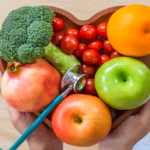
High blood pressure has quietly become one of the most widespread health concerns in modern society. Millions of people live with it daily, often without realizing the damage it is causing inside their bodies. While medications are sometimes necessary, nature has also provided powerful solutions that can work alongside medical care. Among the most effective and accessible options are fruits that reduce blood pressure.
Eating the right fruits consistently can help relax blood vessels, balance sodium levels, reduce inflammation, and support long-term heart health. This article takes a deep dive into fruits that reduce blood pressure, explaining how they work, why they are effective, and how you can incorporate them into your daily lifestyle.
Understanding Blood Pressure and Why It Matters
Blood pressure refers to the force with which blood moves through your arteries. When this pressure becomes consistently high, the heart has to work harder to pump blood. Over time, this extra strain can damage blood vessels and vital organs.
The most concerning part is that hypertension is often called the silent killer because many people experience no obvious symptoms.
This is why preventive nutrition, especially through fruits that reduce blood pressure, is so important.
How Fruits That Reduce Blood Pressure Actually Work
Fruits are not magic cures, but they contain specific nutrients that directly influence blood pressure regulation.
Potassium Balance
Potassium helps counteract sodium in the body. Excess sodium causes water retention, which raises blood pressure. Fruits rich in potassium help the kidneys flush out sodium, lowering pressure naturally.
Improved Blood Vessel Function
Certain fruits help blood vessels relax and widen, improving circulation and reducing resistance in the arteries.
Antioxidant Protection
Oxidative stress damages blood vessels. Antioxidants found in fruits protect artery walls and improve elasticity.
Reduced Inflammation
Chronic inflammation contributes to hypertension. Many fruits have anti-inflammatory compounds that support vascular health.
These benefits explain why fruits that reduce blood pressure are recommended in heart-healthy diets worldwide.
Best Fruits That Reduce Blood Pressure Naturally
Bananas – A Potassium Powerhouse
Bananas are one of the most popular and affordable fruits that reduce blood pressure. They are especially rich in potassium, a mineral essential for heart and muscle function.
Why Bananas Are Effective:
High potassium content
Low sodium levels
Supports muscle and blood vessel relaxation
Eating bananas regularly helps prevent sodium buildup in the bloodstream, reducing pressure on artery walls.
How to eat bananas daily:
As a snack
In smoothies
With oats or cereal
Mashed into whole-grain toast
Citrus Fruits – Oranges, Lemons, and Grapefruit
Citrus fruits are refreshing, nutrient-dense, and highly effective fruits that reduce blood pressure.
Key Benefits:
Rich in vitamin C
High in flavonoids
Improve blood vessel elasticity
Vitamin C helps protect blood vessels from damage, while citrus flavonoids improve circulation.
Best practices:
Eat whole fruits instead of juice
Add lemon to warm water
Snack on fresh orange slices
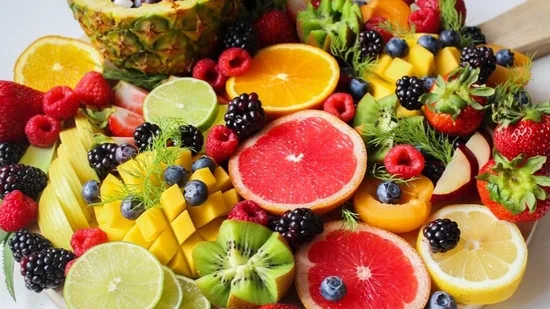
Berries – Small Fruits, Big Impact
Berries such as strawberries,blueberries, raspberries, and blackberries are among the most powerful fruits that reduce blood pressure.
Why Berries Are So Effective:
Rich in anthocyanins
Improve artery flexibility
Reduce oxidative stress
Studies show that regular berry consumption is associated with lower systolic blood pressure and improved heart function.
Watermelon is more than a summer fruit. It contains a unique amino acid called citrulline.
How Watermelon Helps:
Promotes nitric oxide production
Relaxes blood vessels
Improves circulation
Nitric oxide plays a key role in regulating blood pressure. This makes watermelon one of the most refreshing fruits that reduce blood pressure naturally.
Pomegranate – A Heart-Friendly Superfruit
Pomegranate stands out among fruits that reduce blood pressure due to its rich antioxidant profile.
Benefits Include:
Supports artery health
Reduces plaque buildup
Lowers systolic pressure
Fresh pomegranate or unsweetened juice consumed in moderation can significantly support cardiovascular health.
Avocados – Healthy Fats for Healthy Arteries
Avocados are technically fruits and are extremely beneficial for blood pressure control.
Why Avocados Matter:
High in potassium
Rich in monounsaturated fats
Supports cholesterol balance
Healthy fats reduce inflammation and support smooth blood flow.
Apples – Daily Protection for the Heart
Apples are simple, accessible, and effective fruits that reduce blood pressure over time.
Key Benefits:
High fiber content
Rich in polyphenols
Supports cholesterol control
Eating apples regularly helps maintain stable blood pressure and overall heart health.
Kiwi – Small but Powerful
Kiwi fruitmay be small, but it delivers impressive heart benefits.
Why Kiwi Helps:
Rich in vitamin C
Supports vascular relaxation
Improves blood circulation
Including kiwi in your diet can lead to measurable improvements in blood pressure levels.
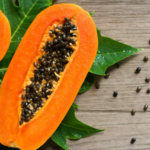
Papaya – Digestive and Heart Support
Papaya offers both digestive and cardiovascular benefits.
Benefits:
High antioxidant content
Supports potassium intake
Reduces inflammation
Papaya is especially beneficial in tropical regions where it is fresh and affordable.
Mango – Sweet but Heart-Friendly
Mangoes contain natural sugars, but when eaten in moderation, they remain beneficial fruits that reduce blood pressure.
How to Eat Fruits That Reduce Blood Pressure Daily
Consistency is more important than quantity. Here are realistic ways to include fruits daily:
Morning Routine
Fruit smoothies
Oatmeal topped with bananas or berries
Snacks
Apples or oranges instead of processed snacks
Lunch and Dinner
Fruit salads
Avocado-based meals
Hydration
Lemon or citrus-infused water
Deeper Insights on Fruits That Reduce Blood Pressure
It’s Not Just Potassium — It’s the Synergy
Many people think fruits lower blood pressure only because of potassium. While potassium is important, fruits that reduce blood pressure work through a combination of nutrients, including:
Potassium (balances sodium)
Magnesium (relaxes blood vessels)
Fiber (reduces cholesterol and arterial stiffness)
Polyphenols and flavonoids (protect artery lining)
Natural nitrates and amino acids (improve blood flow)
This synergy is why whole fruits work better than supplements.
Whole Fruits Beat Juices Every Time
One major mistake people make is relying on fruit juice.
Regular intake of fruits that reduce blood pressure can:
Improve medication effectiveness
Reduce dosage needs (under medical supervision)
Slow disease progression
However, fruits support treatment, they do not replace prescribed drugs.
Seasonal and Local Fruits Work Best
Imported fruits often lose nutrients during storage.
Locally grown, seasonal fruits:
Contain higher antioxidants
Are fresher and more bioavailable
Are usually more affordable
In tropical regions, fruits like papaya, mango, watermelon, banana, and citrus are excellent choices.
Overeating Fruit Can Backfire
While fruits are healthy, excess intake—especially sweet fruits—can:
Spike blood sugar
Increase triglycerides
Worsen blood pressure indirectly
Ideal intake:
2–4 servings of fruits that reduce blood pressure daily, spread across the day.
Practical Fruit Pairings for Better Results
Combining fruits enhances their effect:
Banana + berries → potassium + antioxidants
Watermelon + citrus → hydration + vascular support
Apple + avocado → fiber + healthy fats
Papaya + lemon → digestion + circulation
These combinations improve absorption and effectiveness.
Key Takeaway
Fruits are not just side foods — they are functional cardiovascular tools. When eaten whole, consistently, and in variety, fruits support artery health, kidney function, inflammation control, and long-term heart protection.
Fruits That Reduce Blood Pressure and the DASH Diet
The DASH (Dietary Approaches to Stop Hypertension) diet emphasizes fruits, vegetables, whole grains, and low sodium intake.
Fruits that reduce blood pressure are a cornerstone of this approach because they:
Increase potassium intake
Reduce sodium effects
Support heart health naturally
Important Lifestyle Habits to Combine with Fruit Intake
While fruits are powerful, they work best alongside healthy habits:
Reduce salt consumption
Stay physically active
Maintain a healthy weight
Manage stress
Avoid smoking
Limit alcohol intake
Get quality sleep
Frequently Asked Questions
How Many Fruits Should I Eat Daily?
2–4 servings of fruits that reduce blood pressure is ideal for most adults.
Can Fruits Replace Medication?
No. Fruits support treatment but should not replace prescribed medication without medical advice.
Are Dried Fruits Effective?
Dried fruits contain potassium but also concentrated sugars. Eat them in moderation.
Final Conclusion
High blood pressure does not develop overnight, and it does not disappear overnight either. However, daily choices play a powerful role in managing it. Choosing fruits that reduce blood pressure is one of the safest, simplest, and most natural steps you can take toward better cardiovascular health.
Bananas, citrus fruits, berries, watermelon, pomegranate, avocado, apples, kiwi, papaya, and mango are not just delicious — they actively support healthy blood pressure levels.
When eaten consistently and combined with healthy lifestyle habits, these fruits can help protect your heart, improve circulation, and support long-term wellness.
Your heart works tirelessly for you. Feeding it with the right fruits is one of the most meaningful ways to show care — one bite at a time.
A graduate of Computer Science and Information Management Technology. Diploma – Caregiving, Certificates – Dementia and Diabetes Awareness and Management. A researcher, blogger, songwriter, singer and acoustic guitarist. Born in an environment where natural talents such as healing are imparted at our natural birth. This natural talents of healing is the result of our genetic inheritance and the training from family environment.
We use cookies on our website to give you the most relevant experience by remembering your preferences and repeat visits. By clicking “Accept All”, you consent to the use of ALL the cookies. However, you may visit "Cookie Settings" to provide a controlled consent.
This website uses cookies to improve your experience while you navigate through the website. Out of these, the cookies that are categorized as necessary are stored on your browser as they are essential for the working of basic functionalities of the website. We also use third-party cookies that help us analyze and understand how you use this website. These cookies will be stored in your browser only with your consent. You also have the option to opt-out of these cookies. But opting out of some of these cookies may affect your browsing experience.
Necessary cookies are absolutely essential for the website to function properly. These cookies ensure basic functionalities and security features of the website, anonymously.
Cookie
Duration
Description
cookielawinfo-checkbox-analytics
11 months
This cookie is set by GDPR Cookie Consent plugin. The cookie is used to store the user consent for the cookies in the category "Analytics".
cookielawinfo-checkbox-functional
11 months
The cookie is set by GDPR cookie consent to record the user consent for the cookies in the category "Functional".
cookielawinfo-checkbox-necessary
11 months
This cookie is set by GDPR Cookie Consent plugin. The cookies is used to store the user consent for the cookies in the category "Necessary".
cookielawinfo-checkbox-others
11 months
This cookie is set by GDPR Cookie Consent plugin. The cookie is used to store the user consent for the cookies in the category "Other.
cookielawinfo-checkbox-performance
11 months
This cookie is set by GDPR Cookie Consent plugin. The cookie is used to store the user consent for the cookies in the category "Performance".
viewed_cookie_policy
11 months
The cookie is set by the GDPR Cookie Consent plugin and is used to store whether or not user has consented to the use of cookies. It does not store any personal data.
Functional cookies help to perform certain functionalities like sharing the content of the website on social media platforms, collect feedbacks, and other third-party features.
Performance cookies are used to understand and analyze the key performance indexes of the website which helps in delivering a better user experience for the visitors.
Analytical cookies are used to understand how visitors interact with the website. These cookies help provide information on metrics the number of visitors, bounce rate, traffic source, etc.
Advertisement cookies are used to provide visitors with relevant ads and marketing campaigns. These cookies track visitors across websites and collect information to provide customized ads.