The Incredible Health Benefits of Masala Chai Tea: A Spicy Cup of Wellness
Discover the amazing health benefits of masala chai tea — from boosting immunity and improving digestion to enhancing heart health and mental focus. Learn how to brew it and why it’s more than just a comforting drink.
Masala chai tea — the beloved, aromatic beverage that fills Indian homes and tea stalls with warmth and fragrance — is far more than just a comfort drink. It’s a centuries-old healing blend, a symbol of togetherness, and a powerhouse of health-promoting ingredients that can invigorate your body and calm your mind.
From improving digestion and boosting immunity to enhancing heart health and mental focus, the health benefits of masala chai tea go far beyond taste.
In this article, we’ll explore the history, cultural roots, nutritional value, and scientifically backed health benefits of masala chai tea — and why you might want to make it a daily ritual.
What Is Masala Chai Tea?
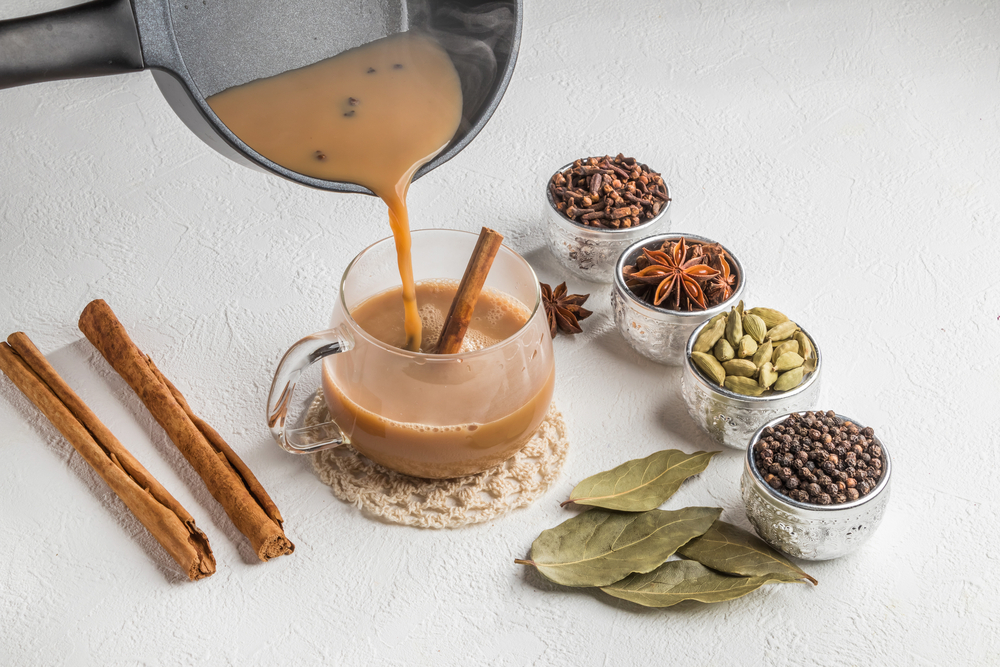
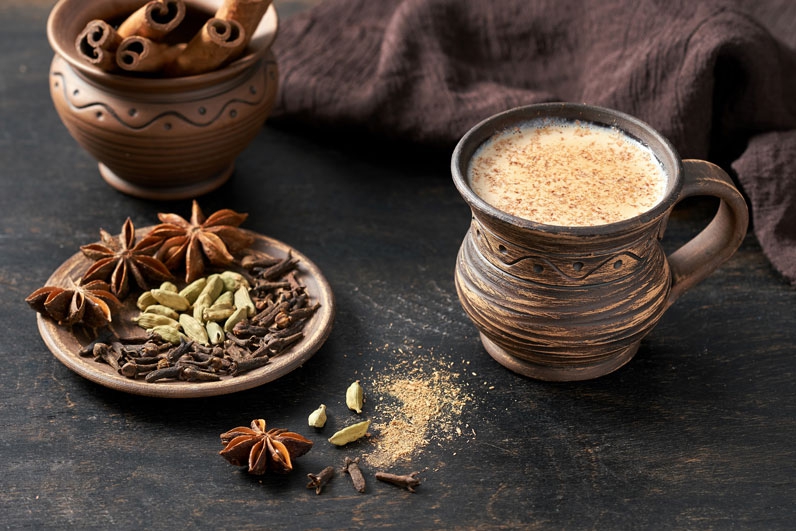
The word chai means “tea,” and masala means “spice mix.” Together, masala chai translates to “spiced tea.” It’s typically made by brewing black tea with a blend of warming spices such as ginger, cardamom, cinnamon, cloves, and black pepper. The mixture is simmered with milk and sweetener, creating a creamy, flavorful beverage with a balance of spice, sweetness, and depth.
Although masala chai tea originated in India, it has become a global favorite — enjoyed in cafés, homes, and wellness circles for its rich taste and numerous health benefits. Each ingredient in this aromatic blend contributes to its therapeutic potential, and when combined, they create a powerful natural tonic.
A Brief History of Masala Chai
The origins of masala chai tea date back over 5,000 years to ancient India, where it was first consumed not for pleasure, but for medicinal purposes. Traditional Ayurvedic healers used a similar mixture of herbs and spices to promote digestion, relieve fatigue, and balance the body’s energies (known as doshas).
Tea leaves were not originally part of this concoction — those were introduced much later, during the British colonial period in the 19th century. When the British East India Company began promoting black tea cultivation in India, locals combined it with their native spices and milk to create what we now call masala chai.
Today, this iconic drink represents a cultural ritual — a symbol of warmth, hospitality, and daily connection shared among families, friends, and communities.
Nutritional Composition of Masala Chai Tea
The health benefits of masala chai tea stem from its nutrient-rich ingredients. While the exact recipe varies, a typical masala chai blend includes:
Black tea: A rich source of antioxidants such as theaflavins and catechins that protect cells from damage and support heart health.
Ginger: Known for its anti-inflammatory, anti-nausea, and immune-boosting properties.
Cardamom: Helps digestion, freshens breath, and supports metabolic health.
Cinnamon: Stabilizes blood sugar and enhances circulation.
Cloves: Contain eugenol, a natural antiseptic and anti-inflammatory compound.
Black pepper: Improves nutrient absorption and promotes gut health.
Milk (optional): Adds calcium, protein, and creaminess.
Sweeteners (optional): Traditionally sugar or honey for balance and flavor.
Masala Chai, Teh Khas India untuk Kesehatan Anda
This combination makes masala chai tea a functional beverage — rich in antioxidants, anti-inflammatory compounds, and essential nutrients that nurture the body from within.
Boosts Immunity Naturally
One of the standout health benefits of masala chai tea is its immune-boosting power. The spices used in chai — particularly ginger, cloves, and cardamom — have been shown to possess antimicrobial and antioxidant properties that strengthen the body’s natural defense system.
Ginger helps fight off coldsand infections, while cloves are known to combat bacteria and viruses. Black tea itself contains compounds that support immune cell activity, helping your body respond more effectively to pathogens.
A warm cup of masala chai during cold or flu season can act as both prevention and comfort, soothing the throat while stimulating immune resilience.
Aids Digestion and Reduces Bloating
Masala chai tea is a traditional digestive aid. Each spice in the blend plays a unique role in promoting healthy digestion:
Ginger stimulates digestive enzymes and relieves nausea.
Cinnamon helps the digestive tract break down fats efficiently.
Black pepper enhances the bioavailability of nutrients.
Together, these ingredients help regulate gut motility, relieve cramps, and promote a balanced digestive system. Drinking masala chai tea after a meal can ease discomfort and prevent heaviness.
Improves Heart Health
Cardiovascular well-being is another key aspect of the health benefits of masala chai tea. Black tea, the base ingredient, contains powerful antioxidants like flavonoids, which support healthy blood pressure, cholesterol levels, and circulation.
Cinnamon and cloves also contribute to better heart health by improving blood flow and reducing inflammation in blood vessels. Research suggests that regular consumption of black tea may lower the risk of heart disease and stroke by improving lipid profiles and supporting artery function.
By sipping masala chai regularly, you’re not only indulging in flavor — you’re nurturing your heart.
Helps Regulate Blood Sugar Levels
Masala chai tea can be a helpful ally for individuals looking to manage blood sugar. Cinnamon, one of its primary spices, has been extensively studied for its ability to enhance insulin sensitivity and lower fasting blood glucose.
Ginger and black pepper also play roles in improving metabolic function and reducing sugar spikes after meals. Replacing sugary beverages with masala chai (without added sugar) offers a comforting, flavorful way to stabilize energy levels throughout the day.
For diabetics or prediabetic individuals, unsweetened masala chai tea may serve as a soothing daily drink that supports glycemic control.
Fights Inflammation
Chronic inflammation contributes to many health issues — from arthritis and heart disease to obesity and fatigue. The health benefits of masala chai tea include potent anti-inflammatory effects, thanks to ingredients like ginger, clove, and cinnamon.
These spices contain natural compounds (such as gingerol, eugenol, and cinnamaldehyde) that inhibit inflammatory enzymes and reduce oxidative stress in the body. Over time, this can lead to improved joint mobility, reduced pain, and greater overall well-being.
Regularly sipping masala chai can help the body combat everyday inflammation caused by stress, poor diet, and environmental toxins.
Enhances Mental Alertness and Focus
Black tea contains caffeine — less than coffee, but enough to provide a gentle energy lift without the jittery crash. Combined with the spice blend, this caffeine works synergistically to enhance focus, alertness, and mental clarity.
The presence of L-theanine, an amino acid found in tea leaves, promotes calm concentration, making masala chai tea an ideal beverage for productivity, study, or creative work.
This balanced stimulation supports brain function while keeping you relaxed — a natural nootropic blend crafted by nature itself.
Promotes Weight Management
Among the most popular health benefits of masala chai tea is its potential role in weight management. Several ingredients in the blend can aid in fat metabolism and appetite regulation.
Black pepper increases metabolism and helps the body burn calories more efficiently.
Ginger promotes thermogenesis — the process of generating heat to burn fat.
When consumed as part of a balanced diet, masala chai tea can complement your weight-loss journey by reducing snacking urges and supporting digestion. Replacing high-calorie drinks with this flavorful tea also lowers overall calorie intake.
Reduces Stress and Promotes Relaxation
Masala chai tea has a soothing, comforting effect on both the body and mind. The ritual of brewing and sipping a warm cup encourages mindfulness and relaxation.
Spices like cardamom and cinnamon have natural mood-enhancing properties. Cardamom is known in Ayurveda as a “warming” spice that uplifts the spirit and reduces mental fatigue, while the aroma of cinnamon can help lower stress and improve emotional balance.
Many people find that drinking masala chai tea at the end of a busy day creates a moment of calm — a gentle reminder to slow down and reconnect with themselves.
Supports Respiratory Health
Thanks to ingredients like ginger, cloves, and black pepper, masala chai tea also supports the respiratory system. These spices act as natural decongestants and expectorants, helping to clear mucus and open up airways.
For centuries, Ayurvedic practitioners have used similar spice blends to treat coughs, colds, and sore throats. A steaming cup of masala chai can ease congestion, soothe the throat, and make breathing easier during seasonal changes.
Adding honey instead of sugar can further enhance this benefit, as honey has natural antibacterial and soothing effects on the throat.
Balances Hormones and Improves Menstrual Health
Women can particularly benefit from drinking masala chai tea, as several of its ingredients help ease menstrual cramps and hormonal imbalances.
Ginger reduces pain and muscle tension, while cinnamon and cloves regulate blood circulation and relieve discomfort. These spices also possess mild hormonal balancing properties that can help reduce PMS symptoms such as irritability and bloating.
For women dealing with irregular cycles or painful cramps, a daily cup of masala chai tea can offer natural relief and emotional comfort.
Strengthens Bones and Teeth
When prepared with milk, masala chai becomes a good source of calcium and vitamin D — nutrients essential for strong bones and teeth. The combination of antioxidants from tea and minerals from milk supports skeletal strength and prevents conditions like osteoporosis.
Additionally, cloves have antibacterial properties that promote oral health and prevent gum disease. Regular consumption of masala chai tea (with moderation in sugar) can contribute to better dental hygiene and stronger bones over time.
Provides Antioxidant Protection
Every ingredient in masala chai tea contributes to its antioxidant load. These antioxidants fight free radicals — unstable molecules that cause oxidative stress and accelerate aging.
Black tea’s polyphenols protect cells and support liver detoxification, while spices like cinnamon and cardamom help neutralize toxins. The combined antioxidant synergy makes masala chai tea a rejuvenating beverage that supports longevity and vitality.
Over time, this translates into improved skin health, better immunity, and slower aging at the cellular level.
Boosts Energy and Endurance
Feeling sluggish? The natural caffeine in black tea, combined with metabolism-boosting spices, provides a steady energy lift. Masala chai tea supports both mental and physical stamina, making it a great pre-work or mid-day pick-me-up.
Athletes and active individuals often drink chai for its invigorating effect, as it enhances oxygen flow, improves digestion, and sustains endurance. Unlike coffee, its energy boost is smooth and sustained rather than sharp and fleeting.
How to Prepare Masala Chai Tea at Home
Brewing masala chai tea at home allows you to control the flavor and intensity of spices to your liking. Here’s a traditional recipe:
Ingredients:
1 cup water
1 cup milk (or plant-based alternative)
1–2 teaspoons black tea leaves (or tea bags)
1-inch piece of fresh ginger (sliced)
2–3 green cardamom pods (crushed)
1 small cinnamon stick
2–3 cloves
A pinch of black pepper
Sweetener of choice (sugar, honey, or stevia)
Directions:
In a pot, bring the water to a boil with all the spices.
Add tea leaves and simmer for 3–4 minutes.
Pour in the milk and sweetener, then simmer gently for another 2–3 minutes.
Strain into cups and enjoy the aromatic warmth.
This homemade blend can be customized with nutmeg, fennel, or star anise for extra flavor.
Are There Any Side Effects?
While the benefits of masala chai tea are numerous, moderation is key. Excessive consumption (especially with high sugar) can lead to caffeine sensitivity, heartburn, or insomnia in some individuals.
People sensitive to caffeine should limit intake to 1–2 cups daily. Also, adding too much sugar or cream can counteract some of its health benefits. Always enjoy it as part of a balanced diet.
Final Thoughts: A Cup of Health and Harmony
Masala chai tea is more than just a beverage — it’s a sensory experience and a centuries-old wellness tradition. Each sip tells a story of culture, healing, and warmth. Whether you’re seeking a natural way to boost immunity, improve digestion, or simply unwind, the health benefits of masala chai tea make it an ideal daily companion.
From the bustling streets of Mumbai to modern health cafés around the world, this spiced elixir continues to unite people through its flavor, aroma, and vitality. So, the next time you crave something that comforts your body and soul, reach for a cup of masala chai tea — your heart, mind, and immune system will thank you.
A graduate of Computer Science and Information Management Technology. Diploma – Caregiving, Certificates – Dementia and Diabetes Awareness and Management. A researcher, blogger, songwriter, singer and acoustic guitarist. Born in an environment where natural talents such as healing are imparted at our natural birth. This natural talents of healing is the result of our genetic inheritance and the training from family environment.
Related Posts:
Cinnamon Tea Benefits Cinnamon Tea Benefits: A Natural Boost for Health and Wellness: Cinnamon…
We use cookies on our website to give you the most relevant experience by remembering your preferences and repeat visits. By clicking “Accept All”, you consent to the use of ALL the cookies. However, you may visit "Cookie Settings" to provide a controlled consent.
This website uses cookies to improve your experience while you navigate through the website. Out of these, the cookies that are categorized as necessary are stored on your browser as they are essential for the working of basic functionalities of the website. We also use third-party cookies that help us analyze and understand how you use this website. These cookies will be stored in your browser only with your consent. You also have the option to opt-out of these cookies. But opting out of some of these cookies may affect your browsing experience.
Necessary cookies are absolutely essential for the website to function properly. These cookies ensure basic functionalities and security features of the website, anonymously.
Cookie
Duration
Description
cookielawinfo-checkbox-analytics
11 months
This cookie is set by GDPR Cookie Consent plugin. The cookie is used to store the user consent for the cookies in the category "Analytics".
cookielawinfo-checkbox-functional
11 months
The cookie is set by GDPR cookie consent to record the user consent for the cookies in the category "Functional".
cookielawinfo-checkbox-necessary
11 months
This cookie is set by GDPR Cookie Consent plugin. The cookies is used to store the user consent for the cookies in the category "Necessary".
cookielawinfo-checkbox-others
11 months
This cookie is set by GDPR Cookie Consent plugin. The cookie is used to store the user consent for the cookies in the category "Other.
cookielawinfo-checkbox-performance
11 months
This cookie is set by GDPR Cookie Consent plugin. The cookie is used to store the user consent for the cookies in the category "Performance".
viewed_cookie_policy
11 months
The cookie is set by the GDPR Cookie Consent plugin and is used to store whether or not user has consented to the use of cookies. It does not store any personal data.
Functional cookies help to perform certain functionalities like sharing the content of the website on social media platforms, collect feedbacks, and other third-party features.
Performance cookies are used to understand and analyze the key performance indexes of the website which helps in delivering a better user experience for the visitors.
Analytical cookies are used to understand how visitors interact with the website. These cookies help provide information on metrics the number of visitors, bounce rate, traffic source, etc.
Advertisement cookies are used to provide visitors with relevant ads and marketing campaigns. These cookies track visitors across websites and collect information to provide customized ads.